
Capsules vs Powders for Pet Supplements: Key Differences Explained
PawVerde.com – Capsules and powder supplements represent two primary formats for delivering nutritional support to pets, each offering distinct advantages and challenges influencing pet health outcomes, administration ease, and nutrient bioavailability. Understanding their comparative benefits is essential for pet owners aiming to optimize supplement use for dogs, cats, and small animals. Capsules provide pre-measured convenience and extended shelf life, shielding sensitive ingredients from environmental degradation, while powders afford dosage flexibility and quicker absorption. The choice between these forms hinges on factors including species-specific needs, palatability, administration practicality, and the bioavailability of active compounds such as curcumin and beta-D-glucans.
Capsules encapsulate powdered or liquid extracts within gelatin or plant-based shells, delivering precise doses that enhance owner compliance and facilitate portability. Their protective casing guards against moisture and oxygen exposure, significantly extending shelf life—often by several months compared to powders stored in open containers. However, capsules require gastrointestinal disintegration before nutrient release, potentially delaying absorption. Studies highlight that bioavailability of compounds like Vitamin C can be reduced in capsule form due to this disintegration lag, although the impact varies based on capsule composition and coating technologies. Additionally, some capsules incorporate fillers or binders, which may dilute active ingredient concentration and affect efficacy, necessitating scrutiny of ingredient lists for transparency.
Powder supplements, in contrast, bypass the disintegration phase, allowing nutrients to become rapidly bioavailable upon ingestion. This is particularly advantageous for active compounds with poor bioavailability, such as curcumin derived from turmeric. Research demonstrates that powdered curcumin, especially when combined with absorption enhancers like piperine, can significantly improve plasma concentration compared to encapsulated forms. Powders also offer cost-effectiveness and dosage customization, critical for multi-pet households or varying body weights, where precise dosing adjustments are needed. However, powders pose challenges in handling, as they require mixing with food or liquids, and their exposure to air and humidity can degrade sensitive ingredients like beta-D-glucans from mushroom extracts, reducing potency if not stored properly.
Liquid supplements, though not the primary focus here, warrant mention due to their superior absorption rates. Formulations such as Kangaroo Dogs Organic Liquid Joint Supplement leverage liquid delivery to enhance bioavailability of joint-supporting ingredients including glucosamine and chondroitin. Liquids are especially useful for acute health conditions requiring rapid nutrient uptake but may present palatability and stability issues over time.
Capsules for Pet Supplements: Convenience Meets Stability
Capsules dominate as a preferred format for daily supplementation due to their user-friendly dosing and protective qualities. They enable pre-measured administration, reducing the risk of dosing errors prevalent with powders, which require manual measurement. This precision is crucial for potent ingredients like beta-D-glucans and curcumin, where dosing consistency impacts therapeutic outcomes. Capsules’ portability facilitates supplementation during travel or outdoor activities, enhancing regimen adherence.
Shelf life is a notable advantage; capsules shield sensitive nutrients from moisture and oxygen, which are primary catalysts for degradation. For example, Real Mushrooms emphasizes the importance of moisture-controlled capsules to preserve beta-D-glucan content, a marker for mushroom extract quality. Proper encapsulation can maintain ingredient integrity for 12 to 24 months, far exceeding typical powder shelf life.
Limitations arise chiefly in absorption kinetics. Capsule shells must dissolve in the gastrointestinal tract before releasing contents, which can delay the onset of nutrient availability. This is significant for compounds like Vitamin C, where studies show a 20-30% slower absorption rate compared to powders. Furthermore, some manufacturers utilize fillers to bulk capsules, which may diminish active ingredient concentration and raise concerns about additive safety. Transparency in labeling and third-party testing are critical to ensure formulation quality.
Capsules suit routine supplementation protocols demanding consistent dosing and enhanced ingredient stability. They also benefit pet owners who prioritize convenience and precise administration, particularly for dogs engaged in regular joint health maintenance or cats requiring immunomodulatory support.
Powder Supplements for Pets: Customization and Rapid Absorption
Powders allow tailored dosing, a critical feature for pets with varying weights or multi-species households. This flexibility is essential for administering joint health supplements such as glucosamine and chondroitin or immunomodulators like mushroom extracts containing beta-D-glucans. Powdered formulas bypass the capsule shell disintegration step, enabling faster nutrient release and absorption, which can enhance therapeutic efficacy for compounds with inherently low bioavailability.
Cost efficiency is another major benefit; powders generally incur lower manufacturing costs, translating to consumer savings, particularly for large breeds requiring higher doses. Additionally, powders can be mixed with food or water, aiding administration for pets averse to swallowing capsules. This mixing capability also allows combining multiple supplements in a single serving, supporting comprehensive health strategies encompassing probiotics, collagen, and vitamin C.
However, powders require careful handling to maintain ingredient stability. Exposure to air and moisture accelerates oxidation and degradation, notably affecting sensitive compounds such as curcumin and mushroom extracts. Proper storage in airtight, opaque containers with desiccants is essential to preserve potency. Palatability can be a barrier; some powders have strong flavors or odors that pets may reject. Brands like Animistic pet nutrition address this by incorporating natural flavor enhancers to improve acceptance among cats and small animals.
Powders are particularly advantageous for joint health support, probiotic delivery, and scenarios demanding dosage flexibility. They are well-suited for large dogs needing higher supplement volumes and for multi-pet households where individualized dosing is required.
Comparing Absorption and Bioavailability of Capsules and Powders
Nutrient bioavailability—the extent and rate at which active compounds enter systemic circulation—is pivotal for supplement efficacy. Capsules, while protective, impose a delay due to shell disintegration. Research on vitamin C absorption demonstrates that powder forms achieve peak plasma levels roughly 20-30 minutes earlier than capsules. This kinetic difference can be critical in managing acute conditions or optimizing nutrient timing.
Curcumin illustrates bioavailability challenges; its poor solubility and rapid metabolism necessitate delivery forms maximizing absorption. Powdered curcumin combined with bioenhancers like piperine has shown up to 20-fold increased bioavailability compared to capsules containing raw turmeric powder. Liquid formulations exceed both in absorption speed but may compromise shelf life.
Beta-D-glucans in mushroom extracts also benefit from powder forms when stored correctly, preserving their immunomodulatory properties. Capsules can protect these polysaccharides from degradation but may slow their release. Third-party testing measuring beta-glucan content is a reliable quality indicator, ensuring the supplement delivers functional doses regardless of form.
Administration and Compliance Across Pet Species
Species-specific factors influence supplement form suitability. Dogs generally tolerate capsules and powders mixed with food, though larger dogs may more easily accept capsules due to size and swallowing ability. Cats, often more finicky, may require powders blended into wet food or liquids to ensure intake. Small animals like rabbits or ferrets typically benefit from powders, as capsule administration can be challenging or stressful.
Palatability directly affects compliance. Powder supplements risk rejection due to texture or taste but can be masked with palatable bases. Liquids offer an alternative with superior absorption but may also face acceptance hurdles. Capsules provide odor and taste masking, promoting better compliance in sensitive pets.
Ease of use factors heavily into owner adherence. Capsules reduce preparation time and dosing errors, supporting consistent long-term use. Powders require measuring and mixing, potentially complicating routines but offering flexibility in dose adjustment.
Quality and Ingredient Transparency in Pet Supplements
Ingredient quality underpins supplement safety and effectiveness. Third-party testing certifies purity, potency, and absence of contaminants. For example, Real Mushrooms and Animistic Pet Nutrition emphasize rigorous beta-glucan quantification and heavy metal screening, ensuring product reliability.
Capsule fillers and binders should be scrutinized; inert substances may dilute active ingredients or cause sensitivities. Transparent labeling disclosing all components, including excipients, supports informed choices.
Storage recommendations differ: capsules benefit from sealed packaging minimizing moisture exposure, while powders require airtight containers with desiccants to maintain shelf life. Both forms demand protection from heat and light to preserve ingredient integrity, particularly for thermolabile substances like vitamin C and curcumin.
Case Study: Joint Supplements Featuring Turmeric and Glucosamine
Joint health supplements exemplify the complexities of supplement form selection. Turmeric-derived curcumin is prized for its anti-inflammatory properties but suffers from poor oral bioavailability. Capsules may delay curcumin release, limiting absorption, whereas powders mixed with bioenhancers improve plasma levels. Liquid joint supplements, such as Kangaroo Dogs Organic Liquid Joint Supplement, offer superior absorption, rapidly delivering glucosamine and chondroitin critical for cartilage repair.
Owner compliance is paramount for chronic joint conditions requiring sustained supplementation. Capsules facilitate consistent dosing and are convenient for daily routines, but powders may be preferred where dose adjustments are needed based on weight or response. Liquid forms, while effective, may require refrigeration and careful palatability management.
This case underscores that supplement form choice must balance bioavailability demands with practical administration considerations and pet preferences.
Future Directions: Personalizing Pet Supplementation Strategies
Advancements in supplement technology point toward hybrid formulations combining capsules with rapid-release powders or liquids to optimize bioavailability and administration ease. Enhanced capsule coatings designed for accelerated disintegration and targeted delivery may bridge current absorption gaps.
Emerging research on nutrient interactions and microbiome modulation will refine dosing strategies, tailoring supplements to species, age, and health status. Integration of AI-driven personalized nutrition platforms could guide owners in selecting optimal supplement forms and dosages.
Ultimately, aligning supplement format with pet health goals, lifestyle, and owner capabilities remains essential for maximizing therapeutic outcomes in veterinary nutrition.
Frequently Asked Questions
What are the main benefits of capsules versus powder supplements for pets?
Capsules offer convenience with pre-measured doses, improved portability, and longer shelf life due to protection against moisture and air. Powders provide customizable dosing, faster nutrient absorption, and cost efficiency but require mixing and careful storage.
How does absorption differ between capsule and powder supplements?
Powders generally enable faster absorption by bypassing capsule shell disintegration, leading to quicker nutrient availability. Capsules delay release but protect ingredients better, potentially extending shelf life. Specific compounds like curcumin benefit significantly from powder forms combined with absorption enhancers.
Which supplement form is better for picky cats or small animals?
Powders mixed into wet food or liquids are often preferred for cats and small animals due to ease of ingestion and palatability adjustments. Capsules may be difficult to administer to these species.
Why is third-party testing important in pet supplements?
Third-party testing verifies ingredient potency, purity, and safety, ensuring products contain claimed active compounds like beta-D-glucans without contaminants. This transparency builds trust and supports informed purchasing decisions.
Can I switch between capsule and powder forms for my pet?
Switching is possible but should consider the pet’s acceptance, dosage adjustments, and bioavailability differences. Consulting with a veterinarian ensures the change aligns with health goals and maintains therapeutic consistency.

How to Read Pet Supplement Labels for Safe, Effective Choices
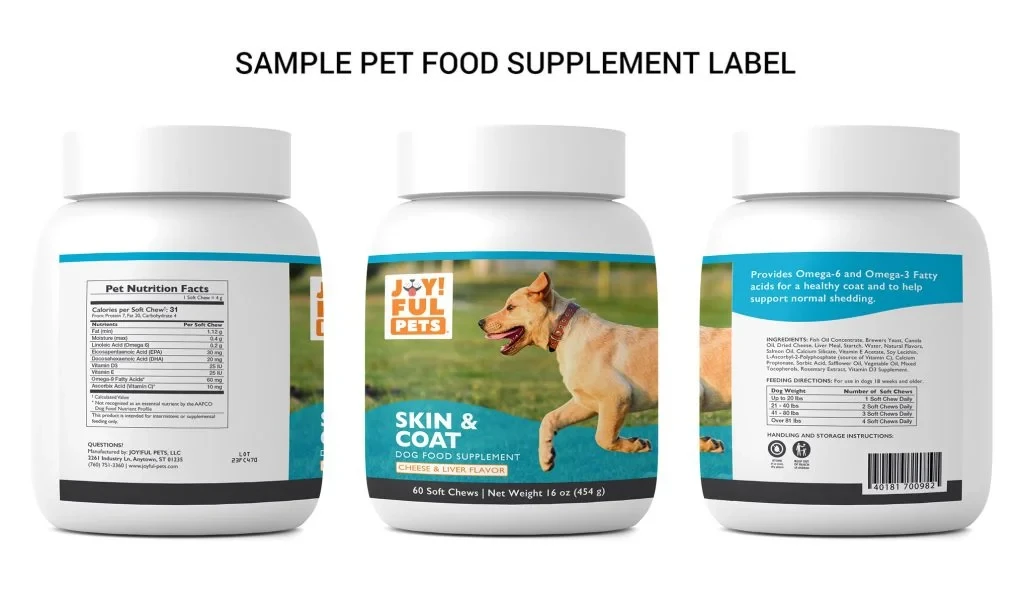
PawVerde.com – Pet owners increasingly turn to supplements to enhance their pets’ health, but the complexity of pet supplement labels demands careful scrutiny to ensure safety, efficacy, and regulatory compliance. Evaluating these labels requires understanding legal requirements, ingredient transparency, third-party certifications, and the risks of artificial additives or unsubstantiated claims. This article dissects critical elements of pet supplement labels, offering pet owners and veterinarians a detailed framework for informed selection grounded in current regulatory frameworks and nutritional science.
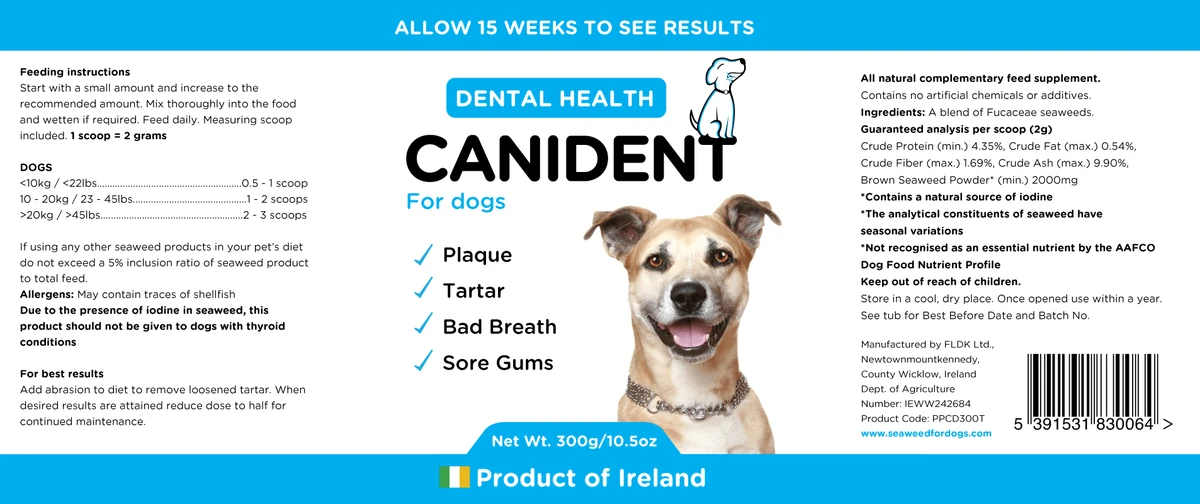
Pet supplement labels must provide clear ingredient listings in descending order by weight, net product weight, and manufacturer contact information, reflecting FDA and AAFCO regulations. These labels cannot legally claim to treat, cure, or prevent diseases without FDA drug approval, a restriction that protects consumers from misleading marketing. Instead, labels should focus on guaranteed analysis and nutrient content, aligned with NASC’s voluntary certification standards, which enhance credibility through third-party testing. Understanding these legal boundaries is essential for pet owners seeking safe, effective supplements.
Legal and Regulatory Labeling Requirements for Pet Supplements
The FDA regulates pet supplements under the broader category of animal dietary supplements, with labeling standards designed to ensure transparency and consumer protection. Ingredient lists must use approved common or usual names and present components in descending order by weight, facilitating assessment of a product’s primary constituents. Net weight declarations enable dosage accuracy, while manufacturer or distributor contact information is mandatory for consumer inquiries and traceability.
Unlike drugs, pet supplements are prohibited from making claims to treat or prevent diseases. Any such claims require the product to undergo FDA drug approval, a rigorous process that most supplements do not meet. Instead, disclaimers acknowledging the product’s status as a supplement rather than a medication are required. The Association of American Feed Control Officials (AAFCO) also provides guidance on labeling to promote consistency across states, although enforcement varies regionally.
Key Label Components to Evaluate
Pet owners should scrutinize the ingredient list for transparency and bioavailability. Ingredients listed by their common names, such as “glucosamine hydrochloride” or “fish oil (source of omega-3 fatty acids),” provide clarity on what the product contains and its potential nutritional value. Proprietary blends, which aggregate ingredients without specifying individual amounts, obscure dosage information and complicate safety assessments.
Guaranteed Analysis sections reveal minimum or maximum nutrient levels, such as crude protein, fat, fiber, and moisture, alongside specific vitamins and minerals. This data helps gauge whether a supplement can meet a pet’s dietary requirements. Feeding directions and dosage instructions must be precise and tailored to pet size and health status to avoid under- or overdosing, which can cause adverse effects.
Third-party testing certifications from organizations such as the National Animal Supplement Council (NASC), ConsumerLab, or NSF International provide an added layer of quality assurance. NASC-certified products undergo audits focusing on manufacturing practices, ingredient verification, and label accuracy. ConsumerLab and NSF test for purity, potency, and contaminants, offering independent validation that manufacturers’ claims are credible.
Ingredients to Seek in Pet Supplements
Functional ingredients with scientifically substantiated benefits should be prioritized. Glucosamine and chondroitin are widely recognized for joint health, supporting cartilage repair and reducing inflammation in conditions like osteoarthritis. Omega-3 fatty acids from fish oil play a crucial role in cardiovascular, cognitive, and skin health, with EPA and DHA being particularly bioavailable forms.
Trace minerals such as zinc and selenium, along with antioxidant vitamins like vitamin E, contribute to immune function and cellular protection. Whole food ingredients, including fruits, vegetables, and whole grains, provide additional fiber, phytonutrients, and natural antioxidants, enhancing overall nutrition and palatability.
Conversely, pet owners should avoid supplements containing artificial colors, flavors, preservatives, or harmful sweeteners like xylitol, which is toxic to dogs. Non-GRAS (Generally Recognized As Safe) substances or unspecified proprietary blends pose risks due to unknown ingredient quality and dosage, potentially leading to adverse reactions or ineffective supplementation.
Common Labeling Pitfalls and How to Avoid Them
Vague ingredient names such as “meat meal” or “animal digest” lack specificity about source and quality, making it difficult to assess nutritional value or allergen risks. Labels that feature unsubstantiated health claims like “heals gut inflammation” or “cures arthritis” without scientific backing and FDA approval are misleading and illegal.
Missing mandatory fields, including net weight or manufacturer contact information, undermine transparency and consumer confidence. Proprietary blends that do not disclose ingredient quantities prevent accurate risk-benefit evaluations, especially when multiple active components interact.
Poor label design, such as small fonts, cluttered layouts, or inconsistent terminology, hinders readability and may conceal important information. Pet owners should seek products with clear, legible labels that facilitate informed decision-making.
Role of Veterinarians in Supplement Selection
Veterinary professionals play a critical role in guiding supplement choices tailored to individual pet needs. They evaluate the pet’s health status, existing diet, and potential interactions with medications before recommending supplements. Therapeutic diets and veterinary-prescribed supplements often have more stringent formulations and controlled dosages, ensuring both safety and efficacy.
Veterinarians also help interpret complex label information, identifying credible products and warning against harmful additives or exaggerated claims. Their recommendations are grounded in clinical evidence, regulatory compliance, and nutritional science, reducing trial-and-error risks for pet owners.
Third-Party Testing and Quality Assurance
Independent laboratory testing verifies that pet supplements meet label claims for ingredient identity, potency, and purity. Such testing detects contaminants like heavy metals, pesticides, or microbial pathogens that compromise safety. Certifications from NASC, ConsumerLab, and NSF International signify adherence to Good Manufacturing Practices (GMP), ingredient traceability, and batch consistency.
Labels displaying third-party seals allow pet owners to distinguish reputable products in a crowded marketplace. Transparency about testing protocols and results further builds consumer trust, supporting both regulatory compliance and ethical marketing.
| Certification Body | Focus Area | Key Benefits for Pet Owners |
|---|---|---|
| NASC | Manufacturing audits, ingredient verification, label accuracy | Ensures product quality and regulatory compliance |
| ConsumerLab | Independent ingredient testing, potency, contaminants | Confirms purity and actual ingredient content |
| NSF International | GMP certification, ingredient safety, contaminant screening | Guarantees manufacturing standards and product safety |
Forward-Looking Insights on Pet Supplement Labeling
As pet nutrition science advances and consumer demand grows for transparency, regulatory agencies and industry groups are expected to tighten labeling standards. Emerging frameworks may mandate digital traceability, ingredient source disclosures, and more rigorous claims substantiation. Integration of blockchain technology for supply chain verification is under exploration, promising enhanced trust and accountability.
Artificial intelligence tools are increasingly used to scan and verify label compliance, helping retailers and consumers identify high-quality products rapidly. Pet owners should stay informed about evolving regulations, emerging ingredient research, and veterinary recommendations to adapt supplementation practices accordingly.
FAQ
What are the most important elements to check on a pet supplement label?
Look for a complete and transparent ingredient list in descending order by weight, net product weight, manufacturer contact information, feeding directions with dosage instructions, third-party testing certifications such as NASC, and avoid unapproved disease treatment claims.
Can pet supplements legally claim to cure or prevent diseases?
No. Supplements cannot make claims to treat, cure, or prevent diseases without FDA approval as drugs. Such claims are illegal and indicate a product is misbranded.
Why is third-party testing important for pet supplements?
Third-party testing by independent organizations verifies ingredient identity, potency, and purity, ensuring the product matches label claims and is free from harmful contaminants, thereby enhancing safety and efficacy.
What ingredients should pet owners avoid in supplements?
Avoid artificial additives such as colors, flavors, preservatives, harmful sweeteners like xylitol, non-GRAS substances, and unspecified proprietary blends that obscure ingredient doses and quality.
How can veterinarians assist in choosing pet supplements?
Veterinarians assess the pet’s health, diet, and medications to recommend appropriate supplements, interpret label information, and prevent adverse interactions, ensuring safe and effective supplementation tailored to the pet’s needs.
—
Pet supplement labels convey critical information that can safeguard pets from ineffective or unsafe products. By understanding regulatory requirements, ingredient transparency, third-party certifications, and the risks of artificial additives, pet owners can make confident, informed choices. Partnering with veterinarians further elevates supplement safety and efficacy, supporting optimal pet health outcomes in an increasingly complex market.