

What Is Hypoallergenic Food for Pets? Key Benefits Explained
PawVerde.com – hypoallergenic pet food is formulated specifically to reduce the incidence of allergic reactions in pets by excluding common allergens such as chicken, beef, dairy, wheat, and corn. These diets rely on novel protein sources unfamiliar to the pet’s immune system or utilize hydrolyzed proteins broken down into tiny fragments that are less likely to trigger immune responses. The goal is to manage food allergies and sensitivities effectively through careful ingredient selection and simplified formulations, often excluding preservatives and artificial additives that can exacerbate irritation. Veterinary guidance is critical for accurate diagnosis and selecting an appropriate hypoallergenic diet tailored to the individual pet’s needs.
Common Allergens in Pet Food and Their Impact
Proteins such as chicken, beef, dairy, and eggs are among the most frequent causes of food allergies in dogs and cats. These animal-based proteins contain allergenic molecules that some pets’ immune systems mistakenly identify as threats, provoking allergic reactions. Grains like wheat, corn, and soy also contribute to allergic responses and food sensitivities, though less commonly than protein sources. Additionally, preservatives, artificial colors, and chemical additives in commercial pet foods can irritate sensitive pets and worsen allergic symptoms.
Recent veterinary research highlights that food allergies in pets often manifest as dermatological issues, including persistent itching, redness, and recurrent ear infections, or gastrointestinal distress such as vomiting and diarrhea. The distinction between food allergy and food intolerance is critical; allergies involve an immune-mediated response, whereas intolerances typically cause digestive upset without immune activation. Identifying the specific allergens triggering symptoms is essential for effective dietary management.
Hypoallergenic Diet Types: Novel Proteins, Hydrolyzed Proteins, and Limited Ingredients
Hypoallergenic pet foods primarily fall into three categories: novel protein diets, hydrolyzed protein diets, and limited ingredient diets.
Novel protein diets incorporate protein sources that the pet’s immune system has not previously encountered, such as venison, duck, kangaroo, or fish. By introducing unique proteins, these diets aim to bypass the immune sensitization common with standard proteins like chicken or beef. For example, venison-based diets have gained popularity due to their low cross-reactivity with common allergens.
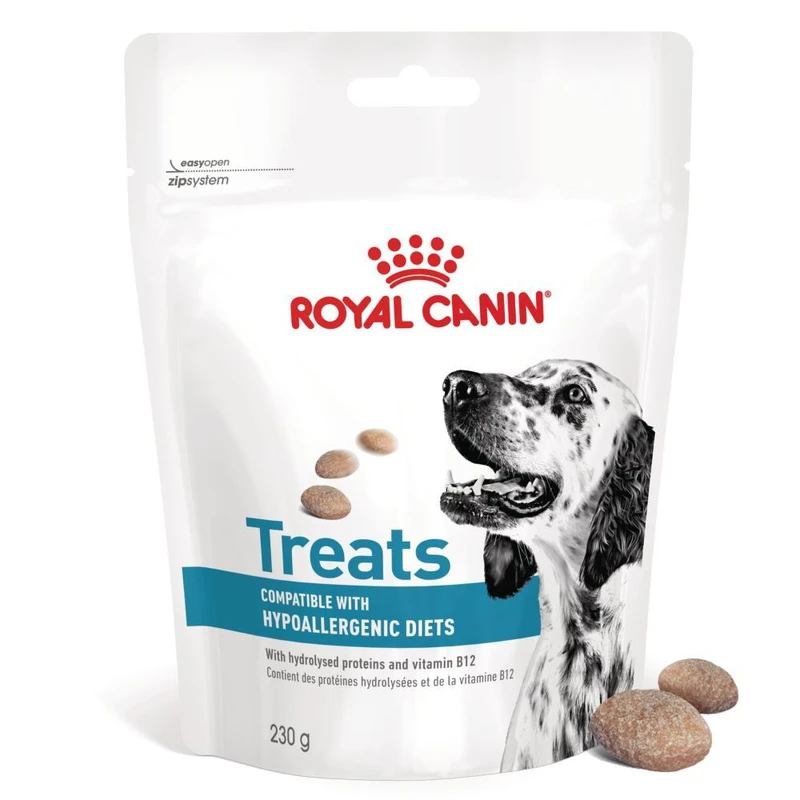
Hydrolyzed protein diets take a different approach by enzymatically breaking down protein molecules into smaller peptides, too minute to be recognized by immune cells. This process reduces the likelihood of an allergic reaction and is particularly useful for pets with severe or multiple protein allergies. Hill’s Prescription Diet and other veterinary brands often formulate hydrolyzed protein diets targeting these complex cases.
Limited ingredient diets focus on minimizing the number of protein and carbohydrate sources to reduce allergen exposure. Typically, these diets contain a single protein source paired with one carbohydrate, such as lamb and rice or salmon and sweet potato. This simplification aids in identifying offending ingredients and reduces the total allergen load.
How Hypoallergenic Pet Food Mitigates Allergic Reactions
Food allergies in pets arise from an abnormal immune response to specific dietary proteins. When the immune system encounters these proteins, it produces antibodies that trigger inflammation, leading to skin and gastrointestinal symptoms. Hypoallergenic diets work by either avoiding these recognized proteins or altering them chemically to prevent immune recognition.
The immune system’s role in food allergies involves sensitization to particular protein epitopes. Novel proteins, being previously unencountered, do not trigger this sensitization. Hydrolyzed proteins, on the other hand, have their epitopes broken down, rendering them invisible to immune cells. Simplified ingredient lists further reduce the risk of cross-reactions and inadvertent allergen exposure.
Beyond immune modulation, hypoallergenic foods often incorporate digestive aids such as pumpkin and beet pulp to support gut health, which is crucial since gastrointestinal integrity influences immune tolerance. omega fatty acids, particularly EPA and DHA, are frequently included to bolster skin barrier function and decrease inflammatory responses, enhancing overall symptom management.
Recognizing When Your Pet Needs Hypoallergenic Food
Signs that a pet may benefit from hypoallergenic food include chronic itching, recurrent ear infections, persistent redness or rash, hair loss, and gastrointestinal issues like vomiting or diarrhea. Distinguishing food allergy symptoms from other causes such as environmental allergies or parasites requires veterinary expertise.
Veterinary diagnosis typically involves elimination diet trials under controlled conditions, often lasting 8 to 12 weeks, to observe symptom resolution. Allergy testing, including serum or intradermal tests, can aid but often lacks the specificity required for food allergens. Therefore, dietary trials remain the gold standard.
Pets with confirmed food allergies generally require lifelong dietary management to maintain quality of life. Trialing hypoallergenic diets under veterinary supervision ensures proper nutritional balance and avoids exacerbating underlying conditions.
Choosing the Right Hypoallergenic Pet Food
Selecting an appropriate hypoallergenic diet involves careful evaluation of ingredient quality, protein source, and the pet’s clinical history. Veterinary consultation is paramount to tailor diet choices, considering factors such as age, breed, health status, and allergy severity.
Pet owners should scrutinize ingredient labels for allergenic components and additive content. Foods free from artificial preservatives, colors, and chemicals reduce the risk of additional irritation. Grain-free options may benefit pets sensitive to carbohydrates, though grain allergies are less common than protein allergies.
Transitioning to hypoallergenic diets requires gradual introduction over 7–10 days to minimize digestive upset. Monitoring for adverse reactions or symptom improvement during this period is essential.
Quality, Nutritional Considerations, and Ingredient Integrity
High-quality hypoallergenic pet foods prioritize digestibility, nutrient balance, and natural ingredient preservation. Avoiding synthetic preservatives like BHA, BHT, and ethoxyquin decreases potential allergenicity and supports sensitive digestive systems.
Inclusion of omega fatty acids from fish oil or flaxseed enhances skin and coat health while exerting anti-inflammatory effects. Fiber sources such as beet pulp and pumpkin contribute to stable gut microbiota and improve stool quality.
Cooking methods impact protein digestibility and allergenicity. Hydrolyzed protein diets are typically produced using enzymatic processes under stringent quality controls. Novel protein diets rely on fresh, minimally processed ingredients to preserve bioavailability.
Leading Veterinary-Recommended Hypoallergenic Pet Food Brands
Several brands have established reputations for hypoallergenic formulations backed by veterinary research and clinical trials. Hill’s Prescription Diet offers both hydrolyzed protein and novel protein options, tailored for pets with diagnosed food allergies. These products undergo rigorous testing to ensure efficacy and safety.
Freshpet provides fresh, preservative-free hypoallergenic foods using limited ingredient recipes with novel proteins, appealing to owners seeking natural alternatives. Lyka, a subscription-based brand, emphasizes personalized formulations incorporating novel proteins and digestive support, guided by veterinary nutritionists.
Such brands balance ingredient innovation with clinical validation, providing effective management tools for pets with food allergies or sensitivities.
| Brand | Diet Type | Protein Source | Key Features | Veterinary Recommendation |
|---|---|---|---|---|
| Hill’s Prescription Diet | Hydrolyzed & Novel Protein | Chicken, lamb, venison (hydrolyzed) | Clinically tested, supports skin & digestion | Widely recommended for diagnosed allergies |
| Freshpet | Limited Ingredient, Novel Protein | Duck, salmon, lamb | Fresh, preservative-free, natural ingredients | Popular for natural diet approach |
| Lyka | Personalized, Novel Protein | Kangaroo, rabbit, fish | Custom formulations, omega fatty acids included | Consults veterinary nutritionists for plans |
Future Directions and Practical Recommendations
Advancements in veterinary nutrition and immunology continue to refine hypoallergenic pet food formulations. Emerging research on the gut microbiome’s role in allergy development suggests potential integration of probiotics and prebiotics in future diets. Precision nutrition, leveraging genetic and immunological profiling, may enable highly individualized dietary plans.
Pet owners should prioritize early recognition of allergy symptoms and seek veterinary evaluation for accurate diagnosis. Implementing hypoallergenic diets under professional supervision maximizes the likelihood of symptom resolution while maintaining nutritional adequacy.
Ongoing monitoring and periodic reassessment help adjust dietary plans as pets age or develop new sensitivities. Collaboration between pet owners, veterinarians, and nutritionists remains foundational to managing food allergies effectively.
FAQ
What is the difference between food allergies and food sensitivities in pets?
Food allergies involve an immune system response to specific proteins, causing symptoms like itching and inflammation. Food sensitivities do not trigger immune responses but may cause digestive upset such as diarrhea or vomiting. Accurate diagnosis often requires veterinary evaluation, including elimination diets.
How do hydrolyzed protein diets reduce allergic reactions?
Hydrolyzed protein diets enzymatically break down proteins into smaller peptides, too small for the immune system to recognize as allergens. This reduces the likelihood of triggering an allergic response, making these diets suitable for pets with multiple or severe protein allergies.
Are grain-free diets always better for pets with allergies?
Not necessarily. While some pets may benefit from grain-free diets, most food allergies in pets are caused by animal proteins rather than grains. Grain-free diets exclude wheat, corn, and soy but do not address protein allergens. veterinary guidance is essential to determine the best diet.
Can homemade diets be effective for pets with food allergies?
Homemade diets can be tailored to avoid allergens but require meticulous formulation to ensure balanced nutrition and hypoallergenic status. Consulting a veterinary nutritionist is crucial to develop safe, effective homemade diets for allergic pets.
How long does it take to see improvement after switching to hypoallergenic pet food?
Improvement typically occurs within 8 to 12 weeks of a strict elimination diet. Immediate reactions may be visible sooner, but full resolution of symptoms requires sustained feeding of the hypoallergenic diet and avoidance of previous allergens.
—
Hypoallergenic pet food represents a critical tool in managing food allergies and sensitivities in dogs and cats. Its strategic use of novel or hydrolyzed proteins, limited ingredients, and preservative-free formulations aims to minimize allergenic exposure and support immune tolerance. Integrating veterinary diagnosis, ongoing monitoring, and nutritional expertise ensures pets receive optimal care tailored to their unique needs, enhancing their health and quality of life.