
Best Hypoallergenic Dog Food for Allergies: Top 2026 Choices
PawVerde.com – Hypoallergenic dog foods in 2026 emphasize limited or novel protein sources such as venison, duck, and hydrolyzed proteins to minimize allergic reactions in dogs. These formulations consistently exclude prevalent allergens like chicken, beef, dairy, wheat, soy, corn, and eggs. Veterinary supervision remains critical, especially through elimination diet trials lasting 8 to 12 weeks, to accurately identify offending allergens and customize feeding regimens that address individual canine sensitivities.
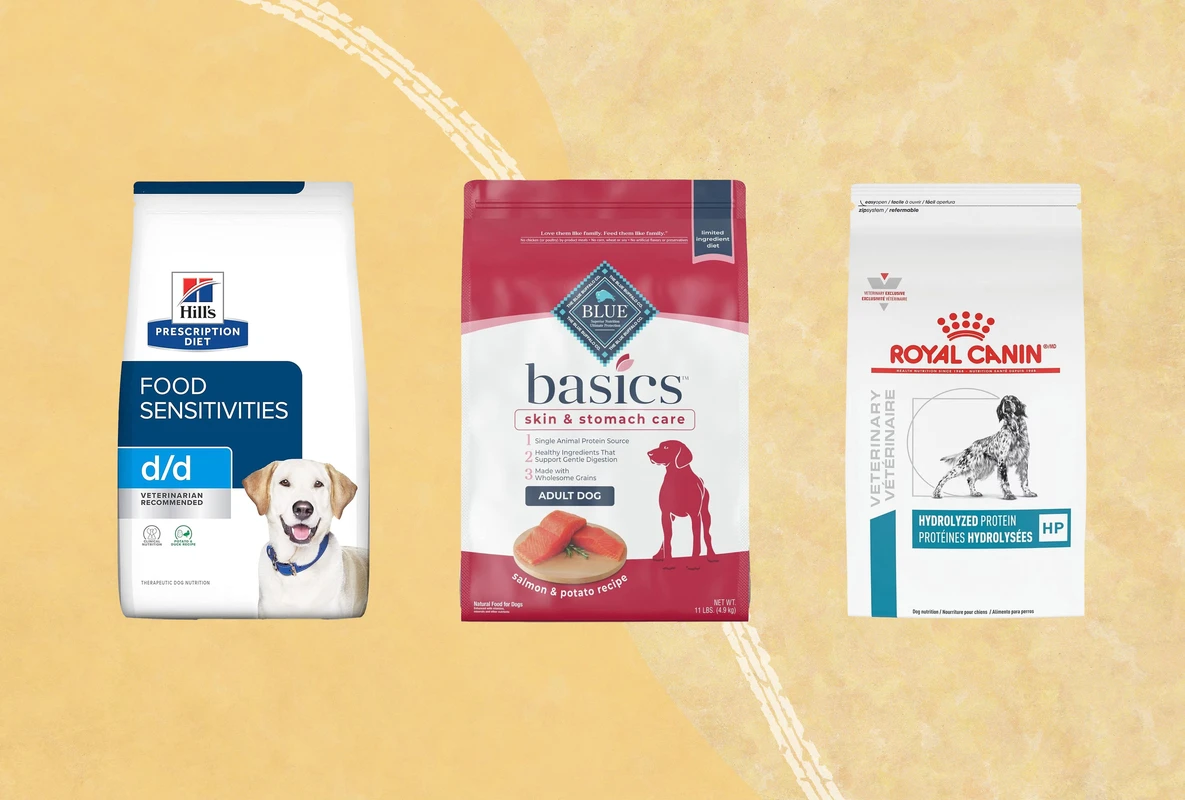
Hypoallergenic diets are increasingly formulated with enriched omega fatty acids and soluble fibers to support skin integrity and digestive health, addressing both the symptoms and underlying causes of food allergies. Leading brands such as JustFoodForDogs and Spot & Tango offer fresh, whole-food limited ingredient meals, while ACANA Singles and Bramble provide dry and plant-based novel protein options, respectively. Prescription formulas from Hill’s, Artemis Osopure, and Dr. Harvey’s continue to be mainstays for controlled clinical management, ensuring strict manufacturing standards to prevent cross-contamination.
Understanding Hypoallergenic Dog Food Formulations
Hypoallergenic dog foods fall broadly into three categories: limited ingredient diets (LID), novel protein diets, and hydrolyzed protein diets. Limited ingredient diets reduce the number of protein and carbohydrate sources to minimize allergen exposure. Novel protein diets introduce uncommon proteins such as venison, duck, salmon, or rabbit, which dogs are less likely to have developed sensitivities against. Hydrolyzed protein diets break down proteins into smaller peptides, reducing the immune system’s ability to recognize and react to them.
Common allergenic ingredients avoided in hypoallergenic formulations include chicken, beef, dairy products, wheat, soy, corn, and eggs, all of which are implicated in a majority of canine food allergies. These allergens trigger immunoglobulin E (IgE)-mediated hypersensitivity or delayed-type hypersensitivity reactions leading to skin inflammation, digestive upset, and chronic itching.
Manufacturing standards vary substantially between prescription and commercial diets. Prescription hypoallergenic diets such as Hill’s Prescription Diet Derm Complete or Dr. Harvey’s Allergy Specialty undergo stringent controls to prevent cross-contamination with allergenic ingredients, verified by organizations like the Association of American Feed Control Officials (AAFCO). Conversely, over-the-counter commercial diets may label themselves “hypoallergenic” without rigorous testing, necessitating cautious evaluation by veterinary nutritionists and pet owners.
Leading Hypoallergenic Dog Food Brands and Products in 2026
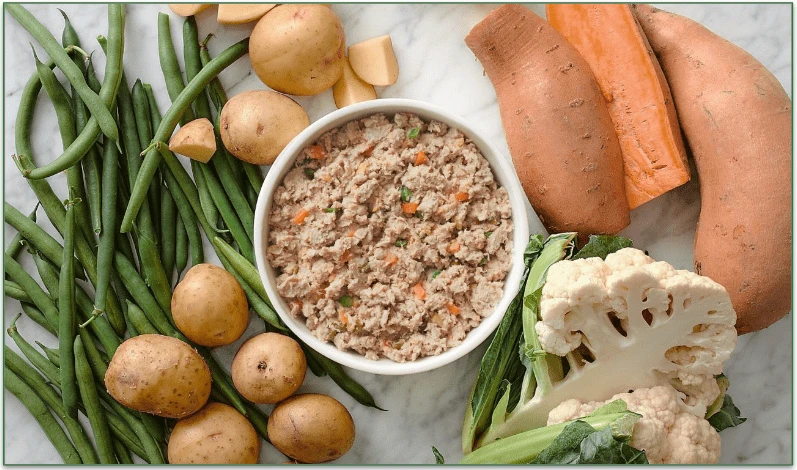
JustFoodForDogs and Spot & Tango have distinguished themselves by offering fresh, whole-food meals with limited, novel ingredients tailored for dogs with allergies. These brands prioritize human-grade ingredient sourcing and transparency in manufacturing, addressing concerns about fillers and artificial additives. Their recipes commonly feature proteins like turkey, duck, or venison combined with wholesome vegetables and grains that have low allergenic potential.
Bramble Hypoallergenic Fresh Dog Food innovates with a plant-based novel protein approach, incorporating ingredients like pea protein and pumpkin to reduce common protein allergens while supporting digestive health through soluble fibers. This aligns with growing interest in environmentally sustainable pet nutrition without compromising allergy management.
For dry food options, ACANA Singles Limited Ingredient Duck & Pear is a popular choice, providing a single animal protein source with limited carbohydrates to support elimination diets. The focus on novel duck protein and grain-free carbohydrates makes it suitable for dogs with multiple sensitivities.
Veterinary prescription diets remain indispensable for complex allergy cases requiring clinical supervision. Hill’s Prescription Diet Derm Complete combines hydrolyzed proteins with omega fatty acids and antioxidants to reduce skin inflammation and improve coat quality. Artemis Osopure and Dr. Harvey’s Allergy Specialty similarly utilize hydrolyzed or novel proteins with added nutrients targeting allergic dermatitis and digestive balance.
Commercial diets like The Farmer’s Dog and Maxbone offer expert-reviewed options with limited ingredients, balancing convenience and allergy management. These brands often incorporate omega-3 and omega-6 fatty acids from fish oils, vital for mitigating skin inflammation and enhancing barrier function.
Diagnostic and Feeding Strategies in Allergy Management
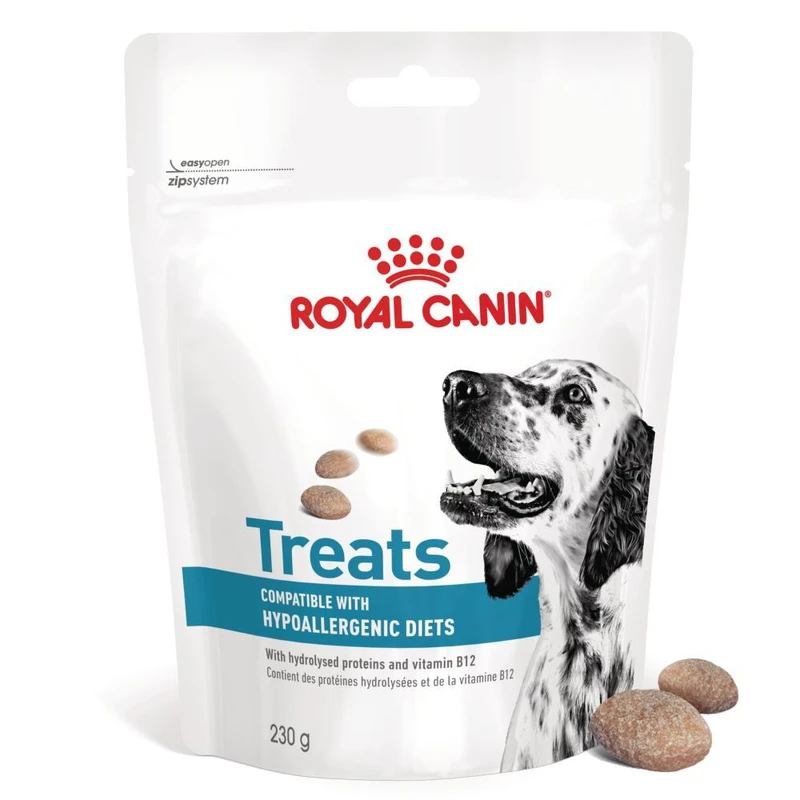
veterinary consultation is paramount for diagnosing and managing food allergies in dogs. Elimination diet trials, typically lasting 8 to 12 weeks, systematically exclude suspected allergens while monitoring for clinical improvement in itching, skin lesions, and gastrointestinal symptoms. This process requires strict adherence to avoid accidental exposure to hidden allergens, including treats and flavored medications.
Symptom tracking during the elimination trial is critical. Owners are advised to record changes in pruritus severity, skin redness, hair loss, stool quality, and overall behavior. After symptom remission, controlled reintroduction of individual ingredients confirms offending allergens.
Transitioning to hypoallergenic diets must be gradual over 7 to 10 days to minimize digestive upset. Starting with small portions mixed with the previous diet and progressively increasing the new food reduces gastrointestinal distress. Portion control based on ideal body weight and activity level ensures nutritional adequacy without exacerbating allergies.
Nutritional Components Supporting Allergy Relief
Beyond allergen exclusion, hypoallergenic diets incorporate nutrients that support skin and digestive health. Omega fatty acids, particularly omega-3s from fish oil and omega-6s from plant oils, have documented anti-inflammatory effects that reduce skin redness and itching. These fatty acids modulate eicosanoid pathways involved in allergic reactions and strengthen the epidermal barrier.
Soluble fibers such as pumpkin and beet pulp promote gut microbiome balance and improve stool consistency. Research indicates that healthy gut flora can influence immune responses, potentially reducing hypersensitivity reactions.
Avoidance of fillers, artificial preservatives, colors, and flavor enhancers is critical, as these additives may provoke adverse reactions or exacerbate inflammation in sensitive dogs. Hypoallergenic diets typically use natural preservatives like tocopherols and exclude common irritants.
Considerations and Limitations in Hypoallergenic Dog Food Selection
The term “hypoallergenic” lacks standardized regulation in the pet food industry, leading to potential misuse on commercial products. A diet labeled hypoallergenic does not guarantee allergen exclusion or clinical efficacy. Cross-contamination during manufacturing remains a risk in non-prescription foods, underscoring the importance of brands with stringent quality control measures.
Personalized dietary planning guided by veterinary nutritionists is essential, as allergic profiles vary widely among dogs. Some require novel protein diets, while others respond only to hydrolyzed formulations. Environmental and flea allergy management must also be integrated, as these commonly coexist with food allergies and impact clinical outcomes.
Clinical experience underscores that elimination diets are the gold standard for diagnosis and management, not commercial claims or ingredient lists alone. Owners must maintain vigilance over long-term symptom monitoring and communicate regularly with veterinary professionals to adjust feeding strategies as needed.
Future Directions and Practical Steps for Pet Owners
Advancements in hypoallergenic dog food formulations in 2026 focus on precision nutrition—customizing diets based on molecular allergen profiles and immunological testing. Integration of novel proteins with sustainable sourcing and enhanced nutrient profiles is reshaping the market landscape.
Pet owners should prioritize veterinary consultation before initiating any hypoallergenic diet and commit to comprehensive elimination trials. Transitioning diets should be carefully managed, emphasizing gradual changes and symptom documentation.
Ongoing research into gut microbiome modulation, omega fatty acid optimization, and allergen detection technologies promises to improve diagnostic accuracy and therapeutic efficacy. Combining dietary management with environmental and flea control provides a holistic approach to alleviating allergic dermatitis and improving canine quality of life.
| Brand/Product | Protein Source | Diet Type | Form | Key Features |
|---|---|---|---|---|
| JustFoodForDogs | Turkey, Duck, Venison | Limited Ingredient | Fresh | Human-grade, whole foods, grain-inclusive/exclusive options |
| Spot & Tango | Turkey, Lamb, Venison | Limited Ingredient | Fresh | Customizable meals, no artificial additives |
| Bramble Hypoallergenic | Plant-based Novel Proteins | Novel Protein | Fresh | Pea protein, pumpkin, fiber-rich, vegan-friendly |
| ACANA Singles Duck & Pear | Duck | Limited Ingredient | Dry | Grain-free, single animal protein |
| Hill’s Prescription Diet Derm Complete | Hydrolyzed Proteins | Hydrolyzed Protein | Dry/Canned | Veterinary prescription, omega fatty acids, antioxidant blend |
| Artemis Osopure | Hydrolyzed Proteins | Hydrolyzed Protein | Dry | Prescription, skin and coat support |
| Dr. Harvey’s Allergy Specialty | Novel Proteins (Rabbit, Venison) | Novel Protein | Dry | Prescription, natural ingredients, limited additives |
| The Farmer’s Dog | Turkey, Beef (limited) | Limited Ingredient | Fresh | Veterinary formulated, omega fatty acids |
| Maxbone | Salmon, Duck | Limited Ingredient | Fresh/Dry | Expert-reviewed, natural preservatives |
FAQ
What is the difference between novel protein and hydrolyzed protein diets for dogs?
Novel protein diets use uncommon protein sources that dogs have not been previously exposed to, reducing the chance of an allergic reaction. Hydrolyzed protein diets break down proteins into smaller components that the immune system is less likely to recognize, making them suitable for dogs with severe allergies or multiple sensitivities.
How long should an elimination diet trial last to diagnose food allergies in dogs?
Elimination diet trials typically last between 8 to 12 weeks under veterinary supervision. This duration allows sufficient time for allergen clearance and symptom improvement. Strict adherence to the diet without exposure to other foods or treats is essential for accurate diagnosis.
Can I feed my dog over-the-counter hypoallergenic dog food without veterinary advice?
While some over-the-counter hypoallergenic diets may help, veterinary consultation is strongly recommended to ensure the diet is appropriate and effective. Many commercial diets labeled “hypoallergenic” lack strict manufacturing controls and may not be suitable for all allergy types.
Are omega fatty acids important in managing dog food allergies?
Yes. Omega-3 and omega-6 fatty acids have anti-inflammatory properties that help reduce skin inflammation and itching associated with food allergies. Including these nutrients supports skin barrier function and overall coat health.
What precautions should I take when transitioning my dog to a hypoallergenic diet?
Transition the diet gradually over 7 to 10 days by mixing increasing amounts of the new food with the current diet. Monitor for any digestive upset or allergic reactions. Ensure no other foods, treats, or flavored medications are given during the transition to maintain diet integrity.
—
Advances in hypoallergenic dog food formulations and veterinary diagnostics in 2026 offer promising avenues for managing canine allergies more effectively. Continued collaboration between pet owners, veterinary nutritionists, and reputable pet food brands is essential to optimize outcomes and enhance the quality of life for dogs with allergies.

What Is Hypoallergenic Food for Pets? Key Benefits Explained
PawVerde.com – hypoallergenic pet food is formulated specifically to reduce the incidence of allergic reactions in pets by excluding common allergens such as chicken, beef, dairy, wheat, and corn. These diets rely on novel protein sources unfamiliar to the pet’s immune system or utilize hydrolyzed proteins broken down into tiny fragments that are less likely to trigger immune responses. The goal is to manage food allergies and sensitivities effectively through careful ingredient selection and simplified formulations, often excluding preservatives and artificial additives that can exacerbate irritation. Veterinary guidance is critical for accurate diagnosis and selecting an appropriate hypoallergenic diet tailored to the individual pet’s needs.
Common Allergens in Pet Food and Their Impact
Proteins such as chicken, beef, dairy, and eggs are among the most frequent causes of food allergies in dogs and cats. These animal-based proteins contain allergenic molecules that some pets’ immune systems mistakenly identify as threats, provoking allergic reactions. Grains like wheat, corn, and soy also contribute to allergic responses and food sensitivities, though less commonly than protein sources. Additionally, preservatives, artificial colors, and chemical additives in commercial pet foods can irritate sensitive pets and worsen allergic symptoms.
Recent veterinary research highlights that food allergies in pets often manifest as dermatological issues, including persistent itching, redness, and recurrent ear infections, or gastrointestinal distress such as vomiting and diarrhea. The distinction between food allergy and food intolerance is critical; allergies involve an immune-mediated response, whereas intolerances typically cause digestive upset without immune activation. Identifying the specific allergens triggering symptoms is essential for effective dietary management.
Hypoallergenic Diet Types: Novel Proteins, Hydrolyzed Proteins, and Limited Ingredients
Hypoallergenic pet foods primarily fall into three categories: novel protein diets, hydrolyzed protein diets, and limited ingredient diets.
Novel protein diets incorporate protein sources that the pet’s immune system has not previously encountered, such as venison, duck, kangaroo, or fish. By introducing unique proteins, these diets aim to bypass the immune sensitization common with standard proteins like chicken or beef. For example, venison-based diets have gained popularity due to their low cross-reactivity with common allergens.
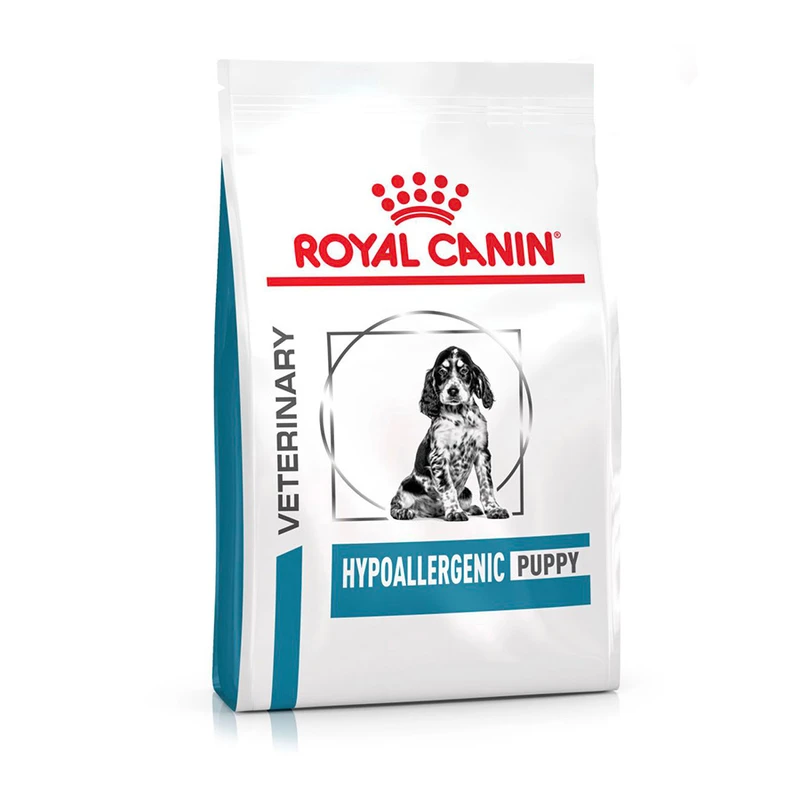
Hydrolyzed protein diets take a different approach by enzymatically breaking down protein molecules into smaller peptides, too minute to be recognized by immune cells. This process reduces the likelihood of an allergic reaction and is particularly useful for pets with severe or multiple protein allergies. Hill’s Prescription Diet and other veterinary brands often formulate hydrolyzed protein diets targeting these complex cases.
Limited ingredient diets focus on minimizing the number of protein and carbohydrate sources to reduce allergen exposure. Typically, these diets contain a single protein source paired with one carbohydrate, such as lamb and rice or salmon and sweet potato. This simplification aids in identifying offending ingredients and reduces the total allergen load.
How Hypoallergenic Pet Food Mitigates Allergic Reactions
Food allergies in pets arise from an abnormal immune response to specific dietary proteins. When the immune system encounters these proteins, it produces antibodies that trigger inflammation, leading to skin and gastrointestinal symptoms. Hypoallergenic diets work by either avoiding these recognized proteins or altering them chemically to prevent immune recognition.
The immune system’s role in food allergies involves sensitization to particular protein epitopes. Novel proteins, being previously unencountered, do not trigger this sensitization. Hydrolyzed proteins, on the other hand, have their epitopes broken down, rendering them invisible to immune cells. Simplified ingredient lists further reduce the risk of cross-reactions and inadvertent allergen exposure.
Beyond immune modulation, hypoallergenic foods often incorporate digestive aids such as pumpkin and beet pulp to support gut health, which is crucial since gastrointestinal integrity influences immune tolerance. omega fatty acids, particularly EPA and DHA, are frequently included to bolster skin barrier function and decrease inflammatory responses, enhancing overall symptom management.
Recognizing When Your Pet Needs Hypoallergenic Food
Signs that a pet may benefit from hypoallergenic food include chronic itching, recurrent ear infections, persistent redness or rash, hair loss, and gastrointestinal issues like vomiting or diarrhea. Distinguishing food allergy symptoms from other causes such as environmental allergies or parasites requires veterinary expertise.
Veterinary diagnosis typically involves elimination diet trials under controlled conditions, often lasting 8 to 12 weeks, to observe symptom resolution. Allergy testing, including serum or intradermal tests, can aid but often lacks the specificity required for food allergens. Therefore, dietary trials remain the gold standard.
Pets with confirmed food allergies generally require lifelong dietary management to maintain quality of life. Trialing hypoallergenic diets under veterinary supervision ensures proper nutritional balance and avoids exacerbating underlying conditions.
Choosing the Right Hypoallergenic Pet Food
Selecting an appropriate hypoallergenic diet involves careful evaluation of ingredient quality, protein source, and the pet’s clinical history. Veterinary consultation is paramount to tailor diet choices, considering factors such as age, breed, health status, and allergy severity.
Pet owners should scrutinize ingredient labels for allergenic components and additive content. Foods free from artificial preservatives, colors, and chemicals reduce the risk of additional irritation. Grain-free options may benefit pets sensitive to carbohydrates, though grain allergies are less common than protein allergies.
Transitioning to hypoallergenic diets requires gradual introduction over 7–10 days to minimize digestive upset. Monitoring for adverse reactions or symptom improvement during this period is essential.
Quality, Nutritional Considerations, and Ingredient Integrity
High-quality hypoallergenic pet foods prioritize digestibility, nutrient balance, and natural ingredient preservation. Avoiding synthetic preservatives like BHA, BHT, and ethoxyquin decreases potential allergenicity and supports sensitive digestive systems.
Inclusion of omega fatty acids from fish oil or flaxseed enhances skin and coat health while exerting anti-inflammatory effects. Fiber sources such as beet pulp and pumpkin contribute to stable gut microbiota and improve stool quality.
Cooking methods impact protein digestibility and allergenicity. Hydrolyzed protein diets are typically produced using enzymatic processes under stringent quality controls. Novel protein diets rely on fresh, minimally processed ingredients to preserve bioavailability.
Leading Veterinary-Recommended Hypoallergenic Pet Food Brands
Several brands have established reputations for hypoallergenic formulations backed by veterinary research and clinical trials. Hill’s Prescription Diet offers both hydrolyzed protein and novel protein options, tailored for pets with diagnosed food allergies. These products undergo rigorous testing to ensure efficacy and safety.
Freshpet provides fresh, preservative-free hypoallergenic foods using limited ingredient recipes with novel proteins, appealing to owners seeking natural alternatives. Lyka, a subscription-based brand, emphasizes personalized formulations incorporating novel proteins and digestive support, guided by veterinary nutritionists.
Such brands balance ingredient innovation with clinical validation, providing effective management tools for pets with food allergies or sensitivities.
| Brand | Diet Type | Protein Source | Key Features | Veterinary Recommendation |
|---|---|---|---|---|
| Hill’s Prescription Diet | Hydrolyzed & Novel Protein | Chicken, lamb, venison (hydrolyzed) | Clinically tested, supports skin & digestion | Widely recommended for diagnosed allergies |
| Freshpet | Limited Ingredient, Novel Protein | Duck, salmon, lamb | Fresh, preservative-free, natural ingredients | Popular for natural diet approach |
| Lyka | Personalized, Novel Protein | Kangaroo, rabbit, fish | Custom formulations, omega fatty acids included | Consults veterinary nutritionists for plans |
Future Directions and Practical Recommendations
Advancements in veterinary nutrition and immunology continue to refine hypoallergenic pet food formulations. Emerging research on the gut microbiome’s role in allergy development suggests potential integration of probiotics and prebiotics in future diets. Precision nutrition, leveraging genetic and immunological profiling, may enable highly individualized dietary plans.
Pet owners should prioritize early recognition of allergy symptoms and seek veterinary evaluation for accurate diagnosis. Implementing hypoallergenic diets under professional supervision maximizes the likelihood of symptom resolution while maintaining nutritional adequacy.
Ongoing monitoring and periodic reassessment help adjust dietary plans as pets age or develop new sensitivities. Collaboration between pet owners, veterinarians, and nutritionists remains foundational to managing food allergies effectively.
FAQ
What is the difference between food allergies and food sensitivities in pets?
Food allergies involve an immune system response to specific proteins, causing symptoms like itching and inflammation. Food sensitivities do not trigger immune responses but may cause digestive upset such as diarrhea or vomiting. Accurate diagnosis often requires veterinary evaluation, including elimination diets.
How do hydrolyzed protein diets reduce allergic reactions?
Hydrolyzed protein diets enzymatically break down proteins into smaller peptides, too small for the immune system to recognize as allergens. This reduces the likelihood of triggering an allergic response, making these diets suitable for pets with multiple or severe protein allergies.
Are grain-free diets always better for pets with allergies?
Not necessarily. While some pets may benefit from grain-free diets, most food allergies in pets are caused by animal proteins rather than grains. Grain-free diets exclude wheat, corn, and soy but do not address protein allergens. veterinary guidance is essential to determine the best diet.
Can homemade diets be effective for pets with food allergies?
Homemade diets can be tailored to avoid allergens but require meticulous formulation to ensure balanced nutrition and hypoallergenic status. Consulting a veterinary nutritionist is crucial to develop safe, effective homemade diets for allergic pets.
How long does it take to see improvement after switching to hypoallergenic pet food?
Improvement typically occurs within 8 to 12 weeks of a strict elimination diet. Immediate reactions may be visible sooner, but full resolution of symptoms requires sustained feeding of the hypoallergenic diet and avoidance of previous allergens.
—
Hypoallergenic pet food represents a critical tool in managing food allergies and sensitivities in dogs and cats. Its strategic use of novel or hydrolyzed proteins, limited ingredients, and preservative-free formulations aims to minimize allergenic exposure and support immune tolerance. Integrating veterinary diagnosis, ongoing monitoring, and nutritional expertise ensures pets receive optimal care tailored to their unique needs, enhancing their health and quality of life.