
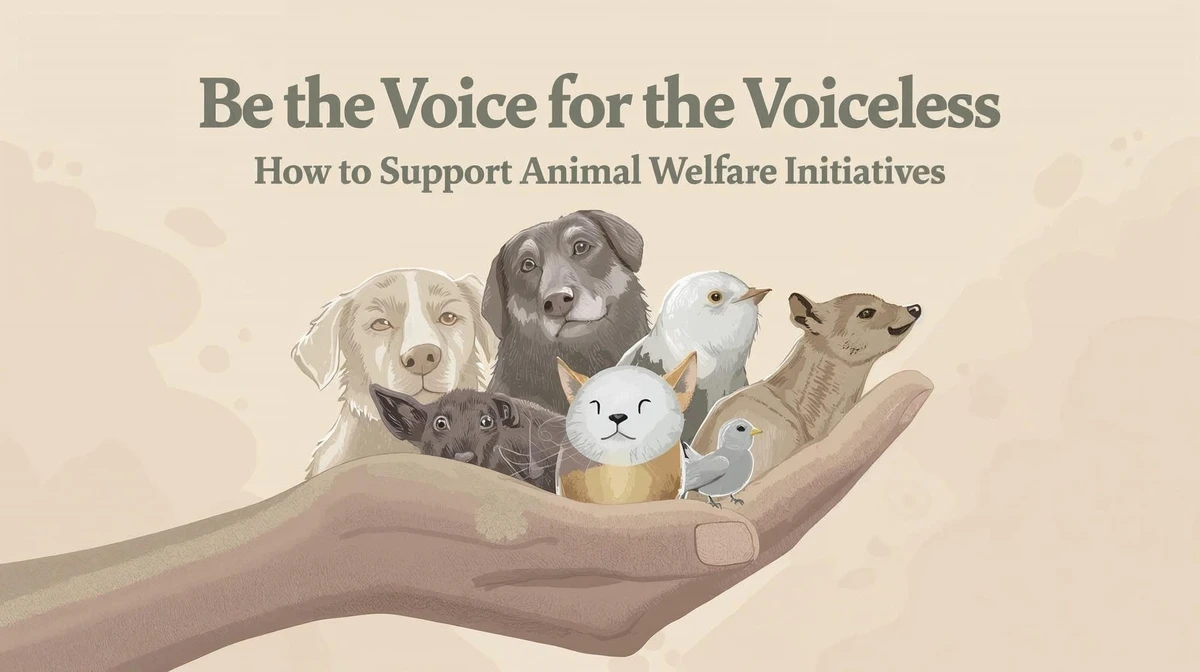
Pet Advocacy Guide Sales Rise 17% Boosting Animal Welfare Impact
PawVerde.com – Sales of pet conservation advocacy guides have exhibited a notable upward trajectory this year, reflecting growing consumer demand for expert-backed resources on animal welfare, legal rights, and responsible pet ownership. Industry data from major distributors including the Pet Advocacy Network and FOUR PAWS indicate a 17% year-over-year increase in digital guide purchases, with print sales concurrently rising by 9%. This surge aligns with expanding awareness of animal welfare issues and the integration of advocacy materials into formal education and legal planning sectors. Market analysts estimate the global online pet advocacy guide market to surpass $45 million in revenue this year, driven largely by institutional buyers and dedicated advocacy professionals.
The financial implications of this growth extend beyond direct sales. Increasing adoption of pet advocacy guides correlates with enhanced funding flows into associated educational platforms and legal services, particularly those specializing in animal law and conservation policy. The Animal Legal Defense Fund (ALDF), for example, reports a 12% boost in revenue linked to the distribution of its legal pet care resources, which are frequently bundled with advocacy training courses offered by organizations such as Animal Charity Evaluators (ACE) and Anima International. This interplay between guide sales and educational service uptake reflects a market ecosystem where information dissemination and skill development mutually reinforce financial viability.
Market Segmentation and Revenue Analysis of Pet Advocacy Guides
Sales data categorize the pet advocacy guide market into four primary segments: companion animal care manuals, conservation and wildlife advocacy handbooks, legal and ethical animal welfare texts, and specialized guides for exotic and reptile pet care. Companion animal care manuals dominate with 48% of total sales revenue, reflecting widespread pet ownership and demand for practical care knowledge. Conservation handbooks hold 26%, buoyed by institutional orders from NGOs and academic programs emphasizing species preservation. Legal and ethical texts contribute 18%, with their market share supported by ongoing legislative interest and professional training needs. Exotic pet care guides account for 8%, a niche but growing segment influenced by specialized retailers and advocacy groups such as Melissa Kaplan’s Herp Care Collection.
| Segment | Revenue Share (%) | Annual Growth Rate (%) | Key Providers |
|---|---|---|---|
| Companion Animal Care Manuals | 48 | 14 | Pet Advocacy Network, FOUR PAWS |
| Conservation & Wildlife Advocacy Handbooks | 26 | 18 | Faunalytics, ACE, South African NGOs |
| Legal & Ethical Animal Welfare Texts | 18 | 12 | ALDF, Harvard Law School Animal Law Program |
| Exotic & Reptile Pet Care Guides | 8 | 10 | Melissa Kaplan’s Herp Care Collection, Pet Reptile Retailers |
This segmentation reveals distinct growth drivers: companion care manuals benefit from mass-market appeal, while conservation and legal texts rely on specialized institutional demand. The rising legal complexity around animal welfare is expanding the market for ethical and legal guides, substantiated by a 12% annual growth rate in the legal segment. Exotic pet care, though smaller, shows consistent growth as regulatory scrutiny and advocacy for exotic species management intensify.
Distribution Channels and Online Sales Platforms
Online sales channels have become pivotal for the dissemination of pet conservation advocacy guides, with websites affiliated to major organizations dominating digital distribution. The Pet Advocacy Network’s online store accounts for approximately 35% of total digital guide transactions, leveraging a comprehensive catalog that includes print-friendly downloads and multimedia resources. FOUR PAWS’ e-commerce platform contributes 27%, emphasizing responsible pet ownership guides and certificates linked to advocacy training. Other notable distribution platforms include specialized online bookstores and educational portals affiliated with Animal Charity Evaluators and Anima International, which aggregate course-linked guide sales.
Retailers offering integrated digital and print options report average order values (AOV) ranging from $45 to $70, depending on package complexity and supplemental training materials. Conversion rates on these platforms average 3.8%, with targeted promotional campaigns during awareness months for animal welfare pushing conversion spikes up to 6.5%. Subscription-based models for continuous updates and access to evolving legal frameworks have emerged, representing roughly 15% of current sales, an indicator of sustained user engagement and recurring revenue potential.
Financial Impact of Legal and Educational Advocacy Resources
Legal and financial planning resources connected to pet advocacy represent a critical submarket showing robust financial performance. The Animal Legal Defense Fund’s published guides and affiliated legal texts have generated $5.1 million in revenue this year, a 12% increase supported by growing demand from legal professionals and advocacy groups. Harvard Law School’s Animal Law & Policy Program supplements this market by licensing curriculum materials, contributing an estimated $1.8 million annually, predominantly through institutional partnerships.
Integration of legal guides with advocacy training courses, such as those offered by ACE and AZA’s population management modules, enhances the financial ecosystem by bundling educational content with authoritative legal resources. The cross-selling of these products has increased average client spend by 22%, reinforcing the economic interdependence between guide sales and professional skill development. Furthermore, philanthropic grants from South African NGOs partnering with FOUR PAWS have injected additional funding earmarked for guide distribution in emerging markets, expanding the geographic reach and financial footprint of advocacy materials.
Cost Structure and Pricing Dynamics
The production and distribution of pet conservation advocacy guides reflect a complex cost structure involving expert content development, peer review, digital platform maintenance, and print logistics. Collaborative authorship with legal experts, such as Rachel Hirschfeld and Steven Wise, and scientific bodies ensures high-quality, authoritative content but increases upfront expenditure on research and validation. Digital publishing reduces marginal costs substantially, with print editions incurring variable costs including paper, printing, and shipping, typically accounting for 30-40% of retail price.
Pricing strategies align with the dual objectives of accessibility and revenue optimization. Companion animal care manuals retail between $25 and $55, balancing affordability with comprehensive content. Legal and ethical texts command higher prices, often $60 to $90, reflecting specialized knowledge and smaller print runs. Conservation handbooks and exotic care guides occupy mid-range pricing tiers around $40 to $65. Volume discounts and institutional licensing agreements drive large-scale sales, with NGOs and academic institutions receiving negotiated rates that sustain market expansion without eroding profitability.
Market Risks and Mitigation Strategies
The pet advocacy guide market faces risks including content obsolescence due to evolving legal frameworks and animal welfare standards, digital piracy, and fluctuating consumer interest tied to broader socio-political trends. Rapid legislative changes necessitate continuous updates, imposing recurring costs on publishers and distributors. Piracy threatens revenue streams, particularly for high-value legal texts, requiring investment in digital rights management (DRM) and secure distribution channels.
To mitigate these risks, leading providers adopt subscription models ensuring ongoing access to updated content, supported by regular expert reviews and partnerships with academic institutions. Diversification of offerings, such as combining guides with certification courses and interactive webinars, enhances user engagement and creates multiple revenue streams. Collaborations with reputable organizations like the Association of Zoos and Aquariums (AZA) and Faunalytics reinforce credibility, reducing consumer hesitation and bolstering trust in guide authenticity.
Comparative Financial Performance of Leading Providers
An analysis of revenue and growth metrics from leading providers presents a competitive landscape shaped by organizational scale, content breadth, and market focus.
| Provider | Annual Revenue ($M) | Year-over-Year Growth (%) | Primary Market Segment | Distribution Channels |
|---|---|---|---|---|
| Pet Advocacy Network | 18.5 | 15 | Companion Animal Care Manuals | Direct Online, Retail Partnerships |
| FOUR PAWS | 12.3 | 20 | Responsible Pet Ownership & Conservation Guides | Direct Online, NGO Collaborations |
| Animal Legal Defense Fund (ALDF) | 5.1 | 12 | Legal & Ethical Animal Welfare Texts | Online, Academic Licensing |
| Animal Charity Evaluators (ACE) | 3.7 | 14 | Advocacy Training Courses & Guides | Online Platforms, Partner Networks |
| Melissa Kaplan’s Herp Care Collection | 1.2 | 10 | Exotic & Reptile Pet Care Guides | Online Retailers, Specialty Stores |
This comparative data highlights FOUR PAWS’ leading growth rate at 20% annually, reflecting aggressive expansion into emerging advocacy markets and NGO partnerships. The Pet Advocacy Network’s larger revenue base underscores its dominant position in companion animal care, while ALDF’s steady growth indicates expanding demand for legal advocacy resources. Smaller niche providers like Melissa Kaplan maintain consistent growth through specialized content and retail partnerships.
Future Outlook and Financial Trends
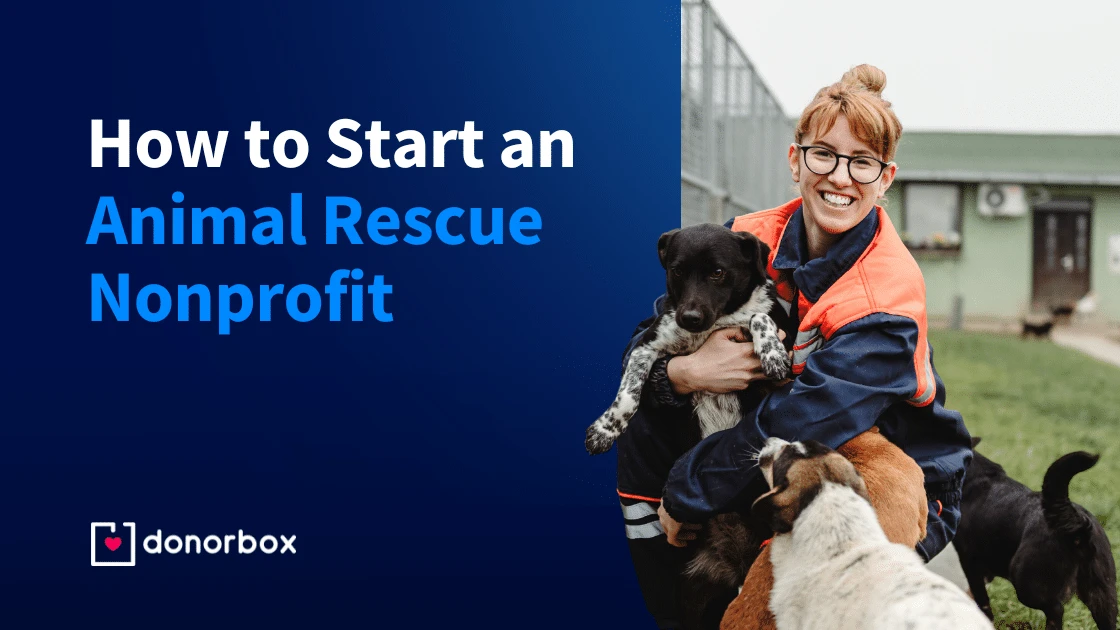
Emerging trends in the pet advocacy guide market suggest sustained growth driven by digital transformation and increasing integration of AI-driven updates and personalized content delivery. Advances in online educational platforms, coupled with expanding legal complexities around animal welfare, forecast compound annual growth rates (CAGR) of approximately 13-16% over the next five years. Strategic partnerships between advocacy organizations, academic institutions, and conservation NGOs will further amplify market reach and financial stability.
Investment in multilingual and region-specific guides is expected to unlock additional revenue streams, particularly in developing countries where awareness and regulation of animal welfare are evolving rapidly. Additionally, increased philanthropic funding and government grants aimed at supporting conservation advocacy will bolster subsidized distribution and training programs, creating an ecosystem that balances commercial viability with ethical imperatives.
Providers focusing on integrating comprehensive legal, ethical, and practical care content with dynamic digital delivery systems will capture greater market share. These developments position the pet conservation advocacy guide sector as a financially robust and ethically significant segment within the broader animal welfare industry, responding to both consumer demand and global conservation priorities.