
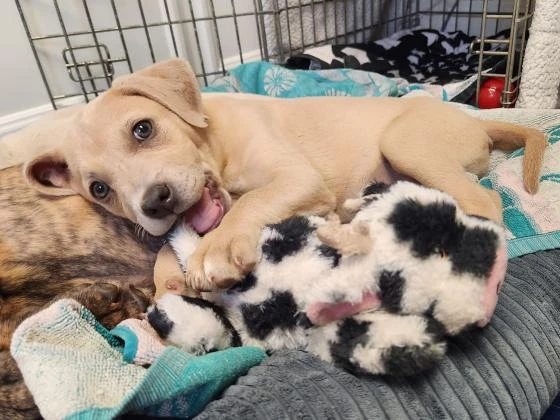
PawVerde.com – Pet adoption stands as a pivotal practice that directly supports responsible communities by reducing euthanasia rates, enforcing essential health protocols such as spaying/neutering and vaccinations, and fostering stronger social connections among residents. This multifaceted approach not only saves countless animal lives but also enhances community welfare, promotes ethical pet ownership, and drives economic benefits through sustainable pet care practices.
Adoption initiatives orchestrated by animal shelters and rescue organizations, including the Longmont Humane Society and Best Friends Animal Society, exemplify the integration of animal welfare principles with community development. These programs emphasize comprehensive veterinary care, rehabilitation, and educational outreach, thereby aligning pet ownership with public health and social responsibility goals.
Reducing Euthanasia and Saving Lives Through Adoption
animal shelters across the United States face persistent challenges with overcrowding, leading to high euthanasia rates, particularly among unadopted stray and surrendered animals. Pet adoption plays a critical role in mitigating this issue by freeing shelter capacity and providing rescued pets with permanent homes. According to data from Best Friends Animal Society, communities with robust adoption programs have witnessed euthanasia reductions exceeding 50% in recent years, illustrating the direct impact of adoption on saving animal lives.
Shelters implement strict health protocols requiring all adopted pets to undergo spaying or neutering and receive up-to-date vaccinations before transitioning to new owners. These measures serve as preventive strategies that curb pet overpopulation and reduce the spread of infectious diseases within both animal and human populations. For example, the Longmont Humane Society mandates spay/neuter surgeries and rabies vaccinations as part of its adoption agreement, ensuring that new pet owners contribute to community health standards.
Collaboration between shelters and local rescue groups enhances these efforts by facilitating transfers of animals from high-intake facilities to organizations with greater capacity or specialized rehabilitation programs. This networked approach optimizes resource allocation, reduces shelter burden, and increases the likelihood of successful adoptions.
Promoting Responsible Pet Ownership Through Adoption Processes
The adoption process itself is designed to cultivate responsible ownership by incorporating rigorous application procedures, home environment assessments, and suitability evaluations. Animal welfare organizations prioritize matching pets with owners whose lifestyles and capabilities align with the animal’s needs, thereby reducing risks of future abandonment or neglect.
Health protocols extend beyond spaying/neutering and vaccinations to include microchipping, behavioral evaluations, and veterinary wellness checks. These protocols set a standard of care that adopted pet owners are expected to maintain, supported by educational resources provided by shelters and rescue groups. For instance, foster programs often serve as transitional phases where pets receive behavioral training and medical care, while prospective owners receive guidance on long-term pet management.
Shelters actively engage adopters through post-adoption support services such as veterinary referral networks, training workshops, and community pet welfare programs. These initiatives help sustain responsible ownership, ensuring pets remain healthy and integrated within their communities.
Social and Community Benefits of Pet Adoption
Beyond the direct welfare of animals, pet adoption fosters significant social and community advantages. Companion animals act as catalysts for social interaction, encouraging neighborhood cohesion and mutual support networks. Studies have demonstrated that pet owners experience increased opportunities for socialization, which can reduce feelings of isolation and improve mental health outcomes.
Rescued pets often bring unique stories that inspire community advocacy and volunteerism. Adoption narratives shared by organizations like Best Friends Animal Society highlight how individuals and families become more engaged in local animal welfare efforts, promoting a culture of compassion and civic responsibility.
Moreover, companion animals contribute positively to mental health, providing emotional support and reducing stress levels. This aspect is particularly evident in vulnerable populations such as the elderly or individuals experiencing social anxiety, where pet adoption serves as a therapeutic intervention.
Economic and Ethical Impacts of Supporting Animal Welfare Through Adoption
Redirecting consumer focus from commercial breeders and pet stores to animal shelters shifts economic resources toward ethical and sustainable pet care models. Adoption alleviates demand for puppy mills and unethical breeding operations by offering viable alternatives that prioritize animal health and welfare.
Non-profit animal welfare organizations rely on community support and adoption fees to fund shelter operations, veterinary care, and outreach programs. This economic cycle reinforces local job creation in veterinary services, pet care industries, and shelter staffing, contributing to broader community growth.
Ethically, adoption embodies a responsible choice that aligns with societal values of animal rights and humane treatment. By choosing adoption, pet owners participate in a system that upholds transparency, accountability, and care standards, fostering trust within the community.
The Role of Fostering and Rehabilitation in Enhancing Adoption Outcomes
Fostering programs serve as critical pathways that prepare rescued animals for permanent adoption. Temporary homes offer a controlled environment for behavioral assessment, socialization, and medical rehabilitation, increasing the adoptability of shelter pets.
Rehabilitation efforts address issues such as trauma, aggression, or health complications, which might otherwise limit a pet’s chances of adoption. Animal welfare organizations deploy professional trainers, veterinary specialists, and volunteers to implement individualized care plans that maximize recovery outcomes.
Fostering also engages community members directly, creating networks of advocates and educators who promote responsible pet ownership. This involvement often leads to higher adoption rates, reduced shelter overcrowding, and stronger community ties centered around animal welfare.
FAQ
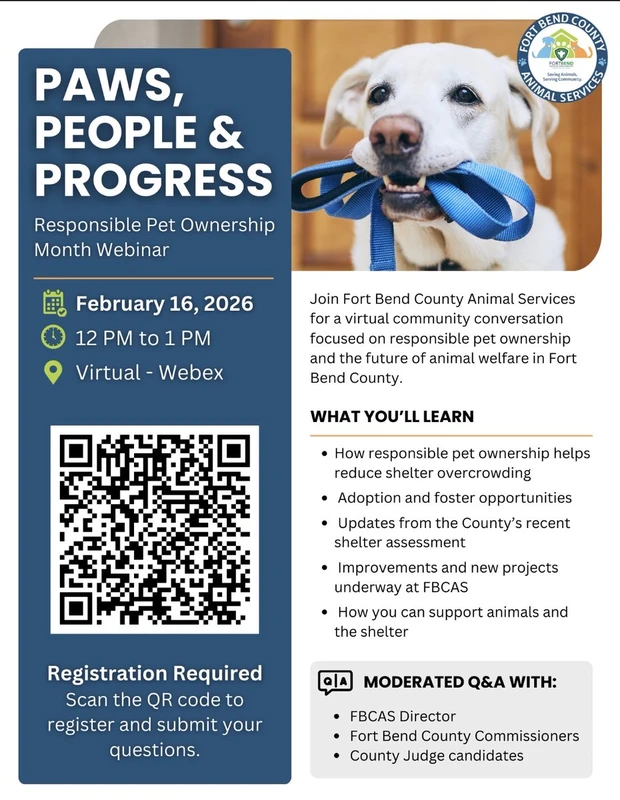
How does pet adoption reduce euthanasia rates in shelters?
Adoption decreases euthanasia by creating permanent homes for sheltered animals, freeing shelter space for new intakes, and reducing overcrowding. Shelters with active adoption programs report significant declines in euthanasia, supported by spaying/neutering requirements that prevent further overpopulation.
What responsibilities do adopters have regarding pet health and care?
Adopters are required to ensure pets receive vaccinations, spaying/neutering, microchipping, and regular veterinary care. Shelters provide education and support to help owners maintain these responsibilities, promoting long-term animal health and community safety.
In what ways does adopting a pet benefit community social dynamics?
Pets encourage social interaction among neighbors, reduce social isolation, and promote community engagement through advocacy and volunteerism. These social benefits extend to improved mental health and stronger neighborhood bonds.
Why is fostering important in the pet adoption process?
Fostering provides temporary care that allows pets to recover from medical or behavioral issues, prepares them for permanent homes, and reduces shelter overcrowding. It also educates foster families and communities about responsible pet care.
How does pet adoption impact the local economy and ethical standards?
Adoption supports ethical pet care by directing funds to shelters and rescue organizations rather than commercial breeders. This sustains local jobs in veterinary and animal welfare sectors and promotes humane treatment standards.
Pet adoption remains a cornerstone of responsible community development by integrating animal welfare with public health, ethical standards, and social cohesion. As adoption programs continue to evolve, fostering and rehabilitation efforts will play increasingly vital roles in enhancing outcomes for rescued pets and their new families. Communities benefit not only from the preservation of animal lives but also from the strengthened social fabric and economic vitality generated through compassionate pet ownership. Prospective adopters are encouraged to engage with local shelters and rescue groups to contribute meaningfully to this transformative process.