
Eco-Friendly Pet Waste Disposal: Avoiding the Microplastic Trap
PawVerde.com – Eco-friendly pet waste disposal involves choosing methods that prevent nitrogen and phosphorus from polluting water sources and minimize plastic waste. Effective strategies include using certified compostable bags (not just biodegradable), utilizing municipal sewage via flushing, or employing specialized in-ground digester systems that use enzymes to neutralize waste.
With an estimated 900 million dogs worldwide, the sheer volume of pet waste is a significant, yet preventable, water pollutant, as noted by Hall.
The Microplastic Trap: Oxo-degradable vs. True Biopolymers
A common failure mode for eco-conscious owners is purchasing bags labeled “oxo-biodegradable” under the impression they are environmentally safe. Nina Woof reports that oxo-biodegradable bags actually contribute to environmental pollution because they release microplastics during their decomposition process. These tiny particles persist in the soil and water long after the bag appears to have vanished. In contrast, RemieDog notes that compostable bags are made from plant-based materials rather than petroleum, ensuring they do not leave behind these toxic residues.
Reading the Fine Print: Certifications to Trust
To select a sustainable product, distinguish between material behaviors. Focus on these specific classifications:
- Compostable: Certified to break down into natural, non-toxic materials within specific timeframes.
- Biodegradable: A vague term that may still involve long-term fragmentation into microplastics.
- Oxo-biodegradable: A petroleum-based product designed to fragment, often resulting in microplastic pollution.
Even if a bag ends up in a landfill, RemieDog points out that compostable options remain superior to traditional plastic because they utilize plant-based sources and avoid the microplastic issue. This is a counterintuitive reality for many who assume “landfill” and “compostable” are mutually exclusive terms in terms of material benefit.
Disposal Decision Matrix: Choosing a Method for Your Living Situation
Effective disposal depends on whether you have access to a municipal sewer or manage a private property. The following matrix outlines how different methods interact with local infrastructure.
| Method | Infrastructure Required | Primary Benefit | Potential Risk |
|---|---|---|---|
| Flushing | Municipal Sewer | High neutralization rate | Septic system damage |
| Bagging & Trashing | Municipal Trash | Simplicity | Methane production |
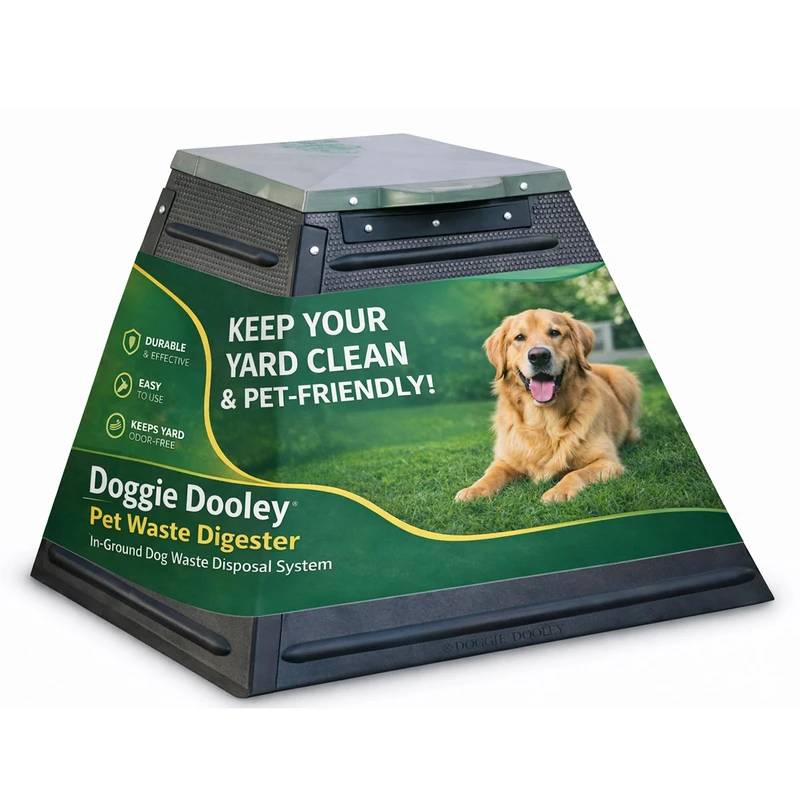
| In-ground Digester | Private Land | On-site neutralization | Installation cost |
| Composting | Managed Facility | Circular nutrient return | Pathogen risk |
The table above provides a high-level overview of how different disposal techniques align with various living environments. Selecting a method requires balancing convenience with the technical limitations of your waste management system.
Apartment Dwellers: Flushing and Municipal Sewers
For those living in high-density housing, flushing is often the most efficient route. According to PoopBags, flushing is an excellent disposal method because modern wastewater treatment plants are equipped to handle and neutralize pet feces. This prevents waste from sitting in landfills where it can contribute to greenhouse gas emissions.
Suburban Homeowners: Septic vs. Municipal Sewer Risks
Homeowners with private septic systems must exercise extreme caution. The Penn State Extension warns that improper disposal, such as flushing kitty litter, can cause significant septic system failure. While municipal sewers can handle pet waste, private septic tanks have limited capacity and specific biological requirements that can be disrupted by excessive waste volume.
Rural Property Owners: Managing Watershed Impact
In rural settings, the USDA Natural Resources Conservation Service (NRCS) highlights the utility of in-ground digester systems. These systems act like miniature septic tanks, utilizing enzymes and bacteria to convert dog waste into a harmless, ground-absorbed liquid. This method is particularly effective for protecting local watersheds from the nitrogen and phosphorus runoff that can deplete oxygen levels necessary for aquatic life.
The Environmental Cost of a Lifetime of Poop
The cumulative impact of pet ownership is often underestimated by the average consumer. Leashless Lab calculates that a single dog can consume 1,095 plastic bags per year. Over a lifetime, this adds up to approximately 7,000 bags per dog.
The environmental consequences of this waste extend beyond plastic consumption. When pet waste is sent to a landfill, it is buried in anaerobic conditions where it decomposes extremely slowly. The Enviro Pet Waste Network (EPWN) notes that this process creates methane, a harmful greenhouse gas. Furthermore, the USDA reports that dog waste contains nitrogen and phosphorus, which can deplete the oxygen that fish and other water-based life need to survive if these nutrients leach into water sources.
Technical Specs: What Makes a High-Quality Eco-Bag?
Quality eco-friendly pet waste bags should have a minimum thickness of 15-20 microns to prevent leaks and premature degradation. This thickness is critical for ensuring the bag remains intact during the collection and transport process.
When evaluating products, consumers should look for specific material compositions and breakdown timelines. RemieDog indicates that high-quality compostable bags typically follow a breakdown timeframe of 90–180 days in managed environments. To ensure durability, avoid bags that feel overly thin or brittle, as these are prone to failure during use. As PoopBags notes, prioritizing plant-based materials like cornstarch or sugarcane over petroleum-based plastics is essential for reducing the overall carbon footprint of your pet care routine.
Critical Pitfalls: When ‘Eco-Friendly’ Goes Wrong
Environmental harm occurs when users ignore the technical requirements of their waste stream, such as the risk of contaminating recycling systems. As noted by PMC, biodegradable plastics must never be discarded with recyclable plastics, as they can ruin entire batches of polymers.
The Pathogen Paradox in Home Composting
While the idea of a circular nutrient cycle is appealing, PetMD warns that at-home composting methods are generally not strong enough to kill all the pathogens found in dog poop. This creates a significant health risk if the resulting compost is used in gardens. For those seeking to compost, it is safer to use specialized pet waste composting systems designed to reach the necessary thermal thresholds.
Contaminating the Recycling Stream
Another significant pitfall involves the improper sorting of materials. Research cited by PMC emphasizes that biodegradable plastics cannot be discarded together with recyclable plastics. If these materials enter the standard recycling stream, they can contaminate entire batches of recyclable polymers, rendering them useless and increasing overall waste.
The Cat Waste Blind Spot
While much of the conversation focuses on dogs, the impact of feline waste is equally substantial. The Enviro Pet Waste Network (EPWN) estimates there are 700 million cats worldwide, representing a massive, often overlooked source of waste. Similar to dog waste, cat waste contributes to nutrient loading in water systems. Additionally, the Penn State Extension highlights that the disposal of kitty litter poses specific risks to septic systems, making it vital for cat owners to choose disposal methods that align with their local infrastructure.
FAQ
Is it safe to flush dog poop?
Flushing is an excellent method as modern wastewater plants can neutralize feces, but avoid flushing kitty litter which can damage septic systems (PoopBags; Penn State Extension).
Can I compost my dog’s waste in my backyard?
PetMD advises against this practice because standard backyard piles lack the strength to kill the dangerous pathogens present in dog waste.
What is the difference between biodegradable and compostable?
Compostable bags are certified to break down into natural materials, while biodegradable bags may simply fragment into microplastics (RemieDog; Nina Woof).