
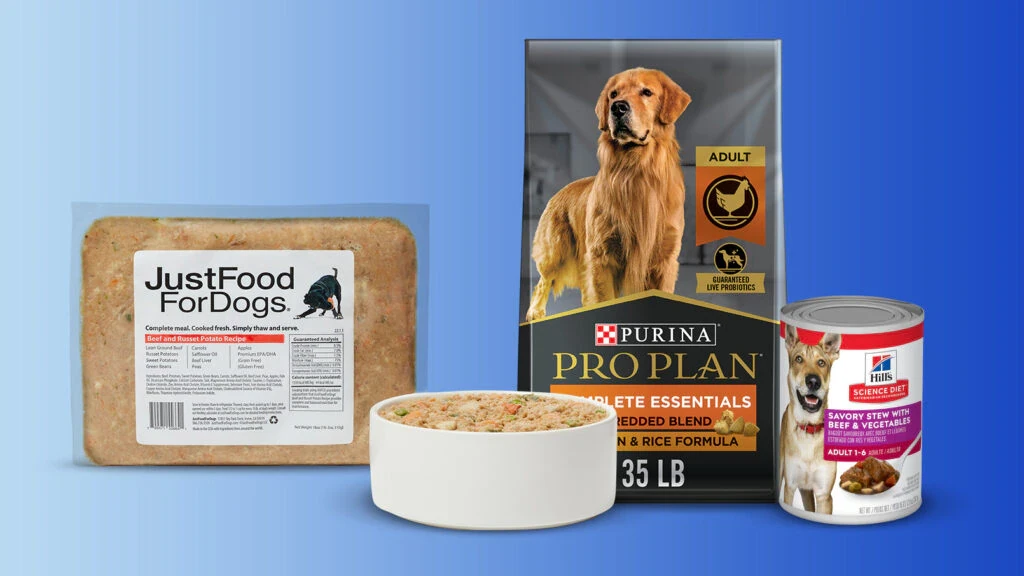
Buy Hypoallergenic Dog Food Online 2026 for Allergy Relief
PawVerde.com – hypoallergenic dog food designed with specialized protein sources and probiotics plays a critical role in managing food allergies in dogs, a condition increasingly recognized by veterinarians and pet nutrition experts. Food allergies in dogs primarily involve immune reactions to certain protein sources rather than grains, manifesting as itching, ear infections, digestive disturbances, and skin irritation. veterinary guidance is essential in diagnosing these allergies and selecting appropriate hypoallergenic diets, which often require an 8- to 12-week elimination trial to confirm efficacy. In 2026, a range of vet-recommended hypoallergenic dog food options, including hydrolyzed protein formulas, limited ingredient diets, and novel protein sources, are readily available through trusted online retailers such as Amazon, Kohapet, and Supertails.
The demand for effective hypoallergenic dog food has driven innovation in formulation, with brands like Royal Canin and Earthborn Holistic leading the market. These products focus on reducing allergen exposure while supporting gut health through probiotics and easily digestible carbohydrates. Pet owners increasingly rely on online platforms to purchase these specialized diets, balancing cost, ingredient transparency, and veterinary endorsement to ensure safe allergy management.
Understanding Food Allergies in Dogs
Food allergies in dogs often stem from an adverse immune response to dietary proteins, making proteins the most common allergenic components rather than grains or carbohydrates. The immune system mistakenly identifies certain proteins as harmful, triggering symptoms such as intense itching (pruritus), recurrent ear infections, skin irritation, and gastrointestinal upset including vomiting and diarrhea. These signs overlap with environmental allergies, complicating diagnosis without veterinary intervention.
Common offending proteins include beef, chicken, dairy, and eggs, but dogs may also react to less typical sources like soy or wheat gluten. Veterinary clinics emphasize the importance of distinguishing food allergies from environmental allergens, as treatment approaches differ significantly. Unlike environmental allergies, food allergies require dietary modification rather than solely medical management.
Certain dog breeds, including West Highland White Terriers, Boxers, and Labradors, show higher predisposition to food allergies, though any breed can be affected. Pet nutritionist Laura Ward highlights that chronic skin issues and persistent digestive symptoms should prompt a veterinary evaluation focused on dietary causes.
Types of Hypoallergenic Dog Food
Hypoallergenic dog food formulations fall into three main categories, each addressing allergies via different mechanisms:
Grain-free diets are sometimes marketed as allergy-friendly; however, research shows grains are less often the cause of food allergies in dogs. Veterinary experts stress focusing on protein sources rather than grain elimination unless a specific intolerance is identified. Fresh diets with minimal processing and high digestibility also support dogs with sensitive digestive systems.
Veterinary Recommendations and Allergy Trials
Before initiating any hypoallergenic diet, consultation with a veterinarian is paramount. Accurate diagnosis involves ruling out environmental causes and conducting an elimination diet trial, typically lasting 8 to 12 weeks. During this period, dogs are fed exclusively hypoallergenic food, avoiding treats and supplements that may contain allergens.
Veterinarians monitor clinical signs throughout the trial, assessing reduction in symptoms such as itching and digestive upset. If symptoms improve, a challenge phase reintroduces previous foods to confirm specific allergens. This structured approach ensures precise identification of dietary triggers, enabling targeted long-term management.
Veterinary supervision also helps avoid nutritional imbalances common in homemade or improperly formulated diets. Prescription hypoallergenic diets from brands like Royal Canin come with guaranteed nutrient profiles and clinical evidence supporting their efficacy.
Key Ingredients and Nutritional Components in Hypoallergenic Dog Food
Hypoallergenic dog foods prioritize protein sources less likely to elicit immune responses. Venison, kangaroo, duck, lamb, salmon, and pork are frequently used due to their low prevalence in commercial dog food and distinct protein structures. These proteins reduce cross-reactivity with common allergens such as beef or chicken.
Probiotics play a significant role in maintaining gut health, which is critical in managing food allergies. Strains like Lactobacillus and Bifidobacterium improve digestion and modulate immune responses, potentially reducing inflammation linked to allergic reactions. Easily digestible carbohydrates, such as sweet potatoes or peas, provide energy without aggravating sensitive digestive tracts.
Avoidance of artificial additives, preservatives, and common allergens like soy and wheat gluten further enhances hypoallergenic formulations. Ingredient transparency, facilitated by clear labeling, allows pet owners and veterinarians to assess suitability accurately.
Buying Hypoallergenic Dog Food Online in 2026
The online marketplace offers expanded access to hypoallergenic dog food, with platforms such as Amazon, Kohapet, and Supertails providing extensive selections. These retailers stock both prescription and over-the-counter options, catering to various budgets and dietary needs.
Prescription diets from Royal Canin and other veterinary brands require a veterinary prescription but are increasingly available through verified online veterinary pharmacies and pet specialty sites. Over-the-counter hypoallergenic foods, including Earthborn Holistic’s limited ingredient lines, are accessible without prescription, providing convenience for pet owners managing mild to moderate allergies.
Price ranges vary widely, with veterinary prescription diets typically commanding higher costs due to clinical formulations and quality control standards. Earthborn Holistic’s options offer more affordable alternatives while maintaining ingredient quality.
When purchasing online, verifying product authenticity is crucial. Pet owners should examine seller ratings, look for official brand authorization, and scrutinize ingredient lists on product pages. Online reviews from sources like Dog Food Advisor and expert nutritionists offer additional insights into product performance and suitability.
Brand Spotlights and Product Examples
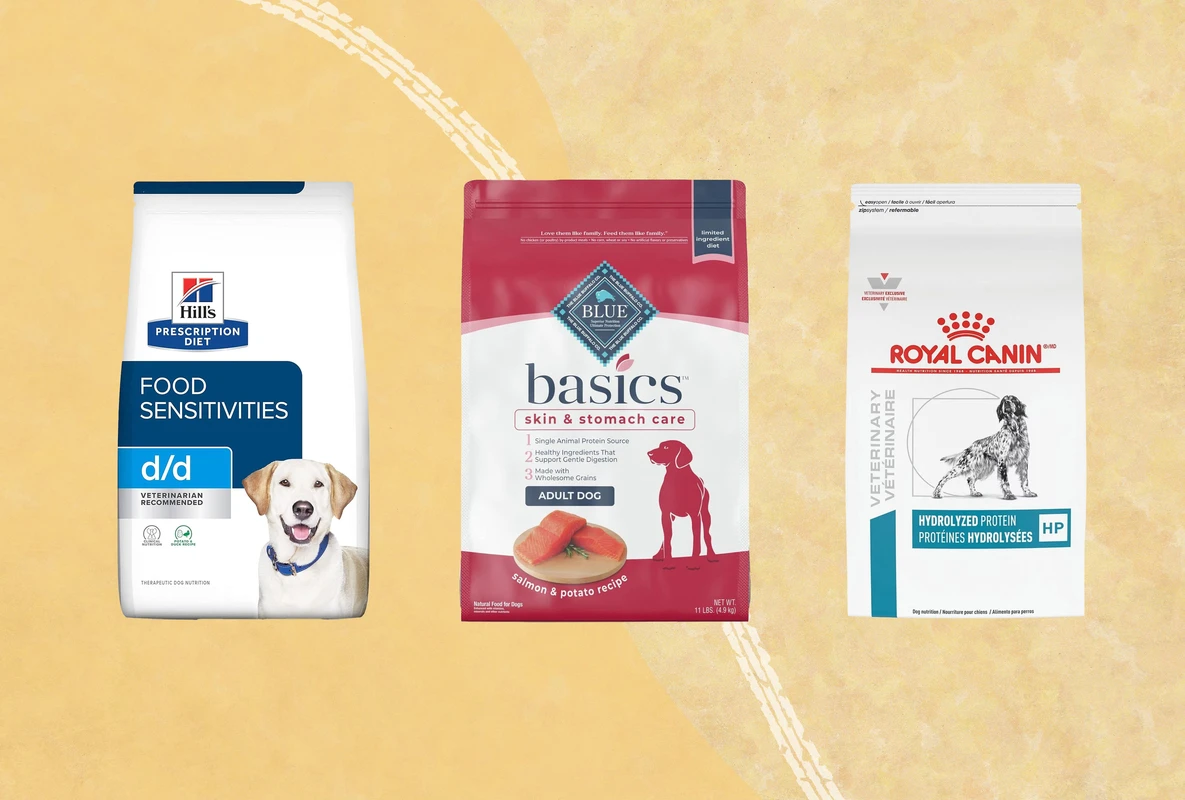
Royal Canin’s veterinary hypoallergenic diets, such as the Hydrolyzed Protein range, are widely recommended by veterinarians for managing food allergies. These diets feature extensively researched formulations with hydrolyzed soy protein or hydrolyzed chicken liver, reducing allergenicity while providing balanced nutrition.
Earthborn Holistic delivers limited ingredient formulas focusing on novel proteins and grain-free carbohydrates, appealing to pet owners seeking natural ingredients and affordability. Their products incorporate probiotics and prebiotics to support digestive health.
Dog Food Advisor ranks these brands highly based on ingredient quality, customer feedback, and nutritional adequacy. Pet nutritionist Laura Ward endorses combining these vetted products with veterinary oversight for optimal allergy management outcomes.
| Brand | Diet Type | Protein Source(s) | Key Features | Price Range (Monthly) |
|---|---|---|---|---|
| Royal Canin Veterinary Hydrolyzed | Hydrolyzed Protein Prescription | Hydrolyzed soy, chicken liver | Clinically tested, vet-prescribed, supports skin & digestion | $70 – $120 |
| Earthborn Holistic Limited Ingredient | Limited Ingredient Diet (Over-the-Counter) | Venison, salmon, duck | Grain-free, probiotics included, affordable | $40 – $70 |
| Natural Balance L.I.D. | Limited Ingredient Diet | Duck, lamb, salmon | Novel proteins, minimal ingredients, widely available | $50 – $80 |
Practical Feeding and Care Tips for Hypoallergenic Diets

Transitioning dogs to hypoallergenic diets requires a gradual introduction over 7 to 10 days, mixing increasing proportions of new food with the old to minimize digestive upset. Consistency is critical; feeding exclusively hypoallergenic food and avoiding treats or table scraps prevents accidental allergen exposure.
For dogs with multiple allergies or sensitivities, combining novel protein diets with hydrolyzed formulas under veterinary supervision can optimize results. Monitoring for symptom recurrence or new reactions is essential, prompting veterinary re-evaluation if necessary.
Regular follow-up appointments allow veterinarians to adjust dietary plans and address emerging issues such as nutrient deficiencies or secondary infections. Pet owners should maintain detailed symptom logs to support these consultations.
FAQ
What is the difference between limited ingredient and hydrolyzed protein dog food?
Limited ingredient diets use a minimal number of whole food ingredients to reduce allergens, while hydrolyzed protein diets break down proteins into small peptides that the immune system does not recognize, making them less likely to cause allergic reactions. Hydrolyzed diets typically require veterinary prescription.
How long should I feed hypoallergenic dog food to see results?
Veterinarians recommend an elimination diet trial lasting 8 to 12 weeks to accurately assess improvements in allergy symptoms. Consistent feeding without other food sources is essential during this period.
Can I buy prescription hypoallergenic dog food online without a vet’s approval?
Prescription hypoallergenic diets generally require a veterinary prescription due to their clinical nature. Some online retailers verify prescriptions before shipping, ensuring safe and appropriate use.
Are grain-free diets effective for managing dog food allergies?
Grains are less commonly responsible for food allergies in dogs; protein sources are typically the main allergens. Grain-free diets may help dogs with specific grain intolerances but are not universally necessary for allergy management.
What role do probiotics play in hypoallergenic dog food?
Probiotics support digestive health by balancing gut microbiota and modulating immune responses, potentially reducing inflammation and improving nutrient absorption in allergic dogs.
Hypoallergenic dog food in 2026 combines veterinary expertise, advanced formulation, and convenient online availability to address the complex challenge of food allergies in dogs. Pet owners should prioritize veterinary consultation, carefully select diets based on ingredient transparency and efficacy, and maintain vigilant monitoring during diet trials. As the market evolves, emerging protein sources and gut health innovations promise further improvements in managing canine food allergies safely and effectively.
Limited Ingredient vs Hypoallergenic Dog Food: Key Differences Explained
PawVerde.com – limited ingredient dog food and hypoallergenic dog food represent two specialized dietary approaches designed to address canine food allergies and sensitivities, yet they differ fundamentally in composition, purpose, and clinical application. limited ingredient diets simplify the ingredient list, often featuring a single novel protein and carbohydrate source, to reduce allergenic exposure and assist in pinpointing specific food triggers during diagnostic food trials. Hypoallergenic diets, by contrast, are formulated to exclude common allergens such as beef, chicken, wheat, dairy, and eggs and may incorporate hydrolyzed proteins that reduce immune recognition, thereby minimizing allergic reactions. Both diet types serve critical roles in the management and diagnosis of food allergies in dogs, with veterinary prescription versions ensuring stringent quality controls and cross-contamination prevention.
Definition and Purpose of Limited Ingredient and Hypoallergenic Dog Foods
Limited ingredient dog food is characterized by a minimal number of components, typically one protein source considered novel to the dog and one carbohydrate, aiming to limit exposure to potential allergens. This dietary simplification aids veterinarians in isolating specific food sensitivities during elimination trials, a process essential for accurately diagnosing food allergies. For example, a diet containing venison and sweet potato may be utilized to reduce the likelihood of triggering immune responses linked to more common proteins like chicken or beef.
hypoallergenic dog food, meanwhile, is formulated to avoid recognized common allergens identified through veterinary dermatology research. These diets may contain multiple ingredients but deliberately exclude proteins and additives known to provoke allergic reactions, such as lamb, wheat, dairy, and eggs. Notably, hypoallergenic formulations often include hydrolyzed protein diets, where the protein molecules are enzymatically broken down into smaller peptides, thus decreasing their allergenicity by preventing the immune system from recognizing them as threats. Such diets are frequently prescribed by veterinarians to manage dogs with confirmed food allergies, offering a therapeutic option beyond the diagnostic scope of limited ingredient diets.
Key Differences in Composition and Clinical Application
The primary distinction between limited ingredient and hypoallergenic dog foods lies in ingredient complexity and their respective roles in allergy diagnosis and management. Limited ingredient diets prioritize minimalism in their ingredient list, which facilitates the identification of specific allergens through controlled food trials. These trials typically span 8 to 12 weeks, during which the dog consumes only the limited ingredient diet to observe symptom resolution or persistence. Once symptoms improve, veterinarians may reintroduce individual ingredients to identify the allergenic culprit.
Hypoallergenic diets, in contrast, are used primarily for long-term management of diagnosed food allergies. Their formulation targets the exclusion of all common allergens, thereby reducing the risk of immune reactions. Hydrolyzed protein diets fall within this category and are often subjected to rigorous clinical trials and manufacturing standards to ensure purity and prevent cross-contamination. The inclusion of hydrolyzed proteins represents a significant advancement in allergy management, as these diets can be effective even in dogs with multiple or severe allergies.
Production standards also differ notably. Limited ingredient diets may be available over-the-counter or as prescription options, but hypoallergenic diets, particularly those containing hydrolyzed proteins, are typically prescription-only to guarantee strict manufacturing controls. Cross-contamination prevention is critical in hypoallergenic diets; even trace amounts of allergens can trigger adverse reactions, necessitating dedicated production lines and comprehensive quality assurance protocols.
Veterinary Prescription Diets and Their Role in Allergy Management
Veterinary prescription diets represent a cornerstone in the clinical approach to managing canine food allergies. Both limited ingredient and hypoallergenic diets are available in prescription forms, offering controlled formulations backed by clinical research and quality assurance. Veterinary dermatologists often recommend these diets as part of a systematic diagnostic and therapeutic protocol.
Clinical trials conducted by pet food manufacturers and veterinary experts, such as Dr. Leigh Burkett, validate the efficacy of these diets. Prescription hypoallergenic diets undergo stringent testing to confirm that hydrolyzed proteins meet molecular weight standards necessary to reduce allergenicity. Similarly, limited ingredient diets prescribed by veterinarians ensure ingredient traceability and exclude additives like artificial preservatives that could confound allergy assessments.
Moreover, prescription diets support food trial protocols, which remain the gold standard for diagnosing food allergies. During these trials, dogs must exclusively consume the prescribed diet to eliminate confounding factors. Veterinary supervision ensures adherence, monitors symptom progression, and guides subsequent reintroduction phases, critical for accurate diagnosis and effective management.
Protein Sources and Allergen Risks in Dog Foods
Protein sources play a pivotal role in both limited ingredient and hypoallergenic dog foods, with their allergenic potential influencing diet formulation. Common allergens in canine diets include beef, chicken, lamb, wheat, dairy, and eggs, which collectively account for the majority of food allergy cases in dogs. These proteins are often implicated due to their prevalence in commercial dog foods and the immune system’s sensitization over time.
Novel protein sources such as venison, rabbit, duck, and certain fish species like salmon are increasingly employed in limited ingredient diets due to their lower incidence of sensitization. These proteins provide alternative options for elimination diets, reducing the likelihood of allergic reactions during diagnostic trials. However, it is important to recognize that no protein is completely hypoallergenic; instances of allergies to novel proteins, though rare, have been documented.
Hydrolyzed protein diets represent a distinct category wherein protein molecules are enzymatically cleaved into small peptides or amino acids. This molecular breakdown prevents the immune system from mounting an IgE-mediated response, significantly lowering allergenic potential. Veterinary nutritionists emphasize the importance of molecular weight thresholds—typically below 10,000 Daltons—to ensure clinical efficacy in hypoallergenic diets.
Symptoms of Food Allergies and Intolerances in Dogs
Food allergies affect approximately 15-20% of dogs exhibiting allergic symptoms, manifesting primarily as dermatologic and gastrointestinal signs. Pruritus, especially localized to the paws, ears, face, and ventrum, is a hallmark symptom driven by immune hypersensitivity reactions. Secondary skin inflammation, recurrent infections, and otitis externa are common sequelae.
Gastrointestinal manifestations include chronic diarrhea, vomiting, and flatulence, often complicating differential diagnosis with other causes such as parasites or inflammatory bowel disease. Veterinary dermatologists stress the importance of distinguishing food allergies from food intolerances, the latter involving non-immune-mediated adverse reactions that may present with similar symptoms but require different management approaches.
Dietary trials remain the definitive diagnostic tool, with symptom resolution during elimination feeding and recurrence upon reintroduction confirming food allergy diagnosis. Accurate differentiation supports targeted dietary interventions, avoiding unnecessary restrictions and improving canine welfare.
Practical Considerations for Dog Owners
Deciding between limited ingredient and hypoallergenic diets requires careful veterinary consultation, ideally involving a board-certified veterinary dermatologist or nutritionist. Limited ingredient diets are appropriate when allergy diagnosis is pending, serving as an elimination diet to isolate triggering ingredients. Their simplicity facilitates owner compliance and reduces the risk of confounding allergen exposure.
Hypoallergenic diets, particularly those containing hydrolyzed proteins, are recommended for dogs with confirmed food allergies requiring long-term management. Owners should be informed about the necessity of strict adherence to these diets, as even minor dietary deviations or cross-contamination can provoke severe allergic reactions.
Pet food manufacturers have responded to growing demand by enhancing production standards, implementing dedicated manufacturing lines, and rigorous testing to minimize allergen presence. However, cost and availability may vary between prescription and commercial diet options, factors owners must consider alongside veterinary recommendations.
Future Directions and Industry Trends
Emerging research in canine nutrition and immunology continues to refine understanding of food allergies and dietary management. Advances in proteomics and molecular diagnostics hold promise for more precise identification of allergenic epitopes, potentially enabling tailored diets beyond the current limited ingredient and hypoallergenic frameworks.
Additionally, pet food manufacturers are exploring novel protein blends, sustainable ingredients, and improved hydrolysis techniques to enhance diet palatability and efficacy. The role of the gut microbiome in modulating immune responses to food allergens is an expanding area of investigation, suggesting that future diets may integrate prebiotics and probiotics in allergy management protocols.
Veterinary professionals advocate for ongoing education and collaboration between clinicians, nutritionists, and pet owners to optimize outcomes. As the prevalence of food allergies in dogs remains significant, leveraging multidisciplinary expertise will be critical to advancing therapeutic strategies and improving quality of life for affected animals.
Frequently Asked Questions
What is the main difference between limited ingredient and hypoallergenic dog food?
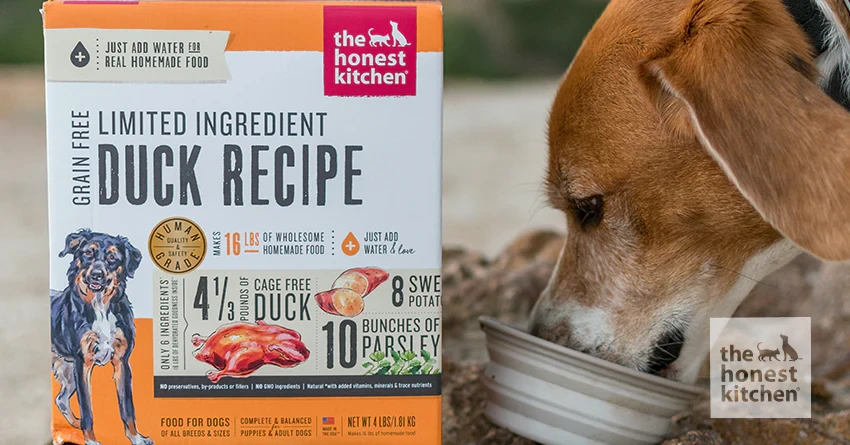
Limited ingredient dog food contains a minimal number of ingredients, usually one novel protein and one carbohydrate, aimed at simplifying the diet to help identify specific food allergens. Hypoallergenic dog food excludes common allergens and often includes hydrolyzed proteins to reduce allergic reactions, focusing on managing diagnosed allergies rather than diagnosis.
Can limited ingredient diets cure food allergies in dogs?
Limited ingredient diets do not cure allergies but serve as diagnostic tools to identify offending ingredients. Once an allergen is identified, hypoallergenic or elimination diets can manage the condition. Long-term dietary management under veterinary guidance is necessary to control symptoms.
Are hydrolyzed protein diets safe for all allergic dogs?
Hydrolyzed protein diets are designed to minimize immune recognition and are effective for many dogs with food allergies. However, some dogs may react to specific hydrolysates or other diet components, so veterinary supervision and monitoring are essential.
How long should a food trial with a limited ingredient diet last?
Food trials typically last 8 to 12 weeks, allowing sufficient time to observe symptom resolution. Premature diet changes or exposure to other foods during this period can invalidate the trial results.
Is cross-contamination a concern with hypoallergenic dog foods?
Yes, cross-contamination can introduce trace allergens, potentially triggering reactions in sensitive dogs. Prescription hypoallergenic diets are manufactured under strict controls to minimize this risk, but owners must ensure no other food sources are accessible.
—
The distinctions between limited ingredient and hypoallergenic dog foods underscore the importance of precise dietary interventions in canine allergy management. While limited ingredient diets provide a pragmatic approach to diagnosing food hypersensitivities, hypoallergenic diets, including hydrolyzed protein formulations, offer therapeutic options to maintain long-term health in allergic dogs. Collaboration between pet owners and veterinary professionals remains critical to optimizing dietary strategies, ensuring safety, and enhancing the quality of life for dogs affected by food allergies.
Best Hypoallergenic Dog Food for Allergies: Top 2026 Choices
PawVerde.com – Hypoallergenic dog foods in 2026 emphasize limited or novel protein sources such as venison, duck, and hydrolyzed proteins to minimize allergic reactions in dogs. These formulations consistently exclude prevalent allergens like chicken, beef, dairy, wheat, soy, corn, and eggs. Veterinary supervision remains critical, especially through elimination diet trials lasting 8 to 12 weeks, to accurately identify offending allergens and customize feeding regimens that address individual canine sensitivities.
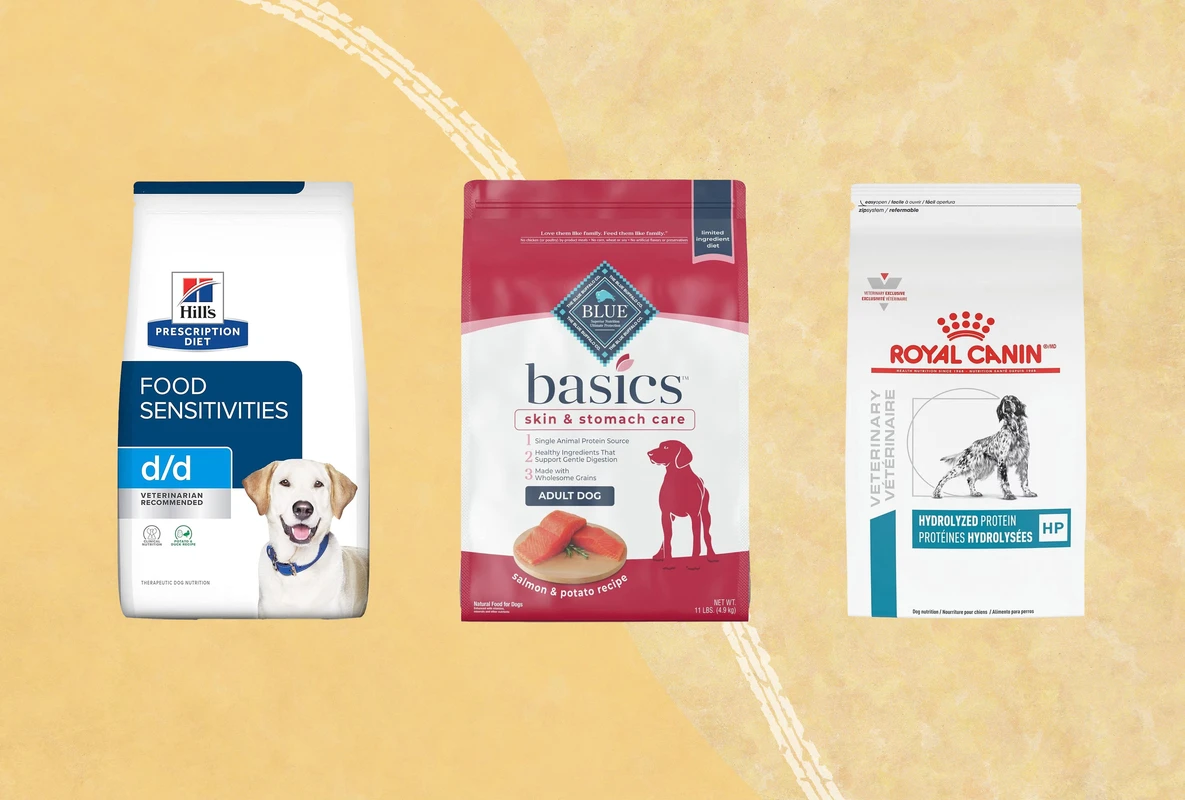
Hypoallergenic diets are increasingly formulated with enriched omega fatty acids and soluble fibers to support skin integrity and digestive health, addressing both the symptoms and underlying causes of food allergies. Leading brands such as JustFoodForDogs and Spot & Tango offer fresh, whole-food limited ingredient meals, while ACANA Singles and Bramble provide dry and plant-based novel protein options, respectively. Prescription formulas from Hill’s, Artemis Osopure, and Dr. Harvey’s continue to be mainstays for controlled clinical management, ensuring strict manufacturing standards to prevent cross-contamination.
Understanding Hypoallergenic Dog Food Formulations
Hypoallergenic dog foods fall broadly into three categories: limited ingredient diets (LID), novel protein diets, and hydrolyzed protein diets. Limited ingredient diets reduce the number of protein and carbohydrate sources to minimize allergen exposure. Novel protein diets introduce uncommon proteins such as venison, duck, salmon, or rabbit, which dogs are less likely to have developed sensitivities against. Hydrolyzed protein diets break down proteins into smaller peptides, reducing the immune system’s ability to recognize and react to them.
Common allergenic ingredients avoided in hypoallergenic formulations include chicken, beef, dairy products, wheat, soy, corn, and eggs, all of which are implicated in a majority of canine food allergies. These allergens trigger immunoglobulin E (IgE)-mediated hypersensitivity or delayed-type hypersensitivity reactions leading to skin inflammation, digestive upset, and chronic itching.
Manufacturing standards vary substantially between prescription and commercial diets. Prescription hypoallergenic diets such as Hill’s Prescription Diet Derm Complete or Dr. Harvey’s Allergy Specialty undergo stringent controls to prevent cross-contamination with allergenic ingredients, verified by organizations like the Association of American Feed Control Officials (AAFCO). Conversely, over-the-counter commercial diets may label themselves “hypoallergenic” without rigorous testing, necessitating cautious evaluation by veterinary nutritionists and pet owners.
Leading Hypoallergenic Dog Food Brands and Products in 2026
JustFoodForDogs and Spot & Tango have distinguished themselves by offering fresh, whole-food meals with limited, novel ingredients tailored for dogs with allergies. These brands prioritize human-grade ingredient sourcing and transparency in manufacturing, addressing concerns about fillers and artificial additives. Their recipes commonly feature proteins like turkey, duck, or venison combined with wholesome vegetables and grains that have low allergenic potential.
Bramble Hypoallergenic Fresh Dog Food innovates with a plant-based novel protein approach, incorporating ingredients like pea protein and pumpkin to reduce common protein allergens while supporting digestive health through soluble fibers. This aligns with growing interest in environmentally sustainable pet nutrition without compromising allergy management.
For dry food options, ACANA Singles Limited Ingredient Duck & Pear is a popular choice, providing a single animal protein source with limited carbohydrates to support elimination diets. The focus on novel duck protein and grain-free carbohydrates makes it suitable for dogs with multiple sensitivities.
Veterinary prescription diets remain indispensable for complex allergy cases requiring clinical supervision. Hill’s Prescription Diet Derm Complete combines hydrolyzed proteins with omega fatty acids and antioxidants to reduce skin inflammation and improve coat quality. Artemis Osopure and Dr. Harvey’s Allergy Specialty similarly utilize hydrolyzed or novel proteins with added nutrients targeting allergic dermatitis and digestive balance.
Commercial diets like The Farmer’s Dog and Maxbone offer expert-reviewed options with limited ingredients, balancing convenience and allergy management. These brands often incorporate omega-3 and omega-6 fatty acids from fish oils, vital for mitigating skin inflammation and enhancing barrier function.
Diagnostic and Feeding Strategies in Allergy Management
veterinary consultation is paramount for diagnosing and managing food allergies in dogs. Elimination diet trials, typically lasting 8 to 12 weeks, systematically exclude suspected allergens while monitoring for clinical improvement in itching, skin lesions, and gastrointestinal symptoms. This process requires strict adherence to avoid accidental exposure to hidden allergens, including treats and flavored medications.
Symptom tracking during the elimination trial is critical. Owners are advised to record changes in pruritus severity, skin redness, hair loss, stool quality, and overall behavior. After symptom remission, controlled reintroduction of individual ingredients confirms offending allergens.
Transitioning to hypoallergenic diets must be gradual over 7 to 10 days to minimize digestive upset. Starting with small portions mixed with the previous diet and progressively increasing the new food reduces gastrointestinal distress. Portion control based on ideal body weight and activity level ensures nutritional adequacy without exacerbating allergies.
Nutritional Components Supporting Allergy Relief
Beyond allergen exclusion, hypoallergenic diets incorporate nutrients that support skin and digestive health. Omega fatty acids, particularly omega-3s from fish oil and omega-6s from plant oils, have documented anti-inflammatory effects that reduce skin redness and itching. These fatty acids modulate eicosanoid pathways involved in allergic reactions and strengthen the epidermal barrier.
Soluble fibers such as pumpkin and beet pulp promote gut microbiome balance and improve stool consistency. Research indicates that healthy gut flora can influence immune responses, potentially reducing hypersensitivity reactions.
Avoidance of fillers, artificial preservatives, colors, and flavor enhancers is critical, as these additives may provoke adverse reactions or exacerbate inflammation in sensitive dogs. Hypoallergenic diets typically use natural preservatives like tocopherols and exclude common irritants.
Considerations and Limitations in Hypoallergenic Dog Food Selection
The term “hypoallergenic” lacks standardized regulation in the pet food industry, leading to potential misuse on commercial products. A diet labeled hypoallergenic does not guarantee allergen exclusion or clinical efficacy. Cross-contamination during manufacturing remains a risk in non-prescription foods, underscoring the importance of brands with stringent quality control measures.
Personalized dietary planning guided by veterinary nutritionists is essential, as allergic profiles vary widely among dogs. Some require novel protein diets, while others respond only to hydrolyzed formulations. Environmental and flea allergy management must also be integrated, as these commonly coexist with food allergies and impact clinical outcomes.
Clinical experience underscores that elimination diets are the gold standard for diagnosis and management, not commercial claims or ingredient lists alone. Owners must maintain vigilance over long-term symptom monitoring and communicate regularly with veterinary professionals to adjust feeding strategies as needed.
Future Directions and Practical Steps for Pet Owners
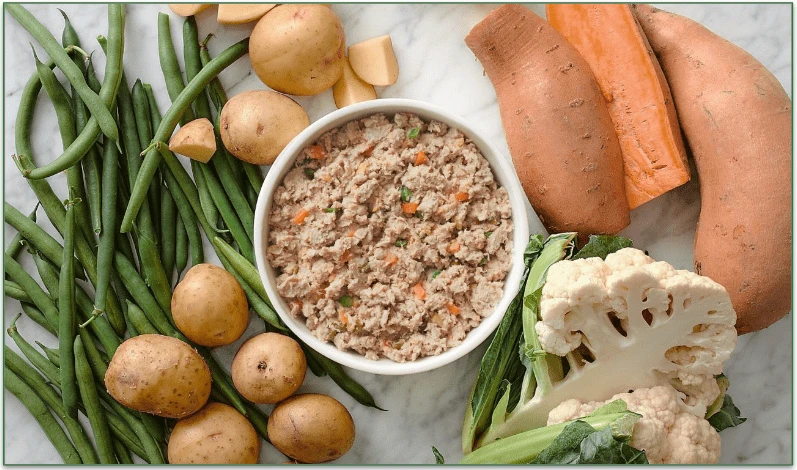
Advancements in hypoallergenic dog food formulations in 2026 focus on precision nutrition—customizing diets based on molecular allergen profiles and immunological testing. Integration of novel proteins with sustainable sourcing and enhanced nutrient profiles is reshaping the market landscape.
Pet owners should prioritize veterinary consultation before initiating any hypoallergenic diet and commit to comprehensive elimination trials. Transitioning diets should be carefully managed, emphasizing gradual changes and symptom documentation.
Ongoing research into gut microbiome modulation, omega fatty acid optimization, and allergen detection technologies promises to improve diagnostic accuracy and therapeutic efficacy. Combining dietary management with environmental and flea control provides a holistic approach to alleviating allergic dermatitis and improving canine quality of life.
| Brand/Product | Protein Source | Diet Type | Form | Key Features |
|---|---|---|---|---|
| JustFoodForDogs | Turkey, Duck, Venison | Limited Ingredient | Fresh | Human-grade, whole foods, grain-inclusive/exclusive options |
| Spot & Tango | Turkey, Lamb, Venison | Limited Ingredient | Fresh | Customizable meals, no artificial additives |
| Bramble Hypoallergenic | Plant-based Novel Proteins | Novel Protein | Fresh | Pea protein, pumpkin, fiber-rich, vegan-friendly |
| ACANA Singles Duck & Pear | Duck | Limited Ingredient | Dry | Grain-free, single animal protein |
| Hill’s Prescription Diet Derm Complete | Hydrolyzed Proteins | Hydrolyzed Protein | Dry/Canned | Veterinary prescription, omega fatty acids, antioxidant blend |
| Artemis Osopure | Hydrolyzed Proteins | Hydrolyzed Protein | Dry | Prescription, skin and coat support |
| Dr. Harvey’s Allergy Specialty | Novel Proteins (Rabbit, Venison) | Novel Protein | Dry | Prescription, natural ingredients, limited additives |
| The Farmer’s Dog | Turkey, Beef (limited) | Limited Ingredient | Fresh | Veterinary formulated, omega fatty acids |
| Maxbone | Salmon, Duck | Limited Ingredient | Fresh/Dry | Expert-reviewed, natural preservatives |
FAQ

What is the difference between novel protein and hydrolyzed protein diets for dogs?
Novel protein diets use uncommon protein sources that dogs have not been previously exposed to, reducing the chance of an allergic reaction. Hydrolyzed protein diets break down proteins into smaller components that the immune system is less likely to recognize, making them suitable for dogs with severe allergies or multiple sensitivities.
How long should an elimination diet trial last to diagnose food allergies in dogs?
Elimination diet trials typically last between 8 to 12 weeks under veterinary supervision. This duration allows sufficient time for allergen clearance and symptom improvement. Strict adherence to the diet without exposure to other foods or treats is essential for accurate diagnosis.
Can I feed my dog over-the-counter hypoallergenic dog food without veterinary advice?
While some over-the-counter hypoallergenic diets may help, veterinary consultation is strongly recommended to ensure the diet is appropriate and effective. Many commercial diets labeled “hypoallergenic” lack strict manufacturing controls and may not be suitable for all allergy types.
Are omega fatty acids important in managing dog food allergies?
Yes. Omega-3 and omega-6 fatty acids have anti-inflammatory properties that help reduce skin inflammation and itching associated with food allergies. Including these nutrients supports skin barrier function and overall coat health.
What precautions should I take when transitioning my dog to a hypoallergenic diet?
Transition the diet gradually over 7 to 10 days by mixing increasing amounts of the new food with the current diet. Monitor for any digestive upset or allergic reactions. Ensure no other foods, treats, or flavored medications are given during the transition to maintain diet integrity.
—
Advances in hypoallergenic dog food formulations and veterinary diagnostics in 2026 offer promising avenues for managing canine allergies more effectively. Continued collaboration between pet owners, veterinary nutritionists, and reputable pet food brands is essential to optimize outcomes and enhance the quality of life for dogs with allergies.