
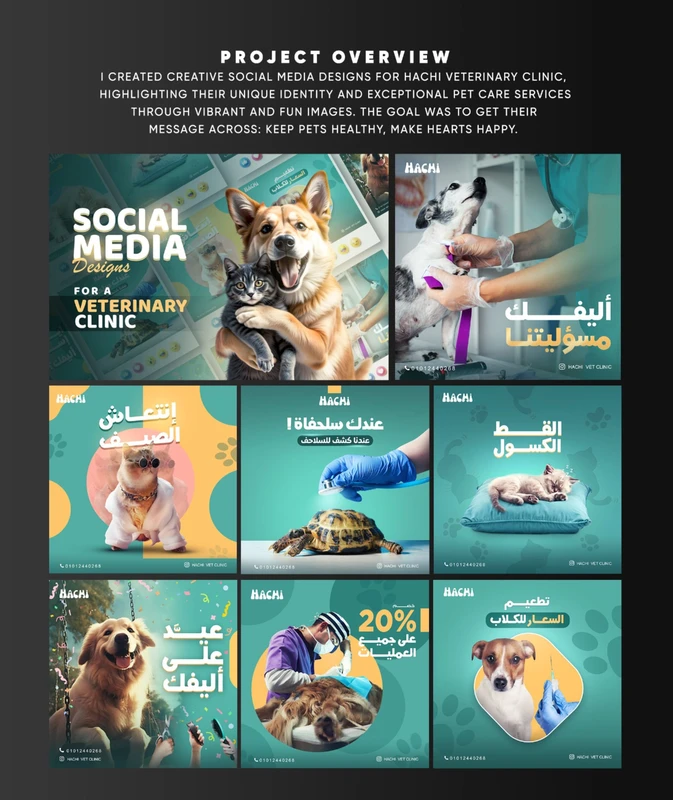
How to Utilize Social Media for Pet Conservation Advocacy Success
PawVerde.com – Social media has revolutionized the landscape of pet conservation advocacy by enabling organizations and advocates to connect directly with diverse audiences, promote animal welfare campaigns, and drive measurable outcomes such as increased adoptions and heightened awareness. Platforms like Facebook, Instagram, Twitter, and TikTok offer unique tools that, when leveraged strategically, amplify advocacy efforts significantly. Over 70% of animal shelters report that active social media use leads to higher adoption rates, especially for hard-to-place animals, underscoring the critical role digital engagement plays in modern animal welfare.
Effective pet conservation advocacy on social media hinges on platform-specific content adaptation, targeted hashtag utilization, audience segmentation, and creative outreach formats. Paid advertising campaigns further boost visibility for shelters and wildlife organizations, while monitoring opposition narratives ensures messaging remains credible and responsive. This comprehensive analysis explores the tactical strategies, platform nuances, and ethical considerations that maximize social media’s impact for pet conservation advocates.
Diverse Advocacy Strategies in Social Media Pet Conservation
The spectrum of advocacy approaches on social media ranges from sensationalism to community-centered engagement, each yielding distinct outcomes. Joe Exotic’s controversial methods, heavily publicized through viral content and media, illustrate how sensational storytelling can generate massive attention but often at the cost of credibility and ethical scrutiny. In contrast, Carol Baskin’s approach within the Big Cat Rescue community emphasizes authentic storytelling, educational content, and consistent follower interaction, fostering trust and sustained engagement.
Authenticity and transparency remain cornerstones for successful campaigns. Behind-the-scenes content—such as rescue operations, shelter day-to-day activities, and volunteer stories—invites audiences into the advocacy journey, enhancing emotional connection. For example, Best Friends Animal Society’s digital campaigns frequently showcase individual animal stories, leading to increased follower empathy and a measurable rise in adoption inquiries. These examples demonstrate that while provocative content can spark initial interest, long-term advocacy success depends on genuine connection and informative messaging.
Platform-Specific Best Practices for Pet Conservation Advocacy
Each social media platform caters to different audience demographics and content formats, necessitating tailored strategies for maximum impact.
Facebook remains a primary channel for event promotion and community building. Shelters and organizations benefit from Facebook’s event creation tools to publicize adoption drives, fundraisers, and educational webinars. Paid ad campaigns on Facebook allow precise targeting based on location, interests, and behavior, optimizing shelter visibility. For instance, ASPCA’s localized Facebook ads have driven up to a 30% increase in attendance at adoption events. Robust community groups on Facebook foster peer-to-peer sharing and support, amplifying advocacy messages organically.
Instagram’s visual-first nature suits storytelling through photos, reels, and stories. Hashtag strategies like #FindYourFido and #wildlifeconservation extend reach beyond immediate followers, with campaigns reporting over 50% engagement growth when utilizing trending hashtags alongside branded tags. Instagram Reels and Stories allow short, emotive videos that highlight animal rescues or conservation efforts in digestible formats. Wildlife Conservation Society (WCS) leverages Instagram for striking wildlife photography campaigns, educating followers while encouraging donations and activism.
Twitter (now X) excels in real-time updates and rapid dissemination of advocacy news. Hashtag campaigns such as #StandforWildlife generate momentum by rallying advocates and influencers around specific causes. Interactions with key figures, including digital ambassadors and animal welfare experts, enhance credibility and increase retweets, broadening message exposure. Twitter’s concise format encourages quick sharing of policy updates and urgent appeals, essential in crisis communication.
TikTok has emerged as a vital platform for reaching younger demographics, with 58% of U.S. teens engaging daily. Its algorithm favors creative, short-form videos that can rapidly go viral. Animal shelters and conservation groups use TikTok challenges, educational clips, and heartwarming adoption stories to capture attention. For example, Maddie’s Fund reported a 40% rise in younger adopter inquiries after launching TikTok campaigns featuring shelter pets in humorous and emotional contexts, demonstrating the platform’s potential for shaping youth-driven advocacy.
Hashtag Utilization and Audience Engagement Strategies
Hashtags remain a fundamental tool in expanding advocacy reach and fostering community involvement. Effective hashtags such as #wildlifeconservation, #FindYourFido, and #StandforWildlife serve as rallying points for online campaigns, enabling content discovery and user participation beyond established followers. Campaign data reveals that posts including relevant hashtags receive up to 70% higher engagement rates than those without.
Encouraging user-generated content through hashtag challenges and digital ambassadorship creates a network effect, where supporters share their own stories, photos, and videos under campaign tags. For example, during Adopt a Shelter Dog Month, many shelters encourage followers to post adoption stories with #FindYourFido, increasing visibility and social proof. Interactive features like polls, comment prompts, and share calls-to-action further boost engagement metrics, essential for algorithmic favorability across platforms.
Audience segmentation enhances hashtag effectiveness by targeting messages to relevant groups. Tailoring hashtags and content themes based on demographics, interests, and geographic location improves resonance. Tools like Hootsuite and OneUp assist advocates in scheduling posts with optimized hashtags and tracking performance, enabling data-driven refinements.
Paid Social Media Advertising: Targeting and Measuring Impact
Paid social media advertising remains a powerful lever for expanding pet conservation advocacy beyond organic followers. Strategic targeting allows campaigns to focus on specific adoption criteria, such as pet size, age, or breed preferences, and audience demographics including location, age, and pet ownership history. For instance, humane societies using Facebook’s Lookalike Audiences feature target users resembling past adopters, resulting in higher conversion rates.
Budget allocation depends on campaign goals, with smaller shelters allocating modest daily amounts ($10-$50) for localized ads, while larger organizations invest in multi-platform campaigns reaching millions. Measurement relies on key performance indicators (KPIs) such as click-through rates, event RSVPs, adoption form completions, and donation amounts. Real-time analytics enable advocates to optimize ad creatives, audience segments, and spending for better ROI.
Case studies from ASPCA’s paid campaigns indicate a 25% increase in online adoption applications during promoted periods. Integrating pixel tracking and conversion data refines audience profiles over time, making subsequent ads more cost-effective and impactful.
Creative Content Formats to Amplify Advocacy Messages
Diverse content formats engage different audience preferences and enhance message retention. Beyond traditional photos and videos, creative formats such as memes, digital art, webcomics, and interactive media provide fresh avenues for storytelling and education.
Memes and humorous content humanize advocacy, making topics accessible and shareable, especially among younger users. Digital art and webcomics can distill complex conservation issues into compelling narratives, increasing emotional resonance. Interactive media, including quizzes and virtual tours, invite active participation, deepening user investment.
Video storytelling remains paramount, with emotionally charged narratives driving empathy and action. Documentaries and mini-series featuring advocates like Doc from wildlife campaigns illustrate real-life impacts, inspiring donations and volunteerism. Incorporating user testimonials and success stories broadens relatability and encourages community building.
Ethical and Professional Conduct in Social Media Advocacy
Maintaining ethical standards and professionalism in online advocacy safeguards trust and credibility. Advocates must prioritize fact-based messaging, avoiding sensationalism, misinformation, or hostile rhetoric that can alienate supporters and attract criticism. Balanced perspectives that acknowledge challenges and complexities enhance transparency.
Aligning personal branding with advocacy goals ensures consistent messaging and reduces reputational risks. Humane societies and organizations often develop social media guidelines outlining acceptable conduct, response protocols, and content approval processes. Respecting privacy and consent, especially when sharing rescue stories or images, upholds ethical standards.
Ethical conduct also includes monitoring and addressing misinformation without engaging in inflammatory disputes. This approach preserves an advocate’s authoritative voice and fosters constructive dialogue.
Monitoring and Responding to Opposition Narratives
Social listening tools are indispensable for tracking adversarial messages and misinformation that may undermine pet conservation efforts. Platforms like Brandwatch and Sprout Social enable advocates to monitor relevant keywords, hashtags, and sentiment trends, providing early warning of negative narratives.
Proactive response strategies involve coordinated messaging, fact-checking, and engagement with neutral or supportive audiences to counteract false claims. For example, during contentious debates around captive wildlife, coordinated responses from organizations like WCS have clarified misconceptions and reinforced scientific consensus.
Timely, informed communication minimizes reputational damage and maintains public confidence. Establishing a crisis communication plan tailored to social media channels further equips advocates to handle opposition narratives effectively.
Measuring Success and Sharing Advocacy Wins

Quantitative and qualitative metrics assess the impact of social media advocacy on pet conservation. Adoption rate increases linked to targeted campaigns provide clear evidence of success. For instance, shelters leveraging the #FindYourFido campaign reported a 15-20% rise in adoption inquiries within campaign periods.
Beyond adoption numbers, measuring public awareness through social media reach, engagement, and sentiment analysis gauges broader influence. Influencing policy through digital advocacy, such as mobilizing followers for petitions or legislative support, represents another critical success indicator.
Celebrating milestones publicly, including adoption anniversaries and fundraising goals, motivates supporters and sustains momentum. Transparency in reporting outcomes reinforces trust and encourages ongoing participation.
| Platform | Key Features for Advocacy | Audience Demographics | Content Formats | Example Campaign Impact |
|---|---|---|---|---|
| Event creation, targeted ads, community groups | Adults 25-54, broad geographic reach | Photos, videos, live streams, event pages | 30% increase in adoption event attendance (ASPCA) | |
| Visual storytelling, hashtags, reels, stories | Adults 18-34, visual-centric users | Images, reels, stories, user-generated content | 50% engagement growth with #FindYourFido | |
| Twitter/X | Real-time updates, hashtag campaigns, influencer interactions | Adults 18-49, news-focused audience | Short text, images, hashtags, threads | Increased policy support via #StandforWildlife |
| TikTok | Short-form videos, creative challenges, viral potential | Teens and young adults, 58% U.S. teen daily use | Short videos, challenges, educational clips | 40% rise in younger adopter inquiries (Maddie’s Fund) |
FAQ
How can animal shelters best use social media to increase pet adoptions?
Animal shelters can increase adoptions by creating platform-specific content such as Facebook event pages for adoption drives, Instagram stories featuring individual animals, TikTok videos showcasing pet personalities, and targeted paid ads aimed at local communities. Utilizing relevant hashtags like #FindYourFido and encouraging user engagement through polls and shares enhance visibility and foster community support.
What role do hashtags play in wildlife and pet conservation campaigns?
Hashtags organize content, increase discoverability, and create communities around causes. Campaigns using hashtags such as #wildlifeconservation and #StandforWildlife extend message reach beyond immediate followers, encourage user-generated content, and help track campaign impact through social listening tools.
Why is it important to tailor social media content to each platform?
Each social media platform has distinct audience demographics and content formats. Tailoring content maximizes engagement by aligning with user preferences and platform algorithms. For example, TikTok favors short, creative videos for youth, while Facebook supports detailed event promotion and community discussions.
What ethical considerations should pet conservation advocates keep in mind on social media?
Advocates should ensure messaging is fact-based, respectful, and transparent. Avoiding misinformation and hostile rhetoric preserves credibility. Respect for privacy, proper consent for sharing images or stories, and aligning personal and organizational branding with advocacy goals underpin ethical conduct.
How can paid social media advertising improve pet conservation efforts?
Paid ads allow precise targeting based on demographics and behaviors, increasing visibility for adoption events and fundraising campaigns. By tracking analytics such as click-through and conversion rates, advocates can optimize budgets and messaging to maximize impact, leading to higher adoption rates and broader awareness.
Social media empowers pet conservation advocacy by enabling advocates to tailor messages across platforms, use strategic hashtags, engage audiences with creative content, run targeted paid ads, and monitor opposition narratives—all of which increase animal adoptions, raise awareness, and foster community support for wildlife and pet welfare. Moving forward, advocates should continue refining data-driven strategies, embracing emerging content formats, and upholding ethical standards to sustain and grow their digital influence in animal welfare.