

How Fostering Pets Near Me Helps Shelters in 2026
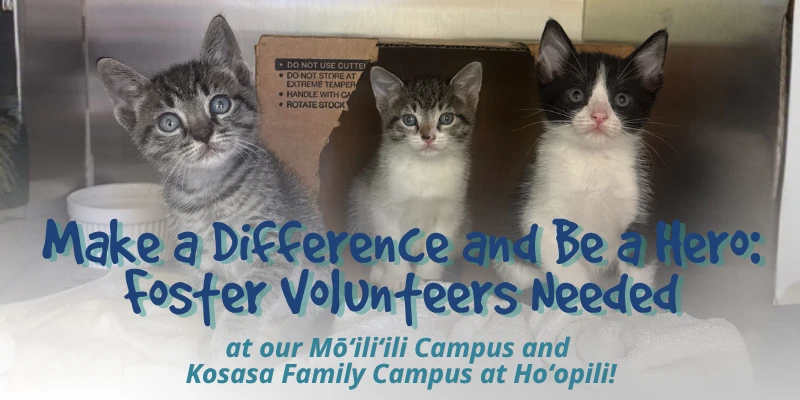
PawVerde.com – Fostering pets near you in 2026 involves providing temporary, compassionate care for shelter animals awaiting adoption. This practice plays a critical role in alleviating overcrowded shelters, reducing stress for vulnerable animals, and enhancing their chances of finding permanent homes. Across the United States and Canada, reputable organizations such as LA Animal Services, the Humane Society of Charlotte, Lifeline animal welfare Society, BARC Houston, the Louisiana SPCA, and North Shore Animal League America continue to expand fostering programs, offering comprehensive support including supplies, training, and medical care guidance to foster families. These programs accommodate a wide range of animals, from dogs and cats to rabbits and fragile neonatal pets, all of which require tailored care protocols to ensure their wellbeing.
Foster families not only supplement shelter resources but also provide crucial socialization and individualized attention that shelters often cannot due to high animal populations. This dynamic partnership between animal welfare organizations and community volunteers has proven instrumental in managing shelter populations efficiently, improving animal health outcomes, and increasing adoption rates. In 2026, fostering remains an accessible pathway for animal lovers to make a meaningful impact locally and nationally, supported by evolving shelter protocols, community engagement, and enhanced foster caregiver education.
How to Find and Join a Foster Program Near You
Locating a foster program in your region begins with identifying local animal shelters and rescue organizations that offer structured fostering opportunities. Major entities such as LA Animal Services and the Humane Society of Charlotte maintain active foster recruitment and provide detailed online portals where prospective foster families can submit applications. These programs typically require applicants to attend an orientation session, which covers fostering protocols, animal handling best practices, and health monitoring guidelines. For example, BARC Houston’s foster program includes a mandatory virtual orientation to ensure volunteers understand emergency procedures and the specific needs of the animals they will care for.
The application process usually involves a background check, home environment assessment, and completion of a foster agreement outlining responsibilities. Many shelters encourage direct visits to their facilities to meet with staff and discuss fostering options in person. Community-based organizations like Sophie’s Dog Adoption and Lifeline Animal Welfare Society also offer seasonal foster drives and informational events to onboard new volunteers. As fostering programs adapt to increasing demand, some shelters have introduced streamlined digital applications and foster matching systems that align animal needs with foster family capabilities more efficiently.
Responsibilities and Best Practices of Foster Caregivers
Foster caregivers serve as temporary guardians, providing daily care that encompasses nutrition, exercise, socialization, and medical compliance. Maintaining consistent feeding schedules with appropriate diets is essential, especially for young or immunocompromised animals. Socialization efforts include gradual exposure to household environments and resident pets, with many shelters recommending an initial quarantine period to minimize disease transmission risks. For instance, the Louisiana SPCA advises keeping foster pets separated in a designated room for the first 7-10 days while monitoring for signs of illness.
Health monitoring requires foster families to administer prescribed medications, observe behavioral changes, and attend regular veterinary checkups facilitated by the shelter. Emergency fostering, often activated during natural disasters or shelter overcrowding spikes, demands heightened vigilance and flexibility from caregivers, including readiness for rapid intake and communication with shelter staff. Best practices also emphasize maintaining a clean and sanitized environment to prevent disease spread, using separate bedding and toys, and adhering strictly to vaccination and parasite control protocols.
Types of Animals Typically Fostered
Foster programs accommodate a diverse range of animals, including dogs, cats, rabbits, and neonatal or fragile young animals requiring intensive care. Dogs and cats constitute the majority of fostered pets, varying from puppies and kittens to senior animals needing convalescent care. Rabbits and small mammals, often overlooked, receive specialized fostering to support rehabilitation and socialization before adoption. Special needs animals—those with chronic illnesses, behavioral challenges, or recovering from surgery—require foster families with specific training or experience. North Shore Animal League America’s foster network includes protocols for immunocompromised animals, involving strict isolation and enhanced hygiene.
Some programs also focus on emergency fostering, which addresses sudden influxes of animals during crises such as floods or fires. These scenarios necessitate rapid deployment of foster homes capable of providing temporary sanctuary, sometimes for extended periods. Foster families willing to care for such animals often receive additional support, including veterinary consultations and behavioral assistance.
Support and Resources Provided by Shelters
Shelters and animal welfare organizations typically supply foster families with essential resources, including food, medical supplies, and training materials. For example, LA Animal Services provides starter kits containing leashes, collars, crates, and feeding bowls, reducing upfront costs for volunteers. Medical care coverage often includes vaccinations, flea and tick prevention, spay/neuter surgeries, and emergency veterinary services managed or reimbursed by the shelter. Training manuals and online webinars are standard, offering foster parents guidance on animal behavior management, health monitoring, and integration strategies.
Community partnerships and sponsorship programs further bolster foster initiatives. Business collaborations with pet supply companies and veterinary clinics often result in donations or discounted services, easing the financial burden on foster families. Nonprofit organizations like Sophie’s Dog Adoption facilitate foster parent networks where volunteers share experiences, advice, and emotional support. These networks contribute to sustained engagement and higher retention rates among foster caregivers.
Impact of Fostering on Animal Adoption and Community
Fostering significantly increases adoption rates by providing animals with the socialization and individualized care that make them more appealing to potential adopters. Research from BARC Houston indicates that fostered pets are 60% more likely to be adopted within three months compared to those remaining exclusively in shelters. Emotional benefits extend to foster families, who often form strong bonds with animals and experience fulfillment from contributing to animal welfare. These positive experiences fuel advocacy efforts and encourage community involvement.
Programs like the Humane Society of Charlotte’s foster spotlight campaigns highlight success stories, raising public awareness about the importance of fostering and inspiring new volunteers. Foster programs also relieve shelter overcrowding, improving overall animal welfare by reducing stress-related illnesses and behavioral issues common in high-density shelter environments. This positive feedback loop supports healthier shelter populations and more successful adoptions, benefiting communities on a broader scale.
How to Maintain a Healthy Foster Environment
Creating a safe and healthy environment for foster pets involves rigorous hygiene practices, thoughtful integration with existing pets, and preparing animals for the transition to adoptive homes. Initial separation of foster animals from resident pets reduces the risk of disease transmission and behavioral conflicts. Over time, gradual introductions under controlled conditions promote socialization and adjustment. The Louisiana SPCA recommends using scent swapping and supervised interactions to ease this process.
Maintaining cleanliness in the foster area includes daily sanitation of bedding, toys, and feeding areas with pet-safe disinfectants. Regular handwashing and use of gloves during medication administration further prevent cross-contamination. Foster caregivers are advised to monitor foster pets closely for signs of illness, such as lethargy, appetite loss, or respiratory symptoms, and report concerns promptly to shelter veterinarians.
Preparing for adoption involves behavioral training, social exposure, and ensuring medical records are up to date. Foster families often collaborate with shelter staff to facilitate meet-and-greet sessions with potential adopters, offering firsthand insights into the animal’s temperament and care needs.
FAQ
How do I find foster pet programs near me?
Start by contacting local animal shelters, humane societies, and rescue organizations. Many provide online applications and host foster orientation sessions. Websites of major organizations like LA Animal Services and North Shore Animal League America offer searchable listings of foster opportunities.
What are the basic requirements to become a foster pet caregiver?
Requirements typically include being over 18 years old, having a safe and clean home environment, completing an application and orientation, and agreeing to follow shelter protocols. Some programs may conduct home visits and expect ongoing communication with shelter staff.
What types of animals can I foster?
Foster programs accommodate a variety of animals including dogs, cats, rabbits, and special needs or neonatal animals. Some shelters offer specialized fostering for immunocompromised or injured pets requiring extra care.
Do shelters provide supplies and medical care for foster pets?
Yes, most shelters supply food, medical treatments, vaccinations, and necessary equipment. Foster families are usually reimbursed or provided with these resources at no cost.
How does fostering benefit animals and shelters?
Fostering reduces shelter overcrowding, decreases animal stress, improves socialization, and increases adoption rates. It also allows shelters to allocate resources more effectively and enhances community engagement in animal welfare.
Fostering pets in 2026 continues to evolve as an essential component of animal welfare strategies. Prospective foster families are encouraged to connect with local shelters to contribute meaningfully to shelter population management and animal wellbeing. Expanding foster networks combined with growing community support ensures that more animals receive compassionate, temporary homes, paving the way for successful adoptions and healthier shelter environments nationwide.
Top Pet Adoption Events in 2026 Boost Shelter Support Nationwide
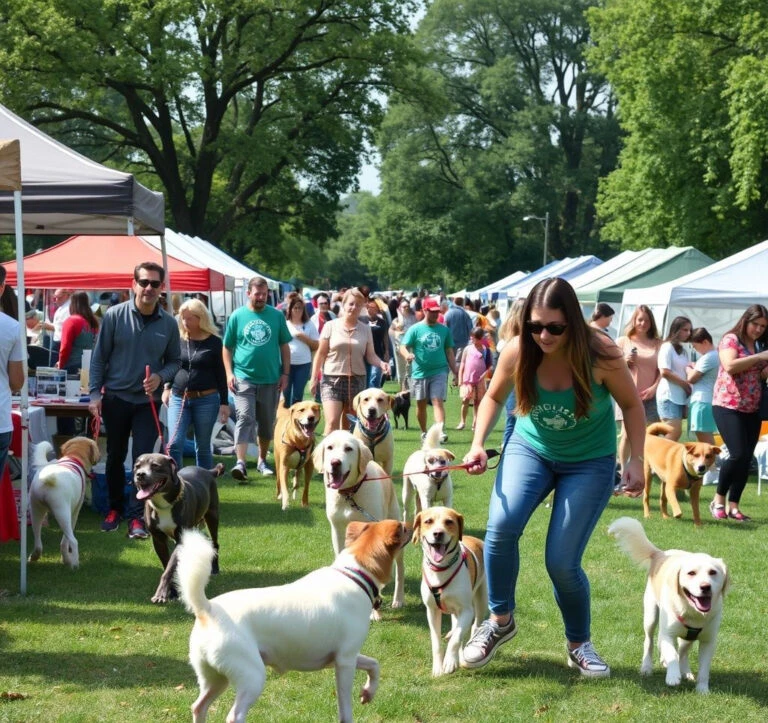
PawVerde.com – Pet adoption events in 2026 across the United States are expanding accessibility and community engagement through coordinated efforts by animal welfare organizations and retail partners. Major initiatives include the Steps for Shelter Pets fundraiser walk hosted by Charlotte-Mecklenburg Animal Care & Control, waived adoption fees during May at LA Animal Services, and nationwide Adopt Joy events organized by PetSmart Charities on selected Saturdays. These events, along with mobile adoption tours and nonprofit rescue activities, are designed to increase adoption rates while supporting shelter pet welfare and veterinary care.
The Steps for Shelter Pets community walk, organized annually by Charlotte-Mecklenburg Animal Care & Control, serves as a flagship fundraiser and awareness event. This year’s walk aims to draw thousands of participants to raise funds for shelter improvements, medical care, and community outreach programs. The event highlights the critical role local shelters play in reducing animal homelessness by promoting adoption and fostering. Proceeds support expanded veterinary services and shelter upgrades, reflecting Charlotte-Mecklenburg ACC’s commitment to enhancing animal welfare infrastructure.
In Southern California, LA Animal Services is waiving adoption fees throughout May in celebration of National Pet Month. This initiative targets increased adoption volumes by removing financial barriers for prospective pet owners. The waiver applies to all dogs and cats available in LA Animal Services shelters, which collectively process thousands of pet adoptions annually. The fee waiver is coupled with community education campaigns on responsible pet ownership and post-adoption support, including access to discounted veterinary care through partnership programs.
PetSmart Charities continues to facilitate Adopt Joy events at PetSmart retail locations nationwide, scheduled on multiple Saturdays throughout the year. These events bring shelter pets directly into retail environments, making adoption more accessible to urban and suburban populations. Partnering with local shelters and rescue groups such as Lucky Dog Animal Rescue in the Washington, DC metro area, PetSmart Charities deploys mobile adoption buses and staffed adoption centers within stores. These efforts have been credited with significantly boosting adoption rates by leveraging retail foot traffic and providing on-site veterinary consultations and adoption counseling.
Mobile adoption tours, implemented by organizations like Anderson County P.A.W.S., are gaining traction as a flexible approach to bringing adoptable pets to diverse neighborhoods. These tours utilize specially outfitted vehicles to reach underserved areas, increasing community engagement and reducing transportation barriers for potential adopters. Partner shelters collaborate on scheduling and pet selection, ensuring a rotating roster of dogs and cats available for immediate adoption. This model has demonstrated an uptick in adoptions in rural and suburban regions where shelter access is limited.
Lucky Dog Animal Rescue, operating in the DC metropolitan area, maintains a regular calendar of adoption events at PetSmart and Petco locations. These nonprofit rescue organizations focus on rehabilitating and rehoming animals from high-intake shelters. Their events feature pre-screened pets alongside volunteer foster families, facilitating a smoother transition for adopted animals. Lucky Dog’s partnership with retail chains enables continuous visibility and adoption opportunities beyond traditional shelter hours, contributing to sustained adoption momentum.
Ongoing adoption opportunities are also available through the Humane Society of Utah and Maricopa County Animal Care. Both agencies operate shelters with year-round adoption events and fee waiver days aligned with national animal welfare campaigns. The Humane Society of Utah complements its adoption services with community fundraising events and veterinary care support programs, including initiatives modeled after Humane Colorado’s Dr. Apryle Steele Fund. This fund provides financial assistance for veterinary treatments of shelter pets, ensuring healthier outcomes for animals post-adoption.
These adoption events collectively support shelter pets by combining fundraising, education, and veterinary care initiatives. Fundraising walks like Steps for Shelter Pets generate essential revenue for shelter operations and medical services, while waived fee programs directly reduce financial barriers for adopters. Veterinary care support embedded in many adoption events addresses common health challenges faced by shelter animals, promoting long-term success in adoption placements. Volunteer recruitment and pet supply donation drives are often integrated with these events, strengthening community involvement.
Participants preparing for these adoption events are advised to research adoptable pets through online shelter databases and event announcements. Early arrival is recommended for popular events like Adopt Joy and mobile tours to maximize opportunities to meet and interact with animals. Adoption processes typically include application screening, home visits or interviews, and orientation on pet care requirements. Many events offer on-site veterinary consultations and starter kits with pet supplies to support new adopters.
The cumulative impact of 2026’s pet adoption events points to increased community awareness, higher adoption rates, and enhanced support systems for shelter pets. Trends indicate a growing preference for mobile and retail-based adoption models, which improve accessibility and convenience for prospective pet owners. Nonprofit rescue organizations and retail partners play a pivotal role by augmenting shelter capacity and providing resources beyond traditional adoption frameworks. These coordinated efforts contribute to reduced shelter overcrowding and more sustainable adoption outcomes.
As the year progresses, animal welfare organizations are expected to expand these initiatives, incorporating data-driven strategies to target underserved populations and improve animal care standards. Partnerships with veterinary providers and pet nutrition companies like Hill’s Pet Nutrition further enhance the quality of life for shelter pets before and after adoption. The integration of community fundraising, education, and mobile outreach exemplifies a holistic approach to animal welfare poised to influence adoption practices nationwide in 2026 and beyond.

Pet Adoption Resources in 2026: Shelters, Fees & Legal Rules
PawVerde.com – Pet adoption in 2026 encompasses a multifaceted network of local shelters, foster care programs, national online platforms, and community initiatives designed to facilitate the placement of vaccinated, spayed/neutered, and microchipped pets into permanent homes. Adoption fees generally cover essential veterinary services, including vaccinations and microchip registration, aligning with legal mandates for pet licensing and health standards. This comprehensive framework ensures that prospective adopters have access to well-supported resources for selecting pets while contributing to broader animal welfare goals.
Local animal shelters and adoption centers remain foundational to the pet adoption ecosystem. Agencies like LA Animal Services, Pinellas County Animal Services, and Tulsa Animal Services provide critical infrastructure where adoptable pets receive medical care such as core vaccinations, spay/neuter surgery, and microchipping before adoption. Adoption fees typically range between $75 and $200, with variations depending on the animal’s age, breed, and medical history. These fees usually include licensing costs required by local governments, ensuring compliance with municipal regulations. For example, Pinellas County Animal Services requires all adopted dogs and cats to be licensed within 30 days, with licensing fees bundled into the overall adoption cost. Legal requirements also mandate that shelters verify adopter eligibility, often requiring home visits or interviews to confirm preparedness for pet ownership, particularly for animals with special needs.
Foster care programs serve as a vital intermediary solution for pets awaiting permanent placement. Foster homes provide temporary environments that promote healthier socialization and reduce stress compared to shelter confinement. Organizations such as the ASPCA and Best Friends Animal Society actively maintain foster networks, enabling pets to receive individualized care, behavioral training, and medical monitoring. Foster caregivers often receive training to manage common health issues and behavioral challenges, enhancing adoptability. These programs alleviate shelter overcrowding and reduce euthanasia rates, with data from KC Pet Project indicating a 20% increase in successful adoptions attributed to foster care placements over the past two years. Access to foster pets is typically coordinated through shelter databases or rescue groups, with many online platforms now featuring filters to view foster animals available for adoption.
National and regional online platforms have expanded the accessibility of pet adoption across geographic boundaries. Services like Petfinder® and Adopt A Pet™ aggregate listings from thousands of shelters and rescues nationwide, offering searchable databases with filters for species, size, age, temperament, and medical needs. These platforms integrate advanced algorithms to match prospective adopters with suitable pets, improving placement success rates. For instance, Petfinder® reports that its database hosts over 300,000 adoptable pets at any given time, with approximately 60,000 adoptions facilitated monthly through its interface. Online applications streamline the adoption process, allowing users to submit paperwork remotely and schedule in-person visits or virtual meet-and-greets. The integration of microchip registration and veterinary records on these platforms enhances transparency and trust, contributing to informed decision-making by adopters.
Community engagement and adoption events play a strategic role in bridging pets with potential adopters. Shelters and rescue organizations frequently host adoption fairs, open houses, and promotional events that showcase available animals in accessible public venues. For example, Pet Alliance Orlando organizes seasonal adoption festivals attracting thousands of attendees, while KC Pet Project’s annual gala fundraiser supports shelter operations and new facility construction. Volunteer involvement is integral, with opportunities ranging from animal care and socialization to event coordination and administrative support. Local governments often collaborate with community foundations to fund shelter expansions, such as the recent construction of a new Maricopa County Animal Services facility equipped with enhanced veterinary suites and quarantine areas. These initiatives foster public awareness, increase adoption rates, and build sustained support networks for animal welfare.
Veterinary and health services included in adoption fees ensure that animals transition to new homes with baseline medical protection. Standard care packages often cover rabies and distemper vaccinations, flea and tick prevention, spay/neuter surgeries, and microchip implantation. Some shelters, such as Tulsa Animal Services, have partnered with local emergency responders like the Tulsa Fire Department to implement microchip scanning programs aimed at lost pet reunification. Post-adoption veterinary care options are frequently available through shelter-affiliated clinics offering discounted services for adopters, reducing barriers to ongoing animal health maintenance. Data from SPCA Tampa Bay indicates that shelters incorporating comprehensive veterinary care into their adoption packages report higher satisfaction rates among adopters and lower return rates within the first year.
Adoption promotions and incentives have become increasingly prevalent as shelters seek to expedite placements and reduce shelter populations. Many organizations offer reduced or waived fees during designated events targeting specific groups, such as senior pets or animals with longer shelter stays. Bundled benefits frequently include starter kits containing pet food, toys, collars, and first-year licenses. Promotions not only incentivize adoption but also address financial concerns of new pet owners, improving retention and care quality. For example, LA Animal Services’ monthly “Adopt-a-thon” events have successfully increased adoption volume by 15% during promotional periods. These campaigns often coincide with national awareness months or holiday seasons, leveraging public sentiment to further shelter outreach.
| Organization | Adoption Fee Range | Included Veterinary Services | Unique Features | Community Initiatives |
|---|---|---|---|---|
| LA Animal Services | $85 – $150 | Vaccinations, spay/neuter, microchipping | Monthly Adopt-a-thon events | Volunteer programs, pet licensing assistance |
| Pinellas County Animal Services | $75 – $175 | Vaccinations, spay/neuter, licensing | Mandatory pet licensing | Community outreach, foster care network |
| Tulsa Animal Services | $90 – $200 | Vaccinations, spay/neuter, microchip | Partnership with Tulsa Fire Department for microchip scanning | Volunteer engagement, lost pet reunification programs |
| Pet Alliance Orlando | $100 – $180 | Vaccinations, spay/neuter, microchipping | Seasonal adoption festivals | Facility expansion funded by community donations |
| KC Pet Project | $75 – $150 | Vaccinations, spay/neuter, microchip | Foster care emphasis, annual gala fundraiser | Shelter expansion, volunteer training programs |
The above table highlights a selection of prominent adoption centers and their key features in 2026, illustrating the integration of veterinary services, community involvement, and innovative programs designed to improve adoption outcomes.
Pet adoption resources in 2026 reflect a dynamic, interconnected system balancing medical care, legal compliance, and community engagement. Prospective adopters benefit from streamlined access to healthy, licensed pets through local shelters, foster networks, and digital platforms that facilitate informed decision-making. Meanwhile, shelters continue to evolve, investing in infrastructure improvements and outreach efforts to meet rising demand and promote animal welfare.
Frequently Asked Questions
What veterinary services are typically included in pet adoption fees?
Most adoption fees cover core vaccinations (such as rabies and distemper), spay/neuter surgery, microchipping, and initial parasite prevention. Some shelters also include licensing fees and provide discounted post-adoption veterinary care to support ongoing pet health.
How can I find foster pets available for adoption?
Foster pets are often listed on shelter websites and national platforms like Petfinder® and Adopt A Pet™ with filters to search for foster animals. Contacting local shelters or rescue groups directly can provide information on available foster pets and the fostering process.
Are adoption fees negotiable or waived during certain events?
Yes, many shelters offer reduced or waived adoption fees during special promotions, adoption fairs, and awareness months. These events aim to encourage adoption of senior pets, long-term shelter residents, or animals with special needs.
What legal requirements must be met to adopt a pet?
Adopters typically must complete an application, provide identification, and sometimes undergo a home visit or interview. Pets are required to be licensed and altered (spayed/neutered) before adoption in most jurisdictions to comply with animal welfare laws.
How do online pet adoption platforms improve the adoption process?
Online platforms aggregate listings from shelters nationwide, allowing users to filter by breed, size, age, and medical needs. They facilitate remote applications, provide detailed pet profiles with veterinary records, and often partner with shelters to streamline scheduling for meet-and-greets or adoptions.
Pet adoption in 2026 increasingly leverages technology, community resources, and comprehensive veterinary care to connect pets with suitable homes efficiently. As shelters innovate and collaborate with local governments and nonprofits, the path to pet ownership becomes more accessible and supported, benefiting animals and adopters alike.