
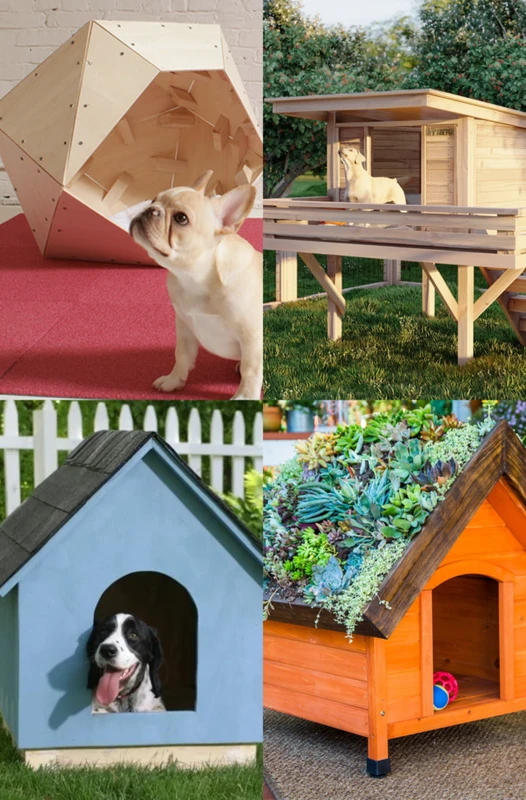
How to Create a Pet-Friendly Sustainable Home with Safe Materials
PawVerde.com – Creating a pet-friendly sustainable home requires selecting durable, non-toxic materials that protect pets while minimizing environmental impact. This tutorial guides you through practical steps to integrate eco-conscious flooring, furniture, textiles, and accessories, alongside pet safety measures and DIY solutions. By following these instructions, you will design a comfortable, healthy living space that balances aesthetics with sustainability and pet welfare.
Choosing Safe and Sustainable Flooring for Pet Homes
Traditional carpets often trap pet hair, odors, and stains, making them impractical for pet owners aiming for sustainability and hygiene. Instead, consider hard flooring options that are renewable, non-toxic, and pet-friendly.
Selecting Sustainable Upholstery and Furniture
Upholstered furniture in pet homes must withstand claws and stains while aligning with eco-conscious values. Materials and brands matter significantly.
Incorporating Eco-Conscious Textiles and Bedding for Pets
Selecting the right textiles balances pet comfort with sustainability and health considerations.
Adding Pet-Safe Indoor Plants and Greenery
Indoor plants enhance air quality and aesthetics but must be safe for pets to prevent toxicity.
DIY Sustainable Pet Furniture Using Reclaimed Materials
Creating pet furniture from reclaimed materials reduces waste and allows customization for pet needs.
Implementing Pet Safety Measures in Eco-Conscious Spaces
pet safety is paramount in sustainable homes, requiring simple yet effective precautions.
Choosing Sustainable Pet Products to Complement Home Décor
Eco-friendly pet accessories contribute to a holistic sustainable home environment.
Starting Small: Easy Sustainable Changes for Pet Owners
Implementing sustainability need not be overwhelming; begin with manageable adjustments.
Troubleshooting Common Issues in Sustainable Pet Homes
Addressing typical challenges ensures long-term success.
Solution: Use high-quality bamboo or cork with protective sealants; trim pet nails regularly.
Solution: Opt for hypoallergenic synthetic recycled polyester or microfiber textiles.
Solution: Position plants out of reach or use hanging planters; offer pet-safe grasses as alternatives.
Solution: Wash throws and bedding frequently with eco-friendly detergents; ventilate rooms well.
Common Mistakes to Avoid When Designing Pet-Friendly Sustainable Homes
Awareness of pitfalls enhances project outcomes.
Alternative Methods for Sustainable Pet Home Design
Explore different approaches to achieve eco-conscious pet-friendly spaces.
FAQ
What flooring is best for homes with pets and sustainability goals?
Bamboo and cork flooring are top choices due to their renewability, durability, and resistance to pet damage. Recycled rubber tiles also provide cushioning and easy maintenance.
Which plants are safe to keep around cats and dogs?
Spider plants and Boston ferns are non-toxic to pets and improve indoor air quality, making them ideal for pet-friendly homes.
How can I ensure upholstery is both sustainable and pet-friendly?
Opt for fabrics like recycled polyester, hemp, or microfiber that resist stains and claws. Choose products certified by the Sustainable Furnishings Council and use organic cotton washable throws for added protection.
What certifications should I look for in sustainable pet products?
Look for GOTS certification for textiles, CertiPUR for foam products, and SFC endorsement for furniture, ensuring chemical safety and environmental responsibility.
Can I build my own sustainable pet furniture?
Yes, using reclaimed wood and organic fabrics, you can create pet houses, scratching posts, and feeding stations that are eco-friendly and customized to your pet’s needs.
—
Adopting these strategies enables you to craft a sustainable, pet-friendly home that protects your animals while reducing ecological impact. Incorporate certified materials, secure pet areas, and eco-conscious products progressively to balance comfort, safety, and environmental stewardship.

Non-Toxic Materials for Pet-Friendly Home Design Explained
PawVerde.com – The foundation of a truly pet-friendly home lies in selecting materials that ensure safety, durability, and ease of maintenance while accommodating pets’ natural behaviors. Vinyl and hardwood flooring have emerged as leading choices due to their stain resistance and straightforward cleaning properties, significantly reducing the risks posed by fur buildup and accidents. Upholstery fabrics such as microfiber and leather combine durability with odor resistance, making them practical for homes with active pets. Additionally, furniture constructed from formaldehyde-free medium-density fiberboard (MDF) and solid wood frames, paired with low-VOC and pet-safe paint finishes, minimizes exposure to harmful chemicals. Incorporating non-toxic plants and avoiding common toxic species like lilies and sago palms contribute to a safer indoor environment. Innovative design features such as cat highways and dog washing stations further enhance pet comfort without compromising aesthetic appeal. Sustainable furniture brands that hold GREENGUARD Gold certification exemplify the integration of environmental responsibility with pet safety, setting new standards for future pet-friendly interiors.
Flooring Options Safe for Pets
Vinyl flooring stands out as a premier pet-safe flooring material because of its resistance to stains, scratches, and moisture. Its non-porous surface prevents absorption of pet urine and other stains, facilitating easy cleanup and reducing lingering odors. Recent developments in luxury vinyl plank (LVP) mimic hardwood aesthetics, offering pet owners a stylish yet practical alternative. Hardwood flooring, particularly finished with durable, low-VOC polyurethane coatings, provides a natural, scratch-resistant surface. However, it demands more maintenance to prevent moisture damage from accidents. Porcelain tile offers unparalleled durability and moisture resistance but may present slip hazards for pets unless treated with non-slip finishes.
Carpeting and rugs, while cozy, are generally discouraged in pet-friendly designs due to their propensity to trap fur, dander, and stains. These materials absorb odors and require frequent, intensive cleaning to maintain hygiene. Studies from veterinary behaviorists and interior designers alike emphasize the challenges carpets pose for homes with pets prone to accidents or shedding.
Upholstery and Fabric Choices for Pet Homes
Microfiber fabric is widely recognized for its pet-friendly properties. Its tight weave structure resists claw snags and inhibits fur adhesion, simplifying vacuuming and cleaning. Moreover, microfiber’s synthetic fibers tend to repel odors, an advantage for multi-pet households. Leather upholstery, especially full-grain and top-grain variants, offers natural stain and odor resistance. The smooth surface discourages fur accumulation and is easily wiped clean; however, it may be susceptible to scratches from claws and requires conditioning to prevent cracking.
Comparing synthetic and natural fibers reveals trade-offs: synthetic fibers like polyester blends offer enhanced durability and stain resistance, while natural fibers such as cotton and linen provide breathability but often lack resilience against wear and tear. Fabrics with loose weaves—linen, tweed, and boucle—are less suitable due to their tendency to snag on claws and accumulate dirt, accelerating fabric degradation.
Pet owners are encouraged to select upholstery with stain-resistant finishes and consider removable, washable covers to extend furniture lifespan. Advances in chemical treatments, however, necessitate scrutiny regarding PFAS and other stain guard chemicals, as some have been linked to adverse health effects in pets.
Furniture Construction and Chemical Safety
Formaldehyde-free MDF has gained prominence as a safer alternative to traditional composite wood products that release formaldehyde—a volatile organic compound harmful to both humans and pets. Solid wood frames, particularly those sourced sustainably, provide structural integrity without chemical emissions. Low-VOC paints and pet-safe finishes reduce indoor air pollution and are formulated to withstand cleaning with pet-safe detergents.
Pet owners should be cautious of stain guard chemicals and PFAS (per- and polyfluoroalkyl substances) commonly applied to fabrics for water and stain resistance. Emerging research highlights potential toxicity and bioaccumulation risks associated with PFAS, prompting experts to recommend verifying product certifications such as GREENGUARD Gold, which ensure adherence to strict chemical emission standards.
Non-Toxic Plants and Landscaping for Pets
Indoor and outdoor plant selection plays a crucial role in maintaining a pet-safe environment. Toxic plants like lilies, sago palms, oleander, azaleas, and philodendrons are well-documented by organizations such as the ASPCA for causing severe poisoning in cats and dogs. Conversely, pet-safe plants including spider plants, Boston ferns, and certain succulent varieties provide greenery without the risk.
Maintenance tips encourage avoiding pesticide and chemical fertilizers that can harm pets. For outdoor landscaping, using pet-safe materials like natural fibers and non-toxic mulches reduces ingestion hazards. Designing designated pet zones with durable, easy-to-clean surfaces such as pea gravel or artificial turf enhances safety and hygiene.
Special Features and Design Innovations for Pets
Incorporating pet-specific design elements improves both pet well-being and owner convenience. Cat highways—elevated walkways and wall-mounted shelves—capitalize on felines’ natural climbing instincts while conserving floor space. These structures constructed from scratch-resistant materials integrate seamlessly with interior aesthetics.
Dog washing stations, often installed in mudrooms or garages, provide practical solutions for managing hygiene. Featuring non-porous tiles, handheld sprayers, and ergonomic basins, these stations simplify grooming and reduce mess in living areas.
Additional innovations include pet-proof storage solutions, washable slipcovers, and built-in feeding stations designed with durable, easy-to-clean materials to maintain order and cleanliness.
Sustainable and Certified Pet-Friendly Furniture Brands
Sustainability intersects with pet safety in the growing market of certified furniture brands. GREENGUARD Gold certification, for instance, verifies low chemical emissions, ensuring healthier indoor air quality. Brands such as Sabai Sabai and Medley prioritize sustainability by using natural fibers, formaldehyde-free wood components, and pet-safe fabric treatments.
These companies frequently employ hypoallergenic materials and design with durability in mind, addressing both environmental impact and practical needs of pet owners. Transparency in sourcing and material disclosures fosters consumer trust amid increasing demand for eco-conscious pet-friendly products.
| Material Type | Pet Safety Features | Maintenance Considerations | Typical Certifications |
|---|---|---|---|
| Vinyl Flooring | Stain-resistant, moisture-proof, scratch-resistant | Easy to clean with mild detergents; avoid abrasive tools | GREENGUARD Gold |
| Hardwood Flooring | Durable, low-VOC finishes reduce chemical exposure | Requires sealing, prompt cleaning of spills | FSC Certified, GREENGUARD Gold |
| Microfiber Upholstery | Resists stains, odors, and fur adhesion | Vacuum regularly; spot clean with pet-safe products | OEKO-TEX Standard 100 |
| Leather Upholstery | Natural stain and odor resistance | Wipe clean; condition to prevent cracks | Leather Working Group Certified |
| Formaldehyde-Free MDF | Reduces toxic emissions | Use low-VOC paints; avoid moisture exposure | GREENGUARD Gold |
FAQ
What flooring materials are best for homes with pets?
Vinyl and hardwood flooring are optimal choices for pet-friendly homes due to their stain resistance, durability, and ease of cleaning. Avoid carpets and rugs, which trap fur and odors and require intensive maintenance.
Which upholstery fabrics are safest and most durable for pets?
Microfiber and leather fabrics offer superior stain resistance and durability. Synthetic fibers generally outperform natural fibers in terms of wear, but tightly woven natural fabrics can also be suitable if properly treated.
How can I ensure furniture is free from harmful chemicals for my pets?
Look for furniture made with formaldehyde-free MDF, solid wood frames, and low-VOC finishes. Certifications like GREENGUARD Gold indicate compliance with strict chemical emission standards. Always check product labels and inquire about stain guard chemical use.
Are there common houseplants I should avoid if I have pets?
Yes, toxic plants such as lilies, sago palms, oleander, and azaleas pose serious risks to pets. Opt for pet-safe plants like spider plants and Boston ferns to maintain a safe indoor environment.
What innovative design features can enhance a pet-friendly home?
Features such as cat highways, dog washing stations, and washable slipcovers improve pet comfort and owner convenience. Selecting durable, easy-to-clean materials ensures longevity and hygiene.
The future of pet-friendly home design will increasingly prioritize materials that balance safety, functionality, and sustainability. Advancements in non-toxic, durable surfaces and upholstery, alongside certification programs, provide consumers with transparent choices. Integrating pet-specific design innovations while avoiding toxic substances protects pets’ health and enhances their quality of life, offering a blueprint for harmonious cohabitation between humans and their animal companions.