
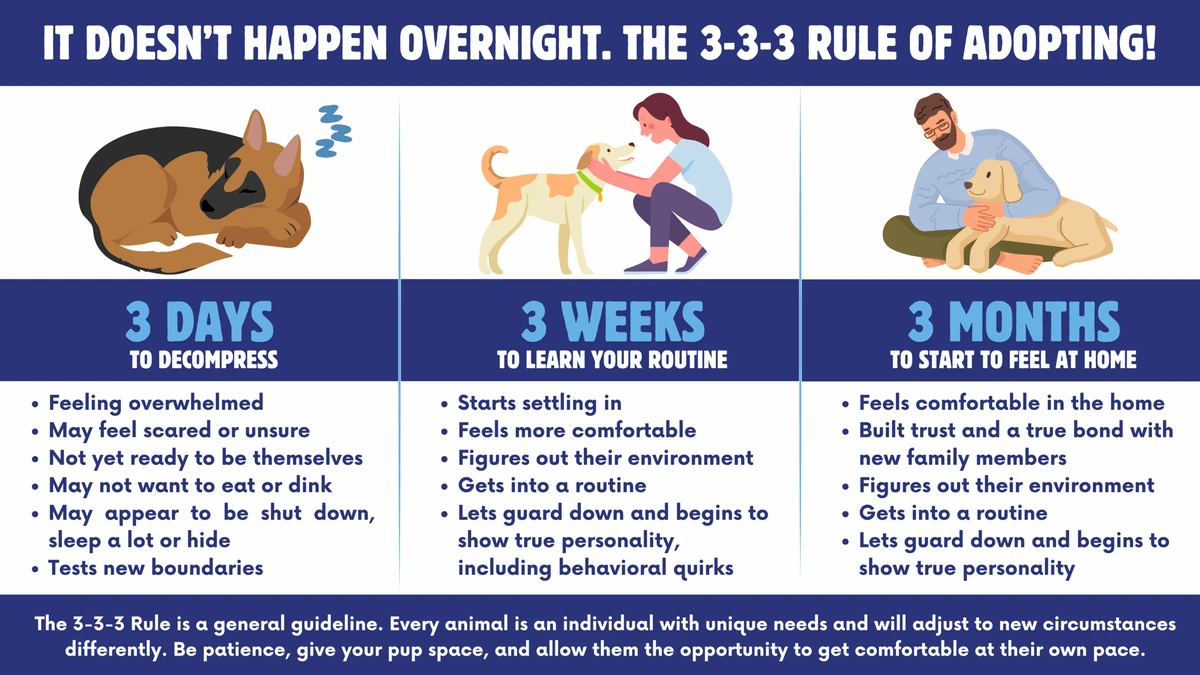
How to Educate Yourself About Pet Adoption Processes Today
PawVerde.com – Understanding the pet adoption process is essential for prospective adopters aiming to provide a loving home while complying with necessary legal and health requirements. This process involves multiple stakeholders, including animal shelters, rescue organizations, foster parents, and adoption counselors, all contributing to a structured approach that ensures pets are matched with suitable families. Key steps encompass researching adoption sources, fulfilling state-mandated documentation, engaging in in-person pet meetings, and preparing one’s home for a new companion. Adoption fees, application procedures, and post-adoption responsibilities further define the journey toward successful pet ownership.
Pet adoption is governed by a framework of legal and health requirements that vary by state but typically mandate valid vaccination records and a Certificate of Veterinary Inspection (CVI) to confirm the animal’s health status. State governments enforce these regulations to prevent disease transmission and ensure the welfare of both adopted pets and the community. Adopters must be prepared to manage transportation logistics, especially when pets are relocated from out-of-state shelters or foster homes, requiring compliance with additional documentation and quarantine rules. Resources such as state animal control websites and national organizations like the ASPCA provide updated information on regional adoption laws, facilitating adherence to these mandates.
Local animal shelters and rescue organizations serve as primary adoption venues, offering direct access to pets in need. Online platforms such as Petfinder and Adopt A Pet™ have revolutionized the search for adoptable animals, aggregating listings from vetted shelters and rescues nationwide. These digital resources enable adopters to filter pets by species, breed, age, and location, streamlining the initial selection process. Trustworthy adoption sources maintain transparency about the animals’ health, behavior, and history, often verified by adoption counselors who guide prospective adopters through the process. Confirming the credibility of these organizations is critical to avoid scams and ensure that adoption supports genuine animal welfare efforts.
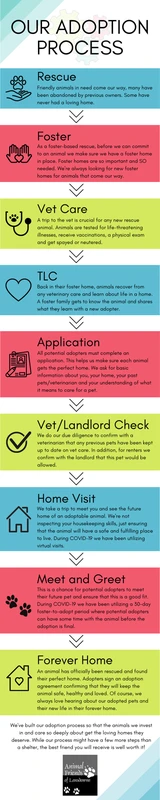
The adoption procedure begins with an assessment of adopter readiness, which includes age verification—most shelters require applicants to be at least 18 years old—and presenting valid identification. Adoption applications vary; some shelters employ detailed forms covering lifestyle, home environment, and pet care experience, while others use conversational counseling to tailor recommendations. In-person meetings are fundamental, allowing adopters to observe pet behavior and compatibility without physical barriers. Foster pet meet-and-greet sessions often necessitate scheduling with foster parents to facilitate interaction in a home-like setting. Upon selection, adopters sign legally binding adoption contracts outlining responsibilities and receive adoption packets containing vaccination certificates, health records, and care guidelines. Adoption fees typically range based on the animal’s age and medical needs; however, many shelters offer fee waivers or reductions to increase accessibility, especially during special adoption events or for senior pets.
Preparing a home for a new pet extends beyond physical arrangements to include evaluating compatibility with the adopter’s lifestyle, household members, and existing animals. Space considerations and daily routines influence the choice of pet species and breed, impacting long-term care and behavior management. Renters face additional legal considerations, as landlords may impose pet restrictions or require deposits; obtaining written permission and reviewing lease agreements are critical steps. Introduction protocols recommend gradual familiarization to minimize stress, employing controlled environments and positive reinforcement techniques. Adoption counselors often provide customized advice to facilitate smooth transitions, emphasizing patience and consistent care.
Post-adoption care encompasses ongoing medical attention, including follow-up vaccinations, microchipping, and licensing per local ordinances. Training and enrichment activities are vital for the pet’s behavioral development and socialization, with many shelters and rescue groups offering or recommending professional pet trainers. Access to community resources—such as support groups, veterinary clinics specializing in adopted animals, and behavioral counseling—strengthens the adopter’s capacity to address challenges. Continued communication with the adoption shelter or organization ensures that adopters receive timely guidance and can report concerns, bolstering animal welfare throughout the pet’s lifetime.
To enhance the adoption experience, shelters and rescue organizations increasingly adopt flexible policies aimed at reducing procedural barriers. Adoption counselors play a pivotal role in client engagement by offering personalized support, clarifying expectations, and addressing concerns promptly. Community involvement initiatives—such as educational workshops and volunteer opportunities—build trust and foster long-term relationships between adopters and animal welfare entities. Streamlining application processes with digital platforms and integrating foster care meet-and-greet practices contribute to higher adoption success rates and improved pet placement outcomes.
| Adoption Step | Key Entities Involved | Typical Requirements | Notes |
|---|---|---|---|
| Research Adoption Sources | Animal shelters, rescue organizations, online platforms (Petfinder, Adopt A Pet™) | Verification of source credibility | Use official websites and shelter profiles |
| Legal & Health Documentation | State governments, veterinarians | Vaccination records, Certificate of Veterinary Inspection, valid ID | May vary by state; out-of-state transport requires additional compliance |
| Application & Counseling | Adoption counselors, shelter staff | Application forms or interviews, age verification | Some shelters use conversational approaches to assess fit |
| Meet & Greet | Foster parents, shelter staff | In-person interaction with pets | Critical for assessing pet compatibility |
| Contract & Fees | Shelters, adoption agencies | Signed adoption contract, payment of fees or fee waiver | Contracts outline adopter responsibilities |
| Home Preparation | Adopter, landlords (if renting) | Pet-proofing, landlord approval | Gradual introduction advised |
| Post-Adoption Care | Veterinarians, trainers, adoption organizations | Vaccinations, training, licensing | Ongoing support recommended |
Educating oneself about the pet adoption process requires a comprehensive understanding of legal obligations, shelter procedures, and responsible pet care. Prospective adopters benefit from consulting reputable organizations such as the Best Friends Animal Society, ASPCA, Humane Society of the United States, and local animal services to access accurate information and support. Adoption counselors serve as vital resources, guiding applicants through the nuances of application submission, contract comprehension, and home preparation. Recognizing the importance of meeting pets in person and fostering transparent communication with foster parents enhances the likelihood of successful matches. By integrating these elements, adopters contribute to a sustainable ecosystem of animal welfare and community engagement.
Frequently Asked Questions
What are the typical legal requirements for adopting a pet?
Legal requirements usually include being at least 18 years old, providing valid photo identification, and submitting vaccination records or health certificates as mandated by state laws. Some states require microchipping and licensing post-adoption. Compliance with these regulations ensures the health and safety of both pets and the community.
How can I find trustworthy adoption sources?
Start by researching local animal shelters and rescue organizations with established reputations. Use verified online platforms like Petfinder and Adopt A Pet™, which aggregate listings from credible shelters. Confirm transparency in pet health disclosures and availability of adoption counseling services before proceeding.
What does the adoption application process involve?
Applications may consist of detailed forms assessing your lifestyle and home environment or conversational interviews conducted by adoption counselors. These processes help shelters determine if you are a suitable match for the pet and inform recommendations based on your capacity to provide proper care.
Can adoption fees be waived or reduced?
Many shelters offer fee waivers or discounts during special events, for senior pets, or to individuals facing financial hardship. It is advisable to inquire directly with the shelter or rescue organization about available programs and eligibility criteria before application.
What should I prepare before bringing a new pet home?
Preparation includes pet-proofing your living space, obtaining landlord approval if renting, and planning introductions with family members and existing pets. Gathering essential supplies—such as food, bedding, and toys—and scheduling initial veterinary appointments are also crucial for a smooth transition.
Understanding these aspects equips potential adopters with the knowledge to navigate the pet adoption process effectively, ensuring a positive outcome for both animals and their new families. Future developments may emphasize further simplification of application methods, expanded community support networks, and enhanced collaboration between shelters and adopters to maximize successful placements.
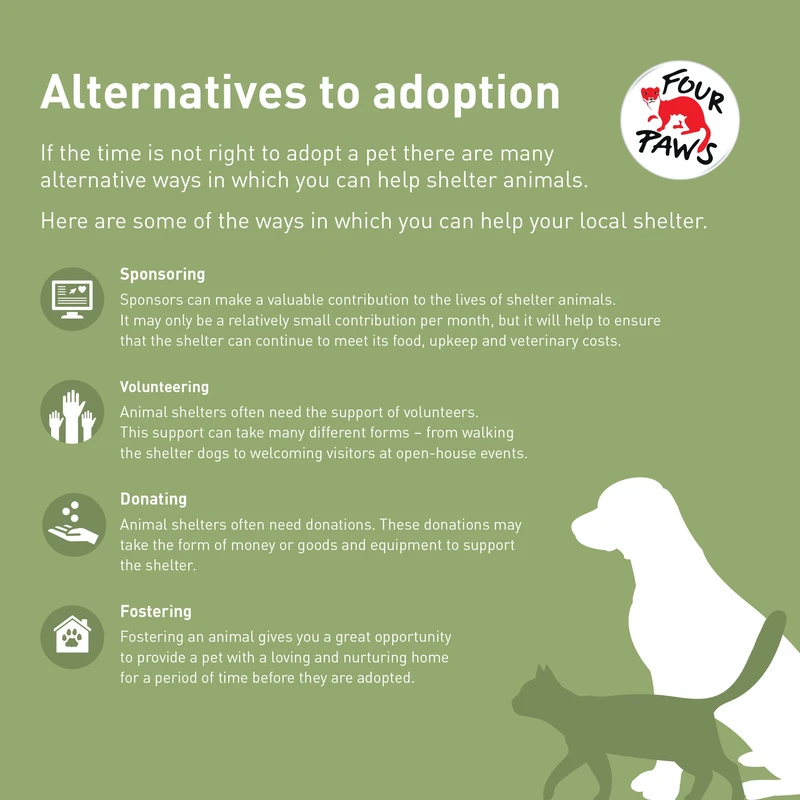
Difference Between Fostering and Adopting Pets Explained
PawVerde.com – Providing temporary care to pets waiting for permanent homes, fostering plays a vital role in animal welfare by helping animals adjust to family environments and relieving shelter overcrowding. In contrast, adopting a pet entails a lifelong commitment where the adopter assumes full legal ownership and responsibility for the animal’s well-being. foster-to-adopt programs have emerged as a transitional solution, allowing prospective owners to trial a pet before finalizing permanent adoption, enhancing compatibility and reducing return rates. This article examines the distinctions between fostering and adopting pets, clarifies the responsibilities involved, and explores the impact of these roles on animal shelters and rescue organizations.
Core Differences Between Fostering and Adopting Pets
Fostering involves providing temporary shelter and care for animals, often ranging from a few days to over a year, depending on the pet’s readiness for adoption. animal shelters and rescues rely on foster caregivers to provide safe environments, socialization, and medical monitoring during this interim period. Legally, foster caregivers do not hold ownership; the shelter or rescue organization maintains custody and oversees the pet’s health and placement decisions. This temporary status allows shelters to alleviate overcrowding and better allocate resources for incoming animals.
Adoption, by contrast, transfers full legal ownership and lifelong responsibility to the adopter. This permanent commitment includes providing food, shelter, veterinary care, training, and emotional support for the duration of the pet’s life. Adopters undergo application and screening processes conducted by animal welfare organizations to ensure suitability and preparedness for this long-term responsibility. adoption fees often cover medical care such as vaccinations, spaying/neutering, and microchipping.
Fostering can be seen as a flexible, short-term role, whereas adoption requires a stable, enduring arrangement. The legal and emotional distinctions are significant: fosters serve as temporary caregivers facilitating transition, while adopters become the pet’s definitive guardians.
The Role and Responsibilities of a Foster Caregiver
Foster caregivers provide more than just shelter; they create nurturing environments tailored to each animal’s needs. Responsibilities include daily feeding, cleaning, socialization, and transportation to veterinary appointments. Fosters often manage medical regimens such as administering medications or overseeing recovery from surgery, working closely with shelter veterinarians or rescue medical teams.
Behavioral management is a critical aspect, with fosters helping pets overcome anxiety, fear, or socialization deficits resulting from shelter confinement or previous trauma. animal welfare organizations like BC SPCA and Kitten Around Cat Rescue provide training and resources to foster families, enabling them to identify and address behavioral issues early.
Fostering types vary: standard fostering involves caring for healthy animals awaiting adoption; hospice fostering provides end-of-life care to terminally ill pets in a compassionate home setting; emergency boarding supports animals displaced by natural disasters or urgent shelter overflow. Each requires specific skills and emotional preparedness, highlighting fostering’s diverse demands.
Communication with shelters is essential for reporting progress, updating medical status, and coordinating adoption events. Foster caregivers also contribute to intake assessments by offering firsthand observations that inform placement decisions.
Adoption as a Lifelong Commitment and Process
Adoption represents a permanent legal and emotional bond between the pet and the owner. The process typically involves submitting an application, undergoing interviews or home inspections, and paying adoption fees that fund shelter operations and veterinary care. Organizations like LA Animal Services emphasize matching pets with suitable homes to reduce return rates and enhance animal welfare.
Adopting an adult pet requires understanding potential behavioral needs and training challenges. Many animals from shelters may have experienced trauma, requiring patience and professional support. Adopters often engage in obedience training, socialization programs, or veterinary behaviorist consultations to establish lasting bonds.
Legal responsibilities extend beyond daily care to include licensing, microchipping, and compliance with local animal control regulations. The permanence of adoption necessitates thorough consideration of lifestyle compatibility, financial capability, and long-term plans.
Foster-to-Adopt Programs: Bridging Temporary and Permanent Care
Foster-to-adopt programs have gained popularity as transitional models combining fostering’s flexibility with adoption’s permanency. These initiatives allow potential adopters to foster a pet for a trial period, typically ranging from weeks to several months, before deciding on permanent adoption. This approach alleviates uncertainties for first-time pet owners and families with existing pets by assessing compatibility in a controlled environment.
Shelters implementing foster-to-adopt programs, such as Best Friends Animal Society, report increased adoption success rates and reduced return incidences. Medical care and supplies during the trial period are usually provided by the shelter, minimizing financial burdens on fosters. Foster-to-adopt arrangements require clear communication regarding responsibilities and contingencies should adoption not proceed.
This model supports animal welfare by providing personalized transition periods, enhancing socialization and easing the pet’s integration into permanent homes.
Benefits of Fostering for Animals and Shelters
Fostering significantly benefits shelter animals by providing individualized care tailored to each pet’s physical and emotional needs. Time spent in foster homes improves socialization, reduces stress-induced behaviors, and prepares animals for adoption environments. Studies from animal welfare organizations indicate that fostered pets have higher adoption rates and better post-adoption adjustment compared to those remaining solely in shelters.
Shelters benefit operationally by reducing overcrowding, enabling them to accept more animals and allocate resources more effectively. Lower shelter populations decrease the risk of euthanasia associated with capacity constraints.
community engagement through fostering fosters empathy and awareness about animal welfare. Foster families often become advocates, assisting in fundraising, education, and volunteer recruitment. Emotional rewards include the fulfillment of directly impacting an animal’s life and contributing to broader rescue efforts.
Considerations for Potential Fosters and Adopters
Prospective fosters and adopters must evaluate their capacity for pet care, including time, finances, and lifestyle compatibility. Fostering demands flexibility and willingness to manage temporary caregiving, while adoption requires preparedness for a lifelong commitment with associated responsibilities.
Introducing foster pets into homes with existing animals requires careful planning to ensure safety and harmony. Shelters often provide guidelines and support for gradual introductions and behavioral management.
Rescue organizations and shelters offer resources such as training workshops, veterinary assistance, and 24/7 support to foster families and adopters. Understanding these supports can alleviate concerns and enhance caregiving success.
Potential foster applicants must complete screening processes to verify suitability, including home visits and reference checks, ensuring the pet’s safety and welfare.
Practical Insights and Case Studies from Foster Families
Experienced foster families emphasize the emotional complexity of temporary caregiving, balancing attachment with the knowledge that pets will eventually move to permanent homes. Hospice fostering, in particular, demands resilience and compassion, providing comfort to terminally ill animals in their final days.
Case studies from Kitten Around Cat Rescue illustrate successful foster-to-adopt transitions where foster caregivers become permanent adopters after trial periods. These stories highlight the mutual benefits: pets find stable homes, and fosters deepen their commitment through firsthand experience.
Such insights underscore the importance of clear expectations and open communication between fosters and shelters to navigate challenges effectively.
Support and Resources Provided by Animal Shelters and Rescues
Leading animal welfare organizations provide comprehensive support to foster and adoptive families, including medical supplies, food, training materials, and behavioral consultation. For example, BC SPCA offers subsidized veterinary care and emergency support to foster caregivers.
Training programs address pet behavior, health care, and emergency procedures, enhancing foster families’ ability to manage diverse animal needs. Some rescues maintain online communities and communication platforms for peer support and knowledge sharing.
Emergency foster programs activate during crises, providing rapid deployment of trained caregivers to accommodate displaced animals. These organized efforts require collaboration between shelters, volunteers, and veterinary professionals.
Future Trends in Pet Fostering and Adoption
Emerging trends in animal welfare emphasize technology integration, such as adoption apps and virtual meet-and-greets, facilitating faster placement and broader outreach. Data analytics help shelters optimize foster-to-adopt matches and monitor animal welfare indicators.
Increased recognition of hospice fostering addresses gaps in end-of-life care, focusing on dignity and quality of life for senior and terminal pets. Expansion of foster networks and community partnerships aims to reduce shelter reliance and enhance individualized care.
Sustainable adoption practices increasingly focus on education and support to ensure long-term success, minimizing returns and promoting responsible pet ownership.
—
Frequently Asked Questions
What is the main difference between fostering and adopting a pet?
Fostering provides temporary care and shelter to animals awaiting permanent homes, without transferring legal ownership, while adopting is a lifelong commitment where the adopter assumes full responsibility and legal rights over the pet.
How long does fostering typically last?
Fostering durations vary widely, from a few days in emergency situations to several months or over a year, depending on the animal’s health, behavior, and shelter placement timelines.
Can I adopt a pet I am fostering?
Many shelters offer foster-to-adopt programs that allow caregivers to trial living with a pet before deciding on permanent adoption. This helps ensure compatibility and reduces return rates.
What support do shelters provide to foster families?
Shelters often supply food, medical care, training resources, and ongoing support to foster caregivers. Some organizations also offer financial assistance for veterinary expenses.
Are there special considerations when adopting senior or hospice pets?
Adopting senior or hospice pets requires awareness of their medical needs, potential behavioral changes, and commitment to providing comfort and specialized care, often supported by foster programs focused on end-of-life care.
—
Adopting or fostering pets represents complementary pathways within animal welfare, each with unique responsibilities and benefits. Potential caregivers should assess their readiness, seek support from credible rescue organizations, and consider foster-to-adopt options to make informed decisions that promote animal well-being and shelter sustainability. As fostering networks and adoption programs evolve, they continue to enhance outcomes for pets and communities alike.
Private vs Public Pet Adoption: Key Pros and Cons Explained
PawVerde.com – Private and public pet adoption represent two primary avenues for acquiring companion animals, each with distinct benefits and challenges. Understanding these differences is essential for prospective adopters aiming to make informed, ethical decisions that align with their lifestyle, budget, and values. public animal shelters often operate at larger scales, housing diverse populations of pets ranging from mixed breeds to animals with special needs, typically offering lower adoption fees inclusive of veterinary services such as vaccinations, microchipping, and spay/neuter procedures. In contrast, private rescue organizations tend to work with smaller groups, providing personalized care, in-depth knowledge of each pet’s behavioral and medical history, and more rigorous screening processes for adopters.
Choosing between private and public pet adoption involves weighing cost, health history, and ethical factors: private rescues often provide personalized care, vetting, and return flexibility, while public shelters offer lower fees and help reduce overpopulation but may have less detailed pet backgrounds. These options differ significantly in terms of pet selection, health guarantees, and adoption policies, making it crucial to evaluate individual priorities before committing.
Benefits of Public (Shelter) Pet Adoption
Public shelters and municipal animal control facilities play a critical role in managing pet overpopulation and providing refuge for surrendered, stray, or abused animals. One of the most significant impacts of public shelter adoption is the direct contribution to reducing shelter overcrowding and euthanasia rates. According to national animal welfare statistics, shelters in the United States collectively save millions of animals annually, with adoption fees frequently covering essential veterinary care that lowers upfront costs for adopters.
Adoption fees at public shelters typically include vaccinations, spaying or neutering, and microchipping, which are essential for preventing disease spread and unwanted litters. This bundled veterinary care lowers the financial barrier to pet ownership and ensures that adopted animals enter homes with baseline health protections. Moreover, shelters offer pets of all ages and sizes, including adult and senior animals, which often have lower adoption fees than puppies or kittens.
Mixed breed dogs, commonly found in shelters, tend to exhibit greater genetic diversity, which can reduce the likelihood of inherited health problems compared to purebred animals. This genetic advantage often translates into fewer veterinary expenses over the pet’s lifetime. Public shelters also implement community-focused policies that support rehoming efforts and provide ongoing resources to adopters, such as behavioral training referrals and low-cost veterinary clinics, enhancing the long-term success of adoptions.
Benefits of Private Rescue Pet Adoption
Private rescue organizations and breed-specific rescues operate on a smaller scale but offer highly individualized care and attention to each animal. These groups often have fewer pets available at any given time, allowing for thorough medical evaluations and detailed documentation of each animal’s personality, behavioral history, and special needs. This level of detail enables prospective adopters to match with pets that fit their lifestyles more precisely.
Adoption screening processes in private rescues tend to be more rigorous, involving home visits, interviews, and follow-ups, which can improve adoption outcomes by ensuring compatibility and preparedness. Furthermore, many private rescues offer flexible return policies, recognizing that adopter circumstances may change and providing a safety net that protects both the pet and the adopter.
Breed-specific rescues, such as those affiliated with the Bernese Mountain Dog Club of America or the Bulldog Club of America, specialize in purebred animals and often collaborate with certified breeders who adhere to stringent health and ethical standards. These partnerships facilitate access to well-vetted pets with documented pedigrees and health guarantees, appealing to adopters seeking specific breeds without supporting puppy mills.
Challenges and Limitations of Public Shelter Adoption
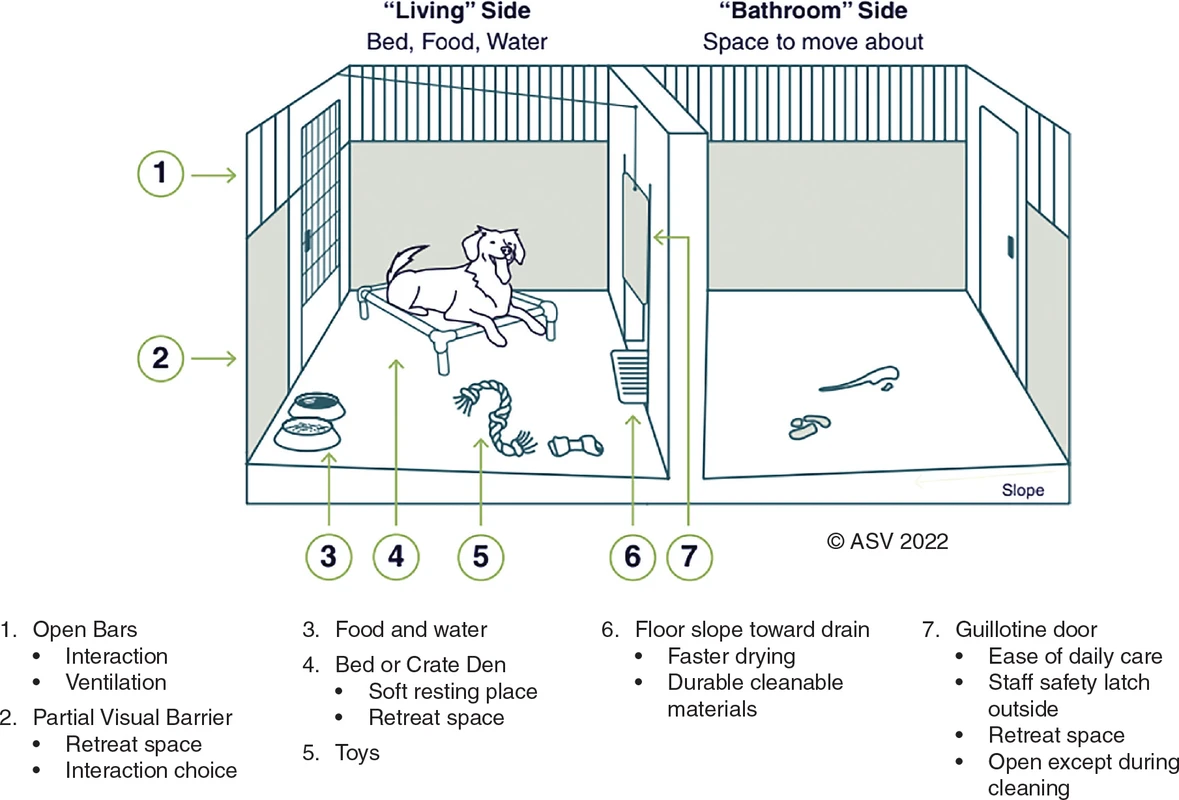
While public shelters provide critical services, they face challenges that can affect adopters’ experiences. Overcrowding is a persistent issue, with many shelters operating at or beyond capacity. This strain can limit the time and resources available for individualized pet care, leading to less comprehensive behavioral assessments or incomplete medical histories.
Shelters often accept all animals regardless of health or behavior, which means some pets may require significant post-adoption training, socialization, or medical treatment. Limited staff and volunteer resources can result in faster adoption processes, sometimes at the expense of thorough adopter screening or matching.
Additionally, adopters may encounter a narrower selection of purebred pets or pets with specific traits, as shelters predominantly house mixed-breed or stray animals. The lack of detailed behavioral and medical backgrounds can introduce uncertainty, requiring adopters to invest time and effort in ongoing training and veterinary care.
Challenges and Limitations of Private Rescue Adoption
Private rescues, despite their advantages, face distinct operational constraints. Due to smaller intake capacities and reliance on donations and volunteer labor, these organizations may have limited availability of pets, creating longer wait times for prospective adopters. The intensive screening and matching process, while beneficial for adoption success, can be perceived as cumbersome or restrictive.
Resource limitations may impact the extent of veterinary care or rehabilitation provided prior to adoption, particularly for rescues without stable funding. Private rescues may also lack the infrastructural support of larger shelters, making them vulnerable to fluctuations in volunteer engagement or donation levels, which can affect adoption services and follow-up support.
Comparison with Buying from Breeders
Purchasing pets from breeders offers advantages such as breed predictability, controlled genetics, and health guarantees backed by certifications. Certified breeders, adhering to standards set by organizations like the Bernese Mountain Dog Club of America or the Bulldog Club of America, often provide detailed pedigrees and vetting procedures, including genetic testing to minimize hereditary disorders.
However, buying from breeders typically involves significantly higher costs, including purchase prices and ongoing care for breed-specific health issues. Ethical considerations also arise, as some breeders contribute to pet overpopulation or prioritize profit over animal welfare, exacerbating shelter overcrowding.
In contrast, adopting from shelters or rescues supports animal welfare initiatives and reduces the demand for commercial breeding operations. Mixed breed pets from adoption sources tend to have fewer inherited health problems and often display more varied temperaments, which can be advantageous for certain owners.
| Aspect | Public Shelter Adoption | Private Rescue Adoption | Buying from Breeders |
|---|---|---|---|
| Cost | Lower adoption fees, inclusive of basic vet care | Moderate fees, sometimes higher due to specialized care | High purchase price plus additional health costs |
| Pet Selection | Wide variety, mostly mixed breed, all ages | Smaller pool, often breed-specific or special needs | Purebred with pedigree and health guarantees |
| Health & Vetting | Basic vetting included; histories may be incomplete | Comprehensive vetting, detailed medical histories | Extensive health screening, genetic testing |
| Adoption Process | Generally quicker, less rigorous screening | Lengthier, strict screening and matching | Direct sale, minimal screening |
| Ethical Considerations | Supports reducing overpopulation, euthanasia prevention | Supports specialized care and rescue efforts | Risk of contributing to overpopulation if unethical |
| Return Policy | Varies, often limited | More flexible, with adopter support | Usually no returns or exchanges |
Ethical and Practical Considerations in Choosing a Pet
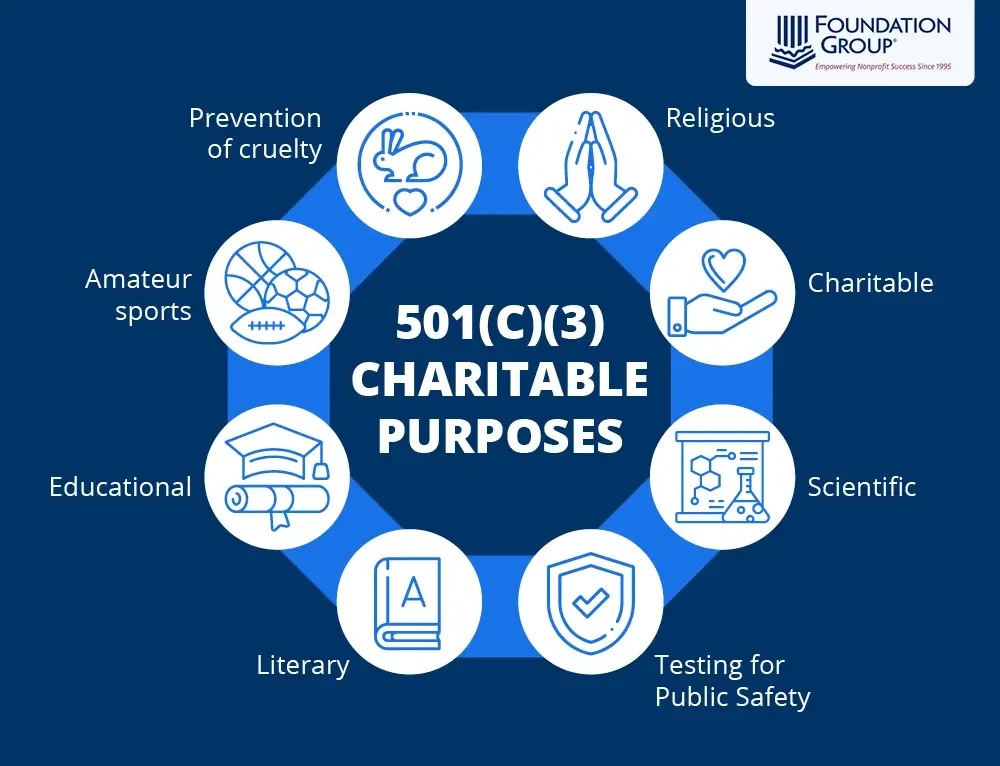
Supporting animal welfare through adoption addresses the critical issue of pet overpopulation, which results in millions of animals being euthanized annually. Choosing adoption over purchasing from commercial breeders reduces demand for unethical breeding practices and promotes responsible pet ownership.
Matching a pet’s temperament, energy level, and care requirements with the adopter’s lifestyle is essential for long-term success. Private rescues’ detailed behavioral profiles facilitate this alignment, while public shelters may require adopters to invest more effort in understanding their new pet’s needs.
Commitment to lifelong care, including veterinary maintenance, training, and socialization, is a non-negotiable aspect of ethical pet acquisition. Adopters must evaluate their capacity to provide stable, loving homes regardless of the source.
FAQ
What are the main differences between private and public pet adoption?
Private pet adoption involves smaller rescue groups with personalized care, detailed pet histories, and stricter adopter screening. Public pet adoption occurs through animal shelters with larger pet populations, generally lower fees, and broader availability but sometimes less detailed information on each animal.
Are adoption fees from shelters cheaper than private rescues?
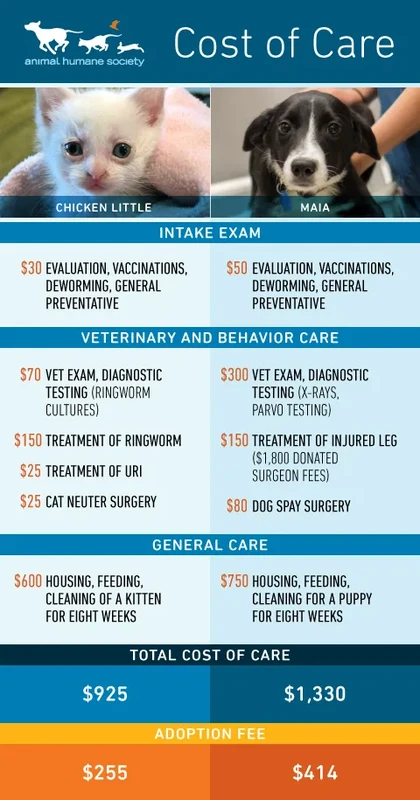
Yes, public shelter adoption fees are typically lower and often include vaccinations, spay/neuter, and microchipping. Private rescues may charge higher fees reflecting the additional care, medical treatment, and screening they provide.
Do private rescues offer better behavioral matching than shelters?
Generally, yes. Private rescues usually have detailed knowledge of a pet’s personality and conduct thorough screening to match adopters, which can lead to better behavioral outcomes post-adoption.
Is adopting a mixed breed healthier than buying a purebred dog?
Mixed breed pets often benefit from greater genetic diversity, which can reduce the risk of inherited health problems common in some purebred lines. However, health also depends on the individual animal’s history and care.
Can I return a pet if adoption doesn’t work out?
Return policies vary; private rescues tend to offer more flexible return or exchange options to support adopters, whereas public shelters may have more limited or strict return policies.
As the pet adoption landscape continues to evolve, prospective owners are encouraged to assess their priorities critically, considering health, ethical implications, and long-term commitment. Both private rescue and public shelter adoption offer viable pathways to providing loving homes for animals in need, with each option carrying distinct practical and moral considerations. Future trends indicate increasing collaboration between breeders, rescues, and shelters to promote responsible pet acquisition and enhance animal welfare standards nationwide.