

Natural Pet Allergy Relief: Holistic & Household Protocols
PawVerde.com – Natural relief for pet allergy symptoms involves a combination of topical soothing agents, systemic supplements, and rigorous environmental controls. While holistic methods like oatmeal baths and quercetin are effective for mild cases, veterinary intervention is required if symptoms escalate to intense itching, hair loss, or secondary skin infections.
Research has suggested that spirulina may be more effective than the medical antihistamine cetirizine in improving allergic symptoms in patients with allergic rhinitis.
The Synchronized Household Protocol: Managing Human and Pet Allergies Simultaneously
To manage a household where both humans and pets suffer from allergies, implement a synchronized protocol: use HEPA air purifiers to capture airborne dander, wash all bedding at 60°C to eliminate dust mites, and use topical soothing agents like oatmeal baths for pets alongside human-safe saline rinses.
The 24-Hour Environmental Reset
Effective allergen management requires addressing the physical environment rather than just treating individual symptoms. According to the NHS, washing bedding at 60°C is a critical step to reduce the dust mite burden within the home. This temperature ensures that allergens embedded in fabrics are neutralized. Relying solely on cold water cycles often fails to eliminate the microscopic triggers that sustain chronic respiratory irritation.
Maintaining clean air is equally vital. Using HEPA air purifiers helps capture fine particulate matter, including pet dander, before it can settle on surfaces or be inhaled. Without high-efficiency filtration, dander remains suspended in the air, creating a continuous cycle of exposure for both the pet and the owner.
Managing the ‘Invisible Cloud’ of Dander
Dander acts as an invisible cloud that permeates living spaces. For humans, managing this cloud can be achieved through consistent nasal irrigation. Wyndly reports that twice-daily nasal irrigation using isotonic or hypertonic saline solutions can reduce allergy symptoms by 27-62%. This mechanical flushing helps remove trapped allergens from the nasal passages.
To prevent the redistribution of allergens, environmental control should include using HEPA air purifiers and regular vacuuming. A synchronized approach ensures that both the human respiratory system and the pet’s skin are addressed through simultaneous environmental and biological interventions.
Symptom Severity Escalation: When to Move from Natural to Medical Relief
Holistic treatments work better for milder cases of allergies. However, there is a clear threshold where natural interventions become insufficient to manage the physiological damage caused by chronic inflammation.
PetMD notes that holistic treatments are insufficient if skin infections are present. When an allergy progresses beyond simple irritation, the risk of secondary complications increases. If a dog has intense itching, significant hair loss, and reddened or infected skin, a traditional allergy option, such as Apoquel or Cytopoint, may be necessary at first.
PetMD notes that traditional therapies are preferred if dogs exhibit moderate to severe allergy symptoms. While a chamomile compress might soothe minor redness, it cannot resolve the underlying immune dysregulation or the bacterial load present in an infected lesion.
Natural Supplement Efficacy Guide: Speed of Action and Dosage
Natural relief varies by speed: topical remedies like oatmeal baths provide immediate relief for skin irritation, while systemic supplements like quercetin (500-1000mg daily) and probiotics (10-20 billion CFUs) require consistent use over time to modulate the immune response and reduce histamine levels.
Immediate Topical Relief
Topical applications target the skin directly to interrupt the itch-scratch cycle. These methods provide physical relief for acute skin itching, such as through an oatmeal soak, without altering the body’s underlying immune response.
Long-term Systemic Support
Systemic supplements aim to stabilize the immune system’s reaction to allergens. For example, Dogs Naturally Magazine notes that quercetin, known as “Nature’s Benadryl,” acts as a natural antihistamine and anti-inflammatory, reducing histamine levels that trigger allergic reactions. Achieving these results requires adherence to specific protocols over weeks or months.
| Remedy/Supplement | Mechanism of Action | Best Use Case | Expected Speed |
|---|---|---|---|
| Oatmeal Bath | Topical soothing/barrier | Acute skin itching | Immediate |
| Quercetin | Natural antihistamine | Chronic systemic allergy | Slow (Weeks) |
| Probiotics | Immune modulation | Long-term gut health | Slow (Months) |
| Apoquel/Cytopoint | Targeted medical blockade | Moderate to severe symptoms | Fast (Hours/Days) |
The table above compares immediate topical relief against the long-term management required for systemic stability. Users can choose between surface-level soothing and biological triggers like quercetin or probiotics.
| Supplement | Target Dosage | Source/Reference |
|---|---|---|
| Quercetin | 500-1000mg daily | Wyndly |
| Probiotics | 10-20 billion CFUs | Wyndly |
| Butterbur (PA-free) | 50-75mg daily | Wyndly |
| Ceylon Cinnamon | 1-2 grams daily | Wyndly |
| Spirulina | 2 grams daily | Medical publication |
| Nettle Tincture | 2 drops per 10 lbs | Dogs Naturally Magazine |
Dosage accuracy is paramount when administering herbal supplements. For instance, nettle tincture for dogs requires a precise calculation of 2 drops per 10 lbs of body weight to ensure safety and efficacy.
The Natural Remedy Safety Matrix: Avoiding Toxic Pitfalls
Applying human-grade “natural” solutions to pets can lead to life-threatening complications. For example, PetMD warns that herbs like aloe vera and lavender pose serious safety risks for dogs and should be avoided.
One of the most critical dangers involves decongestants. According to the Animal Humane Society, do not use a decongestant or anything that contains pseudoephedrine, such as Claritin-D. Even small amounts of pseudoephedrine can be lethal in dogs.
| Substance | Risk Level | Reason for Caution |
|---|---|---|
| Pseudoephedrine | Lethal | Causes severe toxicity in dogs |
| Aloe Vera | High Risk | Poses serious safety risks for dogs |
| Lavender | High Risk | Poses serious safety risks for dogs |
| Apple Cider Vinegar | Irritant | Can sting and irritate broken skin |
| Coconut Oil | Low Efficacy | May trap heat and moisture in skin |
Common misconceptions often lead owners to use coconut oil as a universal remedy. However, Vetster reports that while coconut oil has mild moisturizing properties, it is not proven to relieve allergic itch or inflammation in dogs. Furthermore, applying it to inflamed skin may inadvertently trap heat and moisture, potentially exacerbating the irritation.
Topical Home Remedies for Skin Irritation
When symptoms are limited to localized skin redness or itching, specific topical methods can provide relief without the need for systemic medication.
- Oatmeal Soak: Pure Paws veterinary care recommends grinding plain, unsweetened oatmeal into a fine powder. This powder should be mixed into lukewarm bath water, and the dog should soak for 10-15 minutes to soothe the skin.
- Chamomile Compress: To address localized redness and swelling, brew chamomile tea and allow it to cool completely. Soak a clean cloth in the cooled tea and apply it as a compress to the irritated areas.
- Baking Soda Paste: For intense itching in specific spots, Dogs Naturally Magazine suggests mixing 1 tablespoon of baking soda with a small amount of water to create a paste. Apply this to itchy, reddened areas and leave it for a few hours before washing it off.
These methods, such as the oatmeal soak, are intended for surface-level management. They should not be used as a substitute for medical care if the skin barrier is significantly compromised or if an infection is suspected.
FAQ
Is coconut oil safe for a dog’s allergic skin?
While coconut oil has moisturizing properties, it is not proven to relieve allergic itch or inflammation and can potentially trap heat and moisture in inflamed skin.
Can I use human allergy medications for my pet?
No. Never use medications containing pseudoephedrine, as even small amounts can be lethal to dogs. Always consult a vet before administering any human-grade supplement.
How long should an oatmeal bath last?
For effective relief of skin irritation, soak your dog in a lukewarm oatmeal bath for 10-15 minutes.
How Air Quality Impacts Pet Health and Home Safety
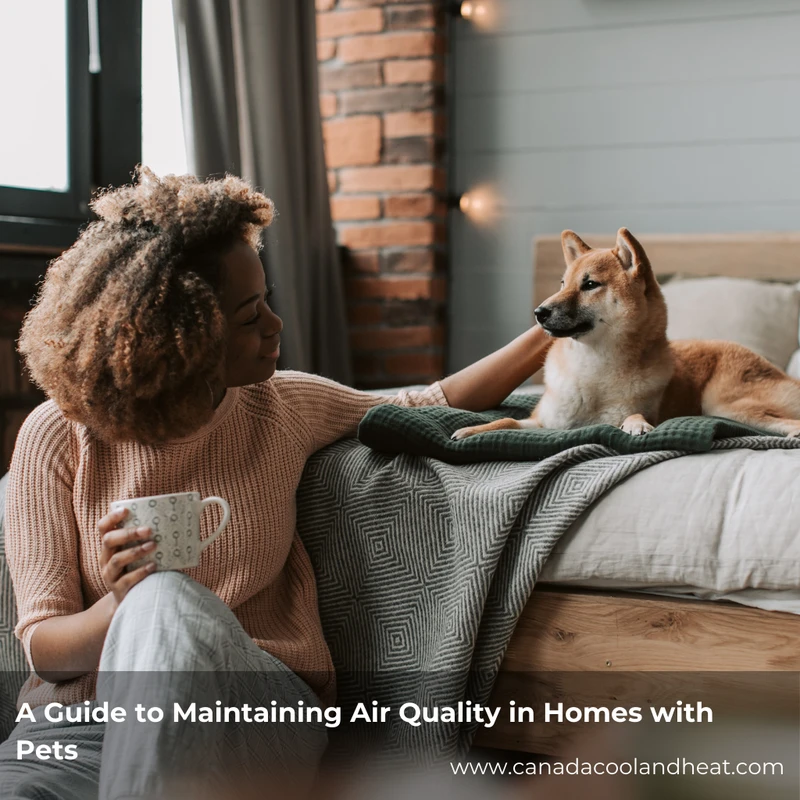
PawVerde.com – Maintaining optimal indoor air quality is critical for safeguarding the respiratory and immune health of pets, including dogs, cats, and birds. Scientific data links poor air quality in homes to a range of health issues in pets, from chronic respiratory diseases to immune system impairment and even cancer. Airborne pollutants such as particulate matter (PM2.5), volatile organic compounds (VOCs), and pet dander create a hazardous environment in enclosed spaces where pets spend most of their time. Veterinary professionals and environmental health experts emphasize the importance of active air quality management—including the use of HEPA-filter air purifiers, regular HVAC system maintenance, and vigilant monitoring of air pollution levels—to minimize pets’ exposure to harmful contaminants and allergens.
Pets are particularly vulnerable to indoor pollution due to their breathing zones being closer to the floor, where particulate matter and pet dander accumulate. Research from veterinary clinics such as Everhart Veterinary Medicine reveals that pets exposed to elevated levels of PM2.5 and VOCs exhibit higher incidences of respiratory issues like asthma, bronchitis, and chronic obstructive pulmonary disease. Young animals, seniors, and pets with pre-existing conditions such as heart disease or allergies are at heightened risk. The environmental protection Agency (EPA) Air Quality Index (AQI) serves as a valuable reference for pet owners to gauge outdoor air safety and take preventive measures when pollution levels reach hazardous thresholds.
Health Risks of Poor Air Quality for Pets
Scientific studies demonstrate that exposure to indoor pollutants exacerbates respiratory and immune system disorders in pets. Dogs and cats inhaling particulate matter and airborne allergens face increased risks of chronic bronchitis, allergic rhinitis, and even lung cancer. Birds, with their highly sensitive respiratory systems, are susceptible to toxin-induced respiratory distress and immune suppression. Veterinary research highlights that persistent inhalation of VOCs—common in household cleaners, paints, and scented products—can lead to systemic toxicity and chronic inflammation in pets.
Certain populations are especially vulnerable. Puppies and kittens, whose developing immune and respiratory systems cannot efficiently filter pollutants, suffer from increased susceptibility to infections and asthma-like symptoms. Senior pets experience diminished respiratory capacity and weakened immune defenses, compounding the effects of poor air quality. Additionally, pets with pre-existing conditions such as asthma, heart disease, or chronic allergies require heightened vigilance, as air pollutants can trigger severe exacerbations.
Signs indicating poor indoor air quality affecting pets include persistent coughing, sneezing, nasal discharge, lethargy, wheezing, and difficulty breathing. Behavioral changes such as reduced activity or decreased appetite may also signal respiratory distress related to environmental factors. Veterinary professionals recommend prompt evaluation when these symptoms arise, especially in homes with known air quality challenges.
Sources of Indoor Air Pollution in Pet Homes
Indoor air quality degradation in pet homes results from a complex interplay of natural and anthropogenic sources. Pet dander and hair are primary contributors to airborne allergens, often exacerbated by tracked-in dirt, pollen, and dust. These particulate allergens accumulate in carpets, upholstery, and HVAC ducts, circulating continuously in the breathing zones of pets.
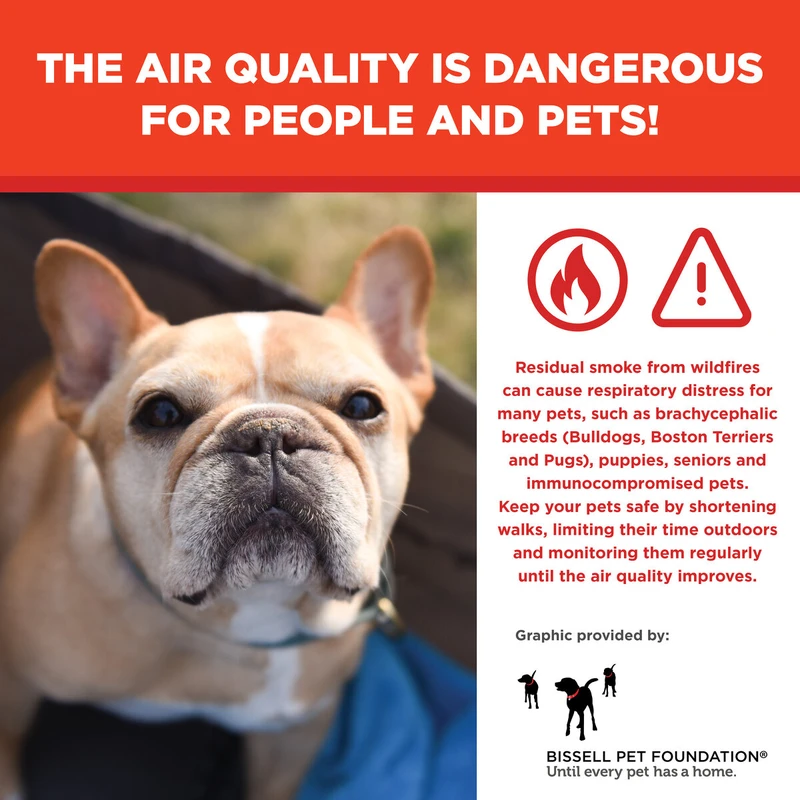
Household chemicals including cleaning agents, air fresheners, and paints release VOCs that contribute to indoor pollution. Combustion byproducts from smoking, cooking, and heating appliances add particulate matter and toxic gases to the indoor environment. Wildfire smoke, increasingly frequent in many regions, introduces high concentrations of PM2.5 that infiltrate homes, posing acute risks to pet respiratory health.
HVAC systems, while essential in climate control, can inadvertently circulate pollutants if filters are not properly maintained. Dirty or low-quality HVAC filters fail to capture pet dander, dust mites, and particulate matter, allowing contaminants to recirculate. Furthermore, poorly maintained ductwork harbors allergens and microbial growth, further degrading air quality.
Monitoring and Assessing Air Quality in Homes with Pets
Accurate monitoring of indoor air quality is crucial for timely identification and mitigation of pollution sources affecting pet health. Modern air quality monitoring devices capable of detecting PM2.5 and VOC concentrations provide valuable data within the specific breathing zones of pets. These portable or fixed sensors enable pet owners to assess pollutant levels in real-time and correlate symptoms with environmental factors.
The EPA’s Air Quality Index (AQI) offers standardized metrics to understand outdoor air pollution severity. AQI values above 100 indicate unhealthy air conditions, triggering recommendations to limit outdoor activity for pets. During wildfire events or pollution spikes, adhering to AQI advisories is essential to reduce pets’ exposure to hazardous particulates.
Combining indoor sensors with AQI data empowers pet owners to create safer environments by adjusting ventilation, limiting outdoor exposure, and deploying air purification technologies proactively.
Effective Strategies to Improve Air Quality for Pets
Utilizing air purifiers equipped with High-Efficiency Particulate Air (HEPA) filters is among the most effective interventions to reduce airborne pet allergens and harmful particulates. HEPA filters capture at least 99.97% of particles as small as 0.3 microns, including PM2.5, pet dander, and dust mites. Placement of air purifiers in common pet areas—living rooms, bedrooms, and near sleeping quarters—maximizes pollutant removal within pets’ breathing zones.
Complementing air purifiers, HVAC systems fitted with Minimum Efficiency Reporting Value (MERV) rated filters—preferably MERV 11 or higher—significantly reduce circulating allergens and particulate matter. Veterinary and environmental health guidelines recommend replacing HVAC filters every one to three months in homes with pets to maintain filtration efficacy. Neglecting timely filter changes leads to filter clogging and decreased air circulation, compounding indoor pollution problems.
Regular professional duct cleaning every 12 to 18 months further diminishes allergen buildup within HVAC systems, preventing redistribution of dust, pet hair, and microbial contaminants. Combining these measures creates a layered defense against airborne pollutants in pet environments.
Managing Outdoor Air Quality Risks
During periods of elevated outdoor pollution—such as wildfire smoke events or urban smog episodes—protective measures for pets are imperative. Keeping pets indoors with windows and doors securely closed limits infiltration of hazardous particulates. Using air conditioning in recirculation mode and deploying portable air cleaners indoors further improves air safety.
Limiting outdoor exercise and avoiding high-traffic or industrial areas during high AQI days reduces pets’ exposure to toxic particulates and gases. Veterinary experts advise monitoring AQI reports daily and adjusting pet activity accordingly to prevent respiratory distress and exacerbation of chronic conditions.
In regions prone to wildfire smoke, installing air purification systems capable of filtering ultrafine particles and VOCs becomes a vital component of pet health management.
Veterinary Perspectives and Recommendations
Veterinary professionals increasingly recognize indoor air quality as a critical factor in pet health. Insights from veterinary clinics, including Everhart Veterinary Medicine, highlight that environmental management—alongside nutrition and preventive care—is essential in mitigating respiratory and allergic diseases in pets. Veterinarians recommend routine screening for respiratory symptoms during wellness visits, especially in pets living in high-pollution areas or exposed to smoke events.
Prompt veterinary consultation is advised when pets exhibit persistent coughing, wheezing, nasal discharge, or lethargy that may relate to air pollution exposure. Diagnostic tools such as chest radiographs, bronchial cytology, and allergy testing assist in identifying pollutant-induced conditions. Treatment plans frequently incorporate environmental modifications alongside pharmacological interventions.
Veterinarians also emphasize the importance of educating pet owners on pollutant sources and mitigation strategies to foster healthier indoor environments.
Forward-Looking Analysis: Enhancing Pet Health Through Air Quality Innovation
Emerging technologies in air quality monitoring and purification promise to revolutionize pet health management. Integration of smart sensors with HVAC and air purifier systems enables automated pollutant detection and responsive filtration adjustments tailored to pet activity and environmental conditions. Advances in filter media targeting VOCs and ultrafine particles offer enhanced protection against chemical pollutants.
Environmental health research continues to refine AQI guidelines specific to vulnerable populations, including pets, facilitating more precise risk communication. Collaborative efforts across veterinary medicine, environmental science, and technology sectors will drive development of comprehensive air quality solutions for pet owners.
Proactive adoption of these innovations, combined with established best practices, will be instrumental in reducing the burden of air pollution-related diseases in pets, ultimately improving their quality of life and longevity.
| Air Quality Measure | Recommended Action | Relevance to Pets |
|---|---|---|
| HEPA Air Purifiers | Use in main living areas and pet sleeping zones | Removes 99.97% of PM2.5, pet dander, and allergens |
| MERV 11+ HVAC Filters | Replace every 1-3 months in pet homes | Reduces circulating pet hair, dust, and allergens |
| Air Quality Index (AQI) | Monitor daily; restrict outdoor activity when AQI > 100 | Prevents exposure to hazardous outdoor pollutants |
| Air Quality Monitors | Use indoor sensors to track PM2.5 and VOC levels | Enables early detection of poor indoor air quality |
| Ventilation & Duct Cleaning | Professional duct cleaning every 12-18 months | Reduces allergen buildup and microbial contaminants |
FAQ

Why is indoor air quality particularly important for pets?
Indoor air quality directly affects pets’ respiratory and immune health because pets inhale pollutants concentrated near the floor, including pet dander, dust, and particulate matter. Poor air quality increases risks of asthma, allergies, and chronic respiratory diseases in pets.
How often should HVAC filters be replaced in homes with pets?
HVAC filters in pet homes should be replaced every one to three months to ensure effective removal of pet hair, dander, dust, and other airborne allergens, maintaining optimal air circulation and filtration.
What types of air purifiers are most effective for pet homes?
Air purifiers equipped with HEPA filters are the most effective, capturing 99.97% of particles as small as 0.3 microns, including PM2.5, pet dander, and allergens. Selecting units sized appropriately for room dimensions and placing them near pet areas enhances effectiveness.
How can pet owners protect their animals during wildfire smoke events?
Pet owners should keep pets indoors with windows and doors closed, use air conditioning in recirculation mode, deploy portable air purifiers indoors, and limit outdoor exercise during periods of poor outdoor air quality indicated by high AQI values.
When should I consult a veterinarian regarding air quality-related symptoms in my pet?
Consult a veterinarian if your pet exhibits persistent coughing, wheezing, nasal discharge, lethargy, or breathing difficulties, especially if symptoms correlate with exposure to smoke, dust, or household pollutants.
—
Addressing the multifaceted challenge of indoor air pollution in pet environments requires informed, proactive strategies combining technology, veterinary insight, and environmental awareness. As air quality monitoring and filtration technologies evolve, pet owners are better equipped to create safe, healthy living spaces that support the long-term respiratory and immune health of their companion animals.