
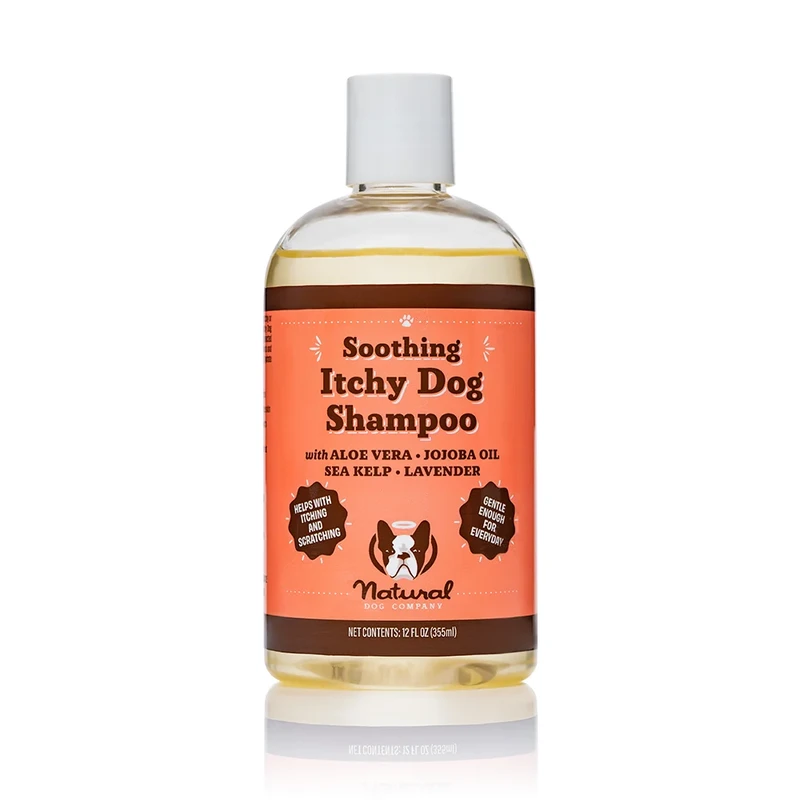
Best Organic Pet Shampoos for Itchy Skin: 2026 Guide
PawVerde.com – The best organic pet shampoos for itchy skin prioritize ingredients like colloidal oatmeal, aloe vera, and neem to soothe irritation without disrupting the skin’s natural pH. For maximum efficacy, look for USDA Certified Organic labels to avoid ‘greenwashed’ products containing hidden sulfates, artificial fragrances, or harsh alcohols.
Colloidal oatmeal was officially approved by the FDA as a skin protectant agent in 2003, making it a clinically recognized gold standard for soothing irritation. This recognition stems from its ability to form a protective moisture barrier on the skin, which helps lock in hydration and prevent water loss.
The Organic Label Decoder: Spotting Greenwashing in Pet Care
To verify if a pet shampoo is truly organic, look for ‘USDA Certified Organic’ seals rather than vague terms like ‘natural-inspired’ or ‘botanical extracts.’ True organic products must meet strict regulatory standards, whereas ‘natural’ labels often hide synthetic sulfates, artificial fragrances, and alcohols that can disrupt a dog’s skin pH.
The ‘Natural’ vs. ‘Certified Organic’ distinction
Many manufacturers use “greenwashing” tactics to imply a product is safer than it actually is. A common failure mode occurs when owners purchase products labeled “botanical” or “natural” only to find that the formula contains harsh surfactants. In 2003, Vermont Soap introduced the first USDA Certified Organic Pet Shampoo, setting a benchmark for what true organic certification requires. Unlike generic “natural” claims, USDA certification ensures that ingredients are grown and processed without synthetic pesticides or prohibited substances.
Red-flag ingredients to avoid
To protect the skin barrier, avoid shampoos made for people or those containing fragrances, alcohol, or essential oils. According to Vetster, these specific ingredients can disrupt a dog’s natural skin pH and worsen existing irritation.
- Sulfates: These create a rich lather but strip the skin of its natural protective oils.
- Artificial Fragrances: Often the primary cause of contact dermatitis in sensitive pets.
- Harsh Alcohols: These can lead to excessive dryness and flakiness.
Symptom-to-Ingredient Matrix: Matching Botanicals to Itch Types
Effective treatment requires matching the ingredient to the specific biological cause of the irritation. For example, using an antimicrobial agent for simple dryness may result in ineffective relief.
| Skin Condition | Primary Biological Cause | Target Ingredient | Action |
|---|---|---|---|
| Bacterial Overgrowth | Staphylococcus pseudintermedius | Antimicrobial agents | Reduces bacterial load |
| Yeast Infection | Malassezia yeast | Antifungal agents | Controls yeast proliferation |
| Inflammatory Redness | Skin inflammation | Hydrocortisone | Reduces localized swelling |
| Acute Itching | Nerve irritation | Pramoxine | Topical anesthetic effect |
| Dryness/Flakiness | Moisture loss | Colloidal Oatmeal | Forms protective barrier |
The table above compares how different organic and medicated components address specific dermatological needs. For example, while antimicrobial shampoos are useful for allergies that lead to bacterial overgrowth, they serve a different purpose than antifungal agents, which help control yeast overgrowth in allergic dogs.
Yeast and Bacterial Overgrowth
When skin irritation leads to secondary infections, specialized agents are required. Antifungal agents like miconazole or ketoconazole are helpful in controlling yeast (Malassezia) overgrowth that can intensify itching, odor, and inflammation in allergic dogs. If the irritation is bacterial, antimicrobial shampoos can help manage the situation.
Dryness and Flakiness
For dogs suffering from simple dryness, moisture retention is the priority. Colloidal oatmeal remains a leading choice because it forms a protective barrier on the skin. Clinical studies show that colloidal oatmeal can improve itch scores by 40% within one week by forming a protective moisture barrier.
Inflammatory Redness
To address red and swollen skin, use ingredients like hydrocortisone to control inflammation. Alternatively, pramoxine can be used as a topical anesthetic to reduce the sensation of itching during acute flare-ups.
Top Organic Recommendations for Itchy Skin
Product selection should consider both the severity of the symptoms and the required frequency of use. Availability and ingredient profiles vary across different brands.
Best for Daily Soothing: Earthbath Oatmeal & Aloe
Earthbath Oatmeal & Aloe Itch Relief is a reliable option for routine maintenance. This formula utilizes oatmeal to soothe the skin and aloe vera to provide hydration. It is particularly effective for dogs that need consistent moisture without heavy medicinal intervention.
Best for Intensive Itch Relief: 4-Legger REVITALIZE (Neem-based)
For dogs facing significant irritation, the 4-Legger REVITALIZE organic neem dog shampoo is a high-potency option. Priced at $23.50, this formula leverages the properties of neem to target persistent issues. It is a more intensive treatment compared to standard oatmeal washes.
Best for Budget Organic Option: 4-Legger Organic Oatmeal
If you require a regular, cost-effective solution for mild dryness, the 4-Legger Organic Oatmeal Dog Shampoo is an excellent choice. At a price of $5.25, it provides an organic baseline for maintaining skin health without a high per-wash cost.
Best for Certified Purity: Vermont Soap
For owners who prioritize strict regulatory compliance, Vermont Soap offers a high standard of purity. They were pioneers in the industry, having introduced the first USDA Certified Organic Pet Shampoo in 2003.
The Bath-Time Protocol: Maximizing Botanical Contact Time
To allow organic botanicals to penetrate the epidermal barrier, the shampoo must remain in contact with the skin. Immediate rinsing prevents these ingredients from working effectively.
Shortcut: To maximize ingredient absorption, always allow the shampoo to sit on the dog for 10-15 minutes before rinsing.
The Importance of the 10-Minute Soak
The efficacy of organic ingredients like colloidal oatmeal depends on contact time. For maximum benefit, soak the affected areas for 10-15 minutes. This allows the oatmeal to form its protective moisture barrier and absorb into the skin layers.
DIY Rinse: The Apple Cider Vinegar Method
For a natural post-bath rinse that helps balance pH, you can use apple cider vinegar. This method helps maintain a healthy skin environment after the shampooing process is complete.
- Mix one part vinegar with three parts water.
- Apply the mixture gently over the coat after rinsing out the shampoo.
- Let it sit briefly before a final light rinse if necessary.
Safety Precautions and Treatment Compatibility
While organic ingredients are generally safer, owners must monitor for individual sensitivities. Always watch for allergic reactions when introducing new organic components.
Warning: Always monitor your pet for allergic reactions to new organic ingredients. Additionally, avoid using colloidal oatmeal if the individual has an oat allergy or celiac disease due to the presence of avenin protein.
Layering Organic Shampoos with Medicated Creams
When managing severe dermatological issues, you may need to use organic shampoos alongside vet-prescribed treatments. It is important to note that baths are great for larger areas, while creams and lotions are perfect for targeted relief. Always ensure the skin is completely dry before applying medicated creams to prevent trapping moisture in a way that could encourage fungal growth.
The Risk of Essential Oil Toxicity
Be cautious with products containing essential oils, as Vetster notes these can be toxic to certain breeds if used in high concentrations. Additionally, avoid over-bathing; most itchy dogs benefit from a bathing frequency of every 3-4 weeks to avoid stripping natural oils.
FAQ
How often should I bathe an itchy dog?
Most itchy dogs benefit from a bathing frequency of every 3-4 weeks to avoid stripping natural oils while managing irritants.
Can I use human oatmeal shampoo on my dog?
No, human shampoos often contain fragrances, alcohols, or pH levels that can disrupt a dog’s natural skin barrier and worsen irritation.
Does colloidal oatmeal actually work?
Yes, clinical studies show colloidal oatmeal can improve itch scores by 40% within one week by forming a protective moisture barrier.