
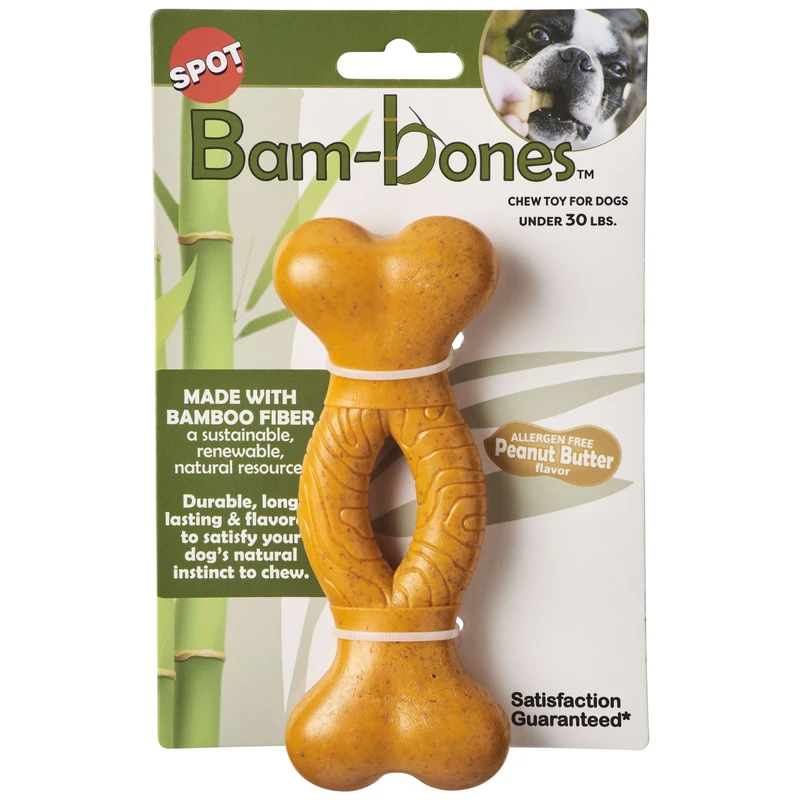
Sustainable Bamboo Pet Toys: How to Avoid Greenwashing
PawVerde.com – Sustainable bamboo pet toys offer a highly renewable, biodegradable alternative to plastic, providing natural antibacterial properties and dental health benefits. However, the best choice depends on whether you are buying solid bamboo or bamboo-fiber composites, as the latter may contain non-biodegradable binders that negate the eco-friendly benefits.
Bamboo can grow up to 91 centimeters in a single day, making it one of the fastest-growing renewable resources on Earth, according to agood company.
The Material Integrity Guide: Solid Bamboo vs. Bamboo Composites
To ensure true sustainability, distinguish between solid bamboo (fully biodegradable) and bamboo-fiber composites. While bamboo fiber is renewable, many composites use synthetic binders or resins that prevent the toy from being compostable. Always check labels for ‘100% natural’ or ‘BPA-free’ to avoid bamboo-reinforced plastics that contribute to landfill waste.
PetAssure notes that consumers should review product labels specifically for material types to avoid “greenwashing.” A common failure mode occurs when a product is marketed as “bamboo” but is actually a bamboo-plastic composite. These hybrid materials often use synthetic resins that make the item impossible to compost, effectively turning a sustainable choice into a long-term landfill resident.
Identifying ‘Fake’ Bamboo-Plastic Composites
EcoFurball reports that low-quality bamboo products, such as bowls, can sometimes contain harmful binders that compromise safety. When shopping, practitioners recommend looking for specific certifications. If a product label does not explicitly state “100% natural” or “BPA-free,” it may contain the very synthetic additives that negate the environmental benefits of the bamboo fiber itself.
The Role of PF Adhesive in Bamboo Fiber Manufacturing
The industrial production of bamboo composites involves complex chemical processes. According to manufacturing data, bamboo fiber mats are often steeped in a PF adhesive solution with a 10% solid content for 3 minutes. This is followed by drying to a 9% moisture level and hot pressing at 20 MPa of pressure at temperatures ranging from 150-200 °C. While this creates a durable product, the presence of these adhesives is what prevents the material from being truly biodegradable.
Splinter & Safety Risk Matrix for Different Chewers
Safety profiles vary significantly based on how the bamboo is processed. While agood company states that “Bamboo has no grain, which means it can be easily cut and shaped without the risk of splitting or cracking,” this advantage primarily applies to high-quality, solid bamboo. Low-quality bamboo can still crack, according to EcoFurball, potentially creating sharp edges.
| Chewer Type | Recommended Material | Risk Level | Safety Note |
|---|---|---|---|
| Light Chewer | Solid Bamboo | Low | Minimal risk of structural failure. |
| Aggressive Chewer | Hardened Bamboo/Nylon Hybrid | Medium | Watch for wear and tear that affects efficacy, as noted by Mars Build. |
| Teething Puppy | Soft Bamboo Fiber | Medium | Monitor for small pieces of resin-bound fiber. |
| Power Chewer | Traditional Rubber | Low | Bamboo may crack under extreme pressure if low-quality. |
Mars Build indicates that ongoing wear and tear can eventually affect the efficacy and safety of the material. Periodic replacement is necessary to prevent structural issues like splintering.
Why Bamboo Wins: Environmental and Health Benefits
Bamboo provides a biological advantage that traditional plastics cannot match. Ever Bamboo reports that bamboo actually absorbs twice as much carbon dioxide as trees, making it a superior carbon sink. This rapid growth cycle, often reaching full size in under 4 months, allows for frequent harvesting without destroying ecosystems.
The Carbon Sink Advantage
Magic Bambu notes that bamboo plants can thrive in a variety of climates without the need for pesticides or chemical fertilizers. This minimizes chemical dependency and helps preserve local soil and water health.
Natural Antibacterial and Hypoallergenic Properties
Beyond the planet, bamboo offers direct health benefits to pets. Mars Build states that “Bamboo is known for its antibacterial properties, which can reduce the risk of infections.” Furthermore, the material is naturally hypoallergenic, providing a safer alternative to synthetic materials for pets with sensitive skin. PetAssure adds that bamboo chew toys can specifically help clean and strengthen a pet’s teeth and gums through the natural texture of the plant.
Top Sustainable Manufacturers to Watch
Select brands that demonstrate commitment to eco-friendly standards, such as VEKEN, a prominent sustainable dog toy manufacturer.
- VEKEN: Recognized as a prominent sustainable dog toy manufacturer.
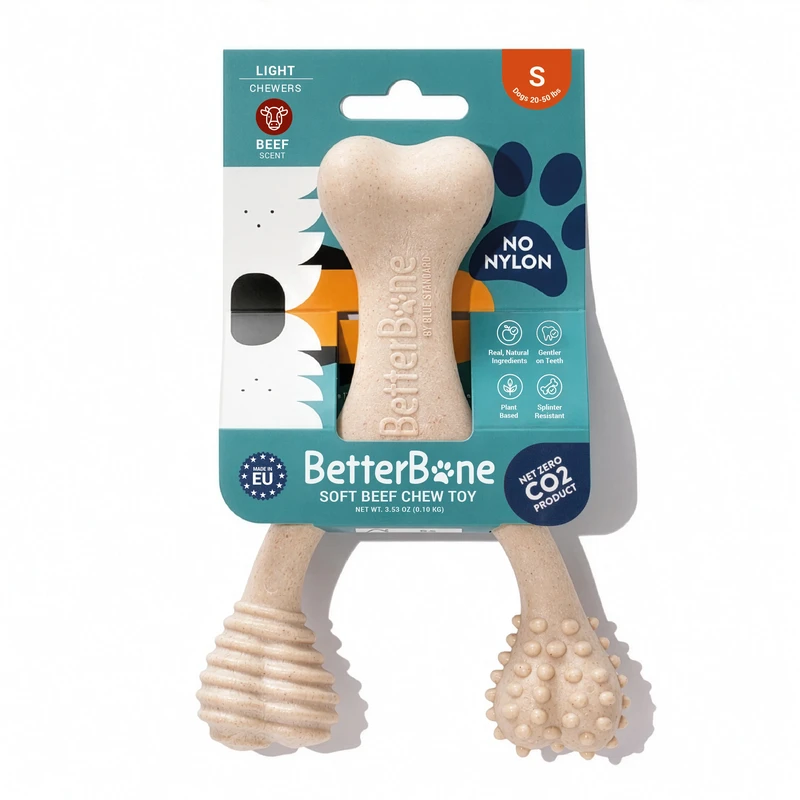
- BetterBone: Distinguishes itself by using food-grade ingredients and maintaining carbon-neutral production processes.
- Petique: A leader in the green revolution, focusing on highly sustainable pet product lifecycles.
While prices vary, even specialized sustainable items remain accessible. For example, KwikPets lists various pet products, such as the JW Pet Good Cuz Dog Toy Assorted Medium at $8.38, or the Petsport USA Giant Tuff Ball Dog Toy at $6.57, allowing consumers to balance budget with environmental goals.
The Deep-Clean Protocol: Maintaining Bamboo Integrity
Natural organic materials like bamboo react differently to moisture than plastic or silicone. To maintain structural integrity, users should follow specific hygiene steps.
Shortcut: Use hot, soapy water for cleaning and dry the item immediately to prevent moisture absorption.
To sanitize, use hot, soapy water after each use and ensure the item is thoroughly dried. You may periodically use a diluted vinegar solution for surface sanitization, but avoid harsh chemical cleaners that can penetrate the plant fibers.
Warning: Never soak bamboo items in water for extended periods. As documented by bamboowood.art, soaking can cause significant swelling and warping, which can permanently ruin the toy’s shape and safety.
Lifecycle Reality Check: Is it Truly Carbon Neutral?
The true environmental value of bamboo is found in its ability to mitigate emissions. Research published in ScienceDirect analyzed 60 bamboo products from cradle to grave, finding a carbon footprint range of -0.55 to 4.02 kg CO 2 e/kg. While the production process does require energy, the net benefit is substantial.
Data shows that between 2007 and 2022, bamboo products mitigated 280 Mt. CO 2 e emissions by serving as substitutes for carbon-intensive materials like plastic and steel. In fact, the ratio of climate benefits to operational emissions stands at 3.9 times. This suggests that while the manufacturing “hotspots” exist, the massive carbon sequestration capacity of the plant ensures a net-positive environmental impact.
FAQ
Are bamboo pet toys safe for teething puppies?
To minimize splintering risks, prioritize solid bamboo over composites to prevent puppies from ingesting small pieces of resin-bound fiber.
How can I tell if a bamboo toy is actually compostable?
To confirm compostability, check for the absence of metal squeakers, synthetic dyes, and non-organic glues. A truly compostable toy should be 100% natural bamboo without the chemical binders found in bamboo-fiber composites.
Can I put bamboo pet bowls in the dishwasher?
Avoid dishwasher cycles and soaking, as these can cause the bamboo to swell, warp, or crack. Instead, hand-wash items with hot, soapy water and dry them immediately.
Eco-Friendly Dog Chew Toys: How to Choose Safe Materials
PawVerde.com – Eco-friendly dog chew toys prioritize renewable materials like natural rubber, hemp, and cellulose fiber over traditional petroleum-based plastics. Choosing sustainable options reduces microplastic shedding and chemical leaching, offering a safer, biodegradable alternative that supports both your pet’s dental health and the planet’s long-term ecological stability.
Natural rubber is a renewable, plant-based material sourced by tapping Hevea brasiliensis trees to collect milky latex.
How to Spot Greenwashing in Pet Toy Packaging
To detect greenwashing, look beyond vague ‘natural’ labels. Check for specific certifications regarding BPA-free, latex-free, and phthalate-free status. Verify if materials like ‘natural rubber’ are actually 100% latex or if they contain synthetic fillers, and ensure ‘recyclable’ claims are backed by specific programs like West Paw’s Loop®.
Red Flags: Vague Terminology
Many products use “eco-friendly” or “green” as marketing buzzwords without providing technical substantiation. Industry analysts suggest that a lack of specific chemical disclosures often hides the presence of harmful additives. For instance, while some brands claim sustainability, they may fail to mention if their products contain phthalates. A more reliable standard is found in products from Project Hive, which explicitly states they are BPA-free, latex-free, and phthalates-free.
A common failure mode occurs when a toy is labeled as “natural rubber” but contains significant synthetic fillers to reduce costs. Newtop notes that some rubber toys may claim to be natural, but true 100% natural latex content is a specific distinction that separates high-quality sustainable toys from hybrid synthetics. If a package does not specify the exact percentage of natural latex, proceed with caution.
The Truth About ‘Recyclable’ Labels
The term “recyclable” is often used loosely, leading consumers to believe any plastic-like toy can be processed by standard curbside programs. This is a misconception. True circularity requires specific infrastructure. For example, West Paw offers the Loop® program, which allows owners to join a dedicated recycling initiative for their toys rather than relying on general municipal waste streams.
To ensure genuine sustainability, verify that products meet specific standards, such as Project Hive’s certification of being BPA-free and phthalate-free, or the presence of 100% natural latex in rubber items.
- Explicit certification of being BPA-free and phthalate-free (as seen with Project Hive).
- Verification of 100% natural latex content in rubber-based products.
- Participation in closed-loop recycling programs like West Paw’s Loop®.
- Clear documentation regarding the absence of synthetic dyes in fiber-based toys.
The Durability vs. Sustainability Paradox
A significant tension exists between a toy’s ability to withstand aggressive chewing and its ability to break down in the environment. natural rubber is a primary solution to this paradox, as it provides a tough yet flexible chew that can withstand gnawing without splintering, according to Newtop. However, this durability comes with a biological timeline; natural rubber typically has a biodegradability duration of 1 to 5 years.
While natural rubber is incredibly resilient, it introduces different physical properties compared to synthetic alternatives. For example, Soda Pup natural rubber flying discs are heavier than standard plastic versions. This increased density can affect flight distance during play, a trade-off for choosing a plant-based material over lightweight petroleum plastics. While a plastic disc might fly further, it will persist in the environment for centuries, whereas the natural rubber version will eventually degrade.
Material Tier List: Matching Eco-Toys to Chewing Styles
Match your dog’s chewing style to the material: ‘Destroyers’ should opt for natural rubber (like Soda Pup or Newtop) for its toughness without splintering; ‘Nuzzlers’ benefit from hemp or coconut ropes (Freya & Dax) that fray safely; and ‘Gentle Chewers’ can enjoy cellulose fiber (BetterBone) or yak milk (Himalayan) chews.
| Material Type | Best For (Chewing Style) | Sustainability Profile | Primary Safety Benefit |
|---|---|---|---|
| Natural Rubber | Destroyers | Renewable/Biodegradable | Won’t splinter like hard plastic |
| Hemp Rope | Nuzzlers | Low water/pesticide use | Frays instead of breaking |
| Coconut Fiber | Nuzzlers | Highly renewable | Shorter fibers reduce ingestion risk |
| Cellulose Fiber | Gentle Chewers | Plant-based/Biodegradable | Easier on teeth |
| Yak Milk | Gentle/Moderate | Natural/Edible | Non-toxic edible byproduct |
This guide compares materials like Freya & Dax coconut fibers, which are shorter and less likely to cause intestinal issues, against traditional options.
Heavy Duty: The Strength of Natural Rubber
For dogs that treat toys as a job, natural rubber is the superior choice. Newtop distinguishes natural rubber from silicone by noting that rubber is specifically utilized for its strength and toughness. While silicone is often used for design details or safety, natural rubber provides the structural integrity required for heavy gnawing. This makes it a much more viable option for “Destroyer” type dogs than softer, plant-based fibers.
Safe Fraying: Why Hemp and Coconut Beat Cotton
Traditional cotton rope toys can be dangerous if they break into large, swallowable chunks. In contrast, hemp is a highly sustainable crop that requires less water and fewer pesticides than cotton. Sparkly Tails reports that “Hemp rope toy frays instead of breaking, making it a safer choice for your dog.” This fraying mechanism ensures that the toy wears down gradually rather than snapping suddenly. Similarly, Freya & Dax utilizes coconut fibers, which are shorter and significantly less likely to cause intestinal issues than long-strand cotton ropes.
Plant-Based Alternatives: Cellulose and Yak Milk
For dogs that prefer a slower, more methodical chew, cellulose and yak milk offer excellent alternatives. BetterBone produces cellulose fiber chews, which are plant-based materials that are easier on both the dog’s teeth and the environment. For an edible option, Himalayan yak milk chews provide a natural, non-toxic way to satisfy chewing urges. These options avoid the microplastic shedding associated with synthetic chew bones.
Safety Risks: From Intestinal Tangling to Dental Damage
Owners must account for unique physical risks when moving away from plastic, such as the tendency for long rope fibers to tangle in intestines or the potential for hard yak milk chews to damage teeth if used without supervision.
One critical pitfall involves the physical structure of fiber toys. Long rope fibers from traditional or poorly constructed sustainable ropes can tangle in a dog’s intestines. Additionally, while hemp is generally safer because it frays, some dogs may experience allergic reactions to hemp fibers, leading to skin irritation or stomach distress. Owners should monitor for these signs immediately after introducing a new material.
Hardness levels also pose a risk. While natural rubber is flexible, extremely hard products like yak milk chews can potentially damage teeth if a dog chews with excessive force without supervision. Conversely, while avoiding the chemical risks of plastic, owners must remain vigilant that traditional plastic toys do not pose immediate choking hazards if they shatter into sharp pieces.
The Economics of Eco-Friendly Play
While the upfront cost of a $19.99 Project Hive toy is higher than a generic plastic alternative, a durable natural rubber toy may lower the total cost of ownership by replacing multiple cheap versions that break quickly.
Market pricing for these specialized materials includes:
- Soda Pup (Natural Rubber): Starting at $7.50
- Freya & Dax (Coconut Rope): $15.99
- Himalayan (Yak Milk): $16.79
- Project Hive (Recyclable/BPA-free): $19.99
- BetterBone (Cellulose Fiber): $19.99
While the $19.99 price point for a Project Hive toy is higher than a generic plastic toy, the environmental benefits and the reduction in frequent replacements provide a different value proposition for the conscious consumer.
FAQ
Is hemp safer than cotton for dog toys?
Yes, hemp rope is more sustainable as it requires less water and pesticides. Crucially, hemp rope tends to fray instead of breaking, which reduces the risk of a dog swallowing large, dangerous pieces compared to cotton.
Can I compost my dog’s eco-friendly toys?
It depends on the material. While natural fibers like hemp or coconut may be compostable, you must ensure no synthetic dyes or plastic binders are present. Always check if the manufacturer specifies home vs. industrial composting.
Why is natural rubber heavier than plastic toys?
Natural rubber is a dense, plant-based material. This added weight can make flying discs (like those from Soda Pup) fly shorter distances compared to lightweight synthetic alternatives.