
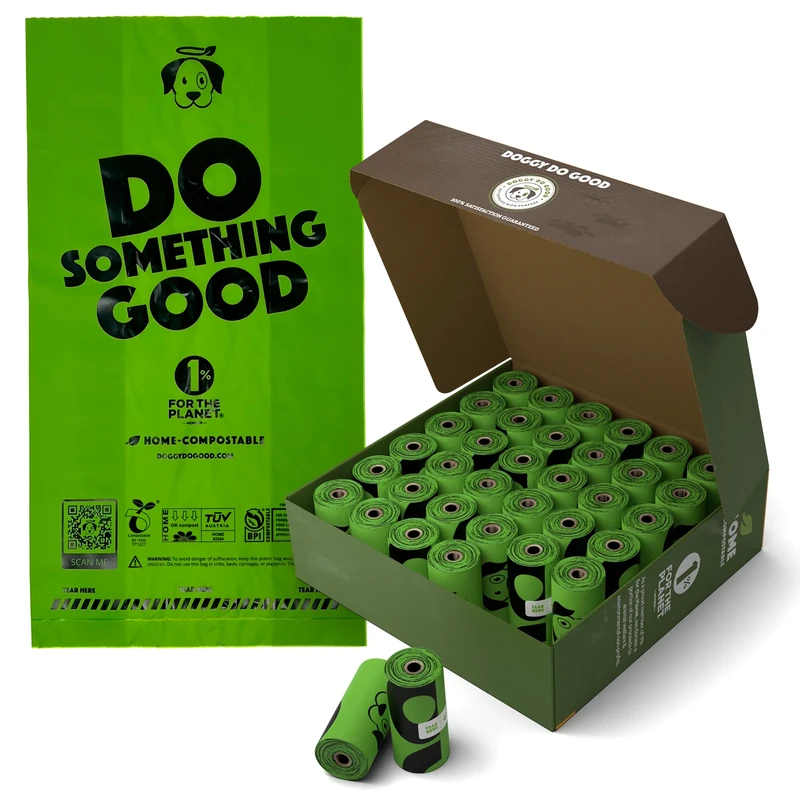
Compostable Pet Waste Bags: A Guide for New Pet Owners
PawVerde.com – compostable pet waste bags are designed to decompose into non-toxic components like water, CO2, and organic matter. Unlike standard plastics that persist for 200 years, certified compostable bags require specific microorganisms, heat, and humidity to break down effectively, ideally within 90 to 180 days in a controlled environment.
The New Adopter’s Survival Guide: Reliability vs. Sustainability
Standard plastic bags can take up to 200 years to degrade, whereas certified compostables are engineered to return nutrients to the soil. For new pet owners, this transition involves balancing environmental goals with the physical realities of managing a new animal’s waste.
Managing high-frequency waste during puppyhood
Puppyhood often necessitates a high volume of waste disposal due to frequent bathroom breaks. While compostable options are superior for the planet, they present specific operational challenges that new owners must anticipate:
- Material Sensitivity: Compostable bin liners may break during use or composting, which can lead to messy accidents if not handled with care.
- Disposal Misalignment: Compostable bags are not a substitute for proper waste management if they end up in landfills.
- Volume Requirements: The increased frequency of waste during training periods means rolls may deplete faster than expected.
The ‘Backup Plan’: Preventing mid-walk leaks
A common failure mode for new adopters is the sudden tear of a bag during a walk. To mitigate this, practitioners recommend carrying a secondary, non-compostable backup or a heavy-duty reusable container. This prevents the “mid-walk leak” scenario where a bag fails due to its organic composition or improper handling. Relying solely on a single thin compostable roll during the high-intensity training phase of a new pet can result in hygiene issues if a bag ruptures.
How to Prevent Premature Degradation: The Storage Stress Test
To prevent compostable bags from degrading prematurely, store them in a cool, dry place away from direct sunlight and high humidity. Avoid leaving rolls in hot car interiors or damp garages, as the microorganisms and moisture required for decomposition can trigger early breakdown, causing the bags to stick or tear before use.
Compostable products require microorganisms, humidity, and heat to yield a finished compost product. If these environmental triggers are present in your storage area, the chemical structure of the bag begins to weaken before it ever touches pet waste. For example, leaving a roll in a vehicle where temperatures exceed 30°C (86°F) can accelerate the breakdown of starch-based polymers. This leads to a specific failure mode where bags become brittle or fuse together into a single, unusable mass.
Compostable vs. Biodegradable: Decoding the Greenwashing
The key difference is that while all compostables are biodegradable, not all biodegradables are compostable. Compostable products are engineered to decompose completely into non-toxic biomass, whereas biodegradable plastics may leave behind harmful microplastic residues that contribute to long-term environmental pollution.
The term “biodegradable” is frequently used in marketing to imply environmental safety, but the Zero Waste International Alliance (ZWIA) and other industry analysts note that this term can be misleading. As the Biodegradable Products Institute (BPI) states:
“While everything that is compostable is technically biodegradable, the reverse isn’t true.”
This distinction is critical for new owners who want to ensure their waste management truly supports a circular economy.
The Microplastic Risk
Many “biodegradable” pet products pose a significant environmental risk because they typically break down into smaller plastic particles. These microplastics do not disappear; they simply become too small to see, continuing to contribute to long-term environmental pollution. In contrast, true compostables are designed to decompose completely into water, CO2, and biomass, leaving no synthetic residue behind.
Manufacturing Footprint Comparison
The production process differs significantly between these materials. Data shows that compostable products use less water, require less energy, and generate fewer greenhouse gas emissions during manufacturing compared to their traditional plastic or standard biodegradable counterparts.
| Feature | Biodegradable Bags | Compostable Bags |
|---|---|---|
| Decomposition Quality | Breaks into smaller plastic particles | Converts to water, CO2, and biomass |
| Residue Risk | High (Microplastics) | Minimal to None |
| Manufacturing Impact | Varies; often high energy/water | Lower water and energy usage |
| Certification Necessity | Often uncertified | Requires BPI or EN 13432 |
This data confirms that selecting certified compostable options provides a more definitive reduction in environmental impact than choosing items labeled only as “biodegradable.”
Navigating Certifications: BPI, OK Compost, and Beyond
New adopters must look for specific regulatory markers to avoid “greenwashing,” where products are designed to appear eco-friendly but are actually made of standard plastic. Without these markers, a bag may simply be a conventional plastic bag with a misleading label.
Reliable certification bodies provide necessary verification that a product will break down in its intended environment. Key standards include:
- BPI (Biodegradable Products Institute): A leading certification body in North America that ensures products meet strict composting standards.
- OK Compost Home: A certification scheme specifically for products that can be safely processed in home composting systems.
- ASTM D6400 and EN 13432: These are the technical industrial standards that define the requirements for compostability in various global markets.
The Pathogen Protocol: Can You Actually Compost Pet Waste?
While using compostable bags is a step toward sustainability, the actual disposal of the waste is a matter of public health. It is a common misconception that because the bag is compostable, the contents are safe for a garden.
Why home piles are risky
The US environmental protection Agency (EPA) provides composting guidance that highlights the risks of using pet waste in residential settings. Home compost piles often fail to reach the high, sustained temperatures required to neutralize harmful bacteria and parasites found in animal feces. If these pathogens survive the composting process, they can contaminate soil and food crops.
Safe disposal alternatives
Instead of home piles, new owners should utilize dedicated pet waste digesters or municipal industrial composting programs. A pet waste digester is a device installed in the yard that uses natural enzymes and microbes to break down waste safely. Alternatively, ensuring your compostable bags are sent to a facility that handles organic waste prevents the methane emissions that occur when compostables are trapped in oxygen-poor landfills.
The True Cost of Green: A Budgeting Guide for New Owners
Sustainability often requires a higher upfront investment. For a new pet owner managing a monthly budget, understanding the price delta is essential for long-term planning.
When comparing costs, it is helpful to look at bulk purchasing. For example, industry data shows that a case of 1,000 compostable cups can be 2–3 times more expensive than standard disposable cups. A similar price scaling often applies to pet waste bags. To manage this, consider the following:
- Bulk Buying: Purchasing large cases of certified compostable bags reduces the cost per unit compared to small, individual rolls.
- Subscription Models: Many eco-friendly brands offer subscription discounts that can offset the premium price of compostable materials.
- Hybrid Approach: Using high-quality, reusable waste containers for certain walks can reduce the total number of single-use bags required per month.
FAQ
Is it safe to put dog poop in my home compost bin?
No, pet waste should generally not be added to home compost systems because it can contain pathogens that are not neutralized in lower-temperature home piles. Always check with your local waste management guidelines before attempting to compost organic pet waste.
What happens if I throw compostable bags in the regular trash?
If they end up in a landfill instead of a composting facility, they may release methane, a harmful greenhouse gas, rather than breaking down safely. To maximize environmental benefits, ensure these bags reach a facility equipped to handle compostable organics.
How can I tell if a bag is truly compostable?
Look for official certifications like BPI or OK Compost, and check for compliance with standards such as ASTM D6400 or EN 13432. Avoid products that use vague terms like “eco-friendly” without providing specific certification details or standard numbers.