
Organic Pet Food vs Conventional: Key Growth Trends & Benefits
PawVerde.com – organic pet food, defined by USDA-certified ingredients free from synthetic pesticides, antibiotics, and growth hormones, is rapidly gaining market share relative to conventional pet food. Rising consumer awareness of pet health, sustainability concerns, and demand for premium nutrition are driving this shift. The organic pet food segment in North America, Europe, and Asia-Pacific is expanding faster than conventional categories, which still dominate overall volume but face growing competition in premium tiers. Organic formulations emphasize clean sourcing of animal proteins such as certified organic chicken, beef, and fish, avoiding synthetic additives and preservatives commonly found in conventional pet foods. This results in improved nutrient bioavailability and digestibility, along with potential benefits for pet immune function and gut health. Despite higher price points and supply chain challenges, organic pet food growth is supported by ecommerce expansion and evolving consumer preferences toward natural, transparent ingredient sourcing.
Market Context and Growth Trends in Organic vs Conventional Pet Food
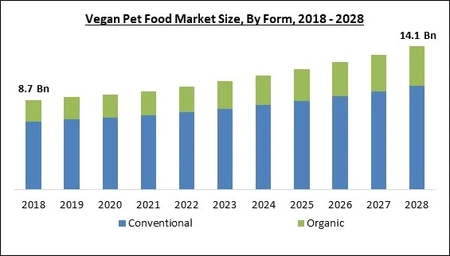
The global pet food market has witnessed a significant transition, with organic pet food registering an accelerated growth rate compared to conventional products. According to recent industry reports from DataInsightsMarket and FutureMarketInsights, the organic pet food segment is growing annually at over 10%, outpacing the conventional sector’s growth rate of approximately 4-6%. This trend is attributed to increasing pet ownership worldwide, especially among younger demographics that prioritize health-conscious and sustainable choices for their animals.
North America continues to lead in organic pet food adoption, fueled by stringent USDA Organic certification standards and a well-established premium pet food market. The Asia-Pacific region is emerging rapidly, driven by rising disposable incomes and expanding online retail platforms offering organic options. Europe maintains steady growth supported by regulatory frameworks and consumer demand for transparency. Despite conventional pet food maintaining the largest market share globally, the premium and super-premium segments are increasingly dominated by organic and natural pet food products, reflecting a shift in consumer priorities toward ingredient quality and health benefits.
Nutritional and Health Comparisons Between Organic and Conventional Pet Food
Organic pet food distinguishes itself from conventional options primarily through the quality and sourcing of its ingredients. Certified organic animal proteins such as chicken, beef, and fish originate from livestock raised without synthetic pesticides, antibiotics, or growth hormones. This contrasts with conventional pet food, which often contains non-organic meat, animal by-products, fillers, and synthetic additives including preservatives and artificial colors.
The superior bioavailability of nutrients in organic pet foods supports enhanced digestibility and nutrient absorption. Veterinary nutritionists observe that pets consuming organic diets may experience improved gut microbiome balance and stronger immune responses. This is partly due to the absence of synthetic additives which, in conventional foods, can disrupt gut flora and contribute to allergic reactions or sensitivities, especially in pets with compromised health or dietary allergies.
Conventional pet foods frequently incorporate growth hormones and antibiotics to promote rapid livestock growth, raising concerns about antibiotic resistance and long-term health effects in companion animals. Additionally, synthetic preservatives used in many conventional formulas, such as BHA and BHT, have been linked to potential carcinogenic risks. Organic pet food avoids these substances by relying on natural preservation methods, thereby reducing exposure to potentially harmful chemicals.
Market Segmentation and Regional Dynamics
The premium pet food segment, encompassing organic and super-premium natural products, is where most market growth is concentrated. Pet owners with higher disposable income are willing to pay a premium for products perceived as healthier and more ethically sourced. This segment accounted for nearly 40% of total pet food revenue in North America last year, according to GMInsights.
Regionally, North America exhibits the highest penetration of organic pet food, supported by extensive USDA Organic certification infrastructure and consumer education campaigns. The Asia-Pacific market is experiencing accelerated growth with a compound annual growth rate (CAGR) exceeding 12%, propelled by urbanization, rising pet ownership, and expanded digital marketplaces facilitating access to organic products. Europe’s market growth is steady, driven by regulatory harmonization through the European Pet Food Federation and consumer demand for labeling transparency.
Emerging markets within Asia-Pacific, including China and India, show significant potential. Here, rising middle-class populations and increasing awareness of pet health issues are prompting manufacturers to introduce organic pet food lines. These markets also grapple with supply chain challenges related to sourcing certified organic ingredients locally, often relying on imports from North America and Europe.
Certification and Regulatory Standards Guiding Organic Pet Food
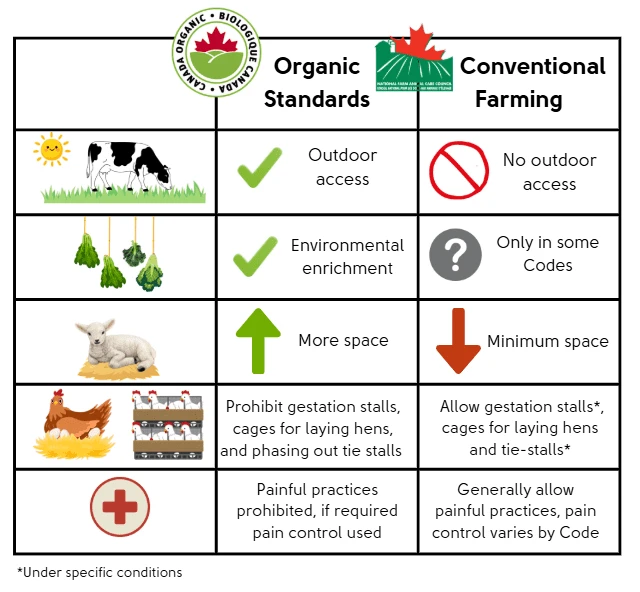
USDA organic certification is the most recognized standard for organic pet food in North America, requiring that all agricultural ingredients be grown without synthetic pesticides, antibiotics, growth hormones, or genetically modified organisms. Livestock used for protein must be raised under organic conditions with access to pasture and organic feed. This certification ensures strict auditing and traceability throughout the supply chain.
The Association of American Feed Control Officials (AAFCO) sets regulatory standards for pet food labeling and nutritional adequacy but does not certify organic status. Instead, AAFCO standards complement USDA regulations by ensuring pet food formulations meet minimum nutritional requirements tailored to species and life stages.
ingredient transparency is increasingly central to consumer trust. Leading organic pet food manufacturers provide detailed labeling of ingredient sourcing and processing methods, responding to demands for greater information on pet dietary contents. This contrasts with many conventional products, where vague terms such as “meat meal” or “animal by-products” are common.
Consumer Behavior and Purchasing Channels
Pet owners’ growing preference for organic pet food is closely linked to heightened awareness of pet nutrition and health risks associated with synthetic additives in conventional diets. Surveys indicate that over 60% of health-conscious pet owners actively seek organic or natural pet food options, particularly for pets with allergies or sensitive skin.
The rise of online pet food retail has significantly expanded access to organic products. Ecommerce platforms now contribute upwards of 30% of organic pet food sales, offering convenience, subscription services, and detailed product information that aid purchasing decisions. This channel growth has been critical in reaching consumers in less urbanized regions or markets where physical retail options for organic pet food remain limited.
Price sensitivity remains a barrier for some consumers. Organic pet food often commands a 20-40% premium over conventional brands, influenced by higher ingredient costs and certification expenses. However, the expanding middle class in Asia-Pacific and North America’s affluent pet ownership base support sustained demand despite elevated price points.
Challenges and Limitations of Organic Pet Food
While organic pet food offers clear nutritional and ethical advantages, it faces challenges that may limit widespread adoption. The higher production costs associated with certified organic animal proteins and ingredient sourcing result in premium pricing that can restrict affordability for many consumers.
Supply chain complexities also arise due to the limited availability of USDA-certified organic livestock and feedstock. This scarcity can lead to inconsistent supply and fluctuations in product availability, particularly in emerging markets. Manufacturers must often balance organic sourcing with cost and volume demands, occasionally blending certified organic with natural ingredients to maintain price competitiveness.
Nutrient balance is another consideration. Some organic pet foods may lack certain synthetic vitamins or minerals added to conventional formulas for precise nutritional control. This necessitates rigorous formulation and testing to ensure organic products meet AAFCO nutritional profiles and support long-term pet health, especially for animals with specific dietary requirements.
Future Outlook and Industry Implications
Innovation in organic pet food is accelerating, with research focusing on novel protein sources such as insect meal and plant-based alternatives to complement traditional organic animal proteins. Advances in formulation technology aim to enhance nutrient bioavailability and palatability while maintaining organic integrity.
The coexistence of conventional and organic sourcing strategies is expected, with manufacturers leveraging both to address diverse consumer segments. Hybrid products incorporating organic ingredients alongside conventional components may emerge to balance cost and quality.
Market forecasts predict that organic pet food will achieve double-digit growth throughout the decade, driven by sustained consumer demand, regulatory strengthening, and ecommerce expansion. Industry players are investing in supply chain transparency, sustainability initiatives, and veterinary partnerships to fortify the sector’s credibility and appeal.
As pet owners continue prioritizing health and sustainability, organic pet food is poised to redefine premium nutrition standards, compelling conventional manufacturers to elevate ingredient sourcing and product innovation.
FAQ
What are the main health benefits of organic pet food compared to conventional options?
Organic pet food offers improved digestibility and nutrient bioavailability due to high-quality, certified organic ingredients free from synthetic additives, antibiotics, and growth hormones. This can enhance pet immune function, support gut microbiome balance, and reduce allergic reactions associated with conventional pet food preservatives and fillers.
How does USDA organic certification impact pet food quality?
USDA organic certification requires that all agricultural ingredients be produced without synthetic pesticides, antibiotics, or growth hormones and that livestock are raised under organic conditions. This certification ensures ingredient transparency, supply chain traceability, and adherence to strict environmental and animal welfare standards, contributing to higher product quality.
Why is organic pet food more expensive than conventional pet food?
The higher cost of organic pet food stems from expensive certified organic animal proteins, more rigorous ingredient sourcing, certification compliance costs, and smaller supply volumes. These factors increase production expenses, which are reflected in premium retail pricing compared to conventional pet food.
What regional markets show the strongest growth for organic pet food?
North America leads in market penetration due to established certification frameworks and consumer awareness. The Asia-Pacific region is experiencing the fastest growth, supported by rising pet ownership, urbanization, and expanding online retail channels. Europe shows steady growth driven by regulatory harmonization and consumer demand for transparency.
How is online retail influencing organic pet food sales?
Online retail channels have significantly increased the accessibility of organic pet food, particularly in regions with limited physical retail options. Ecommerce platforms offer convenience, subscription services, and detailed product information, fueling consumer adoption and enabling manufacturers to reach wider audiences efficiently.
Organic pet food’s expanding role in the global pet nutrition landscape reflects evolving consumer values emphasizing health, sustainability, and transparency. As the market matures, continued innovation and regulatory advancements will shape product offerings, pricing strategies, and supply chain resilience, driving the sector’s trajectory through 2026 and beyond.
Top Eco-Friendly Pet Food Brands Delivering Sustainable Nutrition
PawVerde.com – The pet food industry in 2026 exhibits a marked shift towards sustainability, driven by increasing consumer demand for eco-friendly and health-conscious nutrition options for pets. Leading brands like Tender & True, The Honest Kitchen, Wild Earth, and freeze-dried specialists Primal Pet Foods and Stella & Chewy’s have pioneered the integration of USDA-certified organic, non-GMO ingredients and humanely raised meats into their formulations. These companies combine rigorous ingredient sourcing with sustainable manufacturing practices, setting new benchmarks for environmentally responsible pet nutrition.
Tender & True remains at the forefront as the first USDA-certified organic pet food producer in the United States, emphasizing non-GMO ingredients sourced from humanely raised livestock and organic fruits and vegetables. Their product lines consistently meet strict USDA organic standards, verified through third-party audits, ensuring ingredient transparency and traceability. This commitment extends to their packaging, which utilizes fully recyclable materials aligned with circular economy principles.
The Honest Kitchen focuses on grain-free, protein-rich recipes designed for dogs with food sensitivities, sourcing sustainably farmed produce and ethically raised animal proteins. Their dehydrated food formulas reduce water consumption during production while maintaining nutrient density. Independent evaluations by pet nutrition experts and real-world testing by The Good Trade’s editorial pets confirm the digestibility and palatability of these offerings, reinforcing their reputation among veterinarians specializing in allergy management.
Wild Earth distinguishes itself by providing innovative vegan dog food options that align with environmental sustainability goals. Their formulations rely on fermentation-derived proteins and organic plant-based ingredients, certified non-GMO and free from artificial additives. Clinical trials have demonstrated that Wild Earth’s vegan diets support healthy canine microbiomes and meet AAFCO nutritional adequacy standards. This brand’s approach addresses both ecological impact—significantly reducing greenhouse gas emissions compared to traditional meat-based diets—and the growing market segment seeking plant-based pet nutrition.
Among freeze-dried raw food brands, Primal Pet Foods, Stella & Chewy’s, and Vital Essentials have advanced the use of organic, humanely sourced meats combined with organic fruits and vegetables. These manufacturers apply freeze-drying techniques that preserve nutrient integrity and reduce spoilage, thus minimizing food waste. Primal Pet Foods, for instance, sources certified organic ingredients and holds USDA organic certification for select lines, emphasizing animal welfare and traceability in their supply chains. Stella & Chewy’s incorporates sustainably fished seafood and human-grade meats, adhering to strict sourcing standards verified by third-party auditors. These products appeal to pet owners seeking raw nutrition with environmental and ethical assurances.
The industry’s momentum towards sustainability is further propelled by collaborative initiatives. The Pet Sustainability Coalition (PSC), designated as the official sustainability partner of Petfood Forum 2026, plays a pivotal role in convening stakeholders to develop best practices and foster innovation. PSC’s data-driven programs promote the adoption of circular economy models, resource-efficient manufacturing, and supply chain transparency. Mars Petcare, a major global player, has announced enhanced commitments to sustainable fish sourcing, targeting 100% certified sustainable fisheries for its aquatic pet food ingredients within the next three years. Additionally, Mars is investing in the development of therapeutic diets that incorporate sustainably sourced ingredients with measurable health benefits, positioning sustainability as integral to pet health innovation.
Circular economy principles are increasingly embedded in pet food production and packaging. Shameless Pets utilizes food waste streams from human food production to create nutritionally balanced dog treats, effectively diverting organic waste from landfills. Blue Toby Sustainable Pet Products has introduced packaging solutions made from 100% recycled materials, designed to be both biodegradable and compostable. These efforts contribute to reducing the environmental footprint of pet food products and align with broader industry targets for waste reduction and resource efficiency.
Consumers benefit from these sustainable pet food options not only through improved ingredient quality but also via enhanced health outcomes. Studies published in veterinary nutrition journals highlight that diets featuring organic, non-GMO ingredients and humanely raised meats can reduce exposure to pesticides and antibiotics, contributing to better digestive health and immune function in dogs. However, price points for these eco-friendly brands remain higher than conventional pet foods, reflecting the costs of organic certification, sustainable sourcing, and ethical manufacturing. Accessibility is gradually improving as retail distribution expands beyond specialty outlets into mainstream pet stores and e-commerce platforms, supported by transparent labeling and verified certifications that build consumer trust.
Certifications such as USDA Organic, Non-GMO Project Verified, and third-party animal welfare audits serve as critical differentiators in this competitive market. Brands adhering to these standards provide verifiable assurances about ingredient provenance and production ethics, addressing growing consumer concern about ingredient transparency and social responsibility. Pet nutritionists and veterinarians increasingly recommend these certified products, particularly for pets with sensitivities or owners prioritizing environmental impact.
Looking ahead, the pet food sector anticipates significant advancements in sustainable formulations and packaging innovations. Emerging research into alternative protein sources, including cultured meat and insect-based ingredients, promises to diversify sustainable options while maintaining nutritional adequacy. Packaging developments focus on reducing plastic use and enhancing biodegradability, supported by legislative incentives and consumer preference shifts. Industry collaborations among manufacturers, certification bodies, and sustainability coalitions are expected to intensify, fostering shared standards and accelerating the adoption of circular economy practices.
The market influence of environmentally conscious pet owners continues to grow, driving product development that balances pet health with ecological stewardship. This evolving dynamic positions sustainability not as a niche segment but as a core principle shaping pet food innovation and consumer choice in 2026 and beyond.