
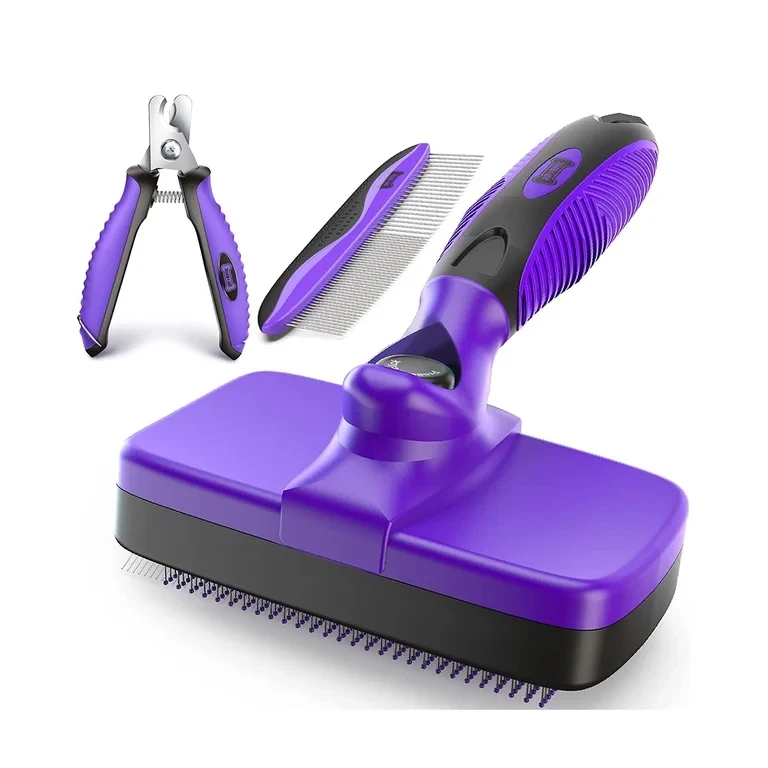
Best Plastic-Free Pet Grooming Tools: A Sustainability Guide
PawVerde.com – The best plastic-free pet grooming tools prioritize high-quality materials like stainless steel for infinite recyclability and bamboo for lightweight durability. To achieve a truly zero-waste routine, transition from liquid shampoos to vegan shampoo bars and swap disposable wipes for washable cloths to eliminate microplastic shedding and single-use waste.
Searches for “eco-friendly pet products” have grown by 30% in the last two years, signaling a massive shift in pet care priorities.
The Sustainability Audit: Identifying Hidden Plastics in Your Grooming Kit
To identify hidden plastics, inspect your “eco-friendly” tools for synthetic bristles (nylon/polyester) on bamboo handles, plastic components inside nail grinders, and toxic dyes in “natural” products. A truly plastic-free tool should consist of metal, wood, bamboo, or natural rubber without synthetic adhesives or composite parts.
Greenwashing occurs when products are labeled “eco-friendly” or “natural” but contain hidden synthetic materials or toxic dyes. A common failure mode involves bamboo handles that are bonded to plastic bases using non-recyclable adhesives. If a tool cannot be separated into pure material streams, it fails the sustainability audit.
The Bristle Trap
Many brushes marketed as sustainable feature bamboo or wood handles but utilize nylon or polyester bristles. These synthetic filaments shed microplastics during use. Practitioners recommend checking the bristle composition before purchase. True zero-waste alternatives rely on natural fibers or high-grade metal pins.
The Glue and Dye Dilemma
Even if the primary material is bamboo or hemp, manufacturers often use synthetic glues to secure metal components. Bamboo and hemp are chemical-free alternatives to plastics, but only if the entire assembly avoids composite parts. Additionally, ensure that “natural” products do not rely on synthetic dyes that can leach into a pet’s coat.
Material Durability vs. Eco-Impact Matrix
Selecting tools requires weighing longevity against immediate environmental footprint. While bamboo offers immediate renewability, stainless steel provides a lifecycle that spans decades through infinite recyclability.
| Material | Durability | Recyclability | Best For |
|---|---|---|---|
| Stainless Steel | High | Infinite | Dematting, Combs, Professional tools |
| Bamboo | Moderate | Compostable* | Lightweight brushes, Handles |
| Plastic | Low | Limited | Not recommended for zero-waste |
Stainless steel stands as the gold standard for sustainable grooming tools due to its exceptional durability, resistance to rust and corrosion, and infinite recyclability.
Stainless Steel: The Infinite Recyclable
Stainless steel is an ideal choice for high-friction tools like combs and deshedding implements. Unlike plastic, which degrades and becomes ineffective quickly, metal maintains its structural integrity over years of use. This longevity prevents the constant replacement cycle that drives landfill waste.
Bamboo: The Lightweight Renewable
Bamboo brushes are a fantastic alternative to plastic because bamboo is a renewable resource that is both durable and lightweight. It provides a tactile, natural feel that avoids the static electricity common with synthetic handles. However, users must ensure the brush is 100% bamboo to ensure it is truly compostable at end-of-life.
Top Sustainable Grooming Tools by Category
Matching material properties to specific grooming needs is essential for reducing environmental impact while maintaining professional results.
Professional-Grade Metal Tools
- Mars Coat King: This dematting undercoat rake is a heavy-duty metal option. It is highly efficient, removing 90% of loose hair with each grooming motion.
- Andis Deshedding Tool: Featuring a head width of 4.5 inches, this tool is a staple for managing thick coats. It is priced at approximately $26 at Chewy.
- Safari Self-Cleaning Slicker Brush: A reliable metal and wood option for daily maintenance, available for about $18 at Chewy.
Zero-Waste Bathing Essentials
- Stuck Soap Vegan Shampoo Bars: These bars are a high-impact change for zero-waste routines. One bar replaces multiple plastic bottles and lasts for months.
- Washable Cloths: Instead of using Earthbath or other disposable wipes, use old towels cut into small squares for paw cleaning.
Sustainable Brushes and Combs
- Uproot Pet Grooming Kit: This kit contains 7 different tools, providing a comprehensive solution for various coat types.
- FOUR PAWS Curry Brush: A durable option for skin stimulation and hair removal.
Coat-Specific Material Guide: Matching Tool to Texture
The texture of a pet’s coat dictates whether a tool should be heavy-duty metal or a lighter natural material. Using the wrong tool can lead to breakage or ineffective grooming.
Double-Coated Breeds
For breeds with dense undercoats, metal combs and deshedding tools are long-lasting options. These tools must be sturdy enough to penetrate the coat without bending. Stainless steel is essential here to withstand the pressure required to reach the undercoat.
Short and Smooth Coats
Short-haired pets benefit from tools that minimize static. Wooden handles are naturally less static-inducing than plastic, which is a big win for long-haired breeds or pets sensitive to electrical discharge. For smooth coats, a simple metal comb is often sufficient and will last a lifetime.
Maintenance and Disposal: The End-of-Life Roadmap
Even the most durable tools require upkeep to ensure they remain effective and safe for the pet.
Extending Tool Lifespan
To maintain metal combs, use DIY Comb Maintenance techniques. You can lightly run a piece of very fine-grit sandpaper or an emery board over the tips of the teeth to smooth them out. This prevents the metal from scratching the pet’s skin.
Warning: Stainless steel tines can break if the brush is dropped. Handle metal tools with care to prevent bending or snapping the teeth.
Composting and Recycling Guide
- Compostable: 100% bamboo handles or wooden handles (without synthetic glues) can be composted.
- Recyclable: Stainless steel tools and metal pins should be separated from handles and sent to metal recycling.
- Repurposing: Instead of tossing shed fur in the trash, add it to your compost bin. Dog hair is rich in nitrogen and breaks down naturally, contributing valuable nutrients to your garden soil.
Common Misconceptions About Eco-Friendly Pet Care
While “natural” does not always guarantee sustainability, vegan dog shampoos offer environmental benefits. According to Stuck Soap, vegan shampoos avoid animal-derived ingredients, reducing demand on animal agriculture—a major contributor to greenhouse gas emissions, land use, and water consumption.
FAQ
Can I compost a bamboo brush?
Only if it is 100% bamboo without metal pins or plastic glues. If it contains metal tines, you must separate the metal for recycling and compost the handle separately.
Are vegan shampoos actually better for my pet?
Yes, vegan shampoos avoid animal-derived ingredients and reduce the environmental footprint of animal agriculture, which is a major contributor to greenhouse gas emissions, land use, and water consumption.
How do I prevent rust on metal grooming tools?
Always dry stainless steel tools thoroughly after use. While stainless steel is highly resistant to corrosion, leaving them damp in a humid bathroom can eventually lead to oxidation.
How DIY Eco-Friendly Pet Supplies Benefit Sustainability
PawVerde.com – DIY eco-friendly pet supplies are increasingly recognized for their multifaceted benefits that extend beyond simple cost savings. By repurposing household items or sourcing natural materials such as hemp, organic cotton, and recycled fabrics, pet owners can significantly reduce environmental waste linked to synthetic pet products. These sustainable alternatives not only lower the carbon footprint associated with manufacturing and disposal but also minimize pets’ exposure to harmful chemicals often found in commercial plastic toys and grooming products. The growing popularity of eco-conscious pet care reflects a broader shift toward zero-waste lifestyles, where biodegradable pet waste bags and compostable litter complement homemade accessories to create a holistic, sustainable pet ownership model.
Environmental benefits constitute a core advantage of adopting DIY eco-friendly pet supplies. Manufacturing conventional pet products typically involves extensive use of plastics and non-renewable resources, contributing to pollution and landfill accumulation. Utilizing recycled pet accessories or creating toys from repurposed textiles mitigates this impact by diverting materials from waste streams. For instance, crafting braided tug ropes from old T-shirts or converting shredded newspaper into cat litter exemplifies zero-waste principles in practice. These actions collectively reduce demand for virgin materials and decrease greenhouse gas emissions tied to production and transportation. Research indicates that pet-related plastic waste accounts for a significant portion of domestic refuse in many regions, underscoring the urgent need for sustainable alternatives. Moreover, biodegradable components in groomings supplies and waste bags ensure that discarded products decompose naturally, further alleviating environmental strain.
Pet health benefits also arise from the use of natural, non-toxic materials in DIY pet supplies. Veterinary experts increasingly warn against the long-term exposure of pets to synthetic chemicals, including phthalates and BPA, commonly present in commercial pet toys and grooming products. Natural fibers such as organic cotton and hemp not only eliminate these risks but offer enhanced durability and comfort during pet interaction. For example, eco-friendly grooming products made from plant-based ingredients reduce the likelihood of skin irritations and allergic reactions, a frequent concern with chemical-laden formulations. Additionally, homemade toys designed with pet safety in mind prevent ingestion of hazardous components and promote healthier chewing behaviors. Such measures align with holistic pet care strategies that prioritize both environmental sustainability and animal welfare, reinforcing the importance of material safety in product selection.
Economic advantages reinforce the appeal of DIY eco-friendly pet supplies by offering cost-effective alternatives to high-priced commercial items. Many sustainable pet products can be fashioned from readily available household materials, thus lowering upfront expenses. The longevity of durable, natural materials further reduces the frequency of replacements, generating long-term savings. Unlike mass-produced plastic toys prone to breakage, DIY accessories made from recycled fabrics withstand wear and tear more effectively. Moreover, personalization options allow pet owners to tailor products specifically to their pets’ preferences and needs, enhancing utility and satisfaction. These economic incentives are particularly relevant for budget-conscious households seeking to balance quality pet care with environmental responsibility. However, it is essential to weigh these benefits against potential accessibility challenges, as some sustainable materials require sourcing knowledge and initial investment.
Practical DIY projects exemplify the tangible application of sustainable pet ownership principles. Crafting braided tug ropes from old T-shirts involves cutting the fabric into strips, knotting securely, and braiding to create a durable toy that doubles as an interactive play tool. Homemade grooming products can be formulated using kitchen waste such as coconut oil and baking soda, producing gentle shampoos or conditioners free from synthetic additives. For cats, shredded newspaper or wood pellets serve as biodegradable litter alternatives, reducing plastic pellet waste substantially. Guidance on selecting safe materials includes avoiding toxic dyes, sharp edges, or small detachable parts that could harm pets. These projects also foster family engagement, encouraging children and adults alike to participate creatively in pet care, thereby promoting environmental awareness and shared responsibility.
Beyond DIY efforts, sustainable pet ownership encompasses broader practices that amplify environmental benefits. Donating gently used pet supplies to local shelters prevents unnecessary waste and supports animal welfare organizations. Opting for eco-friendly pet food brands that utilize sustainably sourced ingredients complements the overall green lifestyle. Employing biodegradable waste bags and reusable pet gear further reduces landfill contributions. Additionally, green travel practices, such as using solar-powered pet gadgets or eco-conscious pet carriers, minimize the carbon footprint associated with pet transportation. Collectively, these actions integrate into a comprehensive zero-waste pet care strategy that aligns with contemporary environmental ethics and consumer trends.
Challenges to widespread adoption of DIY eco-friendly pet supplies primarily involve accessibility and convenience. Some pet owners may face difficulties sourcing organic or recycled materials due to geographical or economic constraints. Balancing the time investment required for DIY projects with busy lifestyles can also deter participation. Additionally, ensuring that homemade products meet safety and health standards necessitates consultation with veterinary professionals, especially when altering pet diets or introducing new grooming substances. Awareness campaigns and educational resources from authoritative sources can mitigate these barriers by providing reliable guidance and fostering community support networks.
Looking forward, the role of DIY eco-friendly pet supplies in promoting sustainable living is poised to expand as environmental concerns intensify globally. Incremental lifestyle changes by individual pet owners contribute cumulatively to significant reductions in plastic waste and chemical exposure. Innovations in recycled materials and biodegradable technologies promise to enhance the durability and safety of eco-conscious pet products. Furthermore, collaborations between veterinary experts, environmental scientists, and ethical pet brands can accelerate the development of standardized sustainable pet care protocols. For pet owners, embracing these practices not only benefits their animals’ health but also aligns with broader societal goals of environmental stewardship and responsible consumption.
Introduction to DIY Eco-Friendly Pet Supplies
DIY eco-friendly pet supplies refer to pet accessories and grooming products created using sustainable, non-toxic, and often repurposed materials. These include items made from hemp, organic cotton, recycled fabrics, and biodegradable substances. The significance of these supplies lies in their ability to minimize environmental harm while enhancing pet well-being. Recently, sustainability has become a central theme in pet care, driven by rising awareness of the environmental footprint associated with conventional pet products. Pet owners increasingly seek alternatives that align with zero-waste principles and ethical consumption, stimulating growth in DIY projects and eco-conscious brands.
Environmental Benefits of DIY Eco-Friendly Pet Supplies
Repurposing household textiles and recycled materials into pet toys and accessories significantly reduces plastic and synthetic waste. For example, transforming old T-shirts into braided tug toys diverts fabric from landfills and reduces reliance on plastic-based commercial toys. The production of such DIY items generally entails a lower carbon footprint due to decreased manufacturing energy and transportation emissions compared to mass-produced products. Moreover, biodegradable pet waste bags and grooming products contribute to landfill diversion by decomposing naturally, unlike conventional plastic bags that persist for decades. Studies show that pet-related plastic consumption comprises a measurable share of urban waste streams, making sustainable alternatives a necessary intervention in waste management.
Health Advantages for Pets
Many commercially available pet products contain phthalates, BPA, and synthetic dyes linked to health risks such as endocrine disruption and allergic reactions. DIY pet supplies made from organic cotton or hemp fibers eliminate these concerns by using natural, untreated materials. Veterinary professionals recommend using non-toxic grooming products formulated with plant-based ingredients to prevent skin irritations and promote coat health. Durable natural toys also reduce the risk of ingestion of microplastics or chemical residues during chewing. These health advantages underscore the importance of material selection in pet product safety, positioning DIY eco-friendly supplies as a superior choice for responsible pet care.
Economic Benefits of DIY Approaches
Cost efficiency remains a compelling reason for adopting DIY eco-friendly pet supplies. Using recycled fabrics or household items minimizes expenses, especially when compared to premium commercial sustainable pet products which can be costly. The enhanced durability of natural materials extends product life, reducing replacement frequency and overall spending. Additionally, creating personalized toys or grooming items tailored to specific pet needs increases functional value, often unattainable with mass-market products. Despite potential upfront investments in sourcing organic materials, the long-term economic benefits and environmental savings present a strong case for DIY adoption among eco-conscious pet owners.
Practical DIY Projects for Sustainable Pet Supplies
Simple DIY projects effectively demonstrate sustainable pet care principles. Braided tug ropes made from old T-shirts require no specialized tools and provide engaging, durable toys suitable for dogs. Homemade grooming products utilizing kitchen staples such as coconut oil and baking soda offer chemical-free alternatives to commercial shampoos. For cats, shredded newspaper or wood pellets replace plastic-based litter, aligning with zero-waste goals. Ensuring the safety of these products involves selecting natural dyes, avoiding small detachable parts, and consulting with veterinarians when incorporating new grooming substances or dietary components. These activities also encourage family participation, fostering environmental awareness and creativity.
Supporting Sustainable Pet Ownership Beyond DIY
sustainable pet ownership extends beyond homemade products. Donating gently used pet supplies to shelters reduces waste and supports animals in need. Choosing pet food brands committed to sustainable ingredient sourcing promotes environmental responsibility throughout the supply chain. Using biodegradable waste bags and reusable gear decreases plastic pollution and landfill mass. Green travel practices, such as employing solar-powered pet products or eco-friendly carriers, further reduce environmental impact. These collective efforts integrate into comprehensive sustainable pet care, offering a model for eco-conscious consumers.
Challenges and Considerations
Despite clear benefits, challenges remain in adopting DIY eco-friendly pet supplies universally. Accessibility to organic and recycled materials varies by region and economic status, potentially limiting participation. Time constraints and convenience factors may discourage busy pet owners from engaging in DIY projects. Additionally, ensuring product safety, particularly regarding pet health and nutrition, requires consultation with veterinary professionals. Balancing sustainability with practicality necessitates informed decision-making and realistic expectations. Educational initiatives and community support can help mitigate these challenges by providing guidance and resources.
FAQ
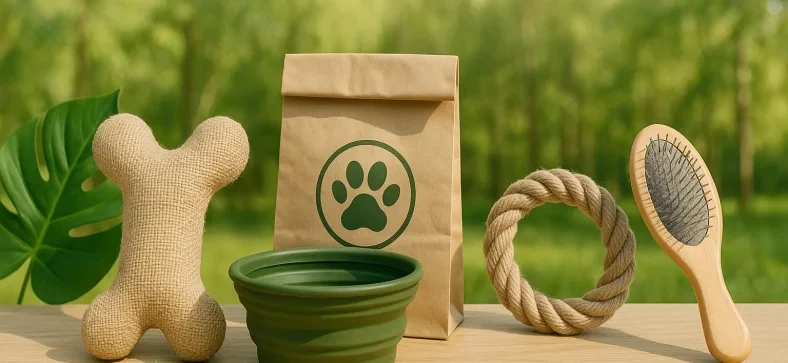
What materials are safest for making DIY pet toys?
natural fibers such as hemp, organic cotton, and recycled fabrics are safest, as they are non-toxic and durable. Avoid synthetic dyes and small parts that could be ingested.
How do DIY eco-friendly pet supplies benefit the environment?
They reduce plastic and synthetic waste by repurposing materials, lower production-related carbon emissions, and often include biodegradable components that minimize landfill impact.
Can homemade grooming products be as effective as commercial ones?
Yes, when made with safe plant-based ingredients like coconut oil and baking soda, homemade grooming products can clean and condition pet coats without harmful chemicals.
Are DIY pet supplies cost-effective compared to store-bought eco-friendly products?
Generally, yes. DIY supplies use household or recycled materials, reducing costs, and their durability means fewer replacements, leading to long-term savings.
How can I ensure DIY pet products are safe for my pet?
Use non-toxic natural materials, avoid small detachable parts, and consult a veterinarian before introducing new grooming products or dietary changes.
—
The increasing integration of DIY eco-friendly pet supplies into mainstream pet care reflects a broader commitment to sustainability, animal health, and economic prudence. As materials science advances and consumer awareness grows, these practices will evolve, offering ever more effective and accessible solutions. Pet owners who adopt incremental changes contribute not only to their pets’ well-being but also to global efforts in reducing environmental waste and fostering responsible consumption. Continued collaboration among veterinarians, environmental experts, and ethical brands will be essential to mainstreaming sustainable pet care in the years ahead.