
Sustainable Pet Product Lifecycle: Circular Economy Guide
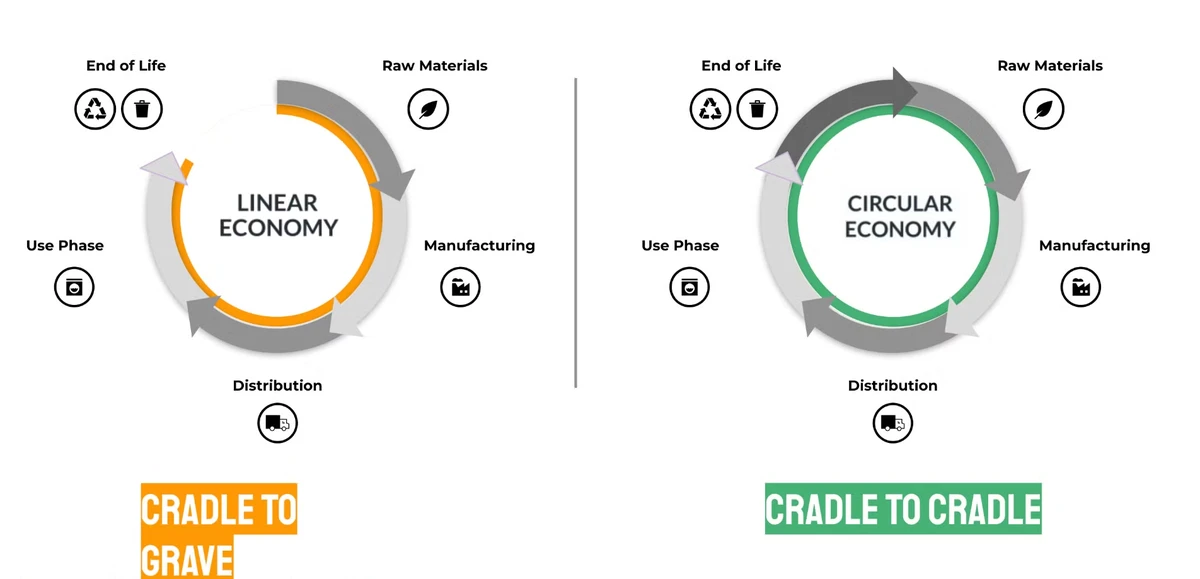
PawVerde.com – A sustainable pet product lifecycle shifts from a ‘take-make-waste’ model to a circular economy where materials like PET are continuously repurposed. This approach minimizes environmental harm by prioritizing product durability, mono-material construction, and closed-loop recycling systems to reduce the 300 million pounds of plastic waste generated annually by the U.S. pet food industry.
The environmental impact is immense. In the U.S., 91% of the 300 million pounds of plastic waste generated annually by the pet food industry ends up in nature, oceans, or disposal areas.
The Sustainability Paradox: Durability vs. Biodegradability
The sustainability paradox in pet products involves balancing a toy’s durability for heavy chewers against its end-of-life biodegradability. While biodegradable materials reduce landfill waste, they may lack the toughness required to prevent microplastic shedding, whereas durable recycled plastics like PET offer longevity but require robust recycling infrastructure to remain truly circular.
Sustainability rewards durability. According to ecofurball.com, if a product breaks easily, it fails the test of what makes a pet product sustainable, regardless of how green it appears. This creates a counterintuitive reality where a “less eco-friendly” material like high-density plastic may actually be more sustainable than a biodegradable alternative if the latter requires replacement every few weeks.
The Carbon Cost of Frequent Replacement
A common failure mode in sustainable pet ownership is the assumption that “natural” always equals “better.” However, the Pet Sustainability Coalition notes that what makes a pet product sustainable is its ability to minimise environmental harm across its entire lifecycle. If a consumer replaces a soft, biodegradable toy every month due to rapid wear, the cumulative carbon footprint of manufacturing, shipping, and disposing of those items often exceeds the footprint of a single, long-lasting recycled plastic toy.
Sustainable products can cost more upfront, but according to ecofurball.com, they often last longer and save money over time. This longevity is a critical component of reducing the total volume of waste entering the ecosystem.
The Microplastic Dilemma in Biodegradable Toys
A hidden risk exists when materials marketed as biodegradable lack the structural integrity to withstand heavy chewing. If these materials fragment, they can lead to the ingestion of microplastics by pets or the leakage of synthetic residues into the soil, complicating the lifecycle benefits they were intended to provide.
Material Safety vs. Circularity: A Decision Matrix
Choosing the right material requires weighing environmental cultivation costs against physical safety. As reported by growthmarketreports.com, the pet toys segment is experiencing rapid growth, driven by consumer concerns over plastic waste and chemical leaching from conventional toys.
| Material | Energy Intensity | Primary Circular Benefit | Main Sustainability Trade-off |
|---|---|---|---|
| PET (Recycled) | Low (70% reduction) | Closed-loop recycling | Requires specific recycling streams |
| Aluminum | High | Infinite recyclability | High initial energy cost |
| Glass | Very High | Non-toxic/Inert | Heavy weight/High breakage risk |
| Hemp | Low | Low water/High durability | Limited material versatility |
| Cotton | Medium | Biodegradable | High water use/Lower durability |
Deciding between fibers requires looking at resource use. While cotton is widely available, hemp often presents a more sustainable profile in terms of resource consumption and long-term toughness.
The PET Advantage in Circular Packaging
PET is a cornerstone of the circular economy because recycling it uses up to 70% less energy than producing virgin PET. Furthermore, recycling PET can save 6 tons of oil resources for every 1 ton processed, making it more environmentally efficient than glass, aluminum, or carton alternatives in many lifecycle assessments.
Husky Injection Molding Systems reports that PET produces lower greenhouse gas emissions, consumes less energy, and generates less waste compared to commonly used alternatives. These efficiency metrics are significant:
- The recycling of PET bottles helps divert 138 million bags of trash from landfills in the United States.
- PET-related water savings account for 4.4 billion litres annually in the U.S.
- These water savings are equivalent to the reduction in emissions from 688,000 gas-powered cars.
Closed-loop ‘bottle-to-bottle’ mechanics
A true circular economy relies on closed-loop “bottle-to-bottle” recycling. This process, as detailed by Aceretech, involves transforming used PET bottles into new, food-grade bottles through a systematic cycle of shredding, washing, and pelletizing. This ensures that the material does not degrade in quality but remains a high-value resource within the supply chain.
Solid State Polymerization (SSP) for food-grade safety
To maintain safety standards, particularly for pet food packaging, manufacturers utilize Solid State Polymerization (SSP). This technical process is essential to ensure that recycled PET (rPET) meets strict standards for food-grade use, stripping away impurities and restoring the polymer’s molecular weight so it is safe for contact with nutrition products.
Closing the Loop: Technical Strategies for Manufacturers
For manufacturers to move beyond simple recycling and toward a truly circular model, specific design choices must be implemented at the production stage. One of the most effective methods is mono-material construction, which uses a single polymer type throughout the entire package. As noted by plastekgroup.com, mono-material designs simplify the recycling process and increase the likelihood that local recycling facilities will accept the packaging.
Effective technical strategies include:
- Implementing Mono-Material Construction to avoid the complexities of separating multi-layer plastics.
- Adopting Closed-loop ‘bottle-to-bottle’ systems to keep high-quality PET in the production cycle.
- Designing for disassembly in durable goods like pet beds or crates.
A significant failure mode in manufacturing occurs when companies use multi-material laminates (such as plastic bonded to foil). While these may provide excellent moisture barriers for pet food, they are notoriously difficult to recycle and often end up in landfills, breaking the circular loop.
Market Dynamics and the Rise of the Eco-Conscious Pet Owner
The economic landscape is shifting rapidly to accommodate these sustainable practices. In 2024, the sustainable pet products market value reached USD 35,045 million. This sector is projected to grow at a CAGR of 7.4% during its forecast period, according to credenceresearch.com.
This growth is fueled by a massive influx of new consumers. Data from dataintelo.com indicates that 3.4 million new pet-owning households were formed across North America and Western Europe in 2024. As these new owners enter the market, there is an increasing demand for products that align with environmental values, driving investment in both compliance and innovation.
Avoiding the Greenwashing Trap
As sustainability becomes a primary marketing driver, the risk of “greenwashing” increases. Consumers must remain vigilant against products that use misleading environmental claims. According to ecofurball.com, sustainability marketing spin is a major pitfall when companies fail to provide verifiable data to back up their “eco-friendly” labels.
Systemic risks include non-compliance with global legislative efforts and a lack of source-level traceability to the waste-picker level.
To accurately judge a product, consumers can look toward Life Cycle Assessments (LCA). As noted by Uekert et al 2022, no LCA is perfect the first time, as reviewing results may require shifting the scope to fully capture all important environmental impacts.
FAQ
How can I ensure my pet’s recycled plastic toys don’t contaminate the recycling stream?
Focus on cleaning food residue and saliva from hard plastics like bowls or heavy-duty toys before disposal to prevent batch contamination. Ensuring materials are free of organic matter helps maintain the integrity of the recycling process.
What is the benefit of mono-material packaging for pet food?
Mono-material construction uses a single polymer type, which simplifies the recycling process and increases the likelihood that local facilities will accept the packaging. This reduces the chance of the material being diverted to a landfill.
Is it better to buy durable plastic or biodegradable pet products?
Durability prevents frequent replacement and waste. For items that cannot be easily recovered, biodegradability is an option, provided the material does not fragment into microplastics.

Best Plastic-Free Pet Grooming Tools: A Sustainability Guide
PawVerde.com – The best plastic-free pet grooming tools prioritize high-quality materials like stainless steel for infinite recyclability and bamboo for lightweight durability. To achieve a truly zero-waste routine, transition from liquid shampoos to vegan shampoo bars and swap disposable wipes for washable cloths to eliminate microplastic shedding and single-use waste.
Searches for “eco-friendly pet products” have grown by 30% in the last two years, signaling a massive shift in pet care priorities.
The Sustainability Audit: Identifying Hidden Plastics in Your Grooming Kit
To identify hidden plastics, inspect your “eco-friendly” tools for synthetic bristles (nylon/polyester) on bamboo handles, plastic components inside nail grinders, and toxic dyes in “natural” products. A truly plastic-free tool should consist of metal, wood, bamboo, or natural rubber without synthetic adhesives or composite parts.
Greenwashing occurs when products are labeled “eco-friendly” or “natural” but contain hidden synthetic materials or toxic dyes. A common failure mode involves bamboo handles that are bonded to plastic bases using non-recyclable adhesives. If a tool cannot be separated into pure material streams, it fails the sustainability audit.
The Bristle Trap
Many brushes marketed as sustainable feature bamboo or wood handles but utilize nylon or polyester bristles. These synthetic filaments shed microplastics during use. Practitioners recommend checking the bristle composition before purchase. True zero-waste alternatives rely on natural fibers or high-grade metal pins.
The Glue and Dye Dilemma
Even if the primary material is bamboo or hemp, manufacturers often use synthetic glues to secure metal components. Bamboo and hemp are chemical-free alternatives to plastics, but only if the entire assembly avoids composite parts. Additionally, ensure that “natural” products do not rely on synthetic dyes that can leach into a pet’s coat.
Material Durability vs. Eco-Impact Matrix
Selecting tools requires weighing longevity against immediate environmental footprint. While bamboo offers immediate renewability, stainless steel provides a lifecycle that spans decades through infinite recyclability.
| Material | Durability | Recyclability | Best For |
|---|---|---|---|
| Stainless Steel | High | Infinite | Dematting, Combs, Professional tools |
| Bamboo | Moderate | Compostable* | Lightweight brushes, Handles |
| Plastic | Low | Limited | Not recommended for zero-waste |
Stainless steel stands as the gold standard for sustainable grooming tools due to its exceptional durability, resistance to rust and corrosion, and infinite recyclability.
Stainless Steel: The Infinite Recyclable
Stainless steel is an ideal choice for high-friction tools like combs and deshedding implements. Unlike plastic, which degrades and becomes ineffective quickly, metal maintains its structural integrity over years of use. This longevity prevents the constant replacement cycle that drives landfill waste.
Bamboo: The Lightweight Renewable
Bamboo brushes are a fantastic alternative to plastic because bamboo is a renewable resource that is both durable and lightweight. It provides a tactile, natural feel that avoids the static electricity common with synthetic handles. However, users must ensure the brush is 100% bamboo to ensure it is truly compostable at end-of-life.
Top Sustainable Grooming Tools by Category
Matching material properties to specific grooming needs is essential for reducing environmental impact while maintaining professional results.
Professional-Grade Metal Tools
- Mars Coat King: This dematting undercoat rake is a heavy-duty metal option. It is highly efficient, removing 90% of loose hair with each grooming motion.
- Andis Deshedding Tool: Featuring a head width of 4.5 inches, this tool is a staple for managing thick coats. It is priced at approximately $26 at Chewy.
- Safari Self-Cleaning Slicker Brush: A reliable metal and wood option for daily maintenance, available for about $18 at Chewy.
Zero-Waste Bathing Essentials
- Stuck Soap Vegan Shampoo Bars: These bars are a high-impact change for zero-waste routines. One bar replaces multiple plastic bottles and lasts for months.
- Washable Cloths: Instead of using Earthbath or other disposable wipes, use old towels cut into small squares for paw cleaning.
Sustainable Brushes and Combs
- Uproot Pet Grooming Kit: This kit contains 7 different tools, providing a comprehensive solution for various coat types.
- FOUR PAWS Curry Brush: A durable option for skin stimulation and hair removal.
Coat-Specific Material Guide: Matching Tool to Texture
The texture of a pet’s coat dictates whether a tool should be heavy-duty metal or a lighter natural material. Using the wrong tool can lead to breakage or ineffective grooming.
Double-Coated Breeds
For breeds with dense undercoats, metal combs and deshedding tools are long-lasting options. These tools must be sturdy enough to penetrate the coat without bending. Stainless steel is essential here to withstand the pressure required to reach the undercoat.
Short and Smooth Coats
Short-haired pets benefit from tools that minimize static. Wooden handles are naturally less static-inducing than plastic, which is a big win for long-haired breeds or pets sensitive to electrical discharge. For smooth coats, a simple metal comb is often sufficient and will last a lifetime.
Maintenance and Disposal: The End-of-Life Roadmap
Even the most durable tools require upkeep to ensure they remain effective and safe for the pet.
Extending Tool Lifespan
To maintain metal combs, use DIY Comb Maintenance techniques. You can lightly run a piece of very fine-grit sandpaper or an emery board over the tips of the teeth to smooth them out. This prevents the metal from scratching the pet’s skin.
Warning: Stainless steel tines can break if the brush is dropped. Handle metal tools with care to prevent bending or snapping the teeth.
Composting and Recycling Guide
- Compostable: 100% bamboo handles or wooden handles (without synthetic glues) can be composted.
- Recyclable: Stainless steel tools and metal pins should be separated from handles and sent to metal recycling.
- Repurposing: Instead of tossing shed fur in the trash, add it to your compost bin. Dog hair is rich in nitrogen and breaks down naturally, contributing valuable nutrients to your garden soil.
Common Misconceptions About Eco-Friendly Pet Care
While “natural” does not always guarantee sustainability, vegan dog shampoos offer environmental benefits. According to Stuck Soap, vegan shampoos avoid animal-derived ingredients, reducing demand on animal agriculture—a major contributor to greenhouse gas emissions, land use, and water consumption.
FAQ
Can I compost a bamboo brush?
Only if it is 100% bamboo without metal pins or plastic glues. If it contains metal tines, you must separate the metal for recycling and compost the handle separately.
Are vegan shampoos actually better for my pet?
Yes, vegan shampoos avoid animal-derived ingredients and reduce the environmental footprint of animal agriculture, which is a major contributor to greenhouse gas emissions, land use, and water consumption.
How do I prevent rust on metal grooming tools?
Always dry stainless steel tools thoroughly after use. While stainless steel is highly resistant to corrosion, leaving them damp in a humid bathroom can eventually lead to oxidation.

Recycled Plastic Pet Toys: Safety and Sustainability Guide
PawVerde.com – Recycled plastic pet toys are a sustainable alternative to traditional plastics, but their safety depends on material quality. While brands like West Paw and Cycle Dog offer durable, non-toxic options, owners must distinguish between food-grade recycled materials and low-quality plastics that may leach chemicals or shed harmful microplastics.
An estimated 634 million dog toys end up in U.S. landfills every year, contributing to a massive 40,500-ton plastic waste problem.
The Greenwashing Detection Checklist: Is Your Toy Truly Sustainable?
To avoid greenwashing, check if a toy is ‘made from 100% recycled material’ versus merely ‘containing recycled content.’ Look for food-grade certifications to ensure recycled plastics aren’t industrial waste, and verify if the brand offers a take-back program or uses materials that are actually curbside recyclable.
Consumers must look beyond marketing to find real environmental impact. For example, using recycled materials in pet products can cut manufacturing-related emissions by up to 50%. Evaluate products by checking if a brand relies on a small amount of recycled content or if they utilize significant quantities, such as the 16 million bottles recycled into IntelliLoft® fiber and fill.
- Material Percentage: Distinguish between products made from 100% recycled materials and those that merely incorporate a fraction of recycled content.
- Grade of Plastic: Verify if the manufacturer uses food-grade recycled plastics rather than industrial-grade waste, which may carry higher chemical risks.
- End-of-Life Capability: Determine if the toy uses materials like the No. 7 plastic utilized by Project Hive, which is recyclable, or if it requires specialized disposal.
- Certification and Transparency: Look for brands that provide specific data on their manufacturing-related emission reductions, which can reach up to 50% when using recycled materials.
Food-grade vs. Industrial-grade plastics
The distinction between these two categories is a critical safety factor. Industrial-grade recycled plastics are often sourced from manufacturing scraps and may contain residues from the original production process. Conversely, food-grade plastics are processed to meet strict safety standards, ensuring they are safe for contact with living beings. Using poorly processed recycled plastics can lead to structural failure under heavy chewing, creating immediate choking hazards.
The Bioplastic Trap
Many bioplastic items contain the same harmful chemicals as conventional plastics and require industrial composting to break down. Because most municipal waste systems cannot handle these materials, bioplastic toys often end up in landfills despite their “natural” marketing.
Durability Tier List: Best Recycled Brands for Every Chewer
Selecting a toy requires matching the material’s physical properties to the pet’s chewing habits. Manufacturers like West Paw have demonstrated significant scale in this sector, having recycled 140,000 pounds (about $187.2 thousand) of Zogoflex material as of 2020.
| Brand | Primary Material | Chew Intensity | End-of-Life Path |
|---|---|---|---|
| West Paw | Zogoflex | Heavy Duty | Brand Take-Back (Join the Loop) |
| Cycle Dog | Upcycled Textiles/Bottles | Moderate | Landfill/Recycling Dependent |
| Beco Pets | Bamboo & Recycled Plastic | Light/Moderate | Compostable/Recyclable |
| Project Hive | No. 7 Recyclable Plastic | Moderate | Curbside Recyclable |
The table above compares the primary durability and disposal methods for leading sustainable pet brands.
Heavy Duty: The Zogoflex Advantage
For power chewers, West Paw’s Zogoflex is a leading choice. Each Zogoflex dog toy contains 19% recycled content, providing a balance between environmental responsibility and extreme durability. This material is specifically engineered to withstand intense pressure without the rapid degradation seen in cheaper alternatives.
Moderate Chewers: Upcycled Textiles
Cycle Dog focuses on transforming waste into functional products. Most Cycle Dog toys are filled with upcycled materials, specifically recycled plastic water bottles. These products offer a middle ground for dogs that prefer soft or textured play rather than hard biting. You can see how Cycle Dog transforms waste into fun by visiting their official website.
Light Play: Bamboo and Soft Recycled Fill
Beco Pets utilizes bamboo byproducts alongside recycled plastics to create lighter, more tactile toys. These are ideal for smaller breeds or older dogs. Additionally, manufacturers like Multipet provide various recycled options that cater to a wide range of play styles, from soft squeakers to textured chewers.
Microplastic Risk Assessment: Material Safety Breakdown
Microplastic risk varies by material: Natural rubber is the safest as it is biodegradable. Recycled molded plastics (like Zogoflex) have lower shedding risks than recycled synthetic textiles (polyester/nylon), which can shed microfibers that pets may inhale during play.
A UK study noted that 70% of mass-produced dog toys contain harmful microplastics. This poses a significant health concern, particularly regarding inhalation and ingestion. The risk profile changes depending on whether the toy is a solid molded object or a fabric-based item.
| Material Type | Microplastic Risk | Primary Concern |
|---|---|---|
| Natural Rubber | Very Low | Biodegradable and non-toxic |
| Molded Recycled Plastic | Low | Structural shedding if damaged |
| Recycled Polyester/Nylon | High | Inhalation of microfibers |
| Synthetic Acrylics | High | Fiber shedding and inhalation |
Artificial fibers, including polyester, nylon, and acrylics, pose specific health risks. As these materials wear down, they shed microfibers that pets may inhale. To mitigate this, owners should prioritize natural fibers like cotton, wool, or hemp, which are gentler and avoid the inhalation risks associated with synthetics.
The End-of-Life Plan: Where Does the Toy Go Next?
Sustainability is defined by the ultimate destination of the product. A toy that is “recyclable” but ends up in a landfill because no facility accepts it does little to solve the 40,500-ton waste problem.
To ensure a purchase contributes to a circular economy, owners should select specific disposal pathways. These include participating in brand-led initiatives or using materials compatible with existing infrastructure.
- Closed-Loop Programs: West Paw offers the “Join the Loop” program, where customers can mail back used toys to be recycled into brand new ones.
- Curbside Recyclable: Products like those from Project Hive use No. 7 plastic, which is designed to be compatible with certain recycling streams.
- Industrial Composting: Some bioplastics require specific industrial composting facilities to break down effectively.
- Repurposing (DIY): If a toy is still structurally sound but no longer “fun,” it can be repurposed. For example, you can turn worn-out socks into tug toys, provided they are washed thoroughly first.
Maintenance & Hygiene: Cleaning Your Eco-Friendly Toys
Proper cleaning is essential to prevent material degradation while maintaining hygiene. For example, Honest Pet Products uses azo-free dyes to ensure safety, but the choice of cleaning agent can still impact the longevity of the polymer or fabric.
Warning: Avoid using strong detergents, bleach, or highly acidic cleaners on upcycled or DIY toys. These substances can degrade the material or leave behind chemical residues that are harmful if ingested or inhaled.
For molded plastics, a simple wash with mild, non-toxic soap and warm water is typically sufficient. For textile-based toys, such as those using eco-fiberfill, ensure they are dried completely to prevent mold growth within the recycled stuffing.
FAQ
Are recycled plastic toys safe for heavy chewers?
Safety depends on the polymer. Molded recycled plastics like Zogoflex are designed for durability, but poorly processed recycled plastics can break under heavy chewing, creating choking hazards. Always inspect toys for cracks or small pieces that may have broken off during play.
Can I recycle a recycled pet toy in my home bin?
Not always. While some materials like No. 7 plastic are recyclable, many eco-toys (especially bioplastics) require industrial composting or brand-specific take-back programs like West Paw’s Join the Loop. Check the specific material type before placing it in your curbside bin.
What is the safest material for a teething puppy?
Sustainably harvested rubber offers a durable, non-toxic, and biodegradable alternative to synthetic plastics. This material helps avoid the risks of leaching chemicals like BPA or phthalates.
Conversions use a rate of 1 GBP = $1.34 as of July 9, 2026; rates may change.