
PawVerde.com – hypoallergenic dog food designed with specialized protein sources and probiotics plays a critical role in managing food allergies in dogs, a condition increasingly recognized by veterinarians and pet nutrition experts. Food allergies in dogs primarily involve immune reactions to certain protein sources rather than grains, manifesting as itching, ear infections, digestive disturbances, and skin irritation. veterinary guidance is essential in diagnosing these allergies and selecting appropriate hypoallergenic diets, which often require an 8- to 12-week elimination trial to confirm efficacy. In 2026, a range of vet-recommended hypoallergenic dog food options, including hydrolyzed protein formulas, limited ingredient diets, and novel protein sources, are readily available through trusted online retailers such as Amazon, Kohapet, and Supertails.
The demand for effective hypoallergenic dog food has driven innovation in formulation, with brands like Royal Canin and Earthborn Holistic leading the market. These products focus on reducing allergen exposure while supporting gut health through probiotics and easily digestible carbohydrates. Pet owners increasingly rely on online platforms to purchase these specialized diets, balancing cost, ingredient transparency, and veterinary endorsement to ensure safe allergy management.
Understanding Food Allergies in Dogs
Food allergies in dogs often stem from an adverse immune response to dietary proteins, making proteins the most common allergenic components rather than grains or carbohydrates. The immune system mistakenly identifies certain proteins as harmful, triggering symptoms such as intense itching (pruritus), recurrent ear infections, skin irritation, and gastrointestinal upset including vomiting and diarrhea. These signs overlap with environmental allergies, complicating diagnosis without veterinary intervention.
Common offending proteins include beef, chicken, dairy, and eggs, but dogs may also react to less typical sources like soy or wheat gluten. Veterinary clinics emphasize the importance of distinguishing food allergies from environmental allergens, as treatment approaches differ significantly. Unlike environmental allergies, food allergies require dietary modification rather than solely medical management.
Certain dog breeds, including West Highland White Terriers, Boxers, and Labradors, show higher predisposition to food allergies, though any breed can be affected. Pet nutritionist Laura Ward highlights that chronic skin issues and persistent digestive symptoms should prompt a veterinary evaluation focused on dietary causes.
Types of Hypoallergenic Dog Food
Hypoallergenic dog food formulations fall into three main categories, each addressing allergies via different mechanisms:
Grain-free diets are sometimes marketed as allergy-friendly; however, research shows grains are less often the cause of food allergies in dogs. Veterinary experts stress focusing on protein sources rather than grain elimination unless a specific intolerance is identified. Fresh diets with minimal processing and high digestibility also support dogs with sensitive digestive systems.
Veterinary Recommendations and Allergy Trials
Before initiating any hypoallergenic diet, consultation with a veterinarian is paramount. Accurate diagnosis involves ruling out environmental causes and conducting an elimination diet trial, typically lasting 8 to 12 weeks. During this period, dogs are fed exclusively hypoallergenic food, avoiding treats and supplements that may contain allergens.
Veterinarians monitor clinical signs throughout the trial, assessing reduction in symptoms such as itching and digestive upset. If symptoms improve, a challenge phase reintroduces previous foods to confirm specific allergens. This structured approach ensures precise identification of dietary triggers, enabling targeted long-term management.
Veterinary supervision also helps avoid nutritional imbalances common in homemade or improperly formulated diets. Prescription hypoallergenic diets from brands like Royal Canin come with guaranteed nutrient profiles and clinical evidence supporting their efficacy.
Key Ingredients and Nutritional Components in Hypoallergenic Dog Food
Hypoallergenic dog foods prioritize protein sources less likely to elicit immune responses. Venison, kangaroo, duck, lamb, salmon, and pork are frequently used due to their low prevalence in commercial dog food and distinct protein structures. These proteins reduce cross-reactivity with common allergens such as beef or chicken.
Probiotics play a significant role in maintaining gut health, which is critical in managing food allergies. Strains like Lactobacillus and Bifidobacterium improve digestion and modulate immune responses, potentially reducing inflammation linked to allergic reactions. Easily digestible carbohydrates, such as sweet potatoes or peas, provide energy without aggravating sensitive digestive tracts.
Avoidance of artificial additives, preservatives, and common allergens like soy and wheat gluten further enhances hypoallergenic formulations. Ingredient transparency, facilitated by clear labeling, allows pet owners and veterinarians to assess suitability accurately.
Buying Hypoallergenic Dog Food Online in 2026
The online marketplace offers expanded access to hypoallergenic dog food, with platforms such as Amazon, Kohapet, and Supertails providing extensive selections. These retailers stock both prescription and over-the-counter options, catering to various budgets and dietary needs.
Prescription diets from Royal Canin and other veterinary brands require a veterinary prescription but are increasingly available through verified online veterinary pharmacies and pet specialty sites. Over-the-counter hypoallergenic foods, including Earthborn Holistic’s limited ingredient lines, are accessible without prescription, providing convenience for pet owners managing mild to moderate allergies.
Price ranges vary widely, with veterinary prescription diets typically commanding higher costs due to clinical formulations and quality control standards. Earthborn Holistic’s options offer more affordable alternatives while maintaining ingredient quality.
When purchasing online, verifying product authenticity is crucial. Pet owners should examine seller ratings, look for official brand authorization, and scrutinize ingredient lists on product pages. Online reviews from sources like Dog Food Advisor and expert nutritionists offer additional insights into product performance and suitability.
Brand Spotlights and Product Examples
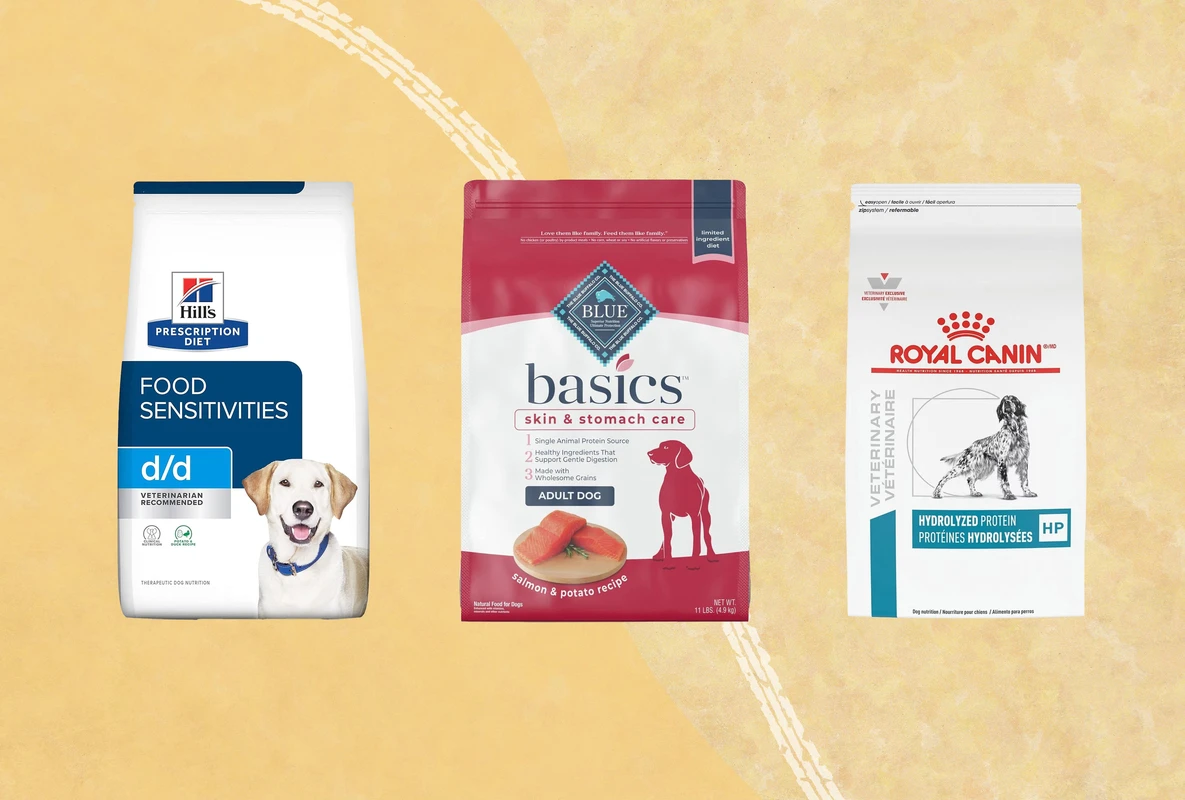
Royal Canin’s veterinary hypoallergenic diets, such as the Hydrolyzed Protein range, are widely recommended by veterinarians for managing food allergies. These diets feature extensively researched formulations with hydrolyzed soy protein or hydrolyzed chicken liver, reducing allergenicity while providing balanced nutrition.
Earthborn Holistic delivers limited ingredient formulas focusing on novel proteins and grain-free carbohydrates, appealing to pet owners seeking natural ingredients and affordability. Their products incorporate probiotics and prebiotics to support digestive health.
Dog Food Advisor ranks these brands highly based on ingredient quality, customer feedback, and nutritional adequacy. Pet nutritionist Laura Ward endorses combining these vetted products with veterinary oversight for optimal allergy management outcomes.
| Brand | Diet Type | Protein Source(s) | Key Features | Price Range (Monthly) |
|---|---|---|---|---|
| Royal Canin Veterinary Hydrolyzed | Hydrolyzed Protein Prescription | Hydrolyzed soy, chicken liver | Clinically tested, vet-prescribed, supports skin & digestion | $70 – $120 |
| Earthborn Holistic Limited Ingredient | Limited Ingredient Diet (Over-the-Counter) | Venison, salmon, duck | Grain-free, probiotics included, affordable | $40 – $70 |
| Natural Balance L.I.D. | Limited Ingredient Diet | Duck, lamb, salmon | Novel proteins, minimal ingredients, widely available | $50 – $80 |
Practical Feeding and Care Tips for Hypoallergenic Diets

Transitioning dogs to hypoallergenic diets requires a gradual introduction over 7 to 10 days, mixing increasing proportions of new food with the old to minimize digestive upset. Consistency is critical; feeding exclusively hypoallergenic food and avoiding treats or table scraps prevents accidental allergen exposure.
For dogs with multiple allergies or sensitivities, combining novel protein diets with hydrolyzed formulas under veterinary supervision can optimize results. Monitoring for symptom recurrence or new reactions is essential, prompting veterinary re-evaluation if necessary.
Regular follow-up appointments allow veterinarians to adjust dietary plans and address emerging issues such as nutrient deficiencies or secondary infections. Pet owners should maintain detailed symptom logs to support these consultations.
FAQ
What is the difference between limited ingredient and hydrolyzed protein dog food?
Limited ingredient diets use a minimal number of whole food ingredients to reduce allergens, while hydrolyzed protein diets break down proteins into small peptides that the immune system does not recognize, making them less likely to cause allergic reactions. Hydrolyzed diets typically require veterinary prescription.
How long should I feed hypoallergenic dog food to see results?
Veterinarians recommend an elimination diet trial lasting 8 to 12 weeks to accurately assess improvements in allergy symptoms. Consistent feeding without other food sources is essential during this period.
Can I buy prescription hypoallergenic dog food online without a vet’s approval?
Prescription hypoallergenic diets generally require a veterinary prescription due to their clinical nature. Some online retailers verify prescriptions before shipping, ensuring safe and appropriate use.
Are grain-free diets effective for managing dog food allergies?
Grains are less commonly responsible for food allergies in dogs; protein sources are typically the main allergens. Grain-free diets may help dogs with specific grain intolerances but are not universally necessary for allergy management.
What role do probiotics play in hypoallergenic dog food?
Probiotics support digestive health by balancing gut microbiota and modulating immune responses, potentially reducing inflammation and improving nutrient absorption in allergic dogs.
Hypoallergenic dog food in 2026 combines veterinary expertise, advanced formulation, and convenient online availability to address the complex challenge of food allergies in dogs. Pet owners should prioritize veterinary consultation, carefully select diets based on ingredient transparency and efficacy, and maintain vigilant monitoring during diet trials. As the market evolves, emerging protein sources and gut health innovations promise further improvements in managing canine food allergies safely and effectively.