
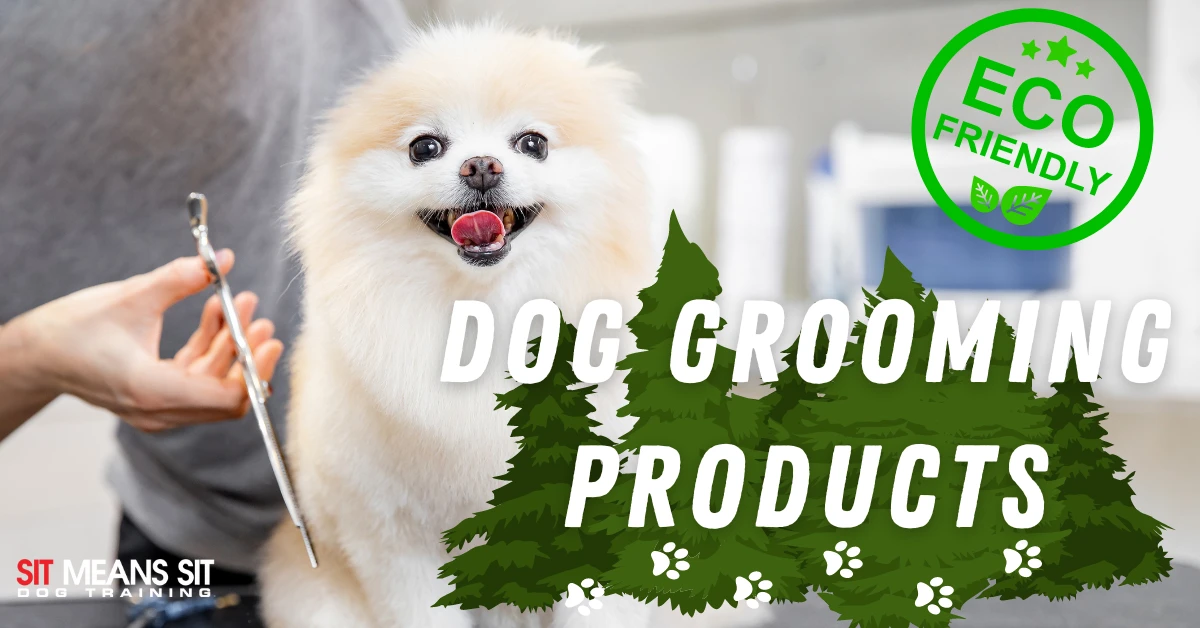
PawVerde.com – Biodegradable grooming tools for pets have gained momentum as eco-conscious pet owners seek sustainable alternatives to traditional plastic grooming products. Crafted primarily from bamboo, FSC-certified wood, and recycled materials, these tools offer a dual benefit: reducing environmental impact while supporting pet health through natural, chemical-free materials. Their accelerated biodegradability, combined with durability and gentleness on pet skin, positions them as a practical and environmentally responsible choice for modern pet care.
The rising demand for sustainable pet grooming products reflects growing awareness of the environmental toll of plastic waste and the benefits of natural ingredients on sensitive pet skin. Biodegradable grooming tools, including brushes, combs, nail clippers, and gloves, contribute significantly to reducing landfill accumulation while maintaining grooming effectiveness. This shift also aligns with broader zero waste pet care initiatives that promote composting pet waste and minimizing synthetic chemical exposure.
What Are Biodegradable Grooming Tools?
Biodegradable grooming tools are pet care implements designed to decompose naturally within a short timeframe after disposal, unlike conventional plastic tools that persist for decades in landfills. These tools commonly utilize sustainable materials such as bamboo, FSC-certified wood, and certain recycled bioplastics designed for accelerated biodegradation under industrial composting conditions. Bamboo, in particular, is favored for its rapid renewability and antimicrobial properties, making it ideal for brushes and combs.
Typical biodegradable grooming products encompass a range of items:
Such products avoid synthetic additives, harsh plastics, and chemical coatings that hinder decomposition and can irritate pet skin. Their design prioritizes both environmental sustainability and pet comfort.
Environmental Benefits of Biodegradable Pet Grooming Tools
The environmental advantages of biodegradable grooming tools stem primarily from waste reduction and sustainability in sourcing. Plastic pet grooming products contribute substantially to global plastic pollution, with discarded items often ending up in landfills or oceans, where they degrade into microplastics harmful to ecosystems.
Biodegradable alternatives made from bamboo and FSC-certified wood reduce plastic usage dramatically. Bamboo cultivation requires no pesticides or fertilizers, thrives on minimal water, and grows rapidly, making it a low-impact raw material. FSC certification ensures responsible forest management, preserving biodiversity and climate resilience.
These tools decompose significantly faster than plastics. Bamboo brushes, for example, can break down within months in composting environments, whereas plastic brushes may take centuries. Additionally, biodegradable grooming gloves and wipes reduce single-use plastic waste traditionally generated by pet grooming routines.
Ethical production practices also play a role; many sustainable pet grooming brands partner with environmental organizations and sustainable material suppliers to ensure transparency and minimize carbon footprint. This includes recyclable packaging that further lessens environmental impact.
Health and Practical Benefits for Pets
Natural materials used in biodegradable grooming tools offer tangible health benefits for pets. Pets’ skin has a delicate pH balance distinct from humans, typically ranging from 6.2 to 7.4. Synthetic grooming tools and products containing sulfates, parabens, and other chemicals can disrupt this balance, leading to irritation, dryness, or allergic reactions.
Bamboo and wood brushes with natural bristles are less abrasive and reduce static buildup, promoting healthier coats and skin. They also tend to be antimicrobial, which minimizes bacterial growth on grooming surfaces. Anecdotal evidence and user reviews from brands like Kinship indicate reduced incidences of skin irritation and improved coat texture when switching to natural grooming products.
Regarding durability, biodegradable tools often surpass cheap plastic alternatives. Bamboo brushes maintain structural integrity over repeated use, resisting warping and breakage. While they may cost more upfront, their longevity and reduced environmental disposal costs contribute to long-term value.
Accelerated biodegradable nitrile gloves combine hygiene with sustainability, offering protection during grooming without the environmental burden of traditional latex or vinyl gloves. Compostable grooming wipes infused with natural ingredients provide gentle cleaning without synthetic residue.
Additional Sustainable Grooming Practices
Adopting biodegradable grooming tools often complements broader sustainable grooming routines. Natural pet shampoos formulated with plant-based surfactants and free from synthetic fragrances or preservatives reduce chemical runoff into waterways. Vegan dog shampoos, increasingly popular among zero waste advocates, align with this ethos.
Composting pet waste using biodegradable bags addresses another significant source of pet-related plastic pollution. When combined with responsible disposal and home composting setups, these practices can transform pet waste from an environmental liability into a resource for soil enrichment.
Water and energy conservation during grooming also contribute to sustainability. Waterless grooming sprays and dry shampoos minimize water usage, while energy-efficient grooming appliances reduce carbon emissions. Together, these measures create a holistic approach to eco-friendly pet care.
Consumer Considerations: Are Biodegradable Tools Worth It?
Evaluating the worth of biodegradable grooming tools involves weighing cost, durability, availability, and environmental impact. Biodegradable brushes and gloves generally carry a higher price point than mass-produced plastic options, reflecting sustainable material sourcing and ethical manufacturing. However, their longer lifespan often offsets initial expenses.
Accessibility has improved as more pet grooming brands embrace sustainability, with offerings available through online retailers and specialty stores. Consumer demand has encouraged innovation, increasing product variety and competitive pricing.
pet health benefits, including reduced skin irritation and exposure to harmful chemicals, further justify the investment. Moreover, the environmental footprint reduction achieved—through plastic waste minimization and enhanced biodegradability—aligns with responsible pet ownership in an era of heightened ecological awareness.
Brands such as Good Natured Brand and EcoGloves demonstrate that accelerated biodegradable nitrile gloves provide performance parity with conventional gloves while offering significant environmental advantages. This balance of functionality and sustainability is critical to consumer acceptance.
Future Directions and Practical Next Steps
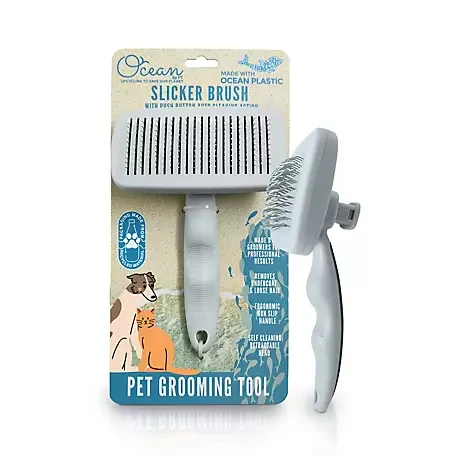
The sustainable pet grooming sector is poised for continued growth, driven by innovation in sustainable materials and increased consumer environmental consciousness. Emerging developments include waterless grooming technologies, fully compostable grooming kits, and expanded recycling programs for pet care accessories.
Pet owners seeking to transition toward eco-friendly grooming can begin by replacing plastic brushes with bamboo or FSC-certified wood alternatives, switching to natural shampoos, and adopting compostable grooming gloves and wipes. Participation in local pet waste composting initiatives complements these efforts.
Industry collaboration between pet health experts, sustainable material suppliers, and environmental organizations will likely accelerate product improvements and education, enhancing adoption rates. As supply chains evolve to reduce carbon emissions and waste, sustainable pet grooming can become standard practice rather than niche.
FAQ
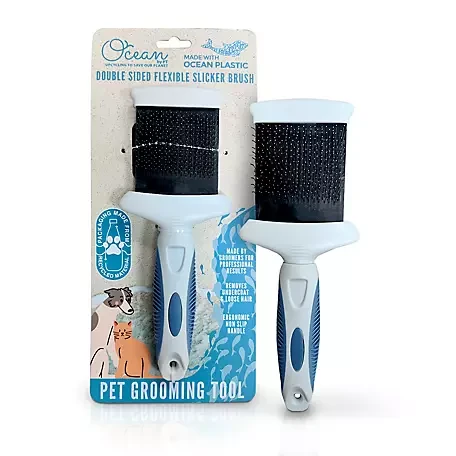
Are biodegradable pet grooming tools as durable as traditional plastic tools?
Biodegradable grooming tools, particularly those made from bamboo and FSC-certified wood, typically demonstrate superior durability compared to cheap plastic alternatives. Their natural fibers resist warping and breakage over repeated use, making them a cost-effective choice despite higher upfront prices. However, durability can vary by brand and product type.
Do natural grooming tools reduce the risk of skin irritation in pets?
Yes, natural grooming tools tend to be gentler on pet skin due to the absence of synthetic chemicals and harsh plastics. Materials like bamboo have antimicrobial properties and help maintain the skin’s natural pH balance, reducing irritation and allergic reactions. Pet health experts recommend natural grooming products for sensitive skin.
How quickly do biodegradable grooming tools decompose?
The decomposition rate depends on material and disposal environment. Bamboo brushes and wooden tools can break down within several months in industrial composting facilities, whereas plastic tools may take hundreds of years. Accelerated biodegradable nitrile gloves typically degrade faster than conventional gloves under proper composting conditions.
Can pet waste be composted safely using biodegradable bags?
Yes, biodegradable pet waste bags paired with appropriate composting methods enable safe decomposition of pet waste. It is essential to follow local regulations and use composting systems designed to handle pet waste to prevent pathogen spread. Composting reduces plastic pollution associated with traditional waste bags.
Are biodegradable grooming tools widely available and affordable?
Availability has increased with growing demand, and many sustainable pet grooming brands offer a range of biodegradable products online and in specialty stores. While prices are generally higher than plastic counterparts, competition and scale economies are driving costs down, making these tools more accessible to average consumers.
—
Transitioning to biodegradable grooming tools represents a practical step toward reducing plastic waste and promoting pet health without sacrificing grooming effectiveness. Continued innovation and consumer education will enhance sustainable pet care practices, ultimately benefiting pets, owners, and the environment alike.