
PawVerde.com – Local animal shelters in the United States are experiencing significant market growth, with the U.S. Animal Shelters industry projected to reach $5.3 billion in 2026. Recent data indicates that nearly 4.7 million pets—comprising 2.4 million dogs and 2.3 million cats—entered shelters in 2025, reflecting the scale of animal welfare operations nationwide. This influx underscores ongoing challenges such as shelter overcrowding, yet adoption rates have shown positive momentum, with private shelters reporting a 4.9% increase in adoptions last year. These dynamics position pet adoption as a critical ecosystem affecting community welfare, financial frameworks, and animal health standards.
Adoption from local shelters delivers multifaceted economic benefits, alleviating shelter overcrowding and reducing associated operational costs. adoption fees, which average between $75 and $150 depending on the region and shelter, typically encompass essential veterinary services including vaccinations, spaying/neutering, and microchipping. This bundled healthcare reduces long-term expenses for adopters compared to the initial and ongoing costs of purchasing from breeders, where prices for dogs and cats often exceed $1,000 without guaranteed health coverage. The financial structure of shelter adoption thus represents cost-effective access to companion animals while simultaneously mitigating the fiscal strain on shelter infrastructure.
Saving Lives and Reducing Overcrowding: The Community Impact of Adoption
Shelter overcrowding remains a persistent challenge, with facilities frequently operating at or beyond capacity. According to recent shelter intake and outcome data, approximately 20% of animals entering shelters in 2025 were at risk of euthanasia due to space constraints and resource limitations. Adoption acts as a primary mechanism to reduce overcrowding, enabling shelters to increase live release rates and accommodate more incoming animals. For instance, the Lafayette County Animal Shelter reported a 15% reduction in overcrowding after implementing targeted community adoption drives and foster programs.
Operationally, reducing overcrowding lowers per-animal costs related to food, medical care, and staffing. Shelter staff and volunteers, who constitute a substantial portion of the workforce, benefit from decreased workload intensity, improving overall service quality. The community impact extends beyond immediate shelter conditions; reduced euthanasia rates and healthier shelter environments foster stronger public trust and increase volunteer engagement. animal welfare organizations such as the ASPCA and Maddie’s Fund have emphasized adoption as a strategic priority to support sustainable shelter operations while enhancing animal welfare outcomes.
Financial Advantages of Adopting from Local Shelters
Adoption fees vary but generally remain significantly lower than purchasing pets from breeders or pet stores. The following table compares typical costs associated with adoption versus breeder acquisition, highlighting included veterinary services:
| Cost Component | Shelter Adoption | Breeder Purchase |
|---|---|---|
| Average Fee | $75–$150 (varies by region) | $800–$2,000+ |
| Vaccinations | Included | Often additional, $50–$200 |
| Spaying/Neutering | Included | Additional $200–$500 |
| Microchipping | Included | Additional $25–$50 |
| Initial Veterinary Exam | Included or discounted | Varies, often additional |
Shelters also provide behavioral assessments and basic training for many animals, reducing the need for costly post-adoption interventions. This comprehensive care package supports adopters in minimizing upfront and ongoing expenses. Furthermore, adoption fees contribute directly to shelter funding, sustaining operational viability and community programs. As highlighted by animal welfare professionals like Dr. Cindy Wasserman, DVM, JD, these financial efficiencies support both adopters and shelters, enabling a virtuous cycle of care and resource allocation.
Health and Behavioral Benefits of Shelter Pets
Shelter pets typically receive standardized veterinary care adhering to industry protocols. This includes vaccinations against common infectious diseases, spaying or neutering, and microchipping to facilitate reunification if a pet becomes lost. The importance of microchipping has grown with technological advancements and increased public awareness; shelters report reunification rates of up to 70% for microchipped animals compared to under 20% for non-microchipped pets.
Behavioral assessments conducted by shelter staff identify temperament, socialization level, and training needs. Facilities like the Oxford Animal Resource Center employ certified trainers to provide basic obedience and socialization, enhancing adoption outcomes. Shelter pets often have documented behavior profiles, reducing uncertainty for adopters and lowering the rate of returns or rehoming. This contrasts with pets from informal sources, where unknown health or behavioral issues can incur unforeseen financial and emotional costs.
Emotional and Physical Benefits to Adopters
The emotional benefits of adopting shelter pets are well-documented, with numerous studies associating pet ownership with reduced stress, lower blood pressure, and improved mental health. Adopters often report increased feelings of companionship and purpose, particularly in demographic segments such as college students. For example, students at universities near the Sioux Falls Area Humane Society have participated in shelter pet adoption programs, noting improvements in anxiety and depression symptoms.
Personal testimonials reinforce these findings. A student adopter described how fostering and eventually adopting a rescue dog alleviated feelings of loneliness and enhanced daily motivation. Shelter staff and volunteers witness the positive psychological transformations in adopters, which align with broader research linking pet ownership to enhanced emotional resilience. These benefits extend to physical health, encouraging regular exercise through dog walking and promoting active lifestyles.
Community and Ethical Benefits Beyond Adoption
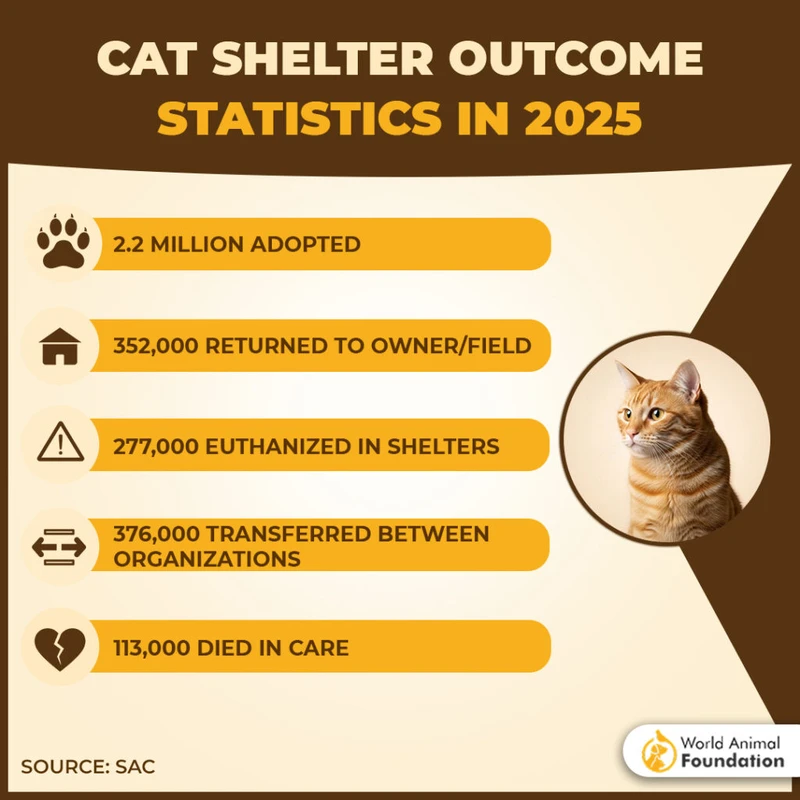
Adoption supports ethical animal welfare practices by directly reducing euthanasia and combatting the illegal pet trade. Financially, adoption fees and donations fund shelter operations, community outreach, and educational programs promoting responsible pet ownership. The no-kill shelter movement, which aims to save at least 90% of shelter animals, has gained traction, with many shelters adopting policies that prioritize adoption and foster care over euthanasia.
Foster programs, which temporarily house animals in private homes, have demonstrated increased adoption success rates and improved animal well-being. These programs alleviate shelter overcrowding and provide socialization opportunities for animals, helping them transition more effectively into permanent homes. Animal welfare organizations such as Pets Alive and the Animal Human Society actively promote foster care, highlighting its role in community engagement and shelter sustainability.
Trends and Statistics Shaping Adoption in 2026

The U.S. Animal Shelters industry’s projected $5.3 billion market size in 2026 reflects continued expansion driven by rising adoption rates and increased funding. Private shelters reported a 4.9% increase in adoptions in 2025, signaling growing public support. Additionally, technology integration—such as online adoption platforms, digital microchipping registries, and virtual counseling—has enhanced accessibility and streamlined adoption processes.
Live release rates have improved nationally, with many shelters achieving rates above 85%, attributed to adoption campaigns, foster care, and medical intervention programs. The no-kill movement’s influence is evident, with over 70% of shelters reporting policies aligned with no-kill principles as of recent data. Shelter funding dynamics reveal diversification, including grants from foundations like Maddie’s Fund and corporate partnerships, which provide critical financial support beyond traditional donation streams.
| Metric | 2025 Data | 2026 Projections |
|---|---|---|
| Pets Entering Shelters (millions) | 4.7 (2.4 dogs, 2.3 cats) | Stable at ~4.7 million |
| Private Shelter Adoption Increase | 4.9% | 5.2% |
| Live Release Rate | 85% | 87% |
| No-Kill Shelter Adoption | 70% of shelters | 75% of shelters |
| Average Adoption Fee | $100 | $105 |
| Industry Market Size | $5.1 billion | $5.3 billion |
These trends underscore the financial and operational momentum behind shelter adoption, reinforcing its role as a sustainable solution to animal welfare challenges.
Adoption from local shelters in 2026 represents a financially prudent, ethically sound, and community-enhancing choice. It leverages veterinary care efficiencies, supports shelter sustainability, and delivers measurable emotional and physical benefits to adopters. As the industry evolves, continued investment in shelter funding, foster programs, and technology-driven adoption processes will be critical to maximizing these outcomes. Prospective adopters and policymakers alike should consider these dynamics to promote responsible pet ownership and strengthen the animal welfare ecosystem.