
Benefits of Adopting from Local Shelters Drive U.S. Growth
PawVerde.com – Local animal shelters in the United States are experiencing significant market growth, with the U.S. Animal Shelters industry projected to reach $5.3 billion in 2026. Recent data indicates that nearly 4.7 million pets—comprising 2.4 million dogs and 2.3 million cats—entered shelters in 2025, reflecting the scale of animal welfare operations nationwide. This influx underscores ongoing challenges such as shelter overcrowding, yet adoption rates have shown positive momentum, with private shelters reporting a 4.9% increase in adoptions last year. These dynamics position pet adoption as a critical ecosystem affecting community welfare, financial frameworks, and animal health standards.
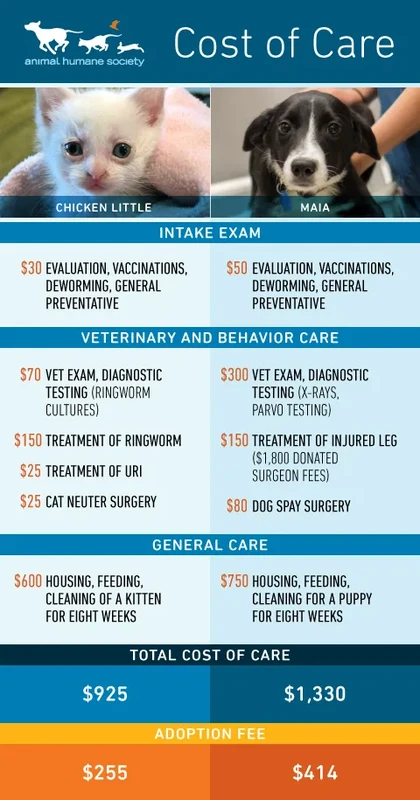
Adoption from local shelters delivers multifaceted economic benefits, alleviating shelter overcrowding and reducing associated operational costs. adoption fees, which average between $75 and $150 depending on the region and shelter, typically encompass essential veterinary services including vaccinations, spaying/neutering, and microchipping. This bundled healthcare reduces long-term expenses for adopters compared to the initial and ongoing costs of purchasing from breeders, where prices for dogs and cats often exceed $1,000 without guaranteed health coverage. The financial structure of shelter adoption thus represents cost-effective access to companion animals while simultaneously mitigating the fiscal strain on shelter infrastructure.
Saving Lives and Reducing Overcrowding: The Community Impact of Adoption
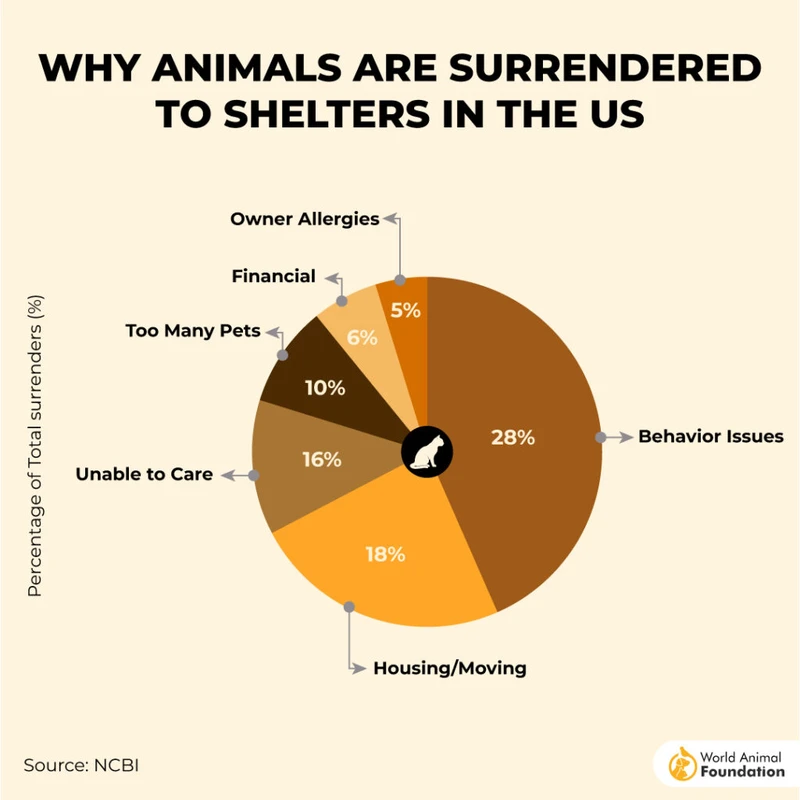
Shelter overcrowding remains a persistent challenge, with facilities frequently operating at or beyond capacity. According to recent shelter intake and outcome data, approximately 20% of animals entering shelters in 2025 were at risk of euthanasia due to space constraints and resource limitations. Adoption acts as a primary mechanism to reduce overcrowding, enabling shelters to increase live release rates and accommodate more incoming animals. For instance, the Lafayette County Animal Shelter reported a 15% reduction in overcrowding after implementing targeted community adoption drives and foster programs.
Operationally, reducing overcrowding lowers per-animal costs related to food, medical care, and staffing. Shelter staff and volunteers, who constitute a substantial portion of the workforce, benefit from decreased workload intensity, improving overall service quality. The community impact extends beyond immediate shelter conditions; reduced euthanasia rates and healthier shelter environments foster stronger public trust and increase volunteer engagement. animal welfare organizations such as the ASPCA and Maddie’s Fund have emphasized adoption as a strategic priority to support sustainable shelter operations while enhancing animal welfare outcomes.
Financial Advantages of Adopting from Local Shelters
Adoption fees vary but generally remain significantly lower than purchasing pets from breeders or pet stores. The following table compares typical costs associated with adoption versus breeder acquisition, highlighting included veterinary services:
| Cost Component | Shelter Adoption | Breeder Purchase |
|---|---|---|
| Average Fee | $75–$150 (varies by region) | $800–$2,000+ |
| Vaccinations | Included | Often additional, $50–$200 |
| Spaying/Neutering | Included | Additional $200–$500 |
| Microchipping | Included | Additional $25–$50 |
| Initial Veterinary Exam | Included or discounted | Varies, often additional |
Shelters also provide behavioral assessments and basic training for many animals, reducing the need for costly post-adoption interventions. This comprehensive care package supports adopters in minimizing upfront and ongoing expenses. Furthermore, adoption fees contribute directly to shelter funding, sustaining operational viability and community programs. As highlighted by animal welfare professionals like Dr. Cindy Wasserman, DVM, JD, these financial efficiencies support both adopters and shelters, enabling a virtuous cycle of care and resource allocation.
Health and Behavioral Benefits of Shelter Pets
Shelter pets typically receive standardized veterinary care adhering to industry protocols. This includes vaccinations against common infectious diseases, spaying or neutering, and microchipping to facilitate reunification if a pet becomes lost. The importance of microchipping has grown with technological advancements and increased public awareness; shelters report reunification rates of up to 70% for microchipped animals compared to under 20% for non-microchipped pets.
Behavioral assessments conducted by shelter staff identify temperament, socialization level, and training needs. Facilities like the Oxford Animal Resource Center employ certified trainers to provide basic obedience and socialization, enhancing adoption outcomes. Shelter pets often have documented behavior profiles, reducing uncertainty for adopters and lowering the rate of returns or rehoming. This contrasts with pets from informal sources, where unknown health or behavioral issues can incur unforeseen financial and emotional costs.
Emotional and Physical Benefits to Adopters
The emotional benefits of adopting shelter pets are well-documented, with numerous studies associating pet ownership with reduced stress, lower blood pressure, and improved mental health. Adopters often report increased feelings of companionship and purpose, particularly in demographic segments such as college students. For example, students at universities near the Sioux Falls Area Humane Society have participated in shelter pet adoption programs, noting improvements in anxiety and depression symptoms.
Personal testimonials reinforce these findings. A student adopter described how fostering and eventually adopting a rescue dog alleviated feelings of loneliness and enhanced daily motivation. Shelter staff and volunteers witness the positive psychological transformations in adopters, which align with broader research linking pet ownership to enhanced emotional resilience. These benefits extend to physical health, encouraging regular exercise through dog walking and promoting active lifestyles.
Community and Ethical Benefits Beyond Adoption
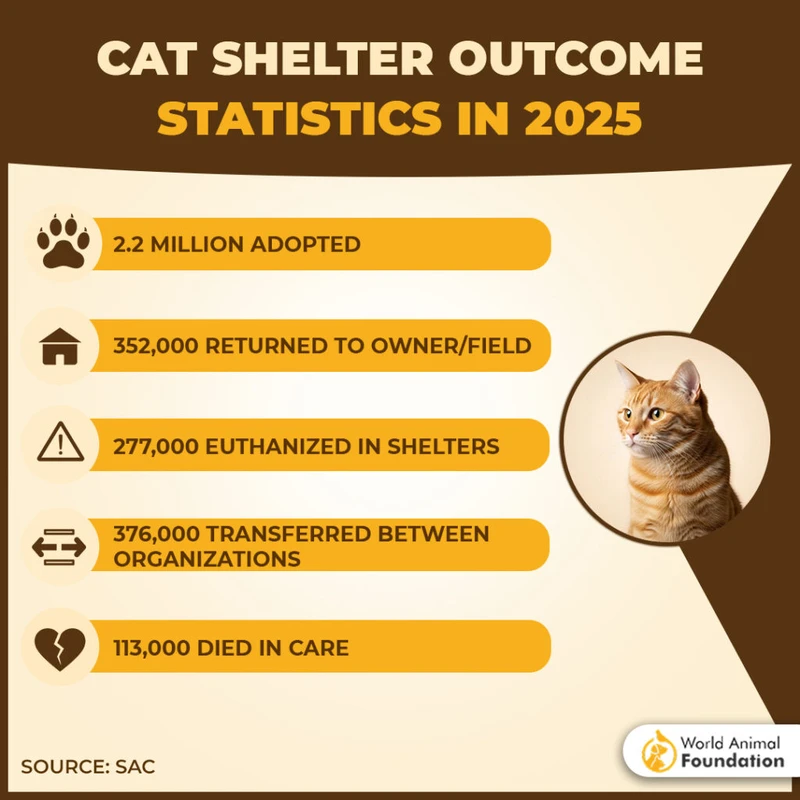
Adoption supports ethical animal welfare practices by directly reducing euthanasia and combatting the illegal pet trade. Financially, adoption fees and donations fund shelter operations, community outreach, and educational programs promoting responsible pet ownership. The no-kill shelter movement, which aims to save at least 90% of shelter animals, has gained traction, with many shelters adopting policies that prioritize adoption and foster care over euthanasia.
Foster programs, which temporarily house animals in private homes, have demonstrated increased adoption success rates and improved animal well-being. These programs alleviate shelter overcrowding and provide socialization opportunities for animals, helping them transition more effectively into permanent homes. Animal welfare organizations such as Pets Alive and the Animal Human Society actively promote foster care, highlighting its role in community engagement and shelter sustainability.
Trends and Statistics Shaping Adoption in 2026
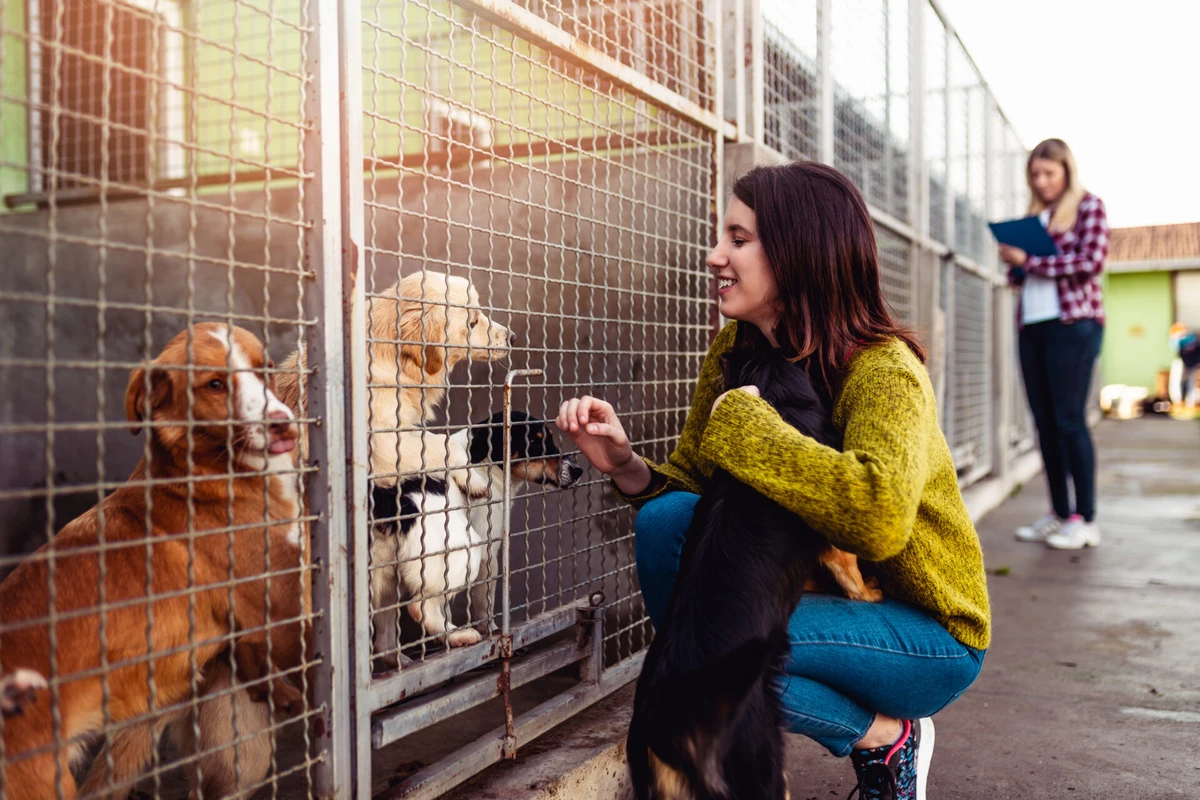
The U.S. Animal Shelters industry’s projected $5.3 billion market size in 2026 reflects continued expansion driven by rising adoption rates and increased funding. Private shelters reported a 4.9% increase in adoptions in 2025, signaling growing public support. Additionally, technology integration—such as online adoption platforms, digital microchipping registries, and virtual counseling—has enhanced accessibility and streamlined adoption processes.
Live release rates have improved nationally, with many shelters achieving rates above 85%, attributed to adoption campaigns, foster care, and medical intervention programs. The no-kill movement’s influence is evident, with over 70% of shelters reporting policies aligned with no-kill principles as of recent data. Shelter funding dynamics reveal diversification, including grants from foundations like Maddie’s Fund and corporate partnerships, which provide critical financial support beyond traditional donation streams.
| Metric | 2025 Data | 2026 Projections |
|---|---|---|
| Pets Entering Shelters (millions) | 4.7 (2.4 dogs, 2.3 cats) | Stable at ~4.7 million |
| Private Shelter Adoption Increase | 4.9% | 5.2% |
| Live Release Rate | 85% | 87% |
| No-Kill Shelter Adoption | 70% of shelters | 75% of shelters |
| Average Adoption Fee | $100 | $105 |
| Industry Market Size | $5.1 billion | $5.3 billion |
These trends underscore the financial and operational momentum behind shelter adoption, reinforcing its role as a sustainable solution to animal welfare challenges.
Adoption from local shelters in 2026 represents a financially prudent, ethically sound, and community-enhancing choice. It leverages veterinary care efficiencies, supports shelter sustainability, and delivers measurable emotional and physical benefits to adopters. As the industry evolves, continued investment in shelter funding, foster programs, and technology-driven adoption processes will be critical to maximizing these outcomes. Prospective adopters and policymakers alike should consider these dynamics to promote responsible pet ownership and strengthen the animal welfare ecosystem.

How Pet Adoption Supports Responsible Communities and Saves Lives
PawVerde.com – Pet adoption stands as a pivotal practice that directly supports responsible communities by reducing euthanasia rates, enforcing essential health protocols such as spaying/neutering and vaccinations, and fostering stronger social connections among residents. This multifaceted approach not only saves countless animal lives but also enhances community welfare, promotes ethical pet ownership, and drives economic benefits through sustainable pet care practices.
Adoption initiatives orchestrated by animal shelters and rescue organizations, including the Longmont Humane Society and Best Friends Animal Society, exemplify the integration of animal welfare principles with community development. These programs emphasize comprehensive veterinary care, rehabilitation, and educational outreach, thereby aligning pet ownership with public health and social responsibility goals.
Reducing Euthanasia and Saving Lives Through Adoption
animal shelters across the United States face persistent challenges with overcrowding, leading to high euthanasia rates, particularly among unadopted stray and surrendered animals. Pet adoption plays a critical role in mitigating this issue by freeing shelter capacity and providing rescued pets with permanent homes. According to data from Best Friends Animal Society, communities with robust adoption programs have witnessed euthanasia reductions exceeding 50% in recent years, illustrating the direct impact of adoption on saving animal lives.
Shelters implement strict health protocols requiring all adopted pets to undergo spaying or neutering and receive up-to-date vaccinations before transitioning to new owners. These measures serve as preventive strategies that curb pet overpopulation and reduce the spread of infectious diseases within both animal and human populations. For example, the Longmont Humane Society mandates spay/neuter surgeries and rabies vaccinations as part of its adoption agreement, ensuring that new pet owners contribute to community health standards.
Collaboration between shelters and local rescue groups enhances these efforts by facilitating transfers of animals from high-intake facilities to organizations with greater capacity or specialized rehabilitation programs. This networked approach optimizes resource allocation, reduces shelter burden, and increases the likelihood of successful adoptions.
Promoting Responsible Pet Ownership Through Adoption Processes
The adoption process itself is designed to cultivate responsible ownership by incorporating rigorous application procedures, home environment assessments, and suitability evaluations. Animal welfare organizations prioritize matching pets with owners whose lifestyles and capabilities align with the animal’s needs, thereby reducing risks of future abandonment or neglect.
Health protocols extend beyond spaying/neutering and vaccinations to include microchipping, behavioral evaluations, and veterinary wellness checks. These protocols set a standard of care that adopted pet owners are expected to maintain, supported by educational resources provided by shelters and rescue groups. For instance, foster programs often serve as transitional phases where pets receive behavioral training and medical care, while prospective owners receive guidance on long-term pet management.
Shelters actively engage adopters through post-adoption support services such as veterinary referral networks, training workshops, and community pet welfare programs. These initiatives help sustain responsible ownership, ensuring pets remain healthy and integrated within their communities.
Social and Community Benefits of Pet Adoption
Beyond the direct welfare of animals, pet adoption fosters significant social and community advantages. Companion animals act as catalysts for social interaction, encouraging neighborhood cohesion and mutual support networks. Studies have demonstrated that pet owners experience increased opportunities for socialization, which can reduce feelings of isolation and improve mental health outcomes.
Rescued pets often bring unique stories that inspire community advocacy and volunteerism. Adoption narratives shared by organizations like Best Friends Animal Society highlight how individuals and families become more engaged in local animal welfare efforts, promoting a culture of compassion and civic responsibility.
Moreover, companion animals contribute positively to mental health, providing emotional support and reducing stress levels. This aspect is particularly evident in vulnerable populations such as the elderly or individuals experiencing social anxiety, where pet adoption serves as a therapeutic intervention.
Economic and Ethical Impacts of Supporting Animal Welfare Through Adoption
Redirecting consumer focus from commercial breeders and pet stores to animal shelters shifts economic resources toward ethical and sustainable pet care models. Adoption alleviates demand for puppy mills and unethical breeding operations by offering viable alternatives that prioritize animal health and welfare.
Non-profit animal welfare organizations rely on community support and adoption fees to fund shelter operations, veterinary care, and outreach programs. This economic cycle reinforces local job creation in veterinary services, pet care industries, and shelter staffing, contributing to broader community growth.
Ethically, adoption embodies a responsible choice that aligns with societal values of animal rights and humane treatment. By choosing adoption, pet owners participate in a system that upholds transparency, accountability, and care standards, fostering trust within the community.
The Role of Fostering and Rehabilitation in Enhancing Adoption Outcomes
Fostering programs serve as critical pathways that prepare rescued animals for permanent adoption. Temporary homes offer a controlled environment for behavioral assessment, socialization, and medical rehabilitation, increasing the adoptability of shelter pets.
Rehabilitation efforts address issues such as trauma, aggression, or health complications, which might otherwise limit a pet’s chances of adoption. Animal welfare organizations deploy professional trainers, veterinary specialists, and volunteers to implement individualized care plans that maximize recovery outcomes.
Fostering also engages community members directly, creating networks of advocates and educators who promote responsible pet ownership. This involvement often leads to higher adoption rates, reduced shelter overcrowding, and stronger community ties centered around animal welfare.
FAQ
How does pet adoption reduce euthanasia rates in shelters?
Adoption decreases euthanasia by creating permanent homes for sheltered animals, freeing shelter space for new intakes, and reducing overcrowding. Shelters with active adoption programs report significant declines in euthanasia, supported by spaying/neutering requirements that prevent further overpopulation.
What responsibilities do adopters have regarding pet health and care?
Adopters are required to ensure pets receive vaccinations, spaying/neutering, microchipping, and regular veterinary care. Shelters provide education and support to help owners maintain these responsibilities, promoting long-term animal health and community safety.
In what ways does adopting a pet benefit community social dynamics?
Pets encourage social interaction among neighbors, reduce social isolation, and promote community engagement through advocacy and volunteerism. These social benefits extend to improved mental health and stronger neighborhood bonds.
Why is fostering important in the pet adoption process?
Fostering provides temporary care that allows pets to recover from medical or behavioral issues, prepares them for permanent homes, and reduces shelter overcrowding. It also educates foster families and communities about responsible pet care.
How does pet adoption impact the local economy and ethical standards?
Adoption supports ethical pet care by directing funds to shelters and rescue organizations rather than commercial breeders. This sustains local jobs in veterinary and animal welfare sectors and promotes humane treatment standards.
Pet adoption remains a cornerstone of responsible community development by integrating animal welfare with public health, ethical standards, and social cohesion. As adoption programs continue to evolve, fostering and rehabilitation efforts will play increasingly vital roles in enhancing outcomes for rescued pets and their new families. Communities benefit not only from the preservation of animal lives but also from the strengthened social fabric and economic vitality generated through compassionate pet ownership. Prospective adopters are encouraged to engage with local shelters and rescue groups to contribute meaningfully to this transformative process.
Private vs Public Pet Adoption: Key Pros and Cons Explained
PawVerde.com – Private and public pet adoption represent two primary avenues for acquiring companion animals, each with distinct benefits and challenges. Understanding these differences is essential for prospective adopters aiming to make informed, ethical decisions that align with their lifestyle, budget, and values. public animal shelters often operate at larger scales, housing diverse populations of pets ranging from mixed breeds to animals with special needs, typically offering lower adoption fees inclusive of veterinary services such as vaccinations, microchipping, and spay/neuter procedures. In contrast, private rescue organizations tend to work with smaller groups, providing personalized care, in-depth knowledge of each pet’s behavioral and medical history, and more rigorous screening processes for adopters.
Choosing between private and public pet adoption involves weighing cost, health history, and ethical factors: private rescues often provide personalized care, vetting, and return flexibility, while public shelters offer lower fees and help reduce overpopulation but may have less detailed pet backgrounds. These options differ significantly in terms of pet selection, health guarantees, and adoption policies, making it crucial to evaluate individual priorities before committing.
Benefits of Public (Shelter) Pet Adoption
Public shelters and municipal animal control facilities play a critical role in managing pet overpopulation and providing refuge for surrendered, stray, or abused animals. One of the most significant impacts of public shelter adoption is the direct contribution to reducing shelter overcrowding and euthanasia rates. According to national animal welfare statistics, shelters in the United States collectively save millions of animals annually, with adoption fees frequently covering essential veterinary care that lowers upfront costs for adopters.
Adoption fees at public shelters typically include vaccinations, spaying or neutering, and microchipping, which are essential for preventing disease spread and unwanted litters. This bundled veterinary care lowers the financial barrier to pet ownership and ensures that adopted animals enter homes with baseline health protections. Moreover, shelters offer pets of all ages and sizes, including adult and senior animals, which often have lower adoption fees than puppies or kittens.
Mixed breed dogs, commonly found in shelters, tend to exhibit greater genetic diversity, which can reduce the likelihood of inherited health problems compared to purebred animals. This genetic advantage often translates into fewer veterinary expenses over the pet’s lifetime. Public shelters also implement community-focused policies that support rehoming efforts and provide ongoing resources to adopters, such as behavioral training referrals and low-cost veterinary clinics, enhancing the long-term success of adoptions.
Benefits of Private Rescue Pet Adoption
Private rescue organizations and breed-specific rescues operate on a smaller scale but offer highly individualized care and attention to each animal. These groups often have fewer pets available at any given time, allowing for thorough medical evaluations and detailed documentation of each animal’s personality, behavioral history, and special needs. This level of detail enables prospective adopters to match with pets that fit their lifestyles more precisely.
Adoption screening processes in private rescues tend to be more rigorous, involving home visits, interviews, and follow-ups, which can improve adoption outcomes by ensuring compatibility and preparedness. Furthermore, many private rescues offer flexible return policies, recognizing that adopter circumstances may change and providing a safety net that protects both the pet and the adopter.
Breed-specific rescues, such as those affiliated with the Bernese Mountain Dog Club of America or the Bulldog Club of America, specialize in purebred animals and often collaborate with certified breeders who adhere to stringent health and ethical standards. These partnerships facilitate access to well-vetted pets with documented pedigrees and health guarantees, appealing to adopters seeking specific breeds without supporting puppy mills.
Challenges and Limitations of Public Shelter Adoption
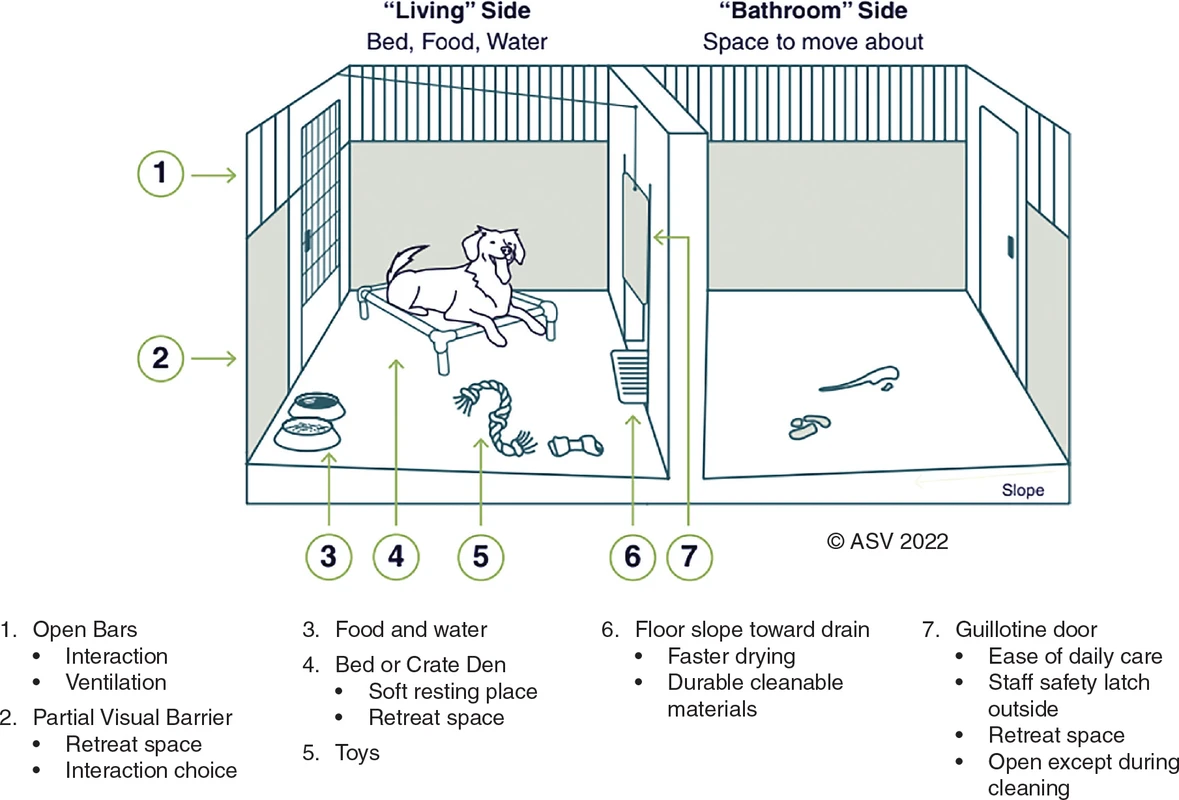
While public shelters provide critical services, they face challenges that can affect adopters’ experiences. Overcrowding is a persistent issue, with many shelters operating at or beyond capacity. This strain can limit the time and resources available for individualized pet care, leading to less comprehensive behavioral assessments or incomplete medical histories.
Shelters often accept all animals regardless of health or behavior, which means some pets may require significant post-adoption training, socialization, or medical treatment. Limited staff and volunteer resources can result in faster adoption processes, sometimes at the expense of thorough adopter screening or matching.
Additionally, adopters may encounter a narrower selection of purebred pets or pets with specific traits, as shelters predominantly house mixed-breed or stray animals. The lack of detailed behavioral and medical backgrounds can introduce uncertainty, requiring adopters to invest time and effort in ongoing training and veterinary care.
Challenges and Limitations of Private Rescue Adoption
Private rescues, despite their advantages, face distinct operational constraints. Due to smaller intake capacities and reliance on donations and volunteer labor, these organizations may have limited availability of pets, creating longer wait times for prospective adopters. The intensive screening and matching process, while beneficial for adoption success, can be perceived as cumbersome or restrictive.
Resource limitations may impact the extent of veterinary care or rehabilitation provided prior to adoption, particularly for rescues without stable funding. Private rescues may also lack the infrastructural support of larger shelters, making them vulnerable to fluctuations in volunteer engagement or donation levels, which can affect adoption services and follow-up support.
Comparison with Buying from Breeders
Purchasing pets from breeders offers advantages such as breed predictability, controlled genetics, and health guarantees backed by certifications. Certified breeders, adhering to standards set by organizations like the Bernese Mountain Dog Club of America or the Bulldog Club of America, often provide detailed pedigrees and vetting procedures, including genetic testing to minimize hereditary disorders.
However, buying from breeders typically involves significantly higher costs, including purchase prices and ongoing care for breed-specific health issues. Ethical considerations also arise, as some breeders contribute to pet overpopulation or prioritize profit over animal welfare, exacerbating shelter overcrowding.
In contrast, adopting from shelters or rescues supports animal welfare initiatives and reduces the demand for commercial breeding operations. Mixed breed pets from adoption sources tend to have fewer inherited health problems and often display more varied temperaments, which can be advantageous for certain owners.
| Aspect | Public Shelter Adoption | Private Rescue Adoption | Buying from Breeders |
|---|---|---|---|
| Cost | Lower adoption fees, inclusive of basic vet care | Moderate fees, sometimes higher due to specialized care | High purchase price plus additional health costs |
| Pet Selection | Wide variety, mostly mixed breed, all ages | Smaller pool, often breed-specific or special needs | Purebred with pedigree and health guarantees |
| Health & Vetting | Basic vetting included; histories may be incomplete | Comprehensive vetting, detailed medical histories | Extensive health screening, genetic testing |
| Adoption Process | Generally quicker, less rigorous screening | Lengthier, strict screening and matching | Direct sale, minimal screening |
| Ethical Considerations | Supports reducing overpopulation, euthanasia prevention | Supports specialized care and rescue efforts | Risk of contributing to overpopulation if unethical |
| Return Policy | Varies, often limited | More flexible, with adopter support | Usually no returns or exchanges |
Ethical and Practical Considerations in Choosing a Pet
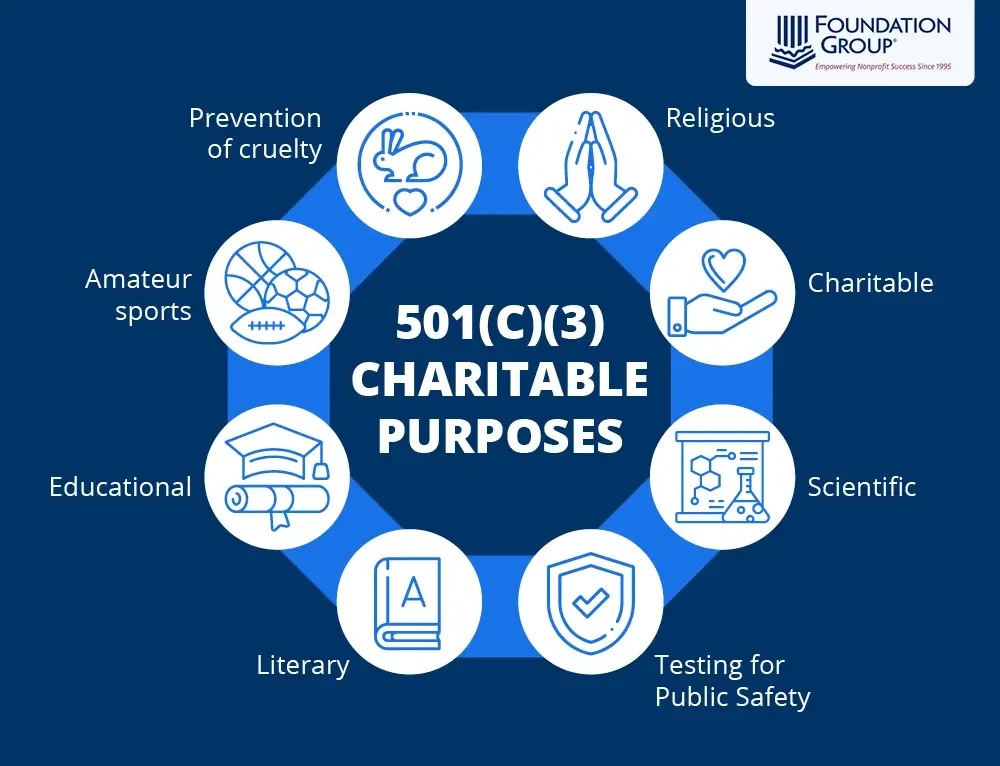
Supporting animal welfare through adoption addresses the critical issue of pet overpopulation, which results in millions of animals being euthanized annually. Choosing adoption over purchasing from commercial breeders reduces demand for unethical breeding practices and promotes responsible pet ownership.
Matching a pet’s temperament, energy level, and care requirements with the adopter’s lifestyle is essential for long-term success. Private rescues’ detailed behavioral profiles facilitate this alignment, while public shelters may require adopters to invest more effort in understanding their new pet’s needs.
Commitment to lifelong care, including veterinary maintenance, training, and socialization, is a non-negotiable aspect of ethical pet acquisition. Adopters must evaluate their capacity to provide stable, loving homes regardless of the source.
FAQ
What are the main differences between private and public pet adoption?
Private pet adoption involves smaller rescue groups with personalized care, detailed pet histories, and stricter adopter screening. Public pet adoption occurs through animal shelters with larger pet populations, generally lower fees, and broader availability but sometimes less detailed information on each animal.
Are adoption fees from shelters cheaper than private rescues?
Yes, public shelter adoption fees are typically lower and often include vaccinations, spay/neuter, and microchipping. Private rescues may charge higher fees reflecting the additional care, medical treatment, and screening they provide.
Do private rescues offer better behavioral matching than shelters?
Generally, yes. Private rescues usually have detailed knowledge of a pet’s personality and conduct thorough screening to match adopters, which can lead to better behavioral outcomes post-adoption.
Is adopting a mixed breed healthier than buying a purebred dog?
Mixed breed pets often benefit from greater genetic diversity, which can reduce the risk of inherited health problems common in some purebred lines. However, health also depends on the individual animal’s history and care.
Can I return a pet if adoption doesn’t work out?
Return policies vary; private rescues tend to offer more flexible return or exchange options to support adopters, whereas public shelters may have more limited or strict return policies.
As the pet adoption landscape continues to evolve, prospective owners are encouraged to assess their priorities critically, considering health, ethical implications, and long-term commitment. Both private rescue and public shelter adoption offer viable pathways to providing loving homes for animals in need, with each option carrying distinct practical and moral considerations. Future trends indicate increasing collaboration between breeders, rescues, and shelters to promote responsible pet acquisition and enhance animal welfare standards nationwide.