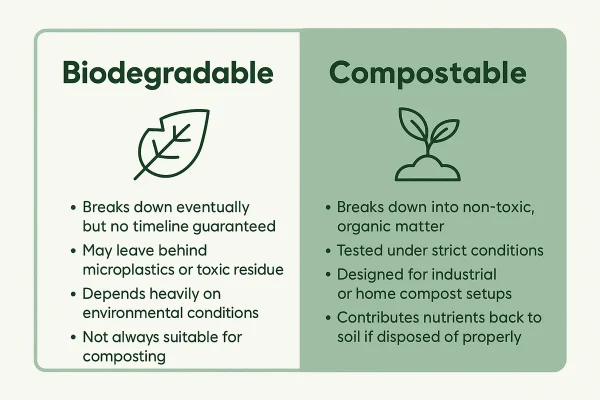
PawVerde.com – eco-friendly pet cleaners can be crafted at home using natural ingredients such as baking soda, white vinegar, and pet-safe essential oils. These components work synergistically to eliminate stains, neutralize odors, and disinfect pet areas without exposing animals to harmful synthetic chemicals. Enzyme-based cleaners further enhance effectiveness by breaking down organic residues at the molecular level. This tutorial provides detailed, practical recipes and usage guidelines to create safe, environmentally responsible cleaning solutions tailored for pet owners.
Core Natural Ingredients and Their Functions in Pet-Safe Cleaners
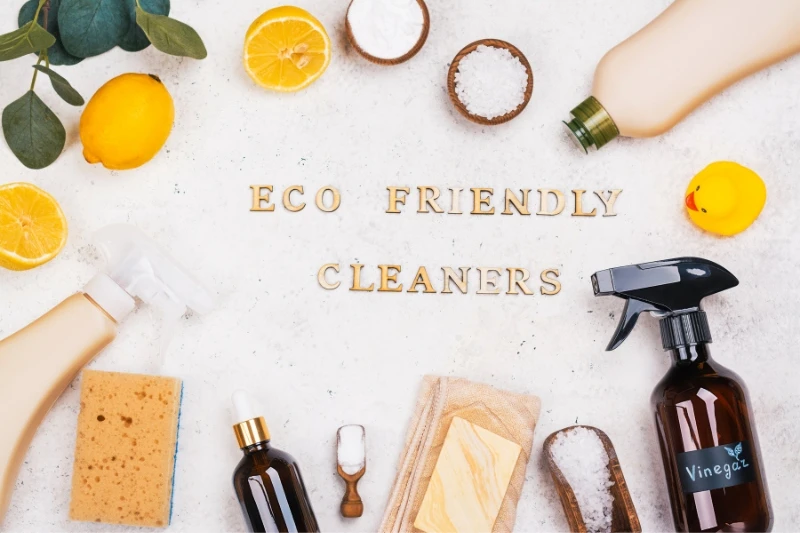
Baking soda is a versatile ingredient in natural pet cleaning due to its mild abrasive properties and strong odor absorption. It can be used to scrub surfaces gently while neutralizing unpleasant smells from pet urine, dander, and spills. White vinegar, diluted with water, provides disinfectant qualities and helps remove mineral deposits and organic stains on non-porous surfaces like tile and linoleum. Its acidic nature breaks down residues effectively without toxic residues.
Essential oils contribute antimicrobial effects and pleasant fragrances but require careful selection to ensure pet safety. Oils such as lavender, chamomile, and peppermint are generally recognized as safe in low concentrations, whereas others like tea tree and eucalyptus can be toxic to animals. Castile soap, a biodegradable vegetable-oil-based cleaner, serves as a gentle detergent alternative for cleaning pet bedding and grooming tools.
Hydrogen peroxide enhances stain removal by oxidizing organic matter. However, it must be spot-tested on fabrics and carpets because it can cause bleaching. Its use is best reserved for hardened stains and applied cautiously with proper dilution.
DIY Recipes for Common Pet Cleaning Needs
This section outlines step-by-step instructions for creating homemade cleaning solutions using natural ingredients, focusing on pet safety and effectiveness.
1. All-Purpose Pet-Safe Cleaner
This cleaner is suitable for floors, counters, and pet toys, combining disinfecting and deodorizing properties.
Ingredients:
Steps:
Time: Preparation requires one week for infusion; application is immediate.
2. Scented Cleaner with Rubbing Alcohol and Castile Soap
This recipe is effective for quick cleaning and drying, especially on hard surfaces.
Ingredients:
Steps:
Time: Ready to use immediately.
3. Heavy-Duty Pet Stain Remover Paste
This paste targets stubborn organic stains like dried urine or feces on carpets and upholstery.
Ingredients:
Steps:
Note: Borax can be toxic if ingested; apply in inaccessible areas for pets.
4. Enzyme-Based Cleaner for Pet Odors and Stains
Enzymatic cleaners break down protein-based stains at a molecular level, neutralizing odors effectively.
Ingredients:
Steps:
Time: Immediate use; enzymatic action continues as it dries.
Specialized Pet Care Cleaning Solutions
Beyond general cleaning, certain homemade solutions address specific pet care needs while maintaining eco-friendliness and safety.
Natural Dog Deodorizer Using Baking Soda
Baking soda’s odor-neutralizing properties extend to pet grooming.
Steps:
Frequency: Use weekly or as needed between baths.
Ear Cleaning Solution with Diluted White Vinegar
Maintaining ear hygiene prevents infections and odor buildup.
Ingredients:
Steps:
Frequency: Use weekly or per veterinarian advice.
Pet Bedding Laundry Detergent Options
Commercial eco-friendly brands like Seventh Generation provide biodegradable, fragrance-free detergents that minimize skin irritation and chemical exposure for pets. Using these products or diluted Castile soap solutions ensures thorough cleaning without residue buildup.
Application Tips and Safety Precautions
Prompt cleaning of pet accidents is crucial to prevent stains setting and odors developing. Always blot fresh messes with paper towels before applying cleaners.
Hydrogen peroxide must be spot-tested on a hidden fabric area for 5-10 minutes to check for discoloration. Avoid using hydrogen peroxide near eyes or on open wounds.
Essential oils should be used sparingly and only those verified as pet-safe. Diffusing oils in pet areas is preferable to direct application. Consult veterinary resources for specific oil safety.
Store homemade cleaners in labeled, opaque containers away from children and pets. Proper dilution maintains effectiveness while reducing risks.
Environmental and Health Benefits of Homemade Pet Cleaners
Using natural ingredients reduces exposure of pets and humans to harsh chemicals found in synthetic cleaners, lowering risks of allergies, respiratory irritation, and toxicity. Homemade cleaners minimize plastic waste by reusing containers and avoid ecological damage caused by synthetic chemical runoff.
biodegradable ingredients like Castile soap and vinegar decompose rapidly, supporting sustainable household practices. Choosing eco-conscious pet care products aligns with broader environmental stewardship goals.
Troubleshooting Common Issues
If natural cleaners leave residue or streaks, increase dilution with distilled water or use microfiber cloths for wiping. Persistent odors may require repeated enzyme cleaner applications or professional cleaning.
For carpets resistant to stain removal, professional enzyme treatments or extraction cleaning machines may be necessary. Avoid mixing vinegar with bleach or ammonia to prevent toxic gas formation.
Common Mistakes to Avoid
Using undiluted vinegar on delicate fabrics can cause damage; always dilute appropriately. Overuse of essential oils risks pet toxicity; adhere to recommended drops per recipe.
Applying baking soda paste on wet surfaces may cause clumping; dry the area first. Neglecting to test hydrogen peroxide on fabrics can result in bleaching damage.
Alternative Methods for Pet Cleaning
Commercial pet-safe enzymatic cleaners from brands like Kids ‘N’ Pets provide reliable alternatives when homemade options are impractical. Salt and lemon rind scrubs offer natural abrasive and deodorizing effects for small stains. Enzyme cleaner sprays formulated for pet odors effectively neutralize ammonia-based smells.
FAQ
Are all essential oils safe for pets in homemade cleaners?
No. Only specific essential oils such as lavender, chamomile, and peppermint are generally safe in diluted form. Oils like tea tree, eucalyptus, and citrus can be harmful. Always consult trusted veterinary sources before use.
Can I use vinegar on all pet-related stains?
Vinegar is effective on many organic stains but should be diluted and avoided on natural stone or delicate fabrics. For protein-based stains like urine, enzyme cleaners are more effective.
How quickly should I clean pet accidents to prevent odors?
Immediate action, ideally within minutes, prevents stain setting and odor development. Blot solids and liquids promptly, then apply cleaners.
Is hydrogen peroxide safe around pets?
Hydrogen peroxide can be used cautiously for stain removal but must be diluted and spot-tested. Avoid contact with pet skin, eyes, or ingestion.
What household items can I use to make enzyme cleaners at home?
Natural enzyme sources include pineapple juice, papaya, and certain bacterial cultures. Combining these with Castile soap and vinegar enhances cleaning power.
—
Creating eco-friendly, pet-safe cleaning solutions at home empowers pet owners to maintain hygienic environments while safeguarding animal health and supporting environmental sustainability. Applying the detailed recipes and safety guidance outlined here ensures effective stain and odor control using natural ingredients without compromising pet welfare.