
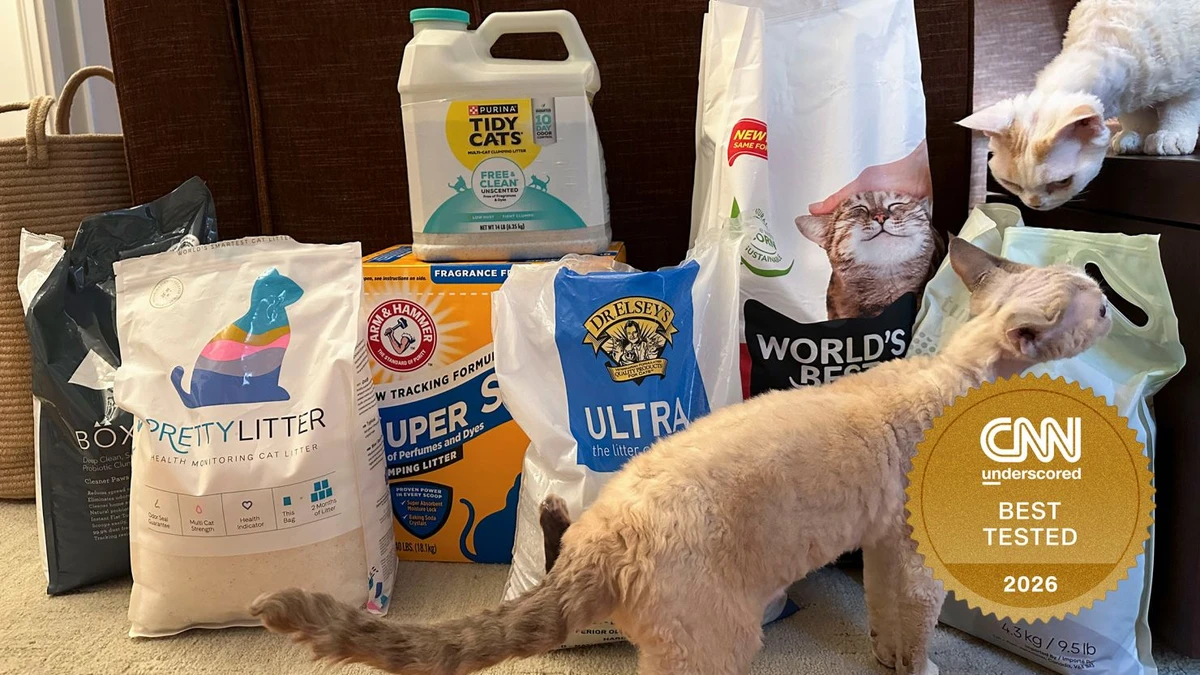
PawVerde.com – eco-friendly cat litter options in 2026 present a significant shift in managing pet waste, addressing growing environmental concerns tied to traditional clay litters. The UK alone produces an estimated 500,000 tonnes of pet litter annually, predominantly composed of sodium bentonite clay, which imposes considerable environmental costs through mining and landfill accumulation, according to recent DEFRA assessments. As awareness of sustainability rises, pet owners and local councils increasingly explore biodegradable and plant-based litter alternatives that promise substantial reductions in landfill waste and carbon footprints. Alongside litter material innovations, litter box designs—ranging from disposable to reusable models—also factor into the overall environmental and practical impacts of pet waste management.
Traditional clay litter remains widely used due to its clumping efficiency and odor control, yet its environmental footprint is under scrutiny. Sodium bentonite mining disrupts ecosystems and consumes considerable water and energy resources. Once used, clay litter’s non-biodegradable nature means it typically ends up in landfills, where it contributes to long-term waste accumulation without decomposition. DEFRA’s recent environmental analysis reveals that clay litter contributes disproportionately to pet waste’s carbon footprint, exacerbated by transportation and disposal logistics.
In contrast, eco-friendly litters such as tofu, wood pellet, and other plant-based varieties offer renewable, biodegradable alternatives. Tofu litter, derived from soybean byproducts, is water-soluble and compostable under appropriate conditions, reducing landfill waste by up to 70% compared to clay. Wood pellet litter, produced from reclaimed wood, provides a dust-free, odor-absorbing substrate with rapid biodegradability, suitable for community composting schemes where permitted. Other plant-based litters, including corn, wheat, and grass seed derivatives, offer natural odor control and clumping properties but require careful management to mitigate mold growth under humid conditions. Veterinary experts caution that while plant-based litters are generally safe, owners should observe cats for any allergic reactions or respiratory sensitivities, especially with dusty or fragranced options.
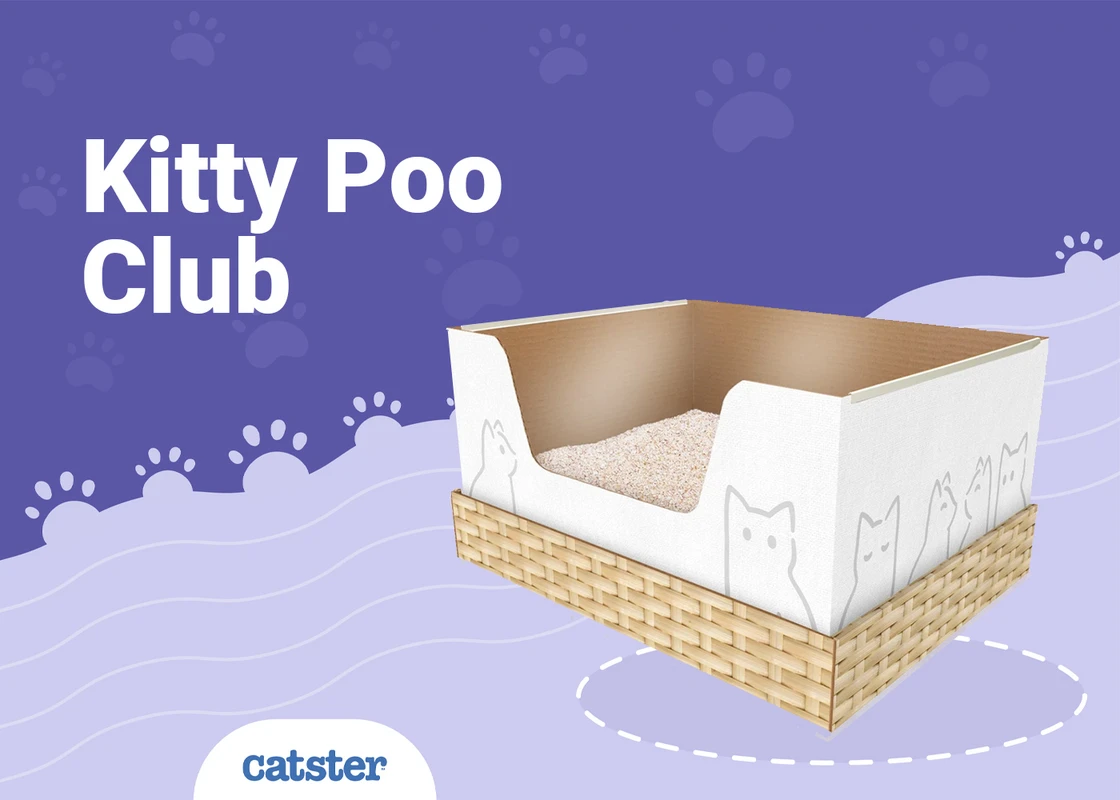
The choice between disposable and reusable litter boxes further influences sustainability and pet hygiene. Disposable litter boxes offer convenience and improved sanitation but generate increased plastic and material waste that challenges waste management systems. Reusable boxes, typically composed of durable plastics or biodegradable composites, reduce waste volume over time but demand consistent, thorough cleaning to prevent odor buildup and bacterial growth. Multi-cat households and traveling pet owners must weigh these factors alongside cat behavior preferences, as some cats show resistance to frequent litter changes or new litter types, impacting acceptance and health.
Local composting regulations and green waste management policies shape practical disposal options for biodegradable litters. While many councils encourage composting of plant-based pet waste, restrictions often apply due to pathogen concerns and contamination risks. Pet owners must verify compliance with municipal guidelines and consider specialized pet waste composters or community programs designed for safe organic waste processing. Odor control remains a critical concern across all litter types; innovations in self-cleaning litter boxes, incorporating antimicrobial surfaces and automated scooping mechanisms, aim to alleviate maintenance burdens while minimizing environmental impact.
Looking ahead, the pet care industry is investing in zero-waste strategies and circular economy models, including biodegradable litter packaging, litter box recycling initiatives, and advanced formulations that enhance biodegradability without sacrificing performance. Manufacturers like PetSafe and BoxieCat lead efforts to balance pet health, convenience, and sustainability, integrating expert insights from animal behaviorists and environmental scientists. As consumer demand for eco-friendly pet products grows, collaboration between regulators, manufacturers, and pet owners will be pivotal in advancing sustainable pet litter disposal practices.
Environmental Impact of Traditional vs Eco-Friendly Cat Litters
Traditional clay cat litter, primarily composed of sodium bentonite, constitutes the majority of pet litter used worldwide due to its excellent clumping and odor control properties. However, the environmental footprint of clay litter is considerable. Mining sodium bentonite involves open-pit extraction methods that degrade landscapes and contribute to soil erosion. This process consumes significant water and energy resources, intensifying the carbon footprint associated with litter production. DEFRA’s data from 2025 highlights that disposed clay litter comprises a substantial portion of landfill mass in the UK, with slow degradation rates leading to persistent environmental burdens.
In contrast, eco-friendly litters utilize renewable plant-based materials that biodegrade more efficiently. Tofu litter, made from compressed soybean residue, dissolves in water, enabling flushing in small quantities where local wastewater systems allow. Wood pellet litter, sourced from reclaimed forestry byproducts, offers a renewable, dust-free alternative that composts readily under aerobic conditions. Other plant-based litters, including corn, wheat, and paper-based products, leverage natural absorbent properties to control moisture and odors, although their compostability depends on local regulations.
A comparative analysis of litter waste reveals that switching to plant-based litters can reduce landfill contributions by up to 70%. Furthermore, life cycle assessments indicate that plant-based litters produce 40-60% lower carbon emissions across production, transportation, and disposal stages compared to clay litters. These environmental benefits, however, are moderated by factors such as transportation distances and the energy inputs for processing plant materials into litter granules.
Types of Eco-Friendly Cat Litters and Their Disposal Characteristics
Tofu and soybean-based litters have gained traction for their biodegradability and low dust production. Their water solubility allows for flushing small amounts, though experts advise caution to prevent plumbing blockages and recommend local council approval. These litters compost effectively in controlled environments, breaking down into nutrient-rich material usable in non-edible gardening applications.
Wood pellet litters are favored for their renewable sourcing and excellent odor control through natural lignin content. They absorb moisture by swelling and disintegrate into compostable material. PetSafe’s latest wood pellet litter offers a balance of affordability and sustainability, outperforming clay in dust emission tests and reducing respiratory risks for sensitive cats.
Plant-based litters derived from corn, wheat, and grass seed incorporate natural enzymes that inhibit bacterial growth and odor formation. However, these litters are susceptible to mold development if stored improperly or exposed to excessive humidity. Veterinary advisories note that some cats may experience allergic reactions to certain plant proteins or additives, necessitating gradual introduction and observation.
Biodegradable litters must comply with local composting regulations, which vary widely. DEFRA emphasizes the importance of separating pet waste from food compost streams to mitigate zoonotic disease risks. Community composting programs increasingly accept biodegradable litter under strict guidelines, incentivizing pet owners to adopt sustainable disposal methods.
Reusable vs Disposable Litter Boxes: Pros and Cons
Disposable litter boxes appeal to pet owners prioritizing convenience and hygiene. Pre-filled with litter and designed for single or limited use, they minimize cleaning efforts and odor retention. However, their single-use nature generates substantial plastic and material waste, challenging waste reduction goals. Most disposable boxes are non-biodegradable, exacerbating landfill pressures.
Reusable litter boxes, constructed from durable plastic or biodegradable composites, represent a sustainable alternative by reducing waste generation. Frequent cleaning is essential to maintain hygiene, with recommended use of enzyme-based cleaners to prevent odor and bacterial accumulation. Reusable boxes offer cost savings over time and adaptability for multi-cat households, where larger capacity and customizable litter depth enhance user experience.
For travel and temporary accommodation, disposable boxes provide portability and ease of disposal, but reusable boxes with secure lids and lightweight designs increasingly meet traveler needs without compromising sustainability.
Practical Considerations for Pet Owners
Pet owners must navigate local composting regulations, which influence viable disposal options for biodegradable litters. Many UK councils provide green waste bins but exclude pet waste due to contamination concerns. Specialized pet waste composting facilities or home composters with pathogen-mitigating processes can accommodate biodegradable litter, though accessibility varies regionally.
Odor control remains a primary concern influencing litter and box choices. Eco-friendly litters often incorporate natural odor neutralizers but may require more frequent changing than clay litters. Dust reduction is critical for cat respiratory health; plant-based litters generally emit less dust, benefiting cats with asthma or allergies.
Cat acceptance of new litter types varies, influenced by factors including texture, scent, and litter box cleanliness. Expert advice recommends gradual litter transitions to minimize stress and behavioral issues such as inappropriate elimination.
Cost implications balance upfront litter prices against long-term waste disposal savings. While eco-friendly litters may carry higher per-unit costs, reduced landfill fees and environmental benefits contribute to overall value. Reusable litter boxes demand labor for cleaning but reduce recurring purchases and waste.
Future Trends and Innovations in Pet Litter Disposal
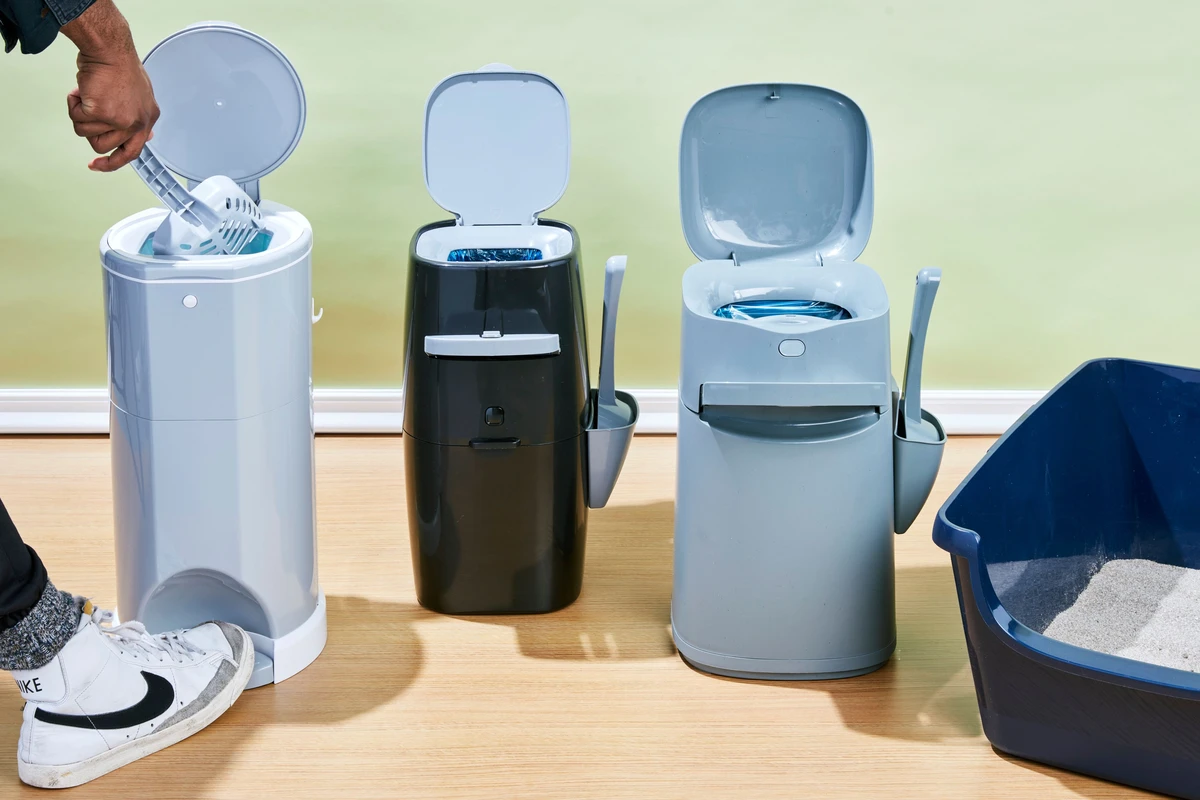
Technological advancements are reshaping pet litter management. Self-cleaning litter boxes integrated with sensors and automated scooping mechanisms reduce maintenance time and improve hygiene, potentially extending litter lifespan and minimizing waste. Emerging products emphasize zero-waste designs, using fully biodegradable components and refillable litter cartridges aligned with circular economy principles.
Industry leaders commit to sustainable pet care by incorporating recycled materials in packaging and collaborating with environmental organizations to establish litter recycling programs. Research into novel biodegradable polymers and enzyme-enhanced litters aims to optimize odor control while accelerating decomposition.
Regulatory frameworks continue evolving, with DEFRA and local councils promoting responsible disposal methods and incentivizing composting infrastructure expansion. Pet owners and manufacturers alike face increasing pressure to align practices with global sustainability goals, balancing convenience, pet health, and ecological stewardship.
Frequently Asked Questions
What are the environmental benefits of switching from clay to plant-based cat litter?
Plant-based cat litters reduce landfill waste by up to 70% and lower carbon emissions by 40-60%, as they are biodegradable and sourced from renewable materials. They support composting and reduce dependence on environmentally damaging sodium bentonite mining associated with clay litters.
Can biodegradable cat litter be composted at home?
Home composting of biodegradable cat litter is possible but depends on local regulations and the composting system’s ability to reach temperatures that neutralize pathogens. Many municipalities restrict pet waste in residential composts, recommending specialized composters or municipal schemes instead.
Are reusable litter boxes more sustainable than disposable ones?
Yes, reusable litter boxes reduce waste volume significantly by eliminating single-use plastics and materials. While they require regular cleaning, they offer long-term environmental and economic benefits compared to disposable options.
How do eco-friendly litters affect cat health and behavior?
Eco-friendly litters tend to produce less dust and fewer chemical irritants, potentially benefiting cats with allergies or respiratory issues. However, some cats may be hesitant to accept new litter textures or scents, so gradual introduction and monitoring for adverse reactions are advisable.
What innovations are expected in pet litter disposal by 2026?
Innovations include self-cleaning litter boxes with automated waste removal, zero-waste biodegradable litter formulations, and expanded circular economy initiatives such as litter recycling and composting infrastructure integration. Manufacturers also focus on sustainable packaging and enhanced odor control technologies.
—
The evolving landscape of pet litter disposal in 2026 highlights a clear trajectory toward sustainability, balancing environmental imperatives with practical pet care needs. Pet owners informed by regulatory guidance, expert recommendations, and emerging product innovations can make choices that reduce ecological impacts while ensuring feline health and household convenience. Continued collaboration among stakeholders and advances in composting infrastructure are essential to mainstreaming eco-friendly pet litter solutions.