

Eco-Friendly Pet Toys: How to Spot Real Sustainable Options
PawVerde.com – Eco-friendly pet toys are products made from renewable, biodegradable, or recycled materials like natural rubber, hemp, and organic cotton. By choosing these over conventional plastics, you reduce your pet’s ‘carbon pawprint’ and minimize landfill waste, as sustainable materials are designed to decompose more efficiently than traditional synthetics. Petopia’s recycled rubber toys boast a bite resistance of 70-75 N/MM, significantly outperforming the market average of 40-50 N/MM.
The Greenwashing Red Flag Guide: How to Spot Fake Eco-Claims
Greenwashing occurs when products labeled “eco-friendly” are actually mixed with plastics or toxic dyes, deceiving consumers into believing they are making a sustainable choice. This failure mode often results in pets interacting with hidden synthetics that do not meet true environmental standards. Identifying these claims requires looking past marketing jargon to find verifiable material compositions.
Vague Terminology vs. Certifications
Avoid products that rely on unverified descriptors. Instead, look for specific material disclosures. For example, a toy claiming to be “natural-ish” or “earth-friendly” without a specific breakdown of its organic or recycled content is a significant red flag. Industry analysts suggest that true sustainability is found in the technical specifications, not the adjectives.
The “Mixed Material” Trap
A common deception involves the use of mixed materials where a small percentage of organic fiber is combined with a high percentage of non-recyclable plastic. This creates a product that is technically impossible to compost or recycle efficiently. When reviewing a product, check for these specific indicators of low-quality “eco” goods:
- Claims of “biodegradability” without specifying the timeframe or required conditions (e.g., industrial vs. home composting).
- The presence of “recycled” labels on items that still contain high levels of non-recyclable chemical binders.
- Products that combine natural rubber with synthetic fillers that cannot be separated during the recycling process.
Durability vs. Sustainability: A Material Performance Matrix
When choosing eco-toys, match the material to your pet’s chewing style: Natural rubber (like KONG or Petopia) is best for aggressive chewers due to high bite resistance; Hemp and organic cotton are ideal for gentle tuggers; and Bamboo provides a natural, tooth-cleaning experience for moderate chewers.
Selecting the wrong material leads to rapid degradation, which increases both cost and waste. For example, thin compostable items may not last as long during heavy use compared to high-performance alternatives. This mismatch causes frequent replacements and defeats the purpose of a sustainable purchase.
| Material | Best For | Eco-Benefit | Durability Rating |
|---|---|---|---|
| Natural Rubber | Aggressive Chewers | Biodegradable | High |
| Hemp / Cotton | Gentle Tuggers | Renewable/Organic | Moderate |
| Bamboo | Moderate Chewers | Rapidly Renewable | Moderate |
| Zogoflex | Various Styles | Infinitely Recyclable | High |
Material choice must be dictated by the pet’s specific oral habits to ensure longevity. Using the wrong material often leads to the “brittle plastic cracking” failure mode, where repeated chewing causes the toy to splinter into small, potentially dangerous particles.
The Gnasher: High-Resistance Rubber
For dogs with high bite force, natural rubber remains the gold standard. Petopia produces recycled rubber toys with a bite resistance of 70-75 N/MM, which provides a significant advantage over the 40-50 N/MM average found in standard market toys. This high resistance ensures the toy does not disintegrate during intense play sessions. KONG is also recognized as an industry leader in natural rubber treat stuffer toys, offering a balance of durability and engagement.
The Tugger: Natural Fibers and Hemp
Hemp and organic cotton are excellent for interactive play like tug-of-war. Hemp is a particularly smart choice because it grows without pesticides and naturally repels insects. Organic cotton rope toys offer an additional benefit: the natural fibers can help floss a dog’s teeth and stimulate the gums while they chew. However, these materials are less suited for solitary chewers who may attempt to ingest the fibers.
The Squeaker: Soft Organic Plush
For pets that prefer soft textures, P.L.A.Y. Pet Lifestyle and You offers plush collections that utilize eco-friendly materials. These are ideal for gentle play, but owners should monitor for fraying. While organic cotton is great for pets with sensitive skin, these toys lack the structural integrity required for aggressive “shredders.”
Safety and Failure Modes: When Eco-Friendly Becomes a Hazard
Biological safety is critical when selecting natural products. Even sustainable materials can present risks if they fail structurally or are processed with unsafe chemicals. Owners must monitor how materials behave under the stress of repeated biting and pulling.
Specific failure modes can turn a sustainable toy into a health risk:
- Failure Modes: If organic cotton or hemp ropes fray excessively, pets may swallow the fibers, leading to digestive issues.
- Failure Modes: Some eco-materials can become brittle over time, leading to the shedding of small, sharp particles during chewing.
- Failure Modes: While stainless steel bowls avoid leaching chemicals, some “natural” toys may still contain trace amounts of unlisted additives used during the manufacturing of rubber or dyes.
Warning: Inspect toys for signs of wear, such as deep cracks in rubber or loose threads in fabric. Discard any toy showing signs of structural compromise to prevent choking or ingestion hazards.
The Disposal Roadmap: Composting vs. Recycling
Proper disposal depends on the material: Organic cotton and bamboo can often be home-composted; Zogoflex and Seaflex toys should be returned via manufacturer programs like West Paw‘s ‘Join the Loop’; and natural rubber is biodegradable but should not be tossed in standard plastic recycling bins.
Completing the sustainability loop requires following specific end-of-life protocols. For instance, West Paw’s “Join the Loop” program allows pet parents to mail back used Zogoflex or Seaflex toys to be recycled into brand-new products. Avoid throwing organic items into plastic recycling streams to prevent contamination.
- Disposal: Use this for 100% organic items like bamboo or untreated cotton, provided they are free of synthetic dyes.
- Disposal: West Paw offers the “Join the Loop” program, where pet parents can mail back used Zogoflex or Seaflex toys to be recycled into brand-new products.
- Disposal: Natural rubber is biodegradable, but it requires specific environmental conditions to break down. It should be disposed of in organic waste streams rather than standard plastic bins.
Total Cost of Ownership: Why Sustainable Toys Save Money
The initial purchase price of high-quality sustainable toys may be higher, but longevity often reduces the total cost of ownership. A single high-performance toy is more economical than a constant cycle of replacing cheap, disposable alternatives that fail within weeks.
Compare specific market options to see the value. A KONG Classic Natural Rubber Treat Stuffer is priced around $7.64, while a From the Field Tug-A-Hemp toy is approximately $5.84. While these may seem comparable to budget options, the durability of natural rubber or hemp often prevents the need for the frequent, repetitive purchases required by low-quality plastic toys. Investing in durability reduces the long-term financial burden on pet owners and prevents the accumulation of waste.
DIY Upcycling: Creating Sustainable Toys at Home
You can create functional, safe toys using items already present in your household. This practice prevents household items from entering the waste stream prematurely.
Try these DIY upcycling techniques:
- DIY: Take old, clean cotton t-shirts and braid them tightly to create a durable rope toy for tugging.
- DIY: Place a treat inside an old, clean sock and tie the end to create a simple scent-work toy.
- DIY: Use empty, non-toxic cardboard boxes to create treat-hiding puzzles for mental stimulation.
- DIY: Use fabric scraps to stuff a larger piece of cloth, creating a soft plush toy for gentle chewers.
FAQ
What is the difference between natural rubber and TPR?
Natural rubber is more eco-friendly and biodegradable, whereas Thermoplastic Rubber (TPR) is synthetic but offers a similar feel for moderate chewers. While TPR is easier to mass-produce, natural rubber provides superior environmental benefits and higher bite resistance for many pets.
Are eco-friendly toys actually more durable?
Not always; while some like Petopia’s recycled rubber have higher bite resistance (70-75 N/MM), thin compostable items may not last as long as heavy-duty synthetics. Durability depends entirely on whether the specific material is matched to the pet’s chewing strength.
How can I recycle my West Paw toys?
Use the ‘Join the Loop’ program by mailing back used Zogoflex or Seaflex toys to West Paw to be recycled into brand new ones. This closed-loop system ensures that the high-quality materials are reused rather than sent to a landfill.
How to Make DIY Eco-Friendly Cat Litter: A Simple Guide
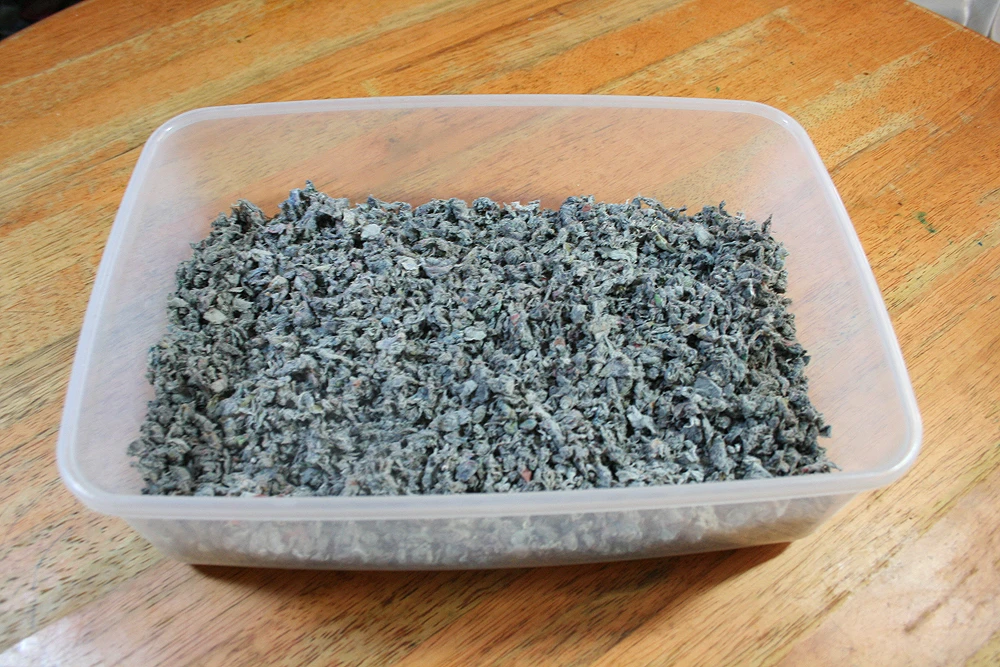
PawVerde.com – To make DIY eco-friendly cat litter, combine absorbent organic materials like kiln-dried pine pellets, shredded paper, or ground wheat with natural odor neutralizers like baking soda. For best results, use a sifting method to manage moisture and ensure a gradual transition for your cat to prevent box aversion.
Since the 1940s, clay-based litter has dominated the market, but switching to compostable or biodegradable natural litters can significantly lower your pet’s environmental footprint.
The DIY Litter Formula Matrix: Choosing Your Base
Select your DIY base based on your priority: Use kiln-dried pine pellets for the ‘Budget King’ option, ground wheat or corn for ‘Odor Destruction’ (with careful moisture monitoring), and shredded paper or soft fibers for ‘Sensitive Paws’ to minimize dust and irritation.
Choosing a base involves comparing absorption to maintenance. While many commercial litters are almost entirely sodium bentonite clay, DIY options use different materials to manage waste.
Corn-based litter clumps well, making it a strong contender for those used to traditional clumping varieties. However, grain-based mixes require environmental monitoring because wheat products can mold in humid conditions.
| Base Material | Primary Benefit | Clumping Ability | Risk Factor |
|---|---|---|---|
| Pine Pellets | High affordability | Low (Non-clumping) | Requires sifting |
| Wheat/Corn | Strong clumping | High | Mold/Pests |
| Shredded Paper | Low dust/Gentle | Very Low | Poor odor control |
| Sand/Wood Shavings | Natural availability | Minimal | High mess potential |
Select a material that matches your maintenance capacity, as no single DIY option covers all needs.
Step-by-Step: Batch Production of Natural Litter
To maintain a consistent batch, follow these steps for preparing a month’s supply of litter.
- Preparing your raw materials: Gather your chosen base, such as 40lbs of pine pellets or finely ground wheat. If using wood, ensure it is kiln-dried to avoid releasing harmful oils.
- Mixing in natural odor neutralizers: Once your base is measured, add a natural neutralizing agent. A highly effective method involves sprinkling baking soda into the litter box after scooping to neutralize any odor. You may also incorporate natural additives like diatomaceous earth or dried herbs such as lemongrass, lavender, or mint to enhance the scent profile.
- Storage for freshness and pest prevention: Store your bulk DIY mixture in an airtight container. This is critical for grain-based litters to prevent moisture absorption from the air and to keep pests away.
To avoid uneven treatment, sprinkle baking soda into the box after scooping, a method that works great for natural odor neutralization.
Engineering the Clump: Why DIY Often Fails
One of the most significant hurdles in DIY litter production is the lack of engineered clumping. Commercial clumping litters are designed to swell up to 12 times their original size when exposed to water, creating a solid mass that is easy to remove. DIY litters made from shredded newspaper, wood shavings, or sand rarely match commercial eco-litters for odor control because they lack this rapid-expansion mechanism.
Without rapid encapsulation, moisture can seep through the bottom of the litter layer. This can lead to hygiene issues as the liquid sits in the box.
Safety Audit: Materials to Avoid
Prioritize kiln-dried products to ensure safety. Raw softwoods can release natural oils that are harmful to cats if inhaled or ingested.
Grain-based litters introduce specific biological risks. Wheat products can mold in humid conditions, and corn litter can attract pests if not stored in airtight environments.
To prevent box aversion, experts recommend a gradual transition that can take up to 12 weeks.
Shortcut: To manage pine pellets effectively, use a sifting litter box so damp shavings fall into a bottom tray, leaving fresh pellets on top.
If you introduce a completely new texture or scent overnight, your cat may reject the box entirely. Start by mixing 25% of the new DIY litter with 75% of the old litter, gradually increasing the ratio over several weeks. Additionally, avoid using an excessive amount of litter; doing so often results in cats scratching and kicking litter outside the box, creating a mess that is difficult to contain.
While DIY approaches aim to save money, costs vary based on maintenance needs and equipment.
| Metric | DIY Pine Pellets | Commercial Eco-Brand |
|---|---|---|
| Upfront Cost (approx.) | $8 per 40lbs | Variable (Higher) |
| Duration (2 cats) | 5-8 weeks | Varies by brand |
| Maintenance Effort | High (Sifting required) | Low (Standard scoop) |
The $8 price point for 40lbs of pine pellets makes it a highly competitive option for budget-conscious households, provided you have the tools to manage the non-clumping nature of the material.
Use a gradual transition over 12 weeks, slowly mixing the new DIY material with their old, familiar litter to prevent box aversion. This allows the cat to adjust to the new scent and texture without feeling the need to seek alternative bathroom locations.
Tags: biodegradable pet supplies, composting cat litter, DIY cat litter, eco-friendly pet care, natural odor neutralizers, pet waste management, pine pellet litter, sustainable cat litter recipes
Eco-Friendly Dog Grooming: How to Avoid Greenwashing
PawVerde.com – Eco-friendly dog grooming focuses on using biodegradable, non-toxic products and sustainable tools to minimize environmental impact. This involves swapping plastic-heavy liquid shampoos for concentrated bars, choosing bamboo or stainless steel tools over synthetic ones, and selecting ingredients free from sulfates and parabens to protect both your pet’s skin and local waterways.
The pet industry often uses “natural” and “eco-friendly” as marketing terms that lack legal definitions, a practice known as greenwashing, according to houndtherapy.com.
How to Spot Greenwashing: A Pet Owner’s Detection Checklist
To detect greenwashing, ignore vague labels like “pure” or “green” and instead scrutinize the ingredient list for specific red flags. Look for the absence of sulfates, parabens, and methylisothiazolinone, and verify if the brand provides third-party certifications or specific details about their biodegradable surfactants and sourcing practices.
Red Flag Ingredients to Avoid
Many commercial shampoos and conditioners contain sulfates, parabens, and synthetic fragrances. These chemicals do more than just irritate sensitive skin; they wash down the drain and pollute local waterways. One specific chemical to watch for is methylisothiazolinone, which research shows can cause skin irritation in pets even when appearing in products marketed as “gentle” formulas.
To avoid being misled by packaging, check the fine print for these specific irritants:
- Sulfates (often used as harsh foaming agents)
- Parabens (synthetic preservatives)
- Methylisothiazolinone (a known skin irritant)
- Synthetic fragrances (often masking undisclosed chemicals)
Verifying Brand Claims
According to houndtherapy.com, the pet industry loves slapping “natural” and “eco-friendly” on products, but these terms don’t actually mean anything legally. Instead of trusting a marketing claim, verify if a brand provides specific details about their biodegradable surfactants. For example, professional resources like Waggz suggest that looking for highly concentrated formulas can be a better indicator of quality and sustainability than vague adjectives.
The Grooming Lifecycle: Shampoo Bars vs. Liquid Formulas
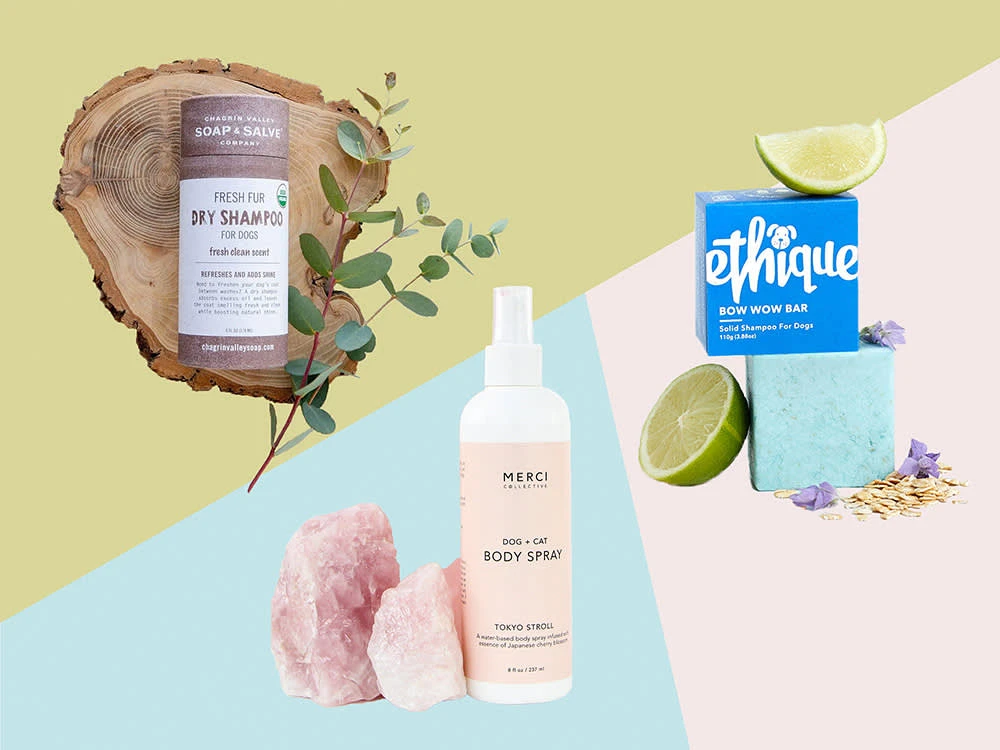
Shampoo bars reduce environmental impact by eliminating plastic bottle waste. Concentrated options, such as Ethique’s Bow Wow Bar ($13), provide a zero-waste alternative compared to standard liquid shampoos.
Plastic Waste Reduction
Liquid shampoos are largely composed of water, which necessitates heavy plastic packaging to prevent leaks. Concentrated formulas, such as the Filthy Beast Shampoo Concentrate which features a 50:1 dilution ratio, drastically reduce the amount of plastic waste generated per wash. By using concentrates or bars, pet owners can restock less frequently and avoid the cycle of single-use plastic bottles.
Carbon Footprint and Shipping Efficiency
Shipping weight affects carbon emissions. Because shampoo bars are lightweight and compact, they require less fuel for transport than heavy liquid bottles.
| Product Type | Eco-Benefit | Example Brand | Estimated Price |
|---|---|---|---|
| Shampoo Bars | Zero plastic waste; low shipping weight | Ethique | $13 |
| Liquid Shampoo | High water content; requires plastic | Essential Dog | $20 |
| Waterless Spray | Conserves water; no rinsing needed | Attitude | $15 |
| Supplements | Supports skin health from within | Finn | $26 – $32 |
While bars like the Ethique Bow Wow Bar ($13) offer the highest waste reduction, liquid concentrates remain a viable option for those who prefer traditional application methods but want to minimize their plastic footprint.
Microplastic-Free Grooming: Selecting Sustainable Tools
Sustainable grooming involves choosing materials like bamboo, stainless steel, natural rubber, or hemp to avoid synthetic plastics that shed microplastics.
To build a microplastic-free kit, prioritize these materials:
- Bamboo: A fast-growing, sustainable, and sturdy material for brush handles.
- Stainless Steel: Preferred for clippers and nail tools due to its durability and long-term use.
- Natural Rubber: A sustainable alternative for certain grooming accessories.
- Hemp: A highly sustainable crop for accessories that requires minimal water and no pesticides.
For long-term utility, prioritize stainless steel tools. These are designed for durability rather than the frequent replacement required by low-quality synthetic brushes.
Top Eco-Friendly Product Recommendations by Category
Select products based on whether you need a full bath or a quick cleanup.
Best Zero-Waste Cleansers
For traditional baths, use biodegradable formulas from brands like Fido’s ($8) or Vermont Soap Organics ($14.98).
| Product Name | Manufacturer | Estimated Price |
|---|---|---|
| Bow Wow Bar | Ethique | $13 |
| Organics Shampoo | Vermont Soap Organics | $14.98 |
| Natural Shampoo | Essential Dog Shampoo | $20 |
| Organic Pet Products | Applehead City Pet | $24 |
| Biodegradable Products | Fido’s | $8 |
Waterless Solutions for Quick Cleanups
Waterless options are ideal for maintaining hygiene without the heavy water usage of a full bath. For dogs over the age of 6 weeks, Chagrin Valley Dry Shampoo ($19) provides an effective way to clean the coat without rinsing. Similarly, the Attitude Waterless Anti-Itching Detangling Spray ($15) is a useful tool for managing skin irritation and tangles on the go.
Holistic Skin and Coat Support
Finn offers skin and coat supplements priced between $26 and $32 to support dermatological health from the inside out.
Common Pitfalls in Sustainable Pet Care
Avoid using human shampoo on dogs. Because dog skin has a different pH level than human skin, inappropriate products can lead to dryness, itching, and irritation.
Ensure you dry your dog thoroughly after a bath. Failing to do so can create a breeding ground for fungus and bacteria within the fur.
Practical Tips for a Low-Impact Bathing Routine
Implement these routine changes to save water and reduce waste:
- Brush regularly: Consistent brushing reduces the amount of dirt trapped in the fur, which reduces the need for frequent bathing and conserves water.
- Trim nails every 2 to 4 weeks: Regular maintenance prevents broken nails and discomfort. Use high-quality stainless steel clippers to ensure longevity.
- Optimize rinsing: Use high-quality, easy-to-rinse shampoos to speed up the bathing process and minimize water waste.
- Manage homemade mixtures: If you choose to make your own natural mixtures, remember they typically only last 1-2 weeks in the refrigerator.
Focus on regular brushing and targeted cleaning to protect both your pet’s skin and the planet.
FAQ
Can I use my own shampoo on my dog?
No, dog skin has a different pH level than human skin. Using human shampoo can lead to dryness, itching, and irritation because it is not formulated for a canine’s specific skin chemistry.
How often should I trim my dog’s nails?
For optimal health and to avoid discomfort or broken nails, nails should be trimmed every 2 to 4 weeks. Untrimmed nails can lead to mobility issues and pain.
How long does it take to see results from natural shampoo?
Many owners notice improvements in skin and coat condition after just 2-3 baths when switching to high-quality natural alternatives that avoid harsh sulfates and parabens.