
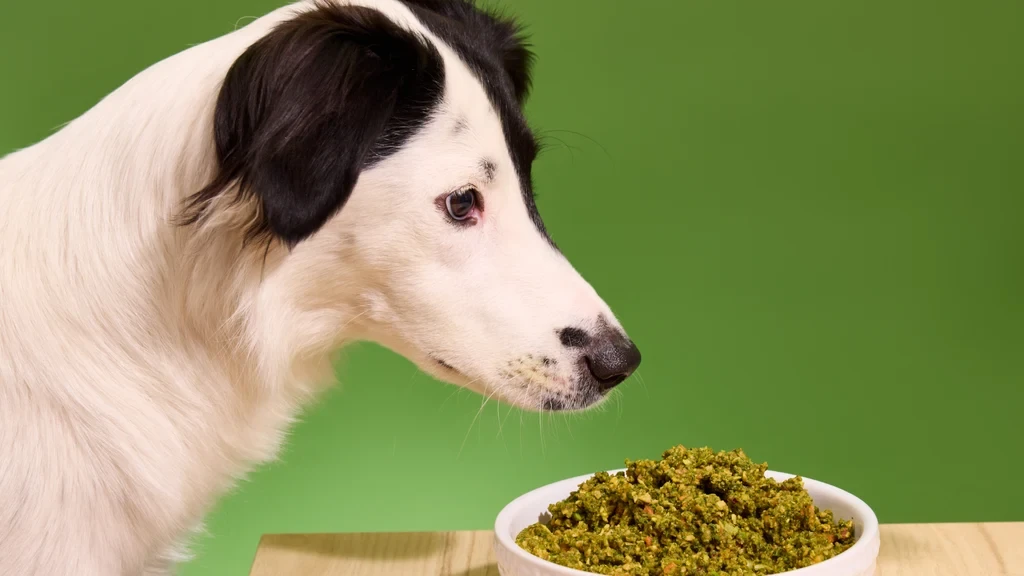
PawVerde.com – Switching to a plant-based dog diet can reduce a pet’s environmental impact by over 90% compared to red meat-based diets. By significantly lowering greenhouse gas emissions, land requirements, and freshwater usage, plant-based proteins offer a scientifically backed pathway to reducing the massive carbon pawprint of global pet food production.
The environmental impact variation between different dog foods can be as high as 65 times, far exceeding the 2.5-fold difference seen in human diets.
The Bioavailability Math: Why Protein Absorption Matters for the Planet
The environmental footprint of dog food is determined by the ‘absorbed protein’ rather than just the ingredients used. If a plant-based diet has lower digestibility, the environmental cost per gram of usable protein effectively doubles, potentially offsetting the carbon benefits of avoiding meat.
The hidden cost of unabsorbed nutrients
Sustainability in canine nutrition depends on more than raw ingredient mass. A critical failure mode occurs when protein density is high but biological availability is low. If a dog cannot process proteins effectively, the resources used to produce those ingredients are wasted. Research indicates that if a plant-based diet has lower digestibility, the environmental cost per gram of usable protein effectively doubles, making the efficiency of the protein source more vital than the source itself.
Optimizing digestibility through strategic ingredient selection
To prevent this inefficiency, manufacturers focus on highly digestible protein sources that exceed a 90% absorption threshold. According to Petaluma, plant protein digestibility can be as high as animal protein when formulated correctly. Selecting high-quality ingredients ensures that the “environmental profit” of a plant-based diet is actually realized by the animal. Effective ingredient lists often include:
- Peas
- Lentils
- Soy
- Quinoa
Beyond the Bowl: The Packaging vs. Protein Dilemma
While the protein source is the primary driver of a diet’s footprint, the format of the food introduces another layer of complexity. According to research from the University of Edinburgh, the environmental advantage of switching to plant-based proteins is small compared to the difference between wet/raw and dry foods. Practitioners report that wet foods and raw foods have a more negative environmental effect than dry kibble. This is largely due to the higher moisture content and the specific processing requirements of these formats.
Quantifying the Carbon Pawprint: Emissions and Land Use
Plant-based dog diets drastically outperform meat-based options, requiring only 2.73 m2 of land per 1,000 kcal compared to 102.15 m2 for beef. Furthermore, plant-based emissions stand at 2.82 kg CO2eq per 1,000 kcal, while beef-based diets emit 31.47 kg CO2eq. This massive disparity explains why Loyal Saints notes that switching to plant-based proteins can reduce environmental strain by more than 90%.
| Diet Type | Land Use (m2/1k kcal) | CO2eq (kg/1k kcal) | Water Use (L/1k kcal) |
|---|---|---|---|
| Beef-based | 102.15 | 31.47 | 574.79 |
| Lamb-based | Not specified | Not specified | 683.84 |
| Plant-based | 2.73 | 2.82 | 249 |
The data from Frontiers in Nutrition highlights a stark reality: meat-based diets require significantly more land and produce higher greenhouse gas emissions per calorie consumed. This comparison demonstrates the efficiency of plant-based caloric delivery for canine nutrition.
Water Scarcity and Chemical Runoff: The Invisible Impact
Beyond carbon, the impact on local ecosystems through water usage and nutrient runoff is a major factor in pet food sustainability. Plant-based diets yield 7–16 times lower phosphate and sulphur-based emissions than beef or lamb diets. These specific emissions are critical because they contribute directly to acid rain and aquatic eutrophication, which can destroy local water quality.
Freshwater withdrawal rates also show a significant advantage for plant-based feeding. According to Vettimes, the average freshwater withdrawal per 1,000 kcal for plant-based foods is 249 L. In contrast, beef requires 574.79 L, and lamb requires 683.84 L.
- Plant-based: 249 L per 1,000 kcal
- Beef: 574.79 L per 1,000 kcal
- Lamb: 683.84 L per 1,000 kcal
Reducing eutrophication and acid rain
A study in Frontiers in Sustainable Food Systems confirms that plant-based diets yield 7–16 times lower phosphate and sulphur-based emissions than beef or lamb. Reducing these specific outputs helps mitigate the risk of large-scale environmental degradation in waterways. This reduction is vital for preventing the massive algae blooms associated with agricultural runoff.
Freshwater withdrawal comparisons
Resource management shifts significantly when comparing diet types. For a 20kg dog, the difference in land requirements is stark; a beef-based diet requires land equivalent to 57 football fields over nine years, while a plant-based diet requires only 1.4 fields. This efficiency provides a more resilient nutrition model in regions facing increasing water scarcity.
The Sourcing Integrity Checklist: Avoiding the Monoculture Trap
Not all plant-based foods are created equal. While Frontiers in Nutrition notes that soy emissions remain lower per unit of protein despite land use criticisms, the method of production matters. Consumers should look for diverse ingredient profiles to avoid the ecological pitfalls of industrial monocultures.
Shortcut: To verify quality, check the ingredient label for a mix of legumes and grains rather than a single dominant crop. High-quality plant proteins include peas, lentils, soy, and quinoa.
To maintain ecological stability, select ingredients that avoid intensive, single-crop farming. Utilizing a variety of high-quality plant proteins helps prevent the soil depletion often associated with industrial monocultures.
Nutritional Safety: Navigating the Risks of Plant-Based Feeding
While the environmental benefits are clear, the biological requirements of dogs must remain the priority. Small Door Veterinary notes:
“While humans can get all of the nutrients required to live healthily from plant-based sources, our pets cannot.”
This distinction is vital for preventing long-term health issues in companion animals.
Critical micronutrients: Taurine and Vitamin D
Plant-based canine nutrition requires careful management to avoid specific deficiencies.
- taurine deficiency: Can lead to dilated cardiomyopathy (DCM), a serious heart condition.
- Vitamin D deficiency: Essential for bone health and calcium absorption.
- Inadequate protein/amino acid intake: Improperly balanced amino acid profiles can lead to muscle wasting.
The importance of AAFCO compliance
To mitigate these risks, owners should only use diets that are formulated to meet the standards set by the Association of American Feed Control Officials (AAFCO). AAFCO compliance ensures that the diet provides the necessary levels of taurine, L-carnitine, and vitamins to prevent the failure modes mentioned above. A carefully formulated, AAFCO-compliant plant-based diet can provide similar health outcomes to meat-containing diets without the heavy environmental cost.
FAQ
Can a plant-based diet actually meet my dog’s nutritional needs?
Yes, provided the diet is carefully formulated and meets AAFCO standards. Research shows that supplemented plant-based diets can provide similar health outcomes to meat-containing diets, but DIY diets are risky due to potential taurine and Vitamin D deficiencies.
Is insect protein better for the environment than plant protein?
While insect protein is a sustainable alternative, plant proteins currently offer some of the lowest carbon-to-protein ratios available for canine nutrition.
Why is dry kibble better for the planet than wet food?
Studies from the University of Edinburgh indicate that wet and raw foods generally have a higher negative environmental effect than dry kibble, likely due to higher moisture content and different processing/packaging requirements.