

Plant-Based Dog Diets: Reducing Pet Carbon Pawprints
PawVerde.com – Switching to a plant-based dog diet can reduce a pet’s environmental impact by over 90% compared to red meat-based diets. By significantly lowering greenhouse gas emissions, land requirements, and freshwater usage, plant-based proteins offer a scientifically backed pathway to reducing the massive carbon pawprint of global pet food production.
The environmental impact variation between different dog foods can be as high as 65 times, far exceeding the 2.5-fold difference seen in human diets.
The Bioavailability Math: Why Protein Absorption Matters for the Planet
The environmental footprint of dog food is determined by the ‘absorbed protein’ rather than just the ingredients used. If a plant-based diet has lower digestibility, the environmental cost per gram of usable protein effectively doubles, potentially offsetting the carbon benefits of avoiding meat.
The hidden cost of unabsorbed nutrients
Sustainability in canine nutrition depends on more than raw ingredient mass. A critical failure mode occurs when protein density is high but biological availability is low. If a dog cannot process proteins effectively, the resources used to produce those ingredients are wasted. Research indicates that if a plant-based diet has lower digestibility, the environmental cost per gram of usable protein effectively doubles, making the efficiency of the protein source more vital than the source itself.
Optimizing digestibility through strategic ingredient selection
To prevent this inefficiency, manufacturers focus on highly digestible protein sources that exceed a 90% absorption threshold. According to Petaluma, plant protein digestibility can be as high as animal protein when formulated correctly. Selecting high-quality ingredients ensures that the “environmental profit” of a plant-based diet is actually realized by the animal. Effective ingredient lists often include:
- Peas
- Lentils
- Soy
- Quinoa
Beyond the Bowl: The Packaging vs. Protein Dilemma
While the protein source is the primary driver of a diet’s footprint, the format of the food introduces another layer of complexity. According to research from the University of Edinburgh, the environmental advantage of switching to plant-based proteins is small compared to the difference between wet/raw and dry foods. Practitioners report that wet foods and raw foods have a more negative environmental effect than dry kibble. This is largely due to the higher moisture content and the specific processing requirements of these formats.
Quantifying the Carbon Pawprint: Emissions and Land Use
Plant-based dog diets drastically outperform meat-based options, requiring only 2.73 m2 of land per 1,000 kcal compared to 102.15 m2 for beef. Furthermore, plant-based emissions stand at 2.82 kg CO2eq per 1,000 kcal, while beef-based diets emit 31.47 kg CO2eq. This massive disparity explains why Loyal Saints notes that switching to plant-based proteins can reduce environmental strain by more than 90%.
| Diet Type | Land Use (m2/1k kcal) | CO2eq (kg/1k kcal) | Water Use (L/1k kcal) |
|---|---|---|---|
| Beef-based | 102.15 | 31.47 | 574.79 |
| Lamb-based | Not specified | Not specified | 683.84 |
| Plant-based | 2.73 | 2.82 | 249 |
The data from Frontiers in Nutrition highlights a stark reality: meat-based diets require significantly more land and produce higher greenhouse gas emissions per calorie consumed. This comparison demonstrates the efficiency of plant-based caloric delivery for canine nutrition.
Water Scarcity and Chemical Runoff: The Invisible Impact
Beyond carbon, the impact on local ecosystems through water usage and nutrient runoff is a major factor in pet food sustainability. Plant-based diets yield 7–16 times lower phosphate and sulphur-based emissions than beef or lamb diets. These specific emissions are critical because they contribute directly to acid rain and aquatic eutrophication, which can destroy local water quality.
Freshwater withdrawal rates also show a significant advantage for plant-based feeding. According to Vettimes, the average freshwater withdrawal per 1,000 kcal for plant-based foods is 249 L. In contrast, beef requires 574.79 L, and lamb requires 683.84 L.
- Plant-based: 249 L per 1,000 kcal
- Beef: 574.79 L per 1,000 kcal
- Lamb: 683.84 L per 1,000 kcal
Reducing eutrophication and acid rain
A study in Frontiers in Sustainable Food Systems confirms that plant-based diets yield 7–16 times lower phosphate and sulphur-based emissions than beef or lamb. Reducing these specific outputs helps mitigate the risk of large-scale environmental degradation in waterways. This reduction is vital for preventing the massive algae blooms associated with agricultural runoff.
Freshwater withdrawal comparisons
Resource management shifts significantly when comparing diet types. For a 20kg dog, the difference in land requirements is stark; a beef-based diet requires land equivalent to 57 football fields over nine years, while a plant-based diet requires only 1.4 fields. This efficiency provides a more resilient nutrition model in regions facing increasing water scarcity.
The Sourcing Integrity Checklist: Avoiding the Monoculture Trap
Not all plant-based foods are created equal. While Frontiers in Nutrition notes that soy emissions remain lower per unit of protein despite land use criticisms, the method of production matters. Consumers should look for diverse ingredient profiles to avoid the ecological pitfalls of industrial monocultures.
Shortcut: To verify quality, check the ingredient label for a mix of legumes and grains rather than a single dominant crop. High-quality plant proteins include peas, lentils, soy, and quinoa.
To maintain ecological stability, select ingredients that avoid intensive, single-crop farming. Utilizing a variety of high-quality plant proteins helps prevent the soil depletion often associated with industrial monocultures.
Nutritional Safety: Navigating the Risks of Plant-Based Feeding
While the environmental benefits are clear, the biological requirements of dogs must remain the priority. Small Door Veterinary notes:
“While humans can get all of the nutrients required to live healthily from plant-based sources, our pets cannot.”
This distinction is vital for preventing long-term health issues in companion animals.
Critical micronutrients: Taurine and Vitamin D
Plant-based canine nutrition requires careful management to avoid specific deficiencies.
- taurine deficiency: Can lead to dilated cardiomyopathy (DCM), a serious heart condition.
- Vitamin D deficiency: Essential for bone health and calcium absorption.
- Inadequate protein/amino acid intake: Improperly balanced amino acid profiles can lead to muscle wasting.
The importance of AAFCO compliance
To mitigate these risks, owners should only use diets that are formulated to meet the standards set by the Association of American Feed Control Officials (AAFCO). AAFCO compliance ensures that the diet provides the necessary levels of taurine, L-carnitine, and vitamins to prevent the failure modes mentioned above. A carefully formulated, AAFCO-compliant plant-based diet can provide similar health outcomes to meat-containing diets without the heavy environmental cost.
FAQ
Can a plant-based diet actually meet my dog’s nutritional needs?
Yes, provided the diet is carefully formulated and meets AAFCO standards. Research shows that supplemented plant-based diets can provide similar health outcomes to meat-containing diets, but DIY diets are risky due to potential taurine and Vitamin D deficiencies.
Is insect protein better for the environment than plant protein?
While insect protein is a sustainable alternative, plant proteins currently offer some of the lowest carbon-to-protein ratios available for canine nutrition.
Why is dry kibble better for the planet than wet food?
Studies from the University of Edinburgh indicate that wet and raw foods generally have a higher negative environmental effect than dry kibble, likely due to higher moisture content and different processing/packaging requirements.
Plant-Based Dog Food: Is It Worth It for Canine Health?
PawVerde.com – Plant-based dog food has gained significant traction among pet owners motivated by ethical concerns, environmental sustainability, and potential health benefits for their dogs. veterinary nutritionists increasingly recognize that when carefully formulated to meet established nutritional standards such as those from the Association of American Feed Control Officials (AAFCO) and the Pet Food Manufacturers Association (PFMA), plant-based diets can provide complete nutrition for adult dogs. Research from institutions like the University of Winchester and surveys by Knight & Satchell underscore that dogs on well-balanced vegan diets maintain normal clinical health markers, with protein digestibility rates exceeding 90% in quality formulations. This growing acceptance reflects a shift in veterinary and consumer perspectives, challenging the long-held assumption that meat-based diets are inherently superior for canine health.
The nutritional adequacy of plant-based dog food relies heavily on expert formulation by veterinary nutritionists to ensure essential amino acids, vitamins, and minerals are present in bioavailable forms. While dogs are omnivores capable of digesting a variety of plant proteins, achieving balanced amino acid profiles—especially for lysine, methionine, and taurine—is critical. AAFCO and PFMA set minimum nutrient requirements that commercial plant-based dog foods must meet to claim completeness. Supplementation of nutrients such as vitamin B12, iodine, and synthetic taurine is often necessary due to their limited availability in plant sources. Protein digestibility, a key factor in ensuring nutrient absorption, can surpass 90% in veterinary-formulated products, matching or exceeding that of some meat-based diets. This contrasts with unregulated home-cooked vegan diets that risk imbalances leading to deficiencies.
Scientific investigations provide robust evidence supporting the safety and efficacy of plant-based diets for dogs. The University of Winchester conducted a controlled feeding trial demonstrating that dogs maintained stable blood chemistry, normal cardiac function, and adequate vitamin concentrations over a six-month period on a plant-based diet formulated to AAFCO standards. Surveys such as the Knight & Satchell 2021 study found that dogs on vegan diets required fewer veterinary interventions and medications compared to those on conventional meat diets. Independent research by Dr. Rebecca Brociek highlights comparable or improved weight management and inflammatory markers in dogs consuming plant-based canine nutrition. These findings collectively indicate that, when properly formulated and supervised, plant-based dog food supports optimal health outcomes comparable to traditional diets.
Dogs transitioned to plant-based diets often exhibit tangible health benefits including improved digestion, enhanced skin and coat condition, increased energy levels, and reduction in food allergies. Anecdotal evidence from pet owners and clinical observations by veterinary professionals note fewer gastrointestinal disturbances and lower incidence of atopic dermatitis symptoms in dogs fed vegan dog food. The higher fiber content and antioxidant-rich ingredients in plant-based formulations contribute to gut health and immune modulation. Additionally, reduced exposure to common animal protein allergens leads to decreased inflammatory responses in susceptible dogs. Weight management is facilitated by lower fat content and controlled caloric density in many plant-based dog foods, mitigating obesity risks prevalent in canine populations.
Environmental and ethical considerations represent a significant impetus behind the rise of plant-based dog food. Meat production for pet diets contributes disproportionately to greenhouse gas emissions, deforestation, and water use. Studies estimate that plant-based pet foods reduce the carbon footprint of dog diets by up to 70% compared to meat-based options. The British Veterinary Association and Pet Food Manufacturers Association acknowledge these sustainability benefits while also emphasizing responsible pet nutrition. Aligning dog diets with owner values of animal welfare and environmental stewardship fosters a holistic approach to pet care that extends beyond individual health to planetary well-being.
Despite these advantages, potential risks and challenges remain when adopting plant-based diets for dogs. Nutritional deficiencies frequently arise in unbalanced homemade or raw vegan diets lacking veterinary oversight, risking taurine deficiency-related cardiac issues, vitamin B12 insufficiency, and iodine inadequacy affecting thyroid function. Veterinary nutritionists caution that switching diets should be conducted gradually with regular clinical monitoring, including blood panels and cardiac assessments. The risk of protein quality shortfalls underscores the importance of commercially formulated products adhering to established standards. Without veterinary guidance, owners may inadvertently compromise their dogs’ health despite good intentions.
Commercially available plant-based dog food brands, such as Wild Earth and Vegdog, have obtained AAFCO certification, ensuring compliance with nutritional guidelines for adult maintenance. These products undergo rigorous testing for nutrient completeness, digestibility, and palatability. The Pet Food Manufacturers Association recommends consumers seek certified vegan or vegetarian options verified by reputable veterinary bodies to avoid substandard formulations. Quality assurance protocols guarantee that these brands include appropriate supplementation of critical nutrients, maintain consistent ingredient quality, and implement traceability throughout production. This contrasts with unregulated alternatives lacking standardization or scientific validation.
Nutritional Adequacy of Plant-Based Diets for Dogs
The ability of plant-based diets to meet all canine nutritional requirements depends primarily on expert formulation by veterinary nutritionists who balance macronutrients and micronutrients. Dogs require essential amino acids such as lysine, methionine, and arginine, which are less abundant or less bioavailable in plant proteins compared to meat. Plant-based dog foods compensate by combining multiple protein sources like peas, lentils, chickpeas, and quinoa to achieve a complete amino acid profile. AAFCO standards mandate minimum nutrient levels that commercial diets must meet or exceed for maintenance feeding.
protein digestibility is a crucial metric; high-quality plant protein blends in veterinary-formulated diets frequently exceed 90% digestibility, rivaling or surpassing some meat-based foods. Fiber content, typically higher in plant-based products, supports gastrointestinal motility and microbiome health but must be balanced to avoid impairing nutrient absorption. Supplementation with synthetic taurine, vitamin B12, and iodine addresses deficiencies inherent in plant-only ingredients. The PFMA also emphasizes strict quality control and ingredient sourcing to maintain nutritional adequacy, ensuring that dogs receive all necessary nutrients without compromise.
Scientific Research and Clinical Findings
Emerging scientific evidence validates the nutritional sufficiency and health effects of plant-based dog food. A landmark study from the University of Winchester monitored dogs fed a commercial plant-based diet formulated to AAFCO standards over six months. Parameters including blood chemistry, cardiac function via echocardiography, and serum vitamin levels remained within normal limits, indicating maintained health. The Knight & Satchell 2021 survey involving over 2,500 dogs found that those on vegan diets had fewer medical visits and lower medication usage than dogs on meat-based diets, suggesting comparable or superior health outcomes.
Rebecca Brociek’s independent research further supports these findings, reporting improvements in markers of inflammation and body condition scores in dogs transitioned to plant-based diets. These studies collectively demonstrate that properly formulated vegan dog food sustains clinical health markers, heart function, and overall wellbeing, dispelling myths about inherent inadequacy. Nonetheless, these results underscore the necessity of veterinary-formulated diets rather than unregulated homemade alternatives to ensure consistent nutrient delivery.
Health Benefits Observed in Dogs on Plant-Based Diets
Practical experience and survey data indicate several positive health outcomes in dogs consuming plant-based diets. Many owners report improved digestion characterized by more regular bowel movements and reduced flatulence, attributed to higher fiber and prebiotic content. Skin and coat conditions often improve, with reductions in itching and dermatitis linked to elimination of animal protein allergens. Enhanced energy levels and vitality are common, likely reflecting balanced nutrient intake and reduced inflammation.
Food allergies, which affect up to 10% of dogs, are often triggered by animal proteins such as beef, chicken, or dairy. Plant-based dog food minimizes exposure to these allergens, lowering inflammatory responses and improving quality of life. Additionally, the lower fat content in many vegan dog foods supports weight management, reducing risks of obesity-related health issues such as diabetes and joint disorders. These benefits contribute to a holistic approach to canine health beyond mere nutrient provision.
Environmental and Ethical Considerations
Environmental sustainability is a critical factor driving interest in plant-based dog diets. Meat production is a major contributor to climate change, accounting for approximately 14.5% of global greenhouse gas emissions. It also requires extensive land, water, and feed resources. In contrast, plant-based dog foods have a markedly smaller ecological footprint, reducing carbon emissions by up to 70% according to life cycle assessments conducted by independent researchers and endorsed by the British Veterinary Association.
Ethically, plant-based diets align with the values of pet owners concerned about animal welfare and factory farming practices. The Pet Food Manufacturers Association encourages the development of sustainable pet nutrition options to address consumer demand without compromising animal health. This shift reflects a broader trend towards environmental responsibility in pet care, with plant-based dog food representing a practical application of these principles.
Potential Risks and Challenges
Despite promising evidence, risks associated with plant-based diets arise primarily when formulations lack veterinary oversight or when owners attempt unbalanced homemade or raw vegan diets. Deficiencies in taurine, vitamin B12, iodine, and certain fatty acids can lead to cardiomyopathy, anemia, and hypothyroidism if not properly supplemented. The British Veterinary Association advises that diet transitions should be conducted gradually with veterinary supervision, including periodic blood tests and cardiac monitoring.
Protein quality is another concern; inadequate amino acid profiles may impair muscle maintenance and immune function. Veterinary nutritionists stress that only commercially formulated plant-based foods adhering to AAFCO and PFMA standards provide reliable nutrition. Unregulated diets increase risks of nutrient imbalances and associated health complications, emphasizing the importance of expert guidance.
Commercial Plant-Based Dog Food Products and Certifications
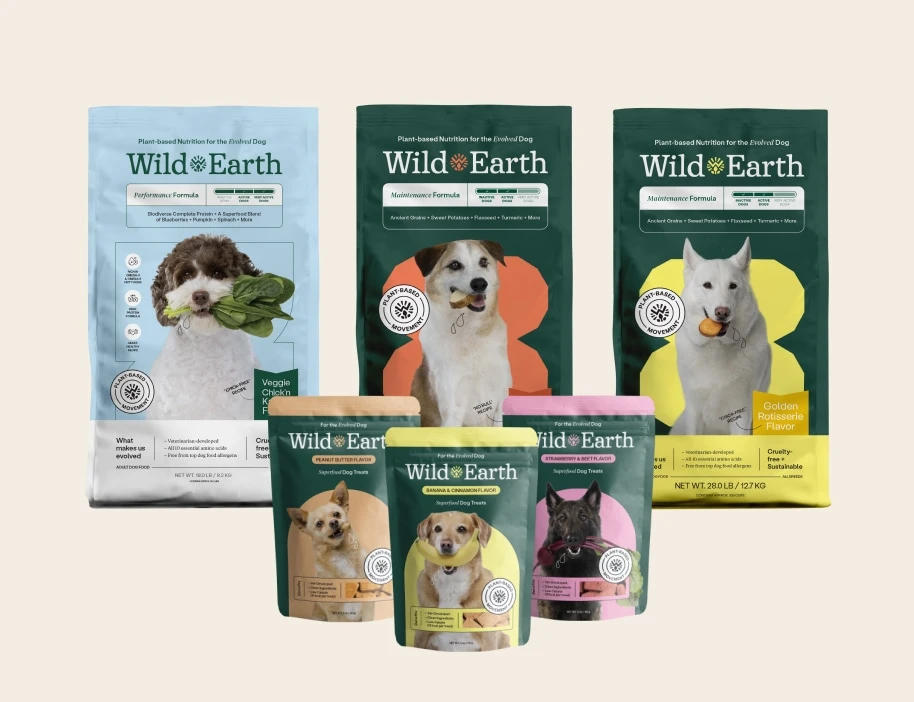
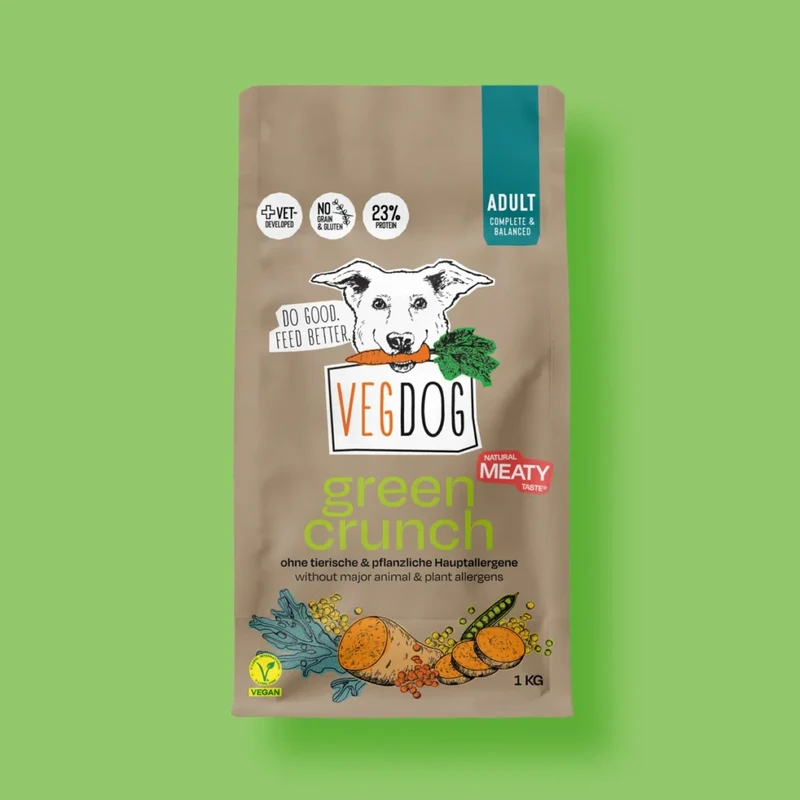
The market offers several AAFCO-approved plant-based dog food brands that meet nutritional completeness standards. Wild Earth, Vegdog, and HungryPaws are prominent examples featuring veterinary-formulated recipes with rigorous quality control. These brands employ ingredient blends designed to optimize protein digestibility and amino acid profiles while incorporating necessary supplementation.
Certifications from AAFCO and endorsement by organizations such as the Pet Food Manufacturers Association provide consumers with assurance of product safety and nutritional adequacy. Quality assurance includes ingredient traceability, batch testing, and compliance with manufacturing best practices. Choosing certified commercial products mitigates the risks associated with unverified homemade diets.
| Brand | AAFCO Certification | Key Ingredients | Supplementation | Notable Features |
|---|---|---|---|---|
| Wild Earth | Yes | Pea protein, yeast, potato starch | Taurine, B12, iodine | High protein digestibility, grain-free |
| Vegdog | Yes | Lentils, chickpeas, quinoa | Taurine, B12, DHA | Antioxidant-rich, balanced amino acids |
| HungryPaws | Yes | Pea protein, brown rice, sweet potato | Taurine, B12, iodine | Low fat, allergen-friendly |
Frequently Asked Questions
Is plant-based dog food nutritionally complete for all life stages?
Plant-based dog food formulated according to AAFCO adult maintenance standards can be nutritionally complete for adult dogs, but formulations for growth, reproduction, or senior life stages require specialized veterinary formulation to meet their distinct nutrient demands.
Can dogs thrive on a vegan diet without supplements?
No, supplementation of critical nutrients such as taurine, vitamin B12, and iodine is essential in vegan diets to prevent deficiencies, as these nutrients are scarce or absent in plant ingredients.
Are there health risks if I prepare homemade plant-based meals for my dog?
Homemade plant-based diets often lack balanced nutrient profiles and pose risks of deficiencies. Veterinary supervision and precise formulation are crucial to avoid health complications.
How does plant-based dog food compare environmentally to meat-based options?
Plant-based dog foods generally have a significantly lower carbon footprint, reducing greenhouse gas emissions by up to 70%, and require fewer natural resources, contributing to environmental sustainability.
Do veterinary associations support feeding dogs plant-based diets?
Organizations such as the British Veterinary Association recognize that plant-based diets can be safe and nutritionally adequate if properly formulated and monitored by veterinary professionals.
—
Increasing scientific evidence and veterinary expertise validate that plant-based dog food, when carefully formulated to meet AAFCO and PFMA standards, can provide complete, balanced nutrition for adult dogs. This dietary approach offers unique health benefits including improved digestion, reduced allergen exposure, and weight management, alongside substantial environmental advantages. Nonetheless, veterinary supervision remains essential to ensure nutrient adequacy and to mitigate risks associated with homemade or unbalanced diets. The trajectory of ongoing research and market innovation suggests that plant-based canine nutrition will continue to evolve, expanding options for health-conscious and environmentally aware pet owners.