
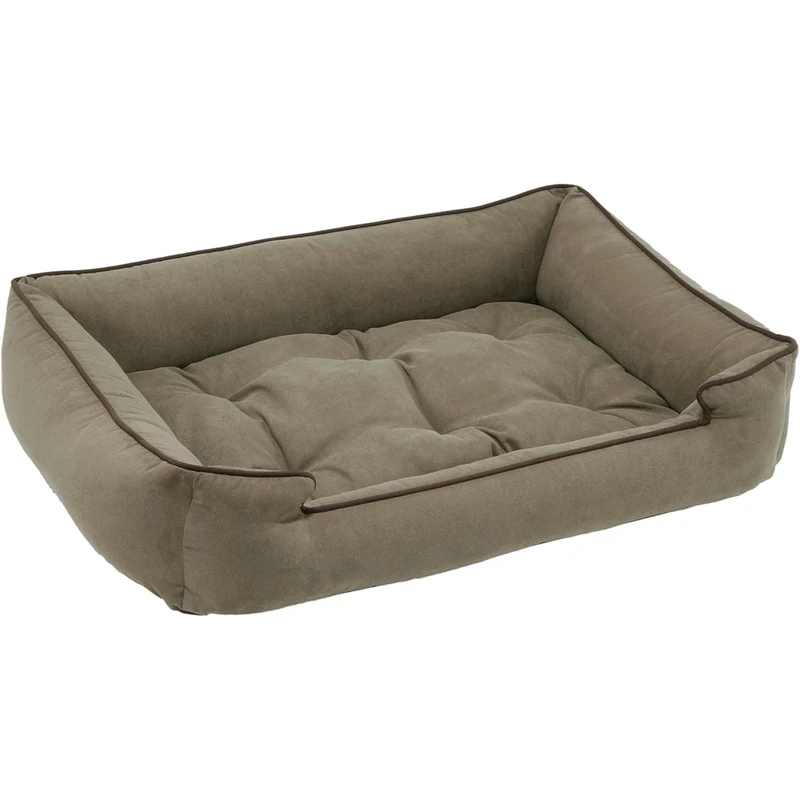
Best Eco-Friendly Materials for Dog Beds 2026 Explained
PawVerde.com – eco-friendly dog beds in 2026 leverage a sophisticated blend of sustainable materials such as organic cotton, hemp, natural latex, and recycled components, addressing the growing demand for non-toxic, durable pet products. These materials not only reduce environmental impact but also prioritize pet health through certifications like GOTS, GOLS, and CertiPUR-US that guarantee organic farming practices, chemical-free processing, and safe manufacturing. Leading brands including Dazzling Doggie Duvet, Avocado, Molly Mutt, and Buffy AmericanMade have integrated these materials with modular designs and washable covers to extend product lifespan and minimize waste, reflecting an industry shift towards comprehensive sustainability.
Organic cotton remains a cornerstone of eco-friendly dog beds due to its verified organic farming methods, absence of harmful pesticides, and softness that enhances pet comfort. Certified by the Global Organic Textile Standard (GOTS), organic cotton beds ensure strict adherence to environmental and social criteria, encompassing fair labor practices and chemical restrictions. Hemp, another highly durable and biodegradable fiber, offers superior resistance to wear and microbial growth, making it a preferred choice for active dogs. Its cultivation requires significantly less water and no synthetic fertilizers, reducing the ecological footprint compared to conventional cotton.
Natural latex, predominantly certified under the Global Organic Latex Standard (GOLS), provides orthopedic support through its resilient and breathable structure. Derived from rubber trees, natural latex beds resist compression and biodegrade without releasing toxic residues, offering an alternative to synthetic foams often laden with volatile organic compounds. Supplementing these core materials, recycled elements such as PET bottles are repurposed into mattress fillings and fabric blends, contributing to circular economy principles by diverting plastic waste from landfills. Brands like Harry Barker incorporate these recycled plastics in mattress inserts, while others combine upcycled fabrics to enhance durability and reduce resource consumption.
Leading Eco-Friendly Dog Bed Brands and Products
Several prominent brands have distinguished themselves by integrating sustainable materials with certifications that elevate consumer confidence. Dazzling Doggie Duvet utilizes organic cotton denim sourced and handcrafted in the USA, emphasizing modularity that allows components like covers and cushions to be replaced independently. This design reduces the frequency of full replacements, curtailing landfill contributions by as much as 75%. Avocado’s dog beds combine GOTS-certified organic cotton covers with certified organic natural latex cores, carrying additional MADE SAFE and FSC certifications that underscore non-toxicity and responsible forestry in packaging materials.
Molly Mutt features GOTS-certified organic cotton covers paired with OEKO-TEX certified wool fillings, balancing comfort and sustainability. Their use of OEKO-TEX standards ensures the absence of harmful substances, aligning with non-toxic pet bedding requirements. Harry Barker emphasizes hemp covers combined with recycled plastic mattress inserts, demonstrating a hybrid approach that maximizes durability while minimizing environmental impact. Buffy AmericanMade and LAY LO focus on orthopedic foam blends certified by CertiPUR-US, ensuring low emissions and safe chemical profiles, alongside recycled material components to support eco-friendly production practices.
Certifications and Standards Defining Eco-Friendly Dog Beds
Certifications serve as pivotal indicators for consumers seeking reliable eco-friendly dog beds, offering transparency and third-party validation of sustainable practices. The Global Organic Textile Standard (GOTS) regulates organic fibers from harvesting to manufacturing, ensuring chemical-free processing and social compliance. The Global Organic Latex Standard (GOLS) applies similar rigor to natural latex, validating organic cultivation and processing without harmful additives.
CertiPUR-US certification targets foam materials, confirming low emissions of volatile organic compounds (VOCs), absence of ozone depleters, heavy metals, and formaldehyde, critical for indoor air quality and pet health. MADE SAFE and OEKO-TEX certifications extend safety assurances to fabrics and fillings by limiting toxic chemical residues and allergens. Forest Stewardship Council (FSC) certification governs the sustainability of wood-based packaging or components, promoting responsible forestry. These certifications collectively assure consumers of chemical safety, environmental stewardship, and ethical labor practices within pet bedding supply chains.
Features Enhancing Sustainability Beyond Materials
Sustainability in dog beds transcends raw materials, with modular and replaceable components playing a central role in reducing environmental impact. Modular designs enable consumers to replace worn or soiled parts such as covers or inserts separately, significantly extending the overall product lifespan and reducing landfill waste. Washable covers constructed from durable organic cotton or hemp facilitate easy maintenance, promoting hygiene without necessitating frequent replacements.
ethical manufacturing practices often accompany certified materials, with many brands committing to fair labor standards and local production to reduce carbon footprints associated with transportation. End-of-life considerations include biodegradability of organic fibers and natural latex, alongside manufacturer-led recycling or take-back programs for synthetic components. Brands like Avocado and Molly Mutt actively participate in such initiatives, encouraging responsible disposal and circularity in pet bed products.
Additional Considerations in Choosing Eco-Friendly Dog Beds
Orthopedic support remains a critical factor, especially for older pets or breeds prone to joint issues. Natural latex and CertiPUR-US certified orthopedic foams offer pressure relief and contouring without compromising sustainability. Durability is essential for dogs with vigorous chewing or scratching habits; hemp’s toughness and recycled plastic inserts provide resilience while maintaining eco-friendly credentials.
Price ranges for sustainable dog beds vary widely, with modular and certified products typically commanding premium market segments. However, extended lifespans and reduced replacement frequency often result in superior value over time. Vegan dog bed options exclude animal-derived materials such as wool or natural latex, substituting with plant-based or recycled fibers without sacrificing comfort or safety. Non-toxic certifications like MADE SAFE and OEKO-TEX assure suitability for sensitive pets prone to allergies or chemical sensitivities.
Forward-Looking Analysis: Innovations and Market Trends
The eco-friendly dog bed market is poised for continued innovation, with emerging materials such as mycelium-based foams and bio-based TPU waterproofing gaining traction. Advances in modular design are expected to integrate smart sensors monitoring pet health and bed condition, further extending usability and sustainability. Increasing B-Corp certifications among pet product companies reflect a growing commitment to holistic environmental and social responsibility.
Consumer education on certification significance and product lifecycle impact will drive demand for transparency and accountability. Brands expanding recycling and take-back programs will set new industry standards for circularity. Overall, the fusion of organic, recycled, and biodegradable materials with cutting-edge design and verified certifications will define the next generation of sustainable dog beds.
FAQ
What are the most sustainable materials used in dog beds?
The most sustainable materials are organic cotton, hemp, natural latex, and recycled plastics. These materials offer biodegradability, organic farming credentials, and reduced environmental impact through recycling and chemical-free processing.
Why are certifications like GOTS and GOLS important for eco-friendly dog beds?
Certifications like GOTS and GOLS provide third-party validation of organic farming practices, chemical-free processing, and ethical manufacturing. They ensure the products meet strict environmental and health standards, increasing consumer trust and safety for pets.
How do modular designs contribute to sustainability in dog beds?
Modular designs allow individual components like covers and cushions to be replaced or washed separately, extending the product’s lifespan and reducing waste by preventing full bed disposal.
Are recycled materials safe and durable for dog beds?
recycled materials such as PET bottle fibers and plastic mattress inserts certified by programs like CertiPUR-US have been tested for safety and durability. They provide structural support and reduce plastic waste without compromising pet health.
Can eco-friendly dog beds provide orthopedic support?
Yes, natural latex and CertiPUR-US certified orthopedic foams offer durable, non-toxic support that contours to pets’ bodies, aiding joint health while maintaining sustainability standards. Brands like Buffy AmericanMade and LAY LO specialize in such products.
—
This detailed overview clarifies the best eco-friendly materials and brands for dog beds in 2026, emphasizing certified, non-toxic, and durable options that align with evolving consumer expectations for sustainable pet products. Buyers prioritizing transparency and verified environmental credentials can confidently select products that balance comfort, longevity, and ecological responsibility.