
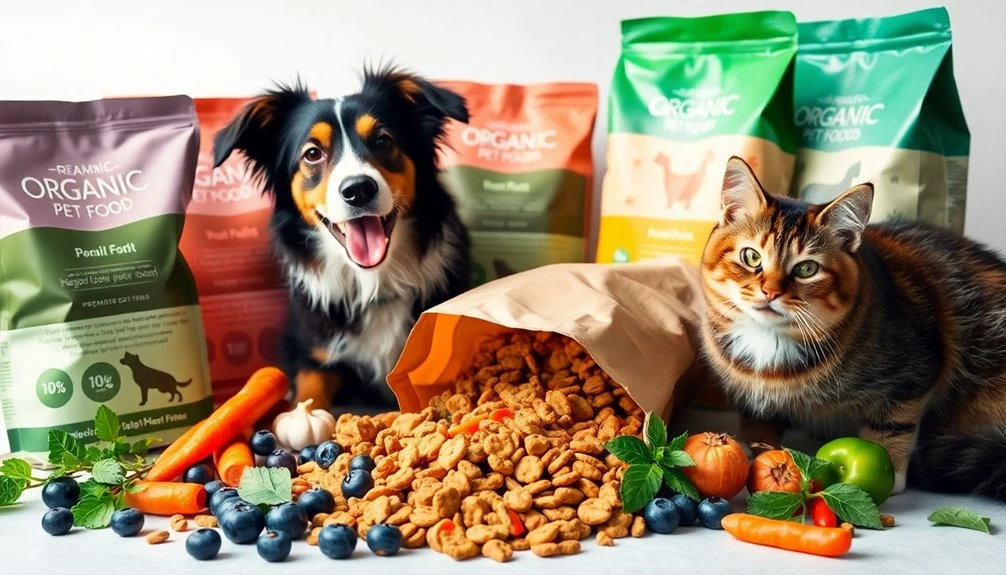
Local Sourcing Options for Organic Pet Food Boost Sustainability
PawVerde.com – The demand for locally sourced organic pet food is expanding rapidly as pet owners increasingly prioritize fresh, human-grade ingredients alongside sustainability and ethical production. Leading Southern California brands such as Spencer’s Plate and Steve’s Real Food emphasize community-based sourcing from local farms, delivering products with transparent supply chains that meet rigorous animal welfare standards. This shift reflects a broader industry trend toward reducing environmental impact, enhancing nutritional quality, and offering diverse formats including fresh, raw, freeze-dried, and vegan options.
Local sourcing plays a crucial role in ensuring ingredient traceability, reducing carbon footprints, and supporting regional agriculture. Companies like Open Farm have pioneered traceability tools that allow consumers to track ingredient origins, aligning with Certified Humane and PETA certifications. Retailers such as Centinela Feed & Pet Supplies facilitate access to these organic products through regional distribution networks, making sustainable pet food more accessible. The pet food industry’s environmental footprint, accounting for approximately 25% of global meat production’s impact, drives innovation in regenerative agriculture and plant-based alternatives to meet rising ethical and ecological standards.
Leading Local Brands Prioritizing Organic and Human-Grade Ingredients
Spencer’s Plate is a standout in the fresh dog food segment, leveraging partnerships with Southern California farms to supply human-grade meats and vegetables. Their community-driven approach integrates feedback from pet owners and veterinary nutritionists, ensuring balanced, nutrient-rich meals tailored for canine health. The brand’s emphasis on local sourcing reduces transportation emissions and supports regional farmers, contributing to a sustainable supply chain.
Steve’s Real Food specializes in frozen and freeze-dried raw pet food options sourced exclusively from local farms. Their products maintain high nutrient density through minimal processing, preserving natural enzymes and proteins essential for pets’ digestive health. Steve’s Real Food also prioritizes humane animal treatment, sourcing from farms adhering to Certified Humane standards. Their freeze-dried selections offer convenient shelf stability while preserving freshness, responding to consumer demand for long-lasting, nutrient-rich pet food.
ButcherBox For Pets extends premium meat sourcing to the pet food market, featuring grass-fed beef and free-range chicken raised on local farms with stringent animal welfare protocols. Their offerings align with increasing consumer preference for ethically raised proteins, supporting transparency through detailed sourcing disclosures. ButcherBox For Pets also integrates sustainability by selecting suppliers practicing regenerative grazing that enhances soil health and reduces greenhouse gas emissions.
Retail Access Points for Locally Sourced Organic Pet Food
Centinela Feed & Pet Supplies operates multiple retail locations across Southern California, facilitating consumer access to a curated range of organic and sustainable pet foods. Their inventory includes products from local brands and renowned national suppliers committed to ethical sourcing. Centinela’s regional presence bridges the gap between producers and consumers, fostering community engagement and education on sustainable pet nutrition.
Only Natural Pet is a nationwide retailer specializing in natural and sustainable pet supplies, including organic pet food options. Their platform emphasizes transparent ingredient sourcing and supports small-scale producers who adhere to stringent quality and welfare standards. Only Natural Pet’s distribution network and e-commerce capabilities expand the reach of locally sourced organic pet food beyond regional confines, catering to a growing demographic interested in natural pet care.
Certification and Animal Welfare in Organic Pet Food
Certified Humane remains a pivotal standard in organic pet food certification, ensuring that livestock are raised under conditions promoting comfort, space, and natural behaviors. Open Farm, the first Certified Humane pet food brand, offers unique online traceability tools that disclose ingredient origins, farming practices, and welfare certifications. This transparency addresses consumer concerns about sourcing ethics and verifies compliance with animal welfare guidelines.
PETA certification complements welfare standards by endorsing vegan and plant-based organic pet food brands such as Benevo, Beco, Hownd, and Yarrah Organic Petfood. These brands cater to pet owners seeking cruelty-free alternatives that minimize environmental impact. However, challenges persist regarding slaughter transparency and ethical sourcing in meat-based products, prompting ongoing scrutiny and calls for improved industry regulations.
Sustainability Considerations in Local Organic Pet Food
The pet food industry significantly contributes to environmental degradation, with meat production linked to deforestation, water consumption, and greenhouse gas emissions. Approximately 25% of the environmental impact from global meat production is attributed to pet food manufacturing, highlighting the necessity for sustainable ingredient sourcing. Regenerative agriculture practices implemented by local farms help restore soil health, increase biodiversity, and sequester carbon, mitigating some ecological footprints.
Plant-based proteins and precision fermentation technologies are emerging as innovative alternatives to traditional meat ingredients, reducing reliance on finite natural resources. Insights from the Pet Sustainability Track 2026 emphasize ingredient selection as a critical lever for sustainability, advocating for blends that optimize nutritional value while minimizing environmental costs. These developments promote a transition towards eco-friendly pet nutrition without compromising animal health.
Nutritional and Practical Benefits of Locally Sourced Organic Pet Food
Human-grade quality ingredients used in locally sourced organic pet food offer superior nutritional profiles compared to conventional feed, with fresher meats and vegetables providing enhanced digestibility and bioavailable nutrients. Formats such as fresh, frozen raw, and freeze-dried products cater to various pet needs and owner preferences, enabling customization of diets for optimal health outcomes.
Vegan and plant-based organic pet food options expand dietary inclusivity and support ethical considerations. Transition strategies recommended by veterinarians and nutritionists involve gradual introduction to new diets, maintaining digestive balance and monitoring pet response. Brands like Steve’s Real Food and Spencer’s Plate provide detailed feeding guidelines to facilitate sustainable diet adoption.
The Future of Local Organic Sourcing in Pet Food
Consumer demand is driving the pet industry toward greater transparency, sustainability, and animal welfare accountability. The market for locally sourced, ethically produced organic pet food is expanding rapidly, supported by technological advances in supply chain traceability and innovative ingredient sourcing. Pet owners seeking trustworthy local options benefit from regional brands and retailers prioritizing quality and ethical standards.
Ongoing collaboration among local farms, certifying bodies, and pet food manufacturers is essential to address sourcing challenges and elevate industry benchmarks. Future developments are expected to enhance the integration of regenerative agriculture, plant-based innovation, and welfare certification to deliver nutritious, environmentally responsible pet food.
FAQ
What defines human-grade pet food and why is it important?
Human-grade pet food is made from ingredients that meet food safety standards suitable for human consumption. This ensures higher quality, freshness, and nutritional value, reducing the risk of contaminants or inferior additives found in conventional pet foods. Human-grade pet food supports better digestion and overall pet health.
How do Certified Humane standards impact pet food quality?
Certified Humane standards regulate animal living conditions, including space, access to outdoors, and humane handling. Pet food brands adhering to these standards source ingredients from farms that prioritize animal welfare, resulting in ethically produced meat with fewer stress-related contaminants, which can improve the nutritional quality of the final product.
Are vegan organic pet food options nutritionally adequate for pets?
Vegan organic pet foods formulated by reputable brands like Benevo and Yarrah are designed to meet the complete nutritional requirements of dogs and cats. These diets include supplemented amino acids, vitamins, and minerals to ensure balanced nutrition. However, pet owners should consult veterinarians before transitioning pets to vegan diets to monitor health and adjust feeding accordingly.
What role does local sourcing play in reducing the environmental impact of pet food?
Local sourcing shortens supply chains, reducing transportation emissions and energy consumption. It supports regenerative farming practices that restore ecosystems and improves ingredient traceability, allowing consumers to verify sustainability claims. Together, these factors contribute to lowering the overall environmental footprint of pet food production.
Where can consumers find locally sourced organic pet food in Southern California?
Retailers like Centinela Feed & Pet Supplies provide access to a wide range of locally sourced organic pet food brands across Southern California. Online platforms such as Only Natural Pet also offer nationwide distribution of natural and organic pet products, including those sourced from regional farms, facilitating convenient access for consumers.
—
This analysis highlights the intersection of local sourcing, certification, sustainability, and nutritional quality shaping the organic pet food sector. Pet owners prioritizing health and environmental responsibility can leverage trusted brands and retailers emphasizing transparency and ethical production, contributing to a more sustainable future for pet nutrition.