

Nutritional Benefits of Organic Pet Food 2026 Explained
PawVerde.com – organic pet food in 2026 has become a cornerstone of premium pet nutrition, driven by growing consumer demand for natural, sustainable, and health-promoting diets. These formulas emphasize high-quality protein sources such as chicken, fish, and organ meats, which provide essential amino acids critical for muscle maintenance and overall vitality. Omega-3 fatty acids, prominently included from marine oils and flaxseed, support skin integrity, coat shine, and joint mobility, addressing common pet health concerns. Moreover, the integration of probiotics and botanicals targets gut microbiome balance and immune system enhancement, reflecting advances in functional pet food science. These products exclude fillers, animal by-products, and synthetic additives, thereby improving nutrient bioavailability and reducing allergy triggers. Market research from industry leaders like Packaged Facts and Statista confirms a steady increase in organic pet food sales, propelled by the humanization of pets and the premiumization trend.
Core Nutritional Benefits of Organic Pet Food
Organic pet food prioritizes nutrient density through carefully sourced ingredients, aligning with veterinary nutrition guidelines. Protein quality is paramount; sources such as free-range chicken, wild-caught fish, and nutrient-rich organ meats supply complete amino acid profiles essential for tissue repair, immune function, and energy metabolism. Unlike conventional pet foods, organic variants avoid rendered by-products, which can dilute nutritional value and introduce contaminants. Omega-3 fatty acids, particularly EPA and DHA, are critical in these formulations for their anti-inflammatory properties, which support cardiac health, reduce arthritis symptoms, and promote a glossy coat. According to veterinary research, diets enriched with omega-3 significantly improve skin barrier function, reducing pruritus and dermatitis in sensitive pets.
Probiotics, including strains like Lactobacillus acidophilus and Bifidobacterium animalis, have seen increased inclusion in organic pet food to enhance digestive health. By modulating the gut microbiome, these live cultures facilitate nutrient absorption and bolster mucosal immunity, resulting in fewer gastrointestinal disturbances. Botanicals such as turmeric, ginger, and chamomile contribute antioxidant and anti-inflammatory effects, further supporting systemic health. These functional ingredients align with the expanding field of pet nutraceuticals, where diet serves as a therapeutic tool beyond basic sustenance.
Functional Nutrition: Targeted Benefits and Life Stage-Specific Formulations
Organic pet food in 2026 is increasingly formulated with specific health outcomes in mind, transcending traditional nutritional adequacy. Brands like Royal Canin Fresh Health Nutrition and Natural Balance have pioneered life stage-specific diets that address the physiological needs of puppies, adults, and senior pets. Puppy formulas emphasize DHA for neurodevelopment and enhanced protein digestibility, while senior diets incorporate joint-supporting botanicals and antioxidants to mitigate age-related decline.
Functional nutrition advances also include hypoallergenic formulations designed to minimize allergen exposure by excluding common irritants such as corn, wheat, soy, and artificial preservatives. This approach enhances skin and coat health while reducing chronic inflammation associated with allergies. Joint health is supported by the inclusion of omega-3 fatty acids and natural glucosamine sources, while skin health benefits from vitamin E, zinc, and plant-derived antioxidants.
Brands like Open Farm and NutriFusion exemplify this trend by integrating superfoods and botanicals in organic blends, focusing on synergistic effects that promote digestion, immunity, and vitality. These formulations reflect insights from veterinary nutrition experts who advocate for bioavailable micronutrients and targeted ingredient functionality.
Ingredient Quality and Sustainability in Organic Pet Food
A defining characteristic of organic pet food is the exclusion of synthetic additives, fillers, and animal by-products, which often compromise nutrient quality and digestibility. Instead, these products rely on whole food ingredients sourced from certified organic farms adhering to stringent environmental and animal welfare standards. The emphasis on organic certification ensures that crops are grown without synthetic pesticides or fertilizers, reducing chemical residues in pet diets.
Sustainable protein sources are gaining prominence, with innovative options like cricket protein emerging due to their low environmental footprint and high nutrient density. This shift aligns with ethical consumerism trends and the environmental responsibility embraced by brands such as PawCo’s Magic. Organic farming practices contribute to soil health, biodiversity, and reduced greenhouse gas emissions, addressing broader ecological concerns associated with pet food production.
The Canadian Food Inspection Agency (CFIA) and similar regulatory bodies enforce rigorous standards that ensure ingredient transparency, authenticity, and safety. These frameworks enhance consumer trust by verifying organic claims and preventing misleading marketing. The result is a pet food market that balances premium nutritional quality with sustainability imperatives.
Scientific and Regulatory Foundations Supporting Organic Pet Food
The scientific underpinning of organic pet food centers on optimizing vitamin and micronutrient bioavailability to enhance physiological functions. Veterinary nutrition manuals, including the Merck Veterinary Manual, highlight the importance of formulations that deliver stable, bioactive forms of vitamins such as A, D, E, and B-complex, which support immune function, skin health, and metabolic processes. Organic pet foods leverage natural vitamin sources and avoid synthetic analogs, aiming for superior absorption and efficacy.
Probiotic inclusion is supported by studies demonstrating improved gut barrier function and modulation of inflammatory pathways in pets, reducing incidences of diarrhea and food sensitivities. The microbiome-focused approach is increasingly recognized by veterinary professionals as integral to preventive care.
Regulatory agencies like the CFIA mandate ingredient listing transparency and verify organic certification processes, ensuring that products meet defined standards for natural and organic content. These regulations are crucial for maintaining market integrity and consumer confidence amid rising demand.
Challenges and Considerations in Organic Pet Food Adoption
Despite clear nutritional advantages, organic pet food faces challenges related to higher production costs and limited availability. Premium ingredient sourcing, certification expenses, and sustainable farming practices contribute to price points that may be prohibitive for some consumers. Market analysis from IMARC indicates that while willingness to pay a premium is growing, affordability remains a barrier to widespread adoption.
Supply chain complexities, including seasonal variability of organic ingredients, can affect product consistency and availability. Retail distribution is often concentrated in specialty stores and online platforms, limiting access for some pet owners.
Balancing premium pricing with consumer expectations requires transparent communication of health benefits and sustainability credentials. Brands that effectively convey scientific backing and ethical sourcing tend to foster stronger brand loyalty and justify higher costs.
Future Outlook: Innovations and Market Trends in Organic Pet Food

The organic pet food sector is poised for continued growth, driven by innovation in functional ingredients and manufacturing techniques. Fresh-cooked and minimally processed organic pet food lines are expanding, offering enhanced palatability and nutrient retention. Advances in ingredient technologies enable inclusion of stabilized probiotics, plant-derived antioxidants, and novel superfoods tailored to specific health needs such as allergy management, weight control, and oral health.
Emerging trends indicate increased integration of personalized nutrition approaches, leveraging data on pet genetics, microbiome profiles, and life stages to customize organic diets. This precision nutrition aligns with the humanization trend, where pet owners seek tailored solutions akin to human dietary plans.
Sustainability will remain a central theme, with further exploration of alternative proteins, regenerative agriculture sourcing, and biodegradable packaging to reduce environmental impact. Regulatory bodies are expected to refine organic certification standards to address new ingredient categories and processing methods, ensuring continued consumer trust.
—
Frequently Asked Questions

What are the main health benefits of organic pet food?
Organic pet food offers high-quality proteins and omega-3 fatty acids that support muscle maintenance, skin health, and joint function. The inclusion of probiotics enhances gut microbiome balance and immunity, while exclusion of fillers and synthetic additives reduces allergy risks.
How do probiotics in organic pet food improve pet digestion?
Probiotics introduce beneficial bacteria that restore gut flora balance, aiding nutrient absorption and reducing gastrointestinal issues such as diarrhea and inflammation. They also strengthen the intestinal barrier, supporting overall immune health.
Are organic pet foods more sustainable than conventional options?
Yes, organic pet foods utilize ingredients grown without synthetic chemicals and often incorporate sustainable protein sources like cricket protein. Organic farming practices promote soil health and biodiversity, leading to a lower environmental footprint.
What challenges do consumers face when choosing organic pet food?
Higher costs, limited retail availability, and seasonal ingredient variability can restrict access to organic pet food. Consumers must weigh premium pricing against confirmed health and sustainability benefits.
How do regulatory bodies ensure the quality of organic pet food?
Organizations like the Canadian Food Inspection Agency enforce strict certification standards, ingredient transparency, and safety regulations to verify organic claims and maintain product integrity.
—
Organic pet food in 2026 reflects a convergence of nutritional science, consumer values, and environmental responsibility. Its emphasis on bioavailable proteins, omega-3 fatty acids, probiotics, and botanicals provides tangible health benefits validated by veterinary research. While cost and supply challenges persist, ongoing innovations in formulation and sustainability practices are set to make organic pet food a mainstay in premium pet nutrition portfolios. Pet owners and veterinary professionals alike can anticipate a future where organic diets play an integral role in holistic pet wellbeing.
Top Organic Pet Foods for Sensitive Stomachs Offer Digestive Relief
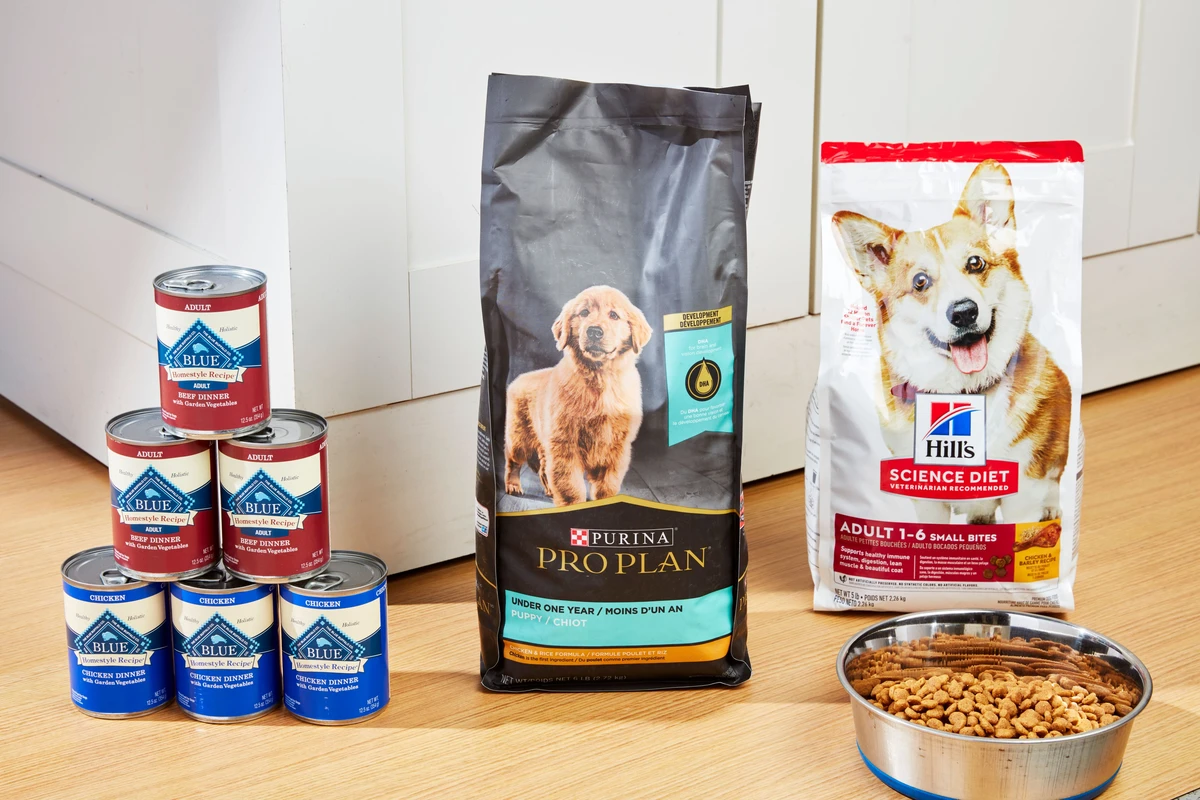
PawVerde.com – Organic pet foods formulated for sensitive stomachs in 2026 prioritize limited ingredient recipes featuring highly digestible proteins such as salmon, turkey, and chicken. These diets exclude common allergens and fillers, instead incorporating gut-supporting fibers like pumpkin and sweet potato. Enhanced with prebiotics and omega-3 fatty acids, these formulas aim to reduce digestive inflammation and promote nutrient absorption. Recognized brands including Nextrition, Dog Child, Weruva, Petcurean Go!, and California Dog Kitchen are leading this trend with vet-formulated, nutrient-retentive options, while established veterinary-recommended lines like Royal Canin and Hill’s Science Diet continue to offer balanced commercial solutions.
The growing prevalence of dietary sensitivities and digestive disorders in pets has driven demand for organic foods free from artificial additives, grains, and excessive fat. Veterinary nutritionists emphasize the importance of nutrient preservation methods such as cold pressing and gentle cooking to protect bioavailability. Novel proteins like deboned salmon and turkey reduce allergic reactions commonly associated with traditional protein sources. Fiber-rich ingredients like pumpkin and sweet potato not only support gut motility but also serve as prebiotics to foster healthy microbiota. This article explores the latest developments in organic pet food for sensitive stomachs, highlights leading products, and offers practical feeding strategies recommended by experts.
Understanding Sensitive Stomachs in Pets
Digestive sensitivity in dogs and cats manifests through symptoms such as chronic diarrhea, vomiting, flatulence, and abdominal discomfort. Common causes include food intolerances, allergies, bacterial imbalances, and underlying gastrointestinal diseases. According to veterinary studies, up to 10-15% of pets suffer from some form of dietary sensitivity, increasing the need for specialized nutrition tailored to reduce allergen exposure and improve gut health.
Diet plays a pivotal role in managing these conditions. Eliminating common allergens such as beef, dairy, and grains while introducing novel or hydrolyzed proteins can significantly reduce immune responses. Furthermore, digestibility is critical; proteins that are easier to break down lessen the digestive burden on compromised systems. veterinary nutritionists advocate for limited ingredient diets that minimize unnecessary additives and fillers, which often exacerbate gastrointestinal distress.
Key Nutritional Components for Sensitive Stomach Pet Foods
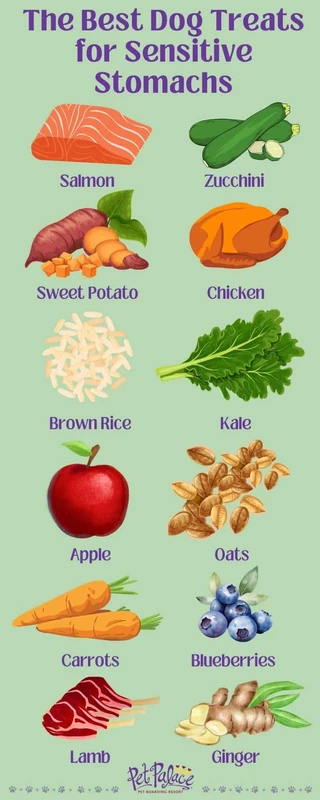
Proteins sourced from salmon, turkey, chicken, and cottage cheese rank highly for sensitive stomach formulas due to their digestibility and low allergenic potential. Deboned salmon is particularly favored for its omega-3 fatty acid content, which has anti-inflammatory properties beneficial for gut lining repair. Turkey and chicken provide lean protein options with minimal fat content, reducing digestive workload.
Fiber inclusion focuses on pumpkin and sweet potato, which not only provide soluble and insoluble fibers to regulate bowel movements but also act as prebiotics that nourish beneficial gut bacteria. Prebiotics such as fructooligosaccharides (FOS) and inulin are increasingly incorporated to promote a balanced microbiome, enhancing digestion and immune function.
Avoiding fillers like corn, wheat, soy, and artificial preservatives remains a priority. High-fat diets can worsen symptoms in sensitive pets by triggering pancreatitis or causing malabsorption. Therefore, formulations emphasize balanced macronutrient profiles with moderate fat levels and the inclusion of digestive enzymes to facilitate nutrient breakdown.
Omega-3 fatty acids from fish oils or flaxseed are standard additions, supporting anti-inflammatory pathways and skin health, which is often compromised in pets with food sensitivities.
Top Organic and Natural Pet Food Brands and Products for Sensitive Stomachs in 2026
Nextrition’s cold-pressed dog food line exemplifies nutrient preservation by using low-heat processing, maintaining the integrity of vitamins, enzymes, and antioxidants. Their formulas center on salmon and pumpkin, ensuring high digestibility and fiber content. Cold pressing reduces Maillard reaction effects, retaining amino acid availability crucial for sensitive pets.
Dog Child offers vet-formulated meal mixes designed for freshness and digestibility, focusing on turkey and chicken proteins with limited ingredient profiles. Their approach includes prebiotic fiber blends and omega-3 enrichment, aligning with veterinary recommendations for digestive health support.
Weruva’s Paw Lickin’ Chicken canned food stands out for minimal ingredients and grain-free composition, using chicken as a novel protein source with added pumpkin for fiber. The brand prioritizes human-grade ingredients and avoids artificial additives, appealing to pet owners seeking transparent sourcing.
Petcurean Go! Limited Ingredient Diet caters to feline sensitivities with turkey-based, grain-free recipes incorporating sweet potato and prebiotics. Veterinary nutritionists involved in formulation ensure balanced amino acid profiles and appropriate nutrient density for cats prone to digestive upset.
California Dog Kitchen emphasizes human-grade, vet-formulated meals that support skin and digestion through lean proteins and fiber-rich vegetables. Their meals often include novel proteins combined with pumpkin and sweet potato, plus digestive enzymes for enhanced nutrient uptake.
Veterinary-recommended commercial diets from Royal Canin and Hill’s Science Diet remain staples for sensitive stomach management. These brands utilize extensive clinical research and veterinary oversight to develop balanced formulas targeting specific digestive issues, including hydrolyzed protein options and fiber blends to reduce gut inflammation.
| Brand | Protein Source | Key Features | Vet Formulated | Digestive Support |
|---|---|---|---|---|
| Nextrition | Deboned Salmon | Cold-pressed, pumpkin fiber, prebiotics | Yes | Omega-3 fatty acids, low-fat |
| Dog Child | Turkey, Chicken | Fresh meal mixes, limited ingredients | Yes | Prebiotic fiber blends, omega-3 |
| Weruva | Chicken | Grain-free, minimal ingredients, canned | No (human-grade) | Pumpkin fiber |
| Petcurean Go! | Turkey | Limited ingredient, grain-free, cat-specific | Yes | Prebiotics, balanced amino acids |
| California Dog Kitchen | Novel Proteins | Human-grade, vet-formulated, skin & digestion focus | Yes | Digestive enzymes, fiber |
| Royal Canin | Hydrolyzed Proteins | Veterinary diets, clinical research | Yes | Fiber blends, gut health formulas |
| Hill’s Science Diet | Chicken, Turkey | Veterinary recommended, balanced nutrition | Yes | Prebiotics, antioxidants |
Homemade Diets for Sensitive Stomachs
Veterinarians recommend homemade diets as an alternative or complement to commercial foods, especially when managing diagnosed food intolerances. Simple recipes often combine lean proteins such as boiled chicken or turkey with easily digestible carbohydrates like white rice or potato, supplemented with fiber sources like pumpkin puree.
A typical vet-prescribed sensitive stomach recipe might include:
veterinary consultation is essential when formulating homemade diets to ensure balanced macronutrients and micronutrients, preventing deficiencies common in unbalanced home cooking. Additionally, elimination diets conducted under vet supervision help identify specific allergens by systematically reintroducing ingredients.
Feeding Tips for Pets with Sensitive Stomachs
Transitioning pets with sensitive digestion to new diets requires a gradual approach over 7-10 days to minimize gastrointestinal upset. Mixing increasing proportions of the new food with the old diet allows adaptation of the gut microbiota.
Low-sodium bone broth is recommended to stimulate appetite and provide hydration without overwhelming sensitive digestive systems. Bone broth also supplies gelatin and amino acids that support gut lining repair.
Close monitoring for changes in stool quality, vomiting frequency, and energy levels guides necessary adjustments. If symptoms persist, veterinary evaluation is critical to rule out underlying illnesses or nutrient absorption issues.
Environmental and Health Benefits of Organic Pet Food
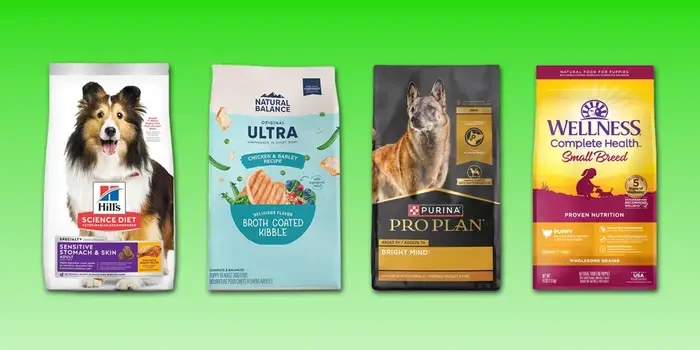
Organic pet foods derive ingredients from farms avoiding synthetic pesticides, herbicides, and genetically modified organisms, reducing environmental toxin load. This approach benefits not only pet health but also promotes sustainable agricultural practices.
Nutrient integrity in organic crops is often higher due to improved soil management, contributing to superior fiber and antioxidant profiles in pet foods. Avoidance of chemical residues aligns with the goal of minimizing immune triggers in sensitive pets.
Moreover, organic pet food production adheres to ethical sourcing standards, supporting animal welfare and biodiversity, which resonates with environmentally conscious consumers.
FAQ
What are the best protein sources for pets with sensitive stomachs?
The most digestible proteins include deboned salmon, turkey, and chicken, which are less likely to trigger allergic reactions. Novel proteins like duck or rabbit may also be recommended by veterinarians to reduce food sensitivities.
How do prebiotics benefit pets with digestive issues?
Prebiotics such as pumpkin fiber and inulin nourish beneficial gut bacteria, improving digestion, enhancing nutrient absorption, and reducing inflammation in the gastrointestinal tract.
Are grain-free diets better for pets with sensitive stomachs?
Grain-free diets can reduce exposure to common allergens but are not universally necessary. The key is limiting ingredients to those the pet tolerates well, whether grain-free or not, under veterinary guidance.
Can homemade diets provide complete nutrition for sensitive pets?
Homemade diets can be balanced if formulated with veterinary input to ensure proper nutrient ratios. Unsupervised homemade feeding risks deficiencies or excesses that can worsen health issues.
What role do omega-3 fatty acids play in sensitive stomach pet foods?
Omega-3 fatty acids have anti-inflammatory effects that support gut lining repair and overall digestive health, making them a valuable addition to sensitive stomach diets.
—
In 2026, owners seeking to optimize digestive health for pets with sensitive stomachs must consider organic, limited ingredient diets emphasizing digestible proteins and gut-friendly fibers. Combining commercial vet-formulated options with tailored feeding practices and, where appropriate, carefully supervised homemade diets, offers the best path to managing food sensitivities and improving quality of life. Continued innovation in nutrient preservation and ingredient transparency further empowers pet owners to make informed, health-promoting choices.
Local Sourcing Options for Organic Pet Food Boost Sustainability
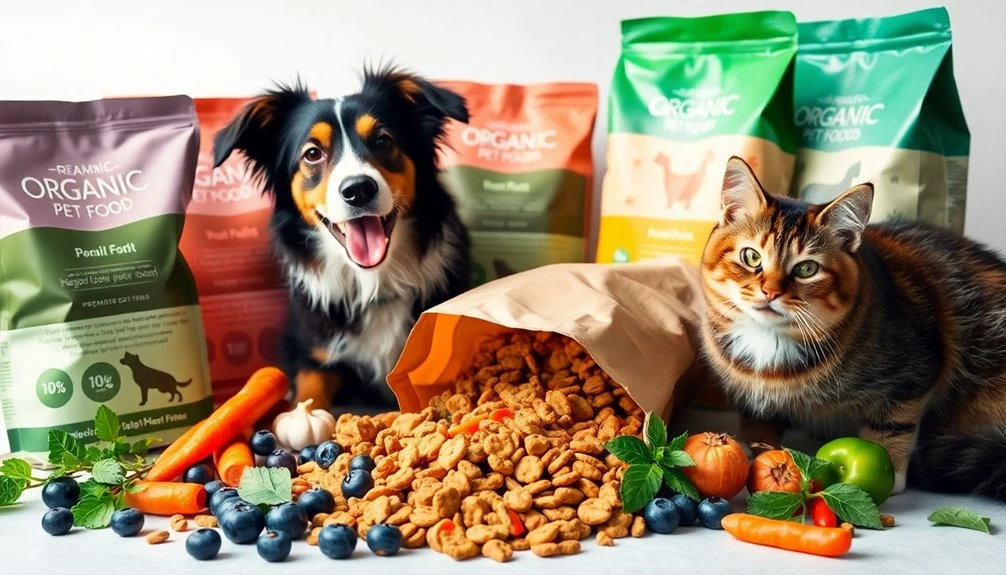
PawVerde.com – The demand for locally sourced organic pet food is expanding rapidly as pet owners increasingly prioritize fresh, human-grade ingredients alongside sustainability and ethical production. Leading Southern California brands such as Spencer’s Plate and Steve’s Real Food emphasize community-based sourcing from local farms, delivering products with transparent supply chains that meet rigorous animal welfare standards. This shift reflects a broader industry trend toward reducing environmental impact, enhancing nutritional quality, and offering diverse formats including fresh, raw, freeze-dried, and vegan options.
Local sourcing plays a crucial role in ensuring ingredient traceability, reducing carbon footprints, and supporting regional agriculture. Companies like Open Farm have pioneered traceability tools that allow consumers to track ingredient origins, aligning with Certified Humane and PETA certifications. Retailers such as Centinela Feed & Pet Supplies facilitate access to these organic products through regional distribution networks, making sustainable pet food more accessible. The pet food industry’s environmental footprint, accounting for approximately 25% of global meat production’s impact, drives innovation in regenerative agriculture and plant-based alternatives to meet rising ethical and ecological standards.
Leading Local Brands Prioritizing Organic and Human-Grade Ingredients
Spencer’s Plate is a standout in the fresh dog food segment, leveraging partnerships with Southern California farms to supply human-grade meats and vegetables. Their community-driven approach integrates feedback from pet owners and veterinary nutritionists, ensuring balanced, nutrient-rich meals tailored for canine health. The brand’s emphasis on local sourcing reduces transportation emissions and supports regional farmers, contributing to a sustainable supply chain.
Steve’s Real Food specializes in frozen and freeze-dried raw pet food options sourced exclusively from local farms. Their products maintain high nutrient density through minimal processing, preserving natural enzymes and proteins essential for pets’ digestive health. Steve’s Real Food also prioritizes humane animal treatment, sourcing from farms adhering to Certified Humane standards. Their freeze-dried selections offer convenient shelf stability while preserving freshness, responding to consumer demand for long-lasting, nutrient-rich pet food.
ButcherBox For Pets extends premium meat sourcing to the pet food market, featuring grass-fed beef and free-range chicken raised on local farms with stringent animal welfare protocols. Their offerings align with increasing consumer preference for ethically raised proteins, supporting transparency through detailed sourcing disclosures. ButcherBox For Pets also integrates sustainability by selecting suppliers practicing regenerative grazing that enhances soil health and reduces greenhouse gas emissions.
Retail Access Points for Locally Sourced Organic Pet Food
Centinela Feed & Pet Supplies operates multiple retail locations across Southern California, facilitating consumer access to a curated range of organic and sustainable pet foods. Their inventory includes products from local brands and renowned national suppliers committed to ethical sourcing. Centinela’s regional presence bridges the gap between producers and consumers, fostering community engagement and education on sustainable pet nutrition.
Only Natural Pet is a nationwide retailer specializing in natural and sustainable pet supplies, including organic pet food options. Their platform emphasizes transparent ingredient sourcing and supports small-scale producers who adhere to stringent quality and welfare standards. Only Natural Pet’s distribution network and e-commerce capabilities expand the reach of locally sourced organic pet food beyond regional confines, catering to a growing demographic interested in natural pet care.
Certification and Animal Welfare in Organic Pet Food
Certified Humane remains a pivotal standard in organic pet food certification, ensuring that livestock are raised under conditions promoting comfort, space, and natural behaviors. Open Farm, the first Certified Humane pet food brand, offers unique online traceability tools that disclose ingredient origins, farming practices, and welfare certifications. This transparency addresses consumer concerns about sourcing ethics and verifies compliance with animal welfare guidelines.
PETA certification complements welfare standards by endorsing vegan and plant-based organic pet food brands such as Benevo, Beco, Hownd, and Yarrah Organic Petfood. These brands cater to pet owners seeking cruelty-free alternatives that minimize environmental impact. However, challenges persist regarding slaughter transparency and ethical sourcing in meat-based products, prompting ongoing scrutiny and calls for improved industry regulations.
Sustainability Considerations in Local Organic Pet Food
The pet food industry significantly contributes to environmental degradation, with meat production linked to deforestation, water consumption, and greenhouse gas emissions. Approximately 25% of the environmental impact from global meat production is attributed to pet food manufacturing, highlighting the necessity for sustainable ingredient sourcing. Regenerative agriculture practices implemented by local farms help restore soil health, increase biodiversity, and sequester carbon, mitigating some ecological footprints.
Plant-based proteins and precision fermentation technologies are emerging as innovative alternatives to traditional meat ingredients, reducing reliance on finite natural resources. Insights from the Pet Sustainability Track 2026 emphasize ingredient selection as a critical lever for sustainability, advocating for blends that optimize nutritional value while minimizing environmental costs. These developments promote a transition towards eco-friendly pet nutrition without compromising animal health.
Nutritional and Practical Benefits of Locally Sourced Organic Pet Food
Human-grade quality ingredients used in locally sourced organic pet food offer superior nutritional profiles compared to conventional feed, with fresher meats and vegetables providing enhanced digestibility and bioavailable nutrients. Formats such as fresh, frozen raw, and freeze-dried products cater to various pet needs and owner preferences, enabling customization of diets for optimal health outcomes.
Vegan and plant-based organic pet food options expand dietary inclusivity and support ethical considerations. Transition strategies recommended by veterinarians and nutritionists involve gradual introduction to new diets, maintaining digestive balance and monitoring pet response. Brands like Steve’s Real Food and Spencer’s Plate provide detailed feeding guidelines to facilitate sustainable diet adoption.
The Future of Local Organic Sourcing in Pet Food
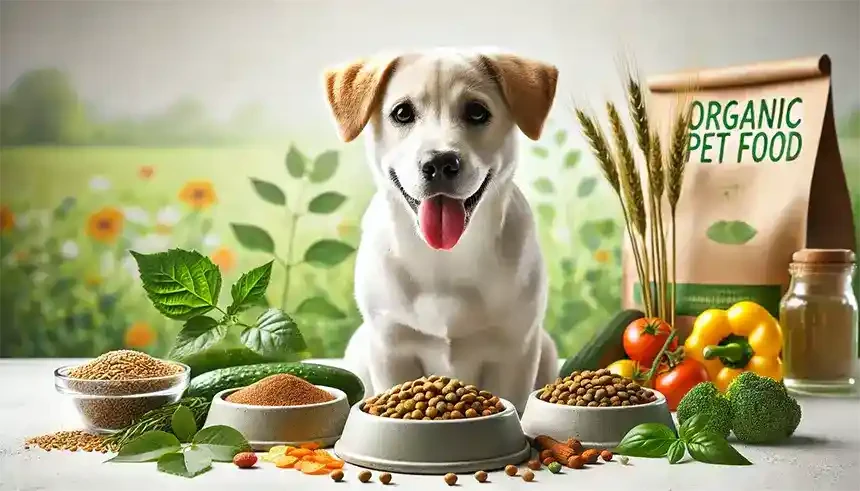
Consumer demand is driving the pet industry toward greater transparency, sustainability, and animal welfare accountability. The market for locally sourced, ethically produced organic pet food is expanding rapidly, supported by technological advances in supply chain traceability and innovative ingredient sourcing. Pet owners seeking trustworthy local options benefit from regional brands and retailers prioritizing quality and ethical standards.
Ongoing collaboration among local farms, certifying bodies, and pet food manufacturers is essential to address sourcing challenges and elevate industry benchmarks. Future developments are expected to enhance the integration of regenerative agriculture, plant-based innovation, and welfare certification to deliver nutritious, environmentally responsible pet food.
FAQ

What defines human-grade pet food and why is it important?
Human-grade pet food is made from ingredients that meet food safety standards suitable for human consumption. This ensures higher quality, freshness, and nutritional value, reducing the risk of contaminants or inferior additives found in conventional pet foods. Human-grade pet food supports better digestion and overall pet health.
How do Certified Humane standards impact pet food quality?
Certified Humane standards regulate animal living conditions, including space, access to outdoors, and humane handling. Pet food brands adhering to these standards source ingredients from farms that prioritize animal welfare, resulting in ethically produced meat with fewer stress-related contaminants, which can improve the nutritional quality of the final product.
Are vegan organic pet food options nutritionally adequate for pets?
Vegan organic pet foods formulated by reputable brands like Benevo and Yarrah are designed to meet the complete nutritional requirements of dogs and cats. These diets include supplemented amino acids, vitamins, and minerals to ensure balanced nutrition. However, pet owners should consult veterinarians before transitioning pets to vegan diets to monitor health and adjust feeding accordingly.
What role does local sourcing play in reducing the environmental impact of pet food?
Local sourcing shortens supply chains, reducing transportation emissions and energy consumption. It supports regenerative farming practices that restore ecosystems and improves ingredient traceability, allowing consumers to verify sustainability claims. Together, these factors contribute to lowering the overall environmental footprint of pet food production.
Where can consumers find locally sourced organic pet food in Southern California?
Retailers like Centinela Feed & Pet Supplies provide access to a wide range of locally sourced organic pet food brands across Southern California. Online platforms such as Only Natural Pet also offer nationwide distribution of natural and organic pet products, including those sourced from regional farms, facilitating convenient access for consumers.
—
This analysis highlights the intersection of local sourcing, certification, sustainability, and nutritional quality shaping the organic pet food sector. Pet owners prioritizing health and environmental responsibility can leverage trusted brands and retailers emphasizing transparency and ethical production, contributing to a more sustainable future for pet nutrition.