

Where to Buy Organic Dog Food in 2026: Top Brands & Deals
PawVerde.com – Organic dog food purchasing in 2026 centers around transparency, sustainability, and diverse delivery methods that meet evolving consumer demands for quality and convenience. Key brands such as The Honest Kitchen and Open Farm distinguish themselves through human-grade ingredients, animal welfare certifications, and ingredient sourcing transparency, with reported health benefits like improved digestion and energy in dogs. Retail giants like Chewy offer extensive selections of natural dog food with subscription discounts reaching 35%, while local specialty stores such as The Modern Paws in Tampa provide expert guidance and exclusive promotions. Subscription services like Maev cater to fresh and raw diet preferences, delivering flash-frozen meals designed for optimal canine nutrition.
Leading Organic Dog Food Brands and Their Unique Selling Points
The Honest Kitchen remains a frontrunner in the organic dog food sector by offering human-grade meals prepared with free-range chicken and organic quinoa. Their products are shelf-stable and emphasize ingredient transparency, with consumer reports indicating approximately 80% of dogs experience improved digestion after switching. This brand supports subscription savings, enabling buyers to reduce costs while maintaining consistent access to high-quality meals.
Open Farm focuses heavily on sustainable sourcing, utilizing 100% animal welfare-certified beef and wild-caught salmon as core protein sources. Their inclusion of superfoods such as turmeric and kale targets enhanced canine health, providing antioxidants and anti-inflammatory benefits. This brand’s commitment to ethical farming practices and sustainability certifications distinguishes it within a crowded market.
Other notable brands include Stella & Chewy’s, known for freeze-dried raw diets that preserve nutrient integrity; Orijen, which emphasizes biologically appropriate, protein-rich kibble; and Steve’s Real Food, offering fresh, ready-to-serve meals with a strong focus on ingredient traceability. These brands collectively cover a spectrum of pet dietary preferences, from raw and fresh to cooked and freeze-dried options, addressing nutritional needs across different dog breeds and life stages.
Purchasing Channels for Organic Dog Food
Online retail platforms dominate organic dog food sales in 2026, with Chewy leading by offering a comprehensive selection of natural and organic brands. Chewy’s customer review system provides prospective buyers with insights into product efficacy and palatability, while subscription options confer savings of up to 35%, enhancing affordability without compromising quality. Only Natural Pet also competes in this space, emphasizing small-batch and limited ingredient formulas for sensitive dogs, often accompanied by shipping promotions and loyalty rewards.
Local specialty pet stores like The Modern Paws in Tampa complement digital channels by offering personalized service and expert staff consultation. Customers report value in in-person visits for breed-specific recommendations and troubleshooting dietary transitions. The Modern Paws frequently runs promotions on organic dog food brands, providing seasonal discounts and trial-size packages to encourage consumer experimentation with new products.
Subscription services such as Maev specialize in fresh and raw diets, providing flash-frozen meals delivered directly to consumers’ doors. Maev’s pricing averages around $3 per serving, which aligns with premium market expectations while offering customization options for portion size and protein variety. This model appeals to pet owners prioritizing freshness and nutrient preservation and seeking alternatives to traditional kibble.
Types of Organic Dog Food Available in 2026
The organic dog food market in 2026 features several product types designed to meet varied dietary preferences and health requirements. Dry kibble remains popular for convenience and shelf stability, with brands incorporating grain-free recipes and human-grade ingredients to enhance nutritional profiles. Freeze-dried options, such as those by Stella & Chewy’s, offer concentrated nutrients and long shelf life without preservatives, appealing to owners seeking raw diet benefits without refrigeration.
Fresh dog food and raw diets are increasingly delivered through subscription services, preserving nutrient integrity via flash-freezing methods. These diets often emphasize whole-food ingredients and superfoods to support digestion, immune function, and coat health. Cook-at-home meal kits are emerging, providing measured organic ingredients with preparation instructions, allowing owners to tailor diets under veterinary guidance.
Nutritional suitability varies by breed, age, and health status, with many brands offering formulations targeted at puppies, adult dogs, and seniors. Protein sources include free-range chicken, wild-caught fish, and sustainable beef, often supplemented with organic vegetables and fruits to provide fiber and antioxidants. Transparency in ingredient sourcing and nutritional analysis is a hallmark of reputable brands, aiding consumers in making informed choices.
Consumer Experiences and Health Benefits
Pet owner testimonials consistently highlight improvements in digestion, energy levels, and allergy reduction after switching to organic dog food brands such as The Honest Kitchen and Petaluma. Reports indicate that over 70% of consumers observed better stool consistency and increased vitality in their pets within weeks of diet transition. Veterinary endorsements support these findings, emphasizing the role of high-quality proteins and absence of artificial additives in promoting canine health.
FDA regulations continue to influence pet food safety practices, with brands like Petaluma providing detailed compliance statements and ingredient transparency reports. This regulatory oversight enhances consumer trust in organic dog food products. Balanced perspectives acknowledge that while raw diets offer benefits, they require careful handling to avoid bacterial contamination, underscoring the importance of consulting with veterinarians before dietary changes.
Promotions, Discounts, and How to Save on Organic Dog Food
Subscription discounts remain a primary method for consumers to lower costs on premium organic dog food, with platforms like Chewy offering up to 35% off for scheduled deliveries. Seasonal sales at local stores such as The Modern Paws provide additional opportunities for savings, particularly on new product launches and trial packs. Coupon codes, including Open Farm’s “NEWPET,” are actively promoted via brand newsletters and social media channels, enabling first-time buyers to access introductory pricing.
Loyalty programs and referral incentives also contribute to cost efficiency, with several brands rewarding repeat customers through points redeemable against future purchases. Bulk buying options, especially for freeze-dried and dry kibble varieties, further reduce per-serving expenses without compromising freshness or quality.
Making an Informed Choice for Organic Dog Food Purchase in 2026
Selecting the appropriate organic dog food involves balancing budget constraints, specific dietary needs, and ethical considerations regarding ingredient sourcing and animal welfare. Consumers are advised to prioritize brands with transparent supply chains and certifications that validate sustainability claims. Consultation with veterinarians remains essential to tailor diets to individual pet health profiles, particularly when considering raw or fresh meal plans.
The evolving market landscape, characterized by diverse purchasing platforms and product types, empowers pet owners to customize feeding regimens with greater precision. Continued innovation in subscription models and local retail offerings promises enhanced accessibility and cost-effectiveness for organic dog food buyers.
FAQ

Where can I buy organic dog food reliably in 2026?
Organic dog food is widely available through online retailers like Chewy and Only Natural Pet, local specialty stores such as The Modern Paws in Tampa, and subscription services including Maev. These channels offer verified products from reputable brands emphasizing sustainability and ingredient transparency.
What are the benefits of subscription-based organic dog food services?
Subscription services provide convenience, cost savings of up to 35%, and access to fresh or raw diets delivered directly to the consumer. They often allow customization of meal plans based on dog size, dietary restrictions, and preferences, ensuring consistent nutrition.
How do organic dog food brands ensure ingredient quality and safety?
Leading brands maintain stringent sourcing standards, use animal welfare-certified proteins, and provide detailed ingredient transparency. Compliance with FDA regulations and third-party certifications further enhance product safety and consumer confidence.
Are raw and freeze-dried diets better than traditional kibble?
Raw and freeze-dried diets preserve more nutrients and often exclude artificial additives, which can benefit digestion and energy. However, they require careful handling to prevent contamination. Kibble remains convenient and nutritionally balanced when sourced from reputable organic brands.
How can I save money when buying organic dog food?
Utilize subscription discounts, seasonal promotions at local pet stores, and brand coupon codes like Open Farm’s “NEWPET.” Loyalty programs and bulk purchasing options also reduce overall costs while maintaining product quality.
—
As consumer awareness around pet nutrition and sustainability grows, the organic dog food market in 2026 offers a spectrum of reputable brands and purchasing platforms. Pet owners can leverage subscription savings, expert local advice, and diverse product types to optimize their dog’s health while supporting ethical and transparent food systems. Ongoing research and veterinary collaboration will remain critical in adapting to emerging trends and ensuring optimal canine nutrition.
Eco-Friendly Dog Food Review 2026: Top Brands & Benefits
PawVerde.com – eco-friendly dog food in 2026 reflects a confluence of rigorous nutritional science, sustainable sourcing practices, and consumer demand for transparency and environmental responsibility. Leading brands such as Viva Raw, Open Farm, and PawCo exemplify this trend by offering vet-formulated, USDA-inspected recipes that prioritize organic, non-GMO ingredients and ethical animal welfare standards. These companies deliver fresh or dry meals via subscription models, providing convenience alongside measurable health benefits like improved digestion and allergy relief. The integration of certifications from bodies such as the Clean Label Project, LeafScore, and B Corp further reinforces trust and accountability in this evolving market.
Sustainably sourced ingredients form the backbone of the modern eco-friendly dog food landscape. Brands like Open Farm emphasize transparent supply chains with USDA-inspected meat and plant-based proteins cultivated on certified organic farms. Many products exclude growth hormones, glyphosate, and other harmful additives, aligning with the Clean Label Project’s non-toxic criteria. Subscription delivery services dominate, enabling pet owners to customize meal plans and ensure freshness while reducing packaging waste through innovative, recyclable materials. This shift underscores the dual focus on pet health—through nutrient-dense, digestible formulas—and environmental stewardship, including carbon footprint reduction and animal welfare improvements.
Key Criteria Defining Eco-Friendly Dog Food in 2026
The foremost criterion for eco-friendly dog food is the sourcing of organic and sustainably produced ingredients. Certified Organic and Non-GMO labels are crucial markers of ingredient integrity, often validated through USDA inspection or equivalent third-party audits. Many brands emphasize pasture-raised meats, sustainably harvested plant proteins, and superfoods such as kale and blueberries to enhance antioxidant content. This approach minimizes reliance on conventionally farmed ingredients associated with higher pesticide use and environmental degradation.
Ethical animal welfare standards are increasingly stringent. Companies like Petaluma, holding B Corp certification and recognized by LeafScore, offset 100% of their greenhouse gas emissions and partner with farms adhering to humane livestock practices. This transparency extends to ingredient traceability, ensuring that animal products derive from farms that avoid confinement and support biodiversity.
The absence of harmful chemicals and artificial additives marks another defining feature. The Clean Label Project’s testing regime targets heavy metals, pesticides, and industrial toxins, setting a high bar for product safety. Brands such as Mamavation and Benevo publicly disclose these test results, fostering consumer confidence.
Nutritional completeness, guided by board-certified animal nutritionists, guarantees balanced macronutrients and essential amino acids, particularly in plant-based or vegan formulas like those from PawCo and Gather Dog Food. These formulations address common concerns such as amino acid bioavailability and digestibility, often enhanced by gentle cooking methods that preserve nutrient integrity.
Sustainability extends beyond ingredients to packaging and delivery. Subscription models facilitate portion control and freshness, reducing food waste. Packaging innovations include compostable bags and minimal plastic use, as seen with companies like Spot & Tango and Doghouse Nordic. These efforts align with broader environmental goals targeting waste reduction and resource conservation.
Profiles of Leading Eco-Friendly Dog Food Brands
Viva Raw distinguishes itself by offering vet-developed, USDA-inspected fresh meals delivered via subscription. Its recipes exclude fillers and artificial preservatives, focusing on nutrient-rich, digestible ingredients that support allergy relief and digestive health. User testimonials highlight improvements in pets’ coat condition and energy levels after transitioning to Viva Raw.
Open Farm combines sustainably sourced fresh and dry foods with superfood blends designed for weight management and cardiovascular support. Its transparent supply chain includes non-GMO vegetables and pasture-raised meats, with all products free from antibiotics and added hormones. Open Farm’s commitment to environmental impact is reflected in its collaboration with 1% For the Planet, contributing a percentage of profits to conservation initiatives.
PawCo offers premium plant-based fresh meals crafted by board-certified animal nutritionists. Its formulas provide complete essential amino acids, ensuring nutritional adequacy for dogs on vegan diets. The brand emphasizes allergen-friendly ingredients and avoids common irritants, making it popular among owners of allergy-prone pets.
Petaluma stands out as a Certified B Corp recognized for its carbon offset initiatives and LeafScore-rated dry kibble. This brand prioritizes environmental impact reductions through local ingredient sourcing and 100% greenhouse gas emission offsets. Petaluma’s dry food recipes incorporate organic grains and vegetables, balancing taste and health with ethical production.
Gather Dog Food specializes in certified organic, vegan dry food formulated to supply all essential nutrients. Its commitment to sustainability extends to ingredient traceability and non-toxic testing, addressing concerns about heavy metals and pesticide residues. Gather’s products appeal to owners seeking plant-based, allergen-sensitive options without compromising nutrient density.
Additional brands contributing to the eco-friendly niche include Mamavation, noted for rigorous non-toxic testing aligned with the Clean Label Project; Doghouse Nordic, which offers Swedish organic dog food options emphasizing natural ingredients and minimal processing; and The Farmer’s Dog, providing customized fresh meals tailored to individual pet health profiles and dietary needs.
Nutritional and Health Benefits of Sustainable Dog Food
Fresh and organic dog foods exhibit improved digestibility compared to conventional kibble, with studies indicating up to 50% greater nutrient absorption. Gentle cooking processes preserve vitamins, minerals, and enzymes that often degrade under high-heat extrusion methods typical of dry foods. This enhanced bioavailability supports optimal digestion and nutrient uptake, reducing gastrointestinal distress.
Eliminating fillers, artificial dyes, and preservatives reduces allergenic potential. Many eco-friendly formulas avoid common allergens such as corn, soy, and gluten, contributing to decreased incidence of skin irritations and food sensitivities. Pet owners report fewer episodes of itching, inflammation, and digestive upset after switching to these diets.
The inclusion of superfoods and balanced amino acid profiles enhances skin and coat health, immune function, and vitality. Ingredients rich in omega fatty acids, antioxidants, and fiber contribute to overall well-being. Plant-based proteins are carefully combined to provide all nine essential amino acids, a critical factor in vegan formulations to maintain muscle mass and metabolic function.
Veterinary nutritionists emphasize monitoring and supplementing micronutrients such as vitamin B12 and taurine in plant-based diets, ensuring comprehensive nutritional coverage. Brands like PawCo and Gather Dog Food collaborate closely with experts to refine their recipes accordingly.
Environmental and Ethical Impact of Eco-Friendly Dog Food
Certifications such as B Corp, USDA Organic, and Clean Label Project testing serve as benchmarks for environmental responsibility. Petaluma’s carbon offset program exemplifies industry leadership, achieving net-zero emissions through investments in renewable energy and reforestation.
Sourcing meat from farms that enforce humane animal welfare practices reduces ecological degradation and supports biodiversity. Open Farm’s partnerships with pasture-raised livestock producers minimize land overuse and chemical inputs, aligning with sustainable agriculture principles.
Packaging innovations address the significant waste footprint associated with pet food. Subscription services enable precise portioning, reducing spoilage and excess consumption. Brands increasingly adopt compostable or recyclable materials, contributing to circular economy efforts.
Animal welfare improvements extend beyond sourcing to include transparency and traceability, allowing consumers to verify ethical claims. This accountability fosters greater industry-wide adoption of best practices and builds consumer trust.
Practical Considerations When Purchasing Eco-Friendly Dog Food
Cost remains a significant factor, with eco-friendly brands generally positioned at a premium price point due to ingredient quality and certification costs. However, many subscription services offer flexible plans and introductory trials to ease consumer commitment. For example, Viva Raw and The Farmer’s Dog provide sample portions and adjustable delivery schedules.
Value propositions emphasize health improvements that may reduce veterinary expenses related to allergies, digestive issues, and chronic conditions. Nutrient-dense diets potentially extend lifespan and quality of life, offering long-term economic benefits.
Consultation with veterinarians is advisable when transitioning to new diets, particularly for pets with pre-existing health conditions or those on plant-based formulations requiring supplementation. Board-certified nutritionists affiliated with brands provide guidance on appropriate feeding protocols and nutrient balance.
Subscription delivery services enhance convenience and allow owners to test multiple formulas, adjusting based on pet response. This model supports continuous optimization of diet and health outcomes.
FAQ
What makes dog food eco-friendly in 2026?
Eco-friendly dog food in 2026 is characterized by organic, sustainably sourced ingredients, ethical animal welfare standards, absence of harmful additives, and environmentally conscious packaging. Certifications such as USDA Organic, B Corp, and Clean Label Project validate these attributes.
Are plant-based dog foods nutritionally complete?
When formulated by board-certified animal nutritionists, plant-based dog foods can provide complete essential amino acids and nutrients. Brands like PawCo ensure bioavailability and supplement micronutrients critical for canine health.
How does fresh dog food compare to dry kibble in digestibility?
Fresh dog food is generally up to 50% more digestible than traditional kibble due to lower heat processing, preserving enzymes and vitamins. This leads to better nutrient absorption and fewer digestive issues.
Can subscription dog food services reduce environmental impact?
Yes, subscription services reduce food waste through precise portioning and enable packaging innovations like compostable materials. They also support sustainable sourcing by facilitating consistent demand for eco-friendly products.
What certifications should I look for in sustainable dog food?
Key certifications include USDA Organic, B Corp for social and environmental performance, Clean Label Project for toxin testing, LeafScore for ingredient quality, and AAFCO standards for nutritional adequacy.
The eco-friendly dog food sector in 2026 offers a sophisticated blend of science-backed nutrition, sustainability, and ethical production. Consumers prioritizing pet health and environmental responsibility will find leading brands like Viva Raw, Open Farm, and Petaluma delivering transparent, high-quality options. Moving forward, advances in ingredient traceability, packaging innovation, and veterinary collaboration promise continual improvements in this dynamic market, empowering owners to make informed, impactful choices for their pets and the planet.
Local Sourcing Options for Organic Pet Food Boost Sustainability
PawVerde.com – The demand for locally sourced organic pet food is expanding rapidly as pet owners increasingly prioritize fresh, human-grade ingredients alongside sustainability and ethical production. Leading Southern California brands such as Spencer’s Plate and Steve’s Real Food emphasize community-based sourcing from local farms, delivering products with transparent supply chains that meet rigorous animal welfare standards. This shift reflects a broader industry trend toward reducing environmental impact, enhancing nutritional quality, and offering diverse formats including fresh, raw, freeze-dried, and vegan options.
Local sourcing plays a crucial role in ensuring ingredient traceability, reducing carbon footprints, and supporting regional agriculture. Companies like Open Farm have pioneered traceability tools that allow consumers to track ingredient origins, aligning with Certified Humane and PETA certifications. Retailers such as Centinela Feed & Pet Supplies facilitate access to these organic products through regional distribution networks, making sustainable pet food more accessible. The pet food industry’s environmental footprint, accounting for approximately 25% of global meat production’s impact, drives innovation in regenerative agriculture and plant-based alternatives to meet rising ethical and ecological standards.
Leading Local Brands Prioritizing Organic and Human-Grade Ingredients
Spencer’s Plate is a standout in the fresh dog food segment, leveraging partnerships with Southern California farms to supply human-grade meats and vegetables. Their community-driven approach integrates feedback from pet owners and veterinary nutritionists, ensuring balanced, nutrient-rich meals tailored for canine health. The brand’s emphasis on local sourcing reduces transportation emissions and supports regional farmers, contributing to a sustainable supply chain.
Steve’s Real Food specializes in frozen and freeze-dried raw pet food options sourced exclusively from local farms. Their products maintain high nutrient density through minimal processing, preserving natural enzymes and proteins essential for pets’ digestive health. Steve’s Real Food also prioritizes humane animal treatment, sourcing from farms adhering to Certified Humane standards. Their freeze-dried selections offer convenient shelf stability while preserving freshness, responding to consumer demand for long-lasting, nutrient-rich pet food.
ButcherBox For Pets extends premium meat sourcing to the pet food market, featuring grass-fed beef and free-range chicken raised on local farms with stringent animal welfare protocols. Their offerings align with increasing consumer preference for ethically raised proteins, supporting transparency through detailed sourcing disclosures. ButcherBox For Pets also integrates sustainability by selecting suppliers practicing regenerative grazing that enhances soil health and reduces greenhouse gas emissions.
Retail Access Points for Locally Sourced Organic Pet Food
Centinela Feed & Pet Supplies operates multiple retail locations across Southern California, facilitating consumer access to a curated range of organic and sustainable pet foods. Their inventory includes products from local brands and renowned national suppliers committed to ethical sourcing. Centinela’s regional presence bridges the gap between producers and consumers, fostering community engagement and education on sustainable pet nutrition.
Only Natural Pet is a nationwide retailer specializing in natural and sustainable pet supplies, including organic pet food options. Their platform emphasizes transparent ingredient sourcing and supports small-scale producers who adhere to stringent quality and welfare standards. Only Natural Pet’s distribution network and e-commerce capabilities expand the reach of locally sourced organic pet food beyond regional confines, catering to a growing demographic interested in natural pet care.
Certification and Animal Welfare in Organic Pet Food
Certified Humane remains a pivotal standard in organic pet food certification, ensuring that livestock are raised under conditions promoting comfort, space, and natural behaviors. Open Farm, the first Certified Humane pet food brand, offers unique online traceability tools that disclose ingredient origins, farming practices, and welfare certifications. This transparency addresses consumer concerns about sourcing ethics and verifies compliance with animal welfare guidelines.
PETA certification complements welfare standards by endorsing vegan and plant-based organic pet food brands such as Benevo, Beco, Hownd, and Yarrah Organic Petfood. These brands cater to pet owners seeking cruelty-free alternatives that minimize environmental impact. However, challenges persist regarding slaughter transparency and ethical sourcing in meat-based products, prompting ongoing scrutiny and calls for improved industry regulations.
Sustainability Considerations in Local Organic Pet Food
The pet food industry significantly contributes to environmental degradation, with meat production linked to deforestation, water consumption, and greenhouse gas emissions. Approximately 25% of the environmental impact from global meat production is attributed to pet food manufacturing, highlighting the necessity for sustainable ingredient sourcing. Regenerative agriculture practices implemented by local farms help restore soil health, increase biodiversity, and sequester carbon, mitigating some ecological footprints.
Plant-based proteins and precision fermentation technologies are emerging as innovative alternatives to traditional meat ingredients, reducing reliance on finite natural resources. Insights from the Pet Sustainability Track 2026 emphasize ingredient selection as a critical lever for sustainability, advocating for blends that optimize nutritional value while minimizing environmental costs. These developments promote a transition towards eco-friendly pet nutrition without compromising animal health.
Nutritional and Practical Benefits of Locally Sourced Organic Pet Food
Human-grade quality ingredients used in locally sourced organic pet food offer superior nutritional profiles compared to conventional feed, with fresher meats and vegetables providing enhanced digestibility and bioavailable nutrients. Formats such as fresh, frozen raw, and freeze-dried products cater to various pet needs and owner preferences, enabling customization of diets for optimal health outcomes.
Vegan and plant-based organic pet food options expand dietary inclusivity and support ethical considerations. Transition strategies recommended by veterinarians and nutritionists involve gradual introduction to new diets, maintaining digestive balance and monitoring pet response. Brands like Steve’s Real Food and Spencer’s Plate provide detailed feeding guidelines to facilitate sustainable diet adoption.
The Future of Local Organic Sourcing in Pet Food
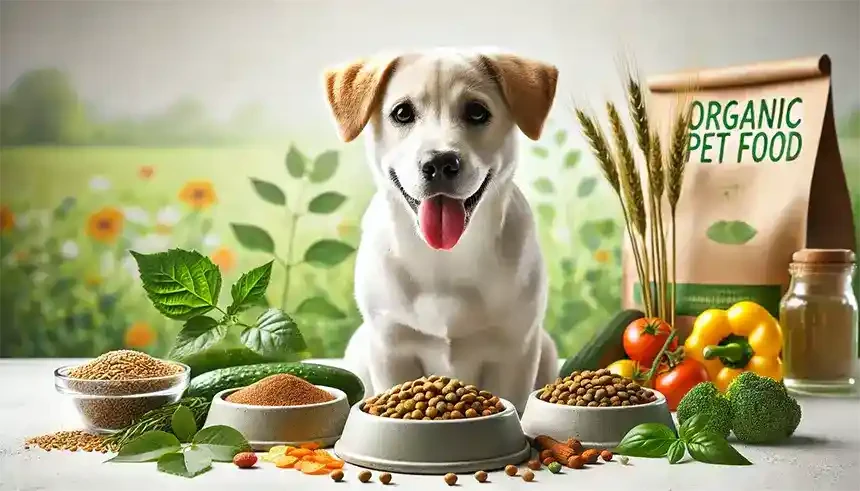
Consumer demand is driving the pet industry toward greater transparency, sustainability, and animal welfare accountability. The market for locally sourced, ethically produced organic pet food is expanding rapidly, supported by technological advances in supply chain traceability and innovative ingredient sourcing. Pet owners seeking trustworthy local options benefit from regional brands and retailers prioritizing quality and ethical standards.
Ongoing collaboration among local farms, certifying bodies, and pet food manufacturers is essential to address sourcing challenges and elevate industry benchmarks. Future developments are expected to enhance the integration of regenerative agriculture, plant-based innovation, and welfare certification to deliver nutritious, environmentally responsible pet food.
FAQ
What defines human-grade pet food and why is it important?
Human-grade pet food is made from ingredients that meet food safety standards suitable for human consumption. This ensures higher quality, freshness, and nutritional value, reducing the risk of contaminants or inferior additives found in conventional pet foods. Human-grade pet food supports better digestion and overall pet health.
How do Certified Humane standards impact pet food quality?
Certified Humane standards regulate animal living conditions, including space, access to outdoors, and humane handling. Pet food brands adhering to these standards source ingredients from farms that prioritize animal welfare, resulting in ethically produced meat with fewer stress-related contaminants, which can improve the nutritional quality of the final product.
Are vegan organic pet food options nutritionally adequate for pets?
Vegan organic pet foods formulated by reputable brands like Benevo and Yarrah are designed to meet the complete nutritional requirements of dogs and cats. These diets include supplemented amino acids, vitamins, and minerals to ensure balanced nutrition. However, pet owners should consult veterinarians before transitioning pets to vegan diets to monitor health and adjust feeding accordingly.
What role does local sourcing play in reducing the environmental impact of pet food?
Local sourcing shortens supply chains, reducing transportation emissions and energy consumption. It supports regenerative farming practices that restore ecosystems and improves ingredient traceability, allowing consumers to verify sustainability claims. Together, these factors contribute to lowering the overall environmental footprint of pet food production.
Where can consumers find locally sourced organic pet food in Southern California?
Retailers like Centinela Feed & Pet Supplies provide access to a wide range of locally sourced organic pet food brands across Southern California. Online platforms such as Only Natural Pet also offer nationwide distribution of natural and organic pet products, including those sourced from regional farms, facilitating convenient access for consumers.
—
This analysis highlights the intersection of local sourcing, certification, sustainability, and nutritional quality shaping the organic pet food sector. Pet owners prioritizing health and environmental responsibility can leverage trusted brands and retailers emphasizing transparency and ethical production, contributing to a more sustainable future for pet nutrition.