

Upcycling Old Materials for Pet Toys Drives Sustainable Innovation
PawVerde.com – Upcycling old materials into pet toys has emerged as a pivotal innovation in the pet care industry, combining sustainability with economic sensibility. In 2026, the shift toward eco-friendly pet products is driven by advancements in recycled and upcycled materials, rigorous safety certifications, and circular manufacturing processes that minimize environmental impact. Leading brands such as West Paw and Cycle Dog have pioneered the use of recycled post-consumer plastics and natural fibers, creating durable, non-toxic toys designed for infinite recyclability. This trend aligns with growing consumer demand for sustainable pet ownership, offering cost-effective alternatives to conventional pet toys while reducing landfill waste and plastic pollution.
The integration of DIY upcycling projects and community-driven programs has further expanded consumer engagement, enabling pet owners to contribute directly to environmental conservation. These developments underscore a transformative movement in pet products, where innovation, safety, and circular economy principles converge to redefine sustainable pet care.
Leading Brands and Material Innovations in Upcycled Pet Toys
West Paw’s Zogoflex® line exemplifies innovation in upcycled pet toys, utilizing recycled thermoplastic elastomers (TPE) sourced primarily from post-consumer plastics. This material not only offers remarkable durability but also supports an infinite recycling loop, allowing worn toys to be returned and remanufactured into new products. West Paw’s certification as a B-Corp affirms its commitment to environmental responsibility and social governance, ensuring that its manufacturing processes meet stringent sustainability standards. The brand’s FDA-compliance for non-toxic materials further guarantees pet safety, a critical factor amid concerns about recycled material quality.
Cycle Dog has distinguished itself by transforming discarded bicycle inner tubes and recycled plastic bottles into resilient chew toys and tug ropes. This approach leverages industrial rubber and plastic waste, diverting these materials from landfills. Cycle Dog’s products marry durability with eco-conscious design, addressing both pet entertainment and environmental stewardship. Their collaboration with TerraCycle programs enhances circularity by facilitating mail-back recycling options for worn-out toys.
Beco Pets and Multipet focus on natural and post-consumer materials such as bamboo fiber, natural rubber, and recycled plastics. Beco Pets’ use of biodegradable and sustainable raw materials complements Multipet’s incorporation of recycled plastics in their toy lines. These brands balance material innovation with cost-effectiveness, offering consumers affordable yet environmentally responsible pet toys. Their initiatives also include partnerships with certification agencies to validate the eco-friendliness and safety of their products.
Safety Standards and Certifications for Recycled and Upcycled Pet Toys
Safety remains paramount in the adoption of recycled materials for pet toys. FDA compliance ensures that materials used are free from harmful chemicals and toxins, a necessity given pets’ frequent chewing and mouthing behaviors. Brands like West Paw and Cycle Dog undergo rigorous testing for material safety, durability, and pet suitability, often exceeding regulatory minimums. Durability ratings, such as those developed in collaboration with veterinary experts, help consumers select toys appropriate for their pets’ size and chewing intensity.
Despite these safeguards, risks associated with poorly processed recycled materials persist, including potential chemical leaching and ingestion hazards due to brittle or degraded plastics. To mitigate such risks, manufacturers employ advanced purification and remanufacturing techniques, ensuring recycled plastics meet stringent quality controls. Certifications like the B-Corp and third-party environmental audits provide transparency and reinforce consumer trust by validating the ethical sourcing and production processes.
DIY Upcycling: Cost-Effective and Customizable Pet Toys
DIY upcycling offers pet owners a practical avenue to create sustainable toys, reducing reliance on commercial products while customizing designs to their pets’ preferences. Popular projects include transforming old t-shirts into braided tug toys, repurposing denim scraps into chewable balls, and weaving fabric strips into durable ropes. These methods not only extend the lifecycle of textiles but also minimize landfill contributions.
Community programs such as Pawty Animals’ RePawpose initiative actively encourage consumer participation in upcycling efforts. By sharing DIY instructions and promoting the #RePawpose hashtag on social platforms like TikTok’s ProblemSolved channel, Pawty Animals fosters an engaged eco-conscious community. This grassroots movement supports environmental education and spreads awareness about the tangible benefits of upcycling in pet care.
Circular Manufacturing and Recycling Programs in the Pet Toy Industry
Circular manufacturing has become a cornerstone of sustainable pet product innovation. ecoBirdy’s proprietary recycling process exemplifies this approach by reclaiming plastic from broken toys and transforming it into high-quality raw materials known as ecothylene®. This closed-loop system reduces virgin plastic demand and curtails plastic pollution.
Mail-back programs, often facilitated by brands and partners like TerraCycle, provide consumers with accessible options to recycle worn-out pet toys responsibly. These initiatives collect used toys, which are then processed into recyclable pellets or repurposed into new products. Such programs enhance product lifecycle management and support industry-wide sustainability goals.
Environmental Impact and Consumer Advantages of Upcycled Pet Toys
Upcycled pet toys contribute significantly to plastic waste reduction by diverting post-consumer materials from landfills and oceans. Estimates indicate that pet toy manufacturing accounts for a measurable share of plastic consumption in the pet care sector, with upcycled alternatives potentially reducing this footprint by up to 50% when widely adopted. The use of biodegradable materials further mitigates long-term environmental impacts, as these components break down more readily in natural settings.
Consumers benefit from upcycled toys beyond environmental impact, enjoying cost savings due to the lower raw material costs associated with recycled inputs and DIY projects. Additionally, many upcycled toys exhibit enhanced durability, translating to longer product lifespans and reduced replacement frequency. This durability is corroborated by consumer reviews and durability testing data published by brands like West Paw and Cycle Dog.
Future Directions of Upcycled Pet Toys and Responsible Pet Ownership
The trajectory of upcycled pet toys points toward greater integration of circular economy principles, increased transparency through certifications, and enhanced consumer participation in sustainability programs. Emerging material innovations, such as bio-based polymers and nanocellulose composites, promise to further elevate the ecological profile and performance of pet toys.
Pet owners are encouraged to adopt multi-faceted approaches combining brand-supported recycling initiatives, DIY upcycling, and informed purchasing decisions based on safety certifications and durability ratings. This holistic engagement fosters responsible pet ownership aligned with global environmental goals.
FAQ
What materials are commonly used in upcycled pet toys?
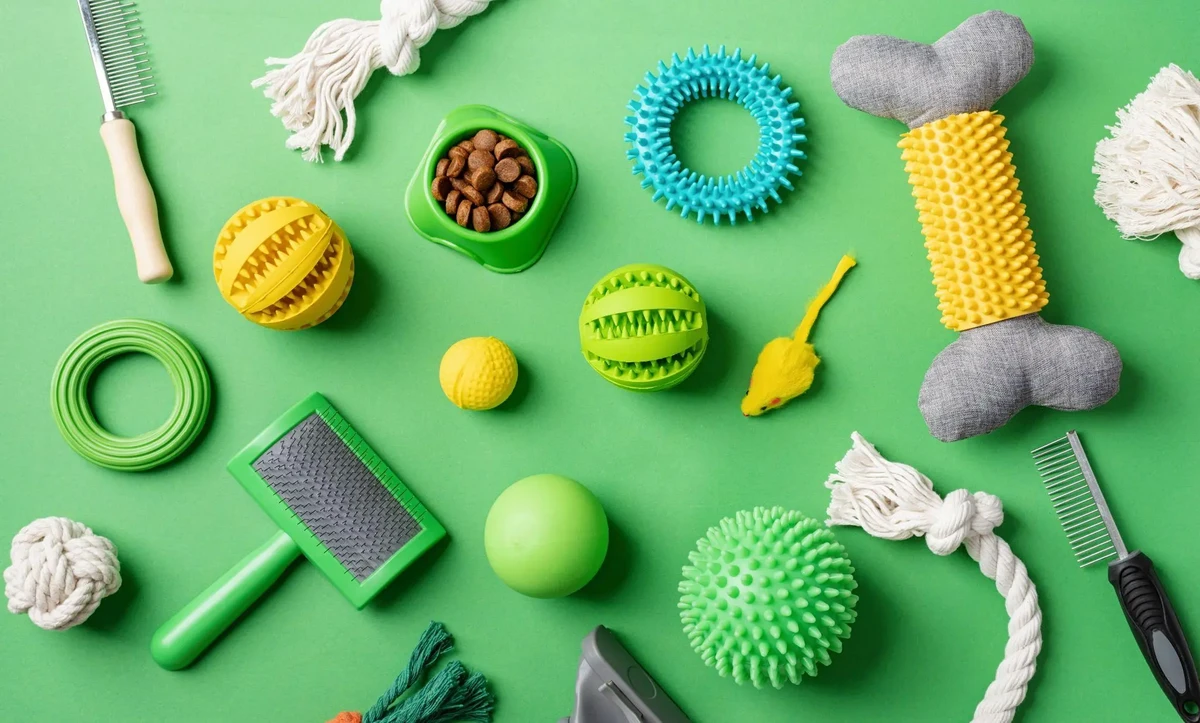
Upcycled pet toys typically incorporate recycled post-consumer plastics such as thermoplastic elastomers (TPE), natural rubber, bamboo fibers, and repurposed textiles like denim and cotton. These materials are selected for durability, safety, and environmental impact, often undergoing FDA-compliant processing.
Are upcycled pet toys safe for aggressive chewers?
Brands like West Paw and Cycle Dog rigorously test their upcycled toys for durability and safety, offering products with specific ratings for aggressive chewers. However, pet owners should always inspect toys regularly and select products suited to their pet’s chewing behavior to prevent ingestion of small parts.
How do circular manufacturing programs work for pet toys?
Circular manufacturing involves reclaiming used or broken toys and recycling them into raw materials for new products. Programs like ecoBirdy’s ecothylene® process and TerraCycle mail-back services facilitate this by collecting worn toys, processing them to remove contaminants, and remanufacturing them into high-quality pet toys, reducing reliance on virgin plastics.
Can I make effective upcycled pet toys at home?
Yes. DIY upcycling projects using materials like old t-shirts, denim scraps, and fabric ropes can produce durable and safe pet toys. Following community-shared instructions, such as those from Pawty Animals’ RePawpose program, ensures toys are made with pet safety and durability in mind.
What certifications should I look for when choosing upcycled pet toys?
Look for FDA compliance, B-Corp certification, and third-party environmental audits that verify material safety, non-toxicity, and sustainable manufacturing practices. These certifications indicate a brand’s commitment to quality, pet safety, and environmental responsibility.
—
As pet product innovation advances, the fusion of recycled materials, safety certifications, and circular manufacturing will increasingly define the upcycled pet toy market. Continued development of eco-conscious consumer programs and DIY initiatives will further embed sustainability into everyday pet care, offering a pragmatic pathway to reduce environmental impact while enhancing pet wellness and owner satisfaction.
Eco-Friendly Pet Cleaning Routine: Step-by-Step Guide to Green Grooming
PawVerde.com – An eco-friendly pet cleaning routine prioritizes biodegradable shampoos, reusable grooming tools like bamboo brushes, and natural cleaning products to minimize environmental impact while ensuring pet health. This tutorial outlines actionable steps to establish a sustainable grooming and cleaning regimen, covering pet bathing, bedding care, stain removal, and odor control using non-toxic ingredients and waste-reducing practices. By integrating certified organic and cruelty-free products, conserving water, and adopting proper disposal methods, pet owners can protect their animals and contribute to environmental sustainability.
Step 1: Minimizing Waste and Selecting Sustainable Pet Cleaning Products
Choosing eco-friendly pet cleaning products begins with avoiding single-use disposables and plastic-packaged items. Opt for grooming tools crafted from sustainable materials such as bamboo brushes or combs made of recycled stainless steel, which reduce plastic waste and offer durability. Biodegradable pet shampoos certified organic by USDA or bearing cruelty-free labels ensure transparency and safety. Avoid shampoos containing sulfates, parabens, synthetic fragrances, or undisclosed chemicals, which can harm pets and ecosystems.
To identify genuine eco-friendly products, scrutinize ingredient lists and certifications. Products like Seventh Generation natural detergents and Kids ‘N’ Pets enzyme-based stain removers exemplify transparency and effectiveness. Beware of greenwashing tactics, where vague claims like “natural” or “eco-friendly” lack substantiation. Prioritize brands with clear labeling and third-party verification to align with sustainable pet care goals.
Step 2: Sustainable Grooming Techniques for Your Pet
Bathing frequency significantly influences environmental impact. Veterinarians recommend bathing pets every two to four weeks unless medically necessary, reducing water and energy use. When bathing, use natural shampoos containing ingredients like oatmeal, aloe vera, or castile soap, which soothe skin without harsh chemicals. Avoid over-bathing to maintain natural oils essential for pet coat health.
Nail trimming should employ sustainable grooming scissors made from recycled materials or bamboo handles. These tools maintain sharpness while minimizing ecological footprint. For ear and eye care, use natural products like EcoEars, formulated with plant-based ingredients that prevent irritation and infections without chemical residues.
Regular brushing with bamboo or recycled metal brushes reduces shedding and controls odors naturally, decreasing reliance on deodorizing sprays containing synthetic compounds. This routine also minimizes pet dander accumulation, improving indoor air quality for household members.
Step 3: Cleaning Pet Bedding and Toys Naturally
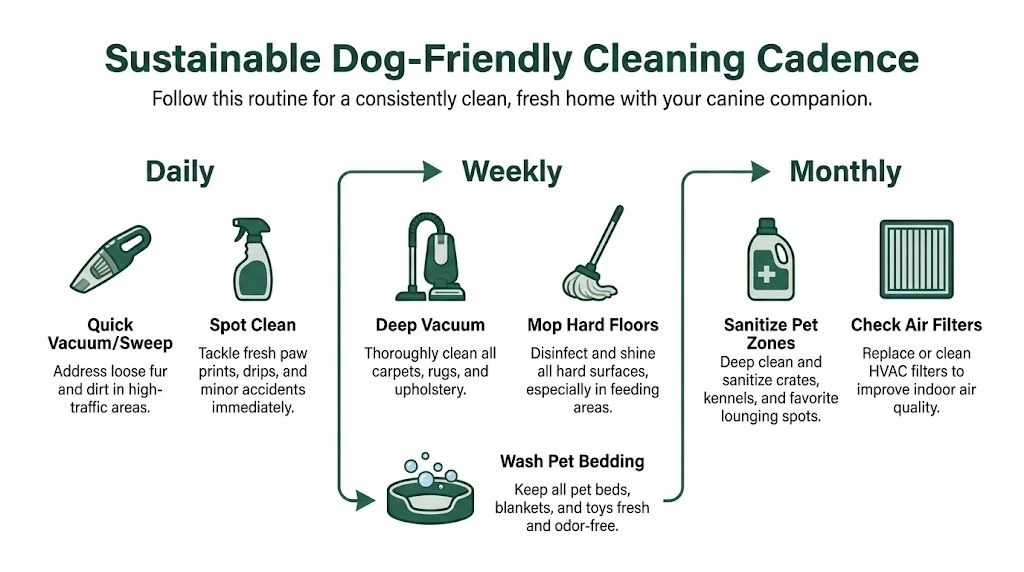
Maintaining clean pet bedding is crucial for hygiene and odor control. Begin by removing hair and dander using lint rollers or vacuum cleaners with HEPA filters to capture allergens effectively. Wash bedding in cold or warm water with unscented, eco-friendly detergents like Seventh Generation’s natural formula. Adding a white vinegar rinse neutralizes odors and softens fabrics without synthetic fabric softeners.
For non-washable items such as certain toys or cushions, sprinkling baking soda absorbs odors. Let items sit for 15-30 minutes before vacuuming thoroughly. Wash pet toys regularly using pet-safe detergents to avoid chemical residues that could harm pets upon chewing or licking. Choosing toys made from natural or recycled materials further supports sustainability.
Step 4: Managing Stains and Odors with Natural Solutions
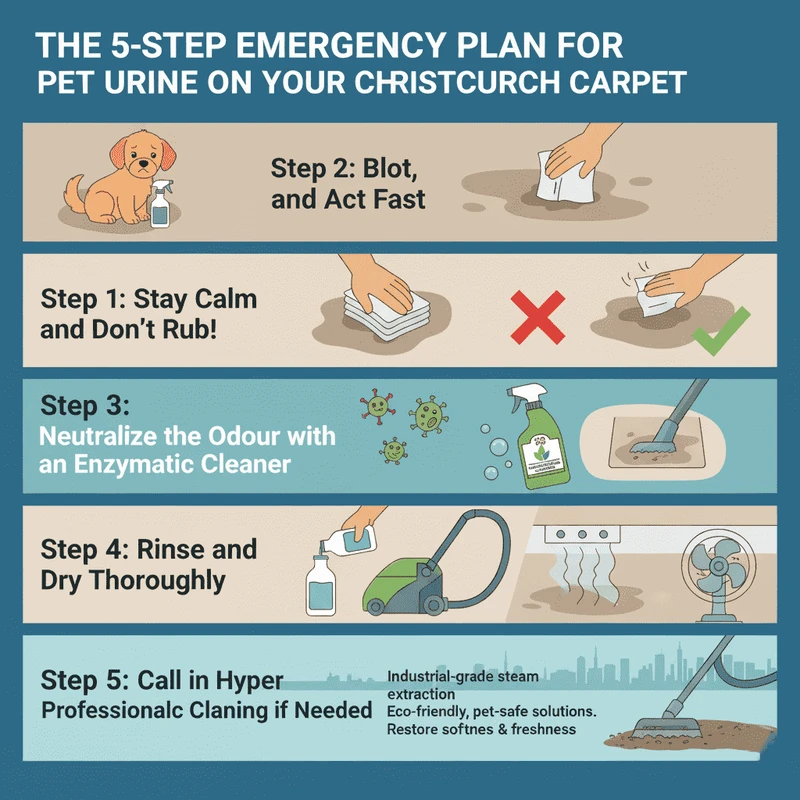
Pet stains and odors require targeted treatments that avoid toxic chemicals. Enzyme-based stain removers like Kids ‘N’ Pets break down organic matter effectively without harsh solvents. For homemade cleaners, combine baking soda, hydrogen peroxide, and castile soap to create a powerful stain remover safe for pets and fabrics. Apply this mixture on stains, let it sit for 10-15 minutes, then blot with a clean cloth.
Odor neutralization can be achieved using diluted vinegar sprays or natural deodorizing sprays infused with essential oils such as lavender or eucalyptus, which also have antimicrobial properties. Avoid synthetic fragrances that can trigger allergies or respiratory issues in pets. Regular cleaning of areas prone to accidents reduces buildup and maintains a fresh environment.
Step 5: Maintaining an Eco-Friendly Home Environment for Pet Care
Ensuring a sustainable pet cleaning routine extends to the home environment. Proper ventilation during cleaning minimizes inhalation of any residual odors or airborne particles. Store all cleaning products securely and out of pets’ reach to prevent accidental ingestion.
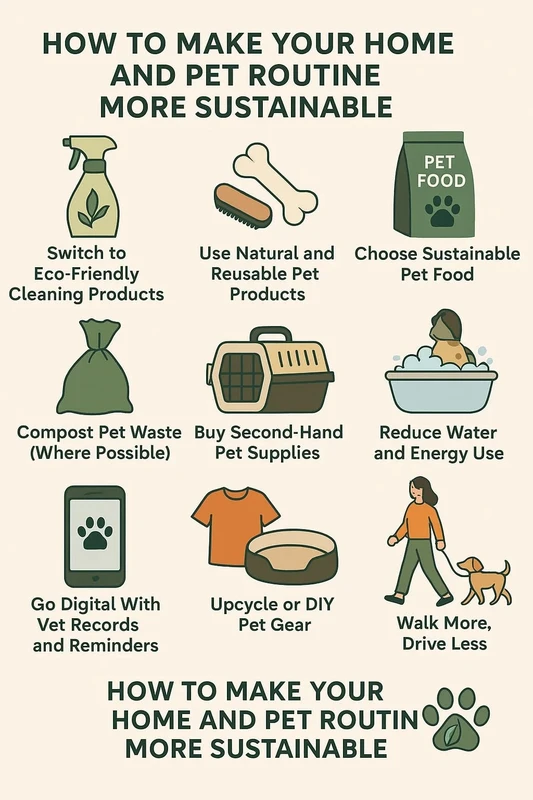
Composting organic pet waste, such as hair or untreated bedding materials, reduces landfill contributions. Recycle or donate old pet supplies whenever possible to extend product life cycles. Supporting green businesses that utilize bulk packaging or refill stations helps lower plastic consumption and packaging waste.
Installing water-efficient shower heads for pet baths can further reduce water usage without compromising cleanliness. Combining these practices cultivates an eco-conscious lifestyle that benefits pets, owners, and the planet.
Troubleshooting Common Issues in Eco-Friendly Pet Cleaning
- Solution: Increase frequency of washing pet bedding and toys; use enzyme-based cleaners to break down odor-causing residues thoroughly. Ensure proper drying to prevent mold growth.
- Solution: Test a small patch of skin before full bath; select hypoallergenic formulas free from essential oils that may cause sensitivity; consult veterinarian if irritation persists.
- Solution: Apply DIY enzyme-based cleaner multiple times with blotting; avoid scrubbing which can embed stains deeper; consider professional eco-friendly upholstery cleaning if necessary.
- Solution: Maintain tools by cleaning after use and drying completely; replace when bristles or handles degrade; purchase high-quality bamboo products certified for durability.
Alternative Methods for Eco-Friendly Pet Cleaning
FAQ
How often should I bathe my pet using natural shampoos?
Bathing every two to four weeks is generally sufficient for most pets, balancing cleanliness and skin health while conserving water and energy. Over-bathing can strip natural oils, so adjust frequency based on your pet’s coat type and activity level.
Are biodegradable pet shampoos as effective as conventional ones?
Yes, biodegradable shampoos with plant-based ingredients effectively clean without harsh chemicals. They maintain pet skin integrity and reduce environmental harm, though choosing certified organic and cruelty-free brands ensures quality.
Can I use household vinegar and baking soda directly on pet stains?
Diluted vinegar and baking soda can safely neutralize odors and clean minor stains. However, for heavy or protein-based stains, enzyme-based removers like Kids ‘N’ Pets provide more thorough cleaning without harming fabrics or pets.
What grooming tools are best for eco-conscious pet owners?
Tools made from bamboo, recycled stainless steel, or other sustainable materials are durable and reduce plastic waste. Bamboo brushes and combs also have natural antimicrobial properties, enhancing hygiene.
How can I reduce plastic waste in my pet cleaning routine?
Purchase products in bulk or refillable containers, choose packaging made from recycled materials, and reuse or recycle grooming tools and containers. Supporting companies with green business practices helps minimize plastic pollution.
Adopting a comprehensive eco-friendly pet cleaning routine offers measurable benefits in health, cost savings, and environmental impact. By integrating certified natural products, sustainable grooming tools, and mindful cleaning practices, pet owners create a safer, greener home. Continuing to explore innovative green pet care solutions and supporting eco-conscious brands will further advance sustainable pet lifestyles in the years ahead.
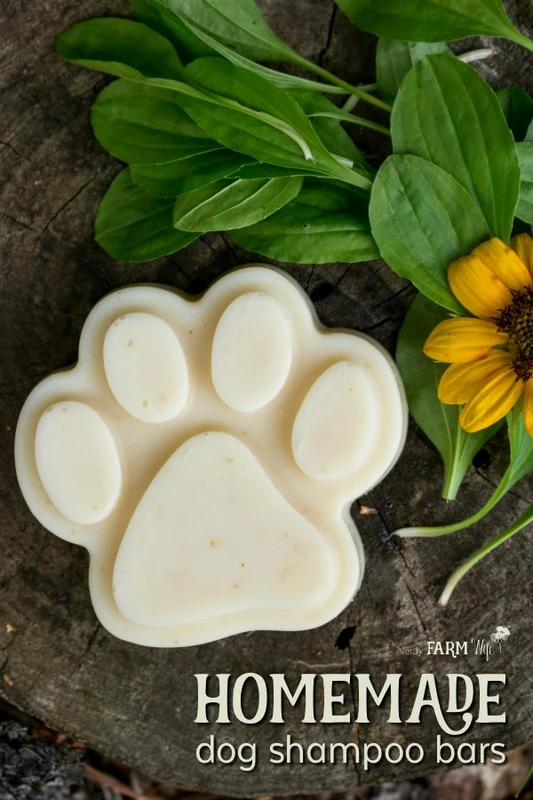
How to Make DIY Eco-Friendly Pet Shampoo Safely & Effectively
PawVerde.com – Creating an effective and safe DIY eco-friendly pet shampoo requires a careful balance of natural ingredients that cleanse, soothe, and protect your pet’s skin and coat without harsh chemicals. This guide delivers detailed, step-by-step instructions to craft a gentle shampoo using castile soap, coconut oil, aloe vera gel, and carefully selected essential oils, ensuring pet comfort and health while supporting sustainable grooming practices.
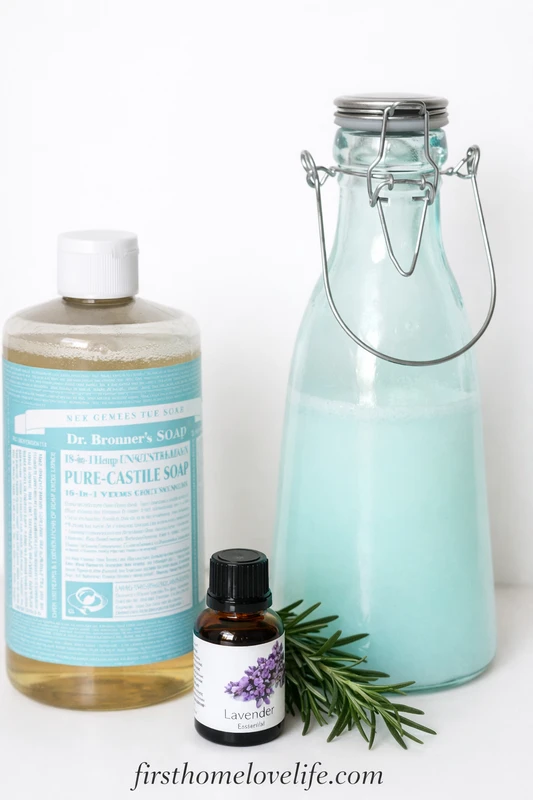
Castile soap serves as the gentle cleansing base, renowned for its plant-derived, biodegradable properties that clean without stripping natural oils. Coconut oil adds moisturizing and conditioning benefits, enhancing coat shine and reducing dryness. Aloe vera gel contributes potent skin-soothing and hydrating effects, ideal for sensitive or irritated skin. Safe essential oils such as lavender, chamomile, and bergamot provide natural fragrance and flea-repellent qualities, while avoiding toxic oils like tea tree and certain citrus variants is critical for pet safety. Additional ingredients like apple cider vinegar, vitamin B5 (panthenol), glycerin, and soil-based probiotics further elevate the shampoo’s skin health benefits and natural pest control.
| Ingredient | Function | Pet Safety Notes |
|---|---|---|
| Castile Soap | Mild natural cleanser, biodegradable | Safe, avoid scented or harsh additives |
| Coconut Oil | Moisturizes and conditions coat | Safe in low amounts; avoid ingestion in large quantities |
| Aloe Vera Gel (Non-GMO) | Soothes, hydrates irritated skin | Ensure pure, pet-safe formulation |
| Lavender Essential Oil | Calming, flea repellent | Use diluted; avoid in cats with respiratory issues |
| Chamomile Essential Oil | Anti-inflammatory, soothing | Safe in low dilution |
| Bergamot Essential Oil | Natural fragrance, flea deterrent | Avoid photosensitivity; dilute thoroughly |
| Apple Cider Vinegar | Deodorizes, balances skin pH | Dilute well; avoid open wounds |
| Vitamin B5 (Panthenol) | Supports skin repair and hydration | Safe topical use |
| Glycerin | Humectant, retains moisture | Use cosmetic grade; non-toxic |
| Probiotics (Soil-Based) | Supports healthy skin microbiome | Use pet-safe strains; topical use only |
Essential Ingredients for DIY Eco-Friendly Pet Shampoo
This section explains the role of each main ingredient and highlights safety precautions critical to pet health.
- Apple Cider Vinegar: Used sparingly for odor neutralization and pH balancing.
- Vitamin B5 (Panthenol): Enhances skin repair and hydration.
- Glycerin: Acts as a humectant to retain moisture.
- Probiotics: Soil-based probiotics support the skin’s natural microbiome and barrier function.
Step-by-Step Preparation Process
Follow these precise steps to create your natural pet shampoo, ensuring proper mixing and ingredient integration for efficacy and safety.
- Unscented liquid castile soap (1 cup)
- Fractionated coconut oil (2 tablespoons)
- Aloe vera gel (2 tablespoons)
- Distilled or filtered warm water (1 cup)
- Essential oils: lavender (10 drops), chamomile (5 drops), bergamot (5 drops)
- Optional: apple cider vinegar (1 tablespoon), glycerin (1 teaspoon), vitamin B5 powder (1/4 teaspoon), soil-based probiotic powder (1/4 teaspoon)
- Mason jar or a pump bottle with airtight seal for storage
- Measuring spoons and small mixing bowl
- In a small bowl, dissolve vitamin B5 and probiotic powders in a tablespoon of warm water to ensure even distribution. This prevents clumping and improves absorption.
- Pour castile soap and distilled water into the mason jar or mixing container.
- Add fractionated coconut oil and aloe vera gel. Gently stir or swirl to combine without creating excessive foam.
- Incorporate the vitamin B5 and probiotic solution.
- Add glycerin and apple cider vinegar if using. Mix gently.
- Add essential oils dropwise, adhering strictly to recommended dilution ratios to avoid skin sensitivity.
- Seal the container and shake gently to distribute oils uniformly.
- Label the container with the date of preparation.
- Store in a cool, dark place to preserve ingredient potency. Avoid prolonged storage beyond two weeks due to absence of preservatives.
Application and Usage Guidelines
Proper shampoo application maximizes benefits while minimizing risks of irritation or ineffective cleaning.
- Brush your pet’s coat thoroughly to remove loose fur and debris.
- Wet the fur completely with lukewarm water.
- Dispense a small amount (about a tablespoon for medium-sized dogs) onto your hands or a bathing mitt.
- Apply sparingly, focusing on the coat and avoiding eyes, nose, ears, and any broken skin.
- Massage gently to create a light lather, ensuring even coverage.
- Rinse thoroughly with clean lukewarm water to remove all shampoo residue, which could cause irritation if left on skin.
- Towel dry your pet or use a low-heat dryer setting. Avoid excessive heat that can dry out the skin.
- Use this shampoo no more than once every two weeks unless directed otherwise by a veterinarian. Overuse may strip natural oils.
Additional Tips and Variations
Explore alternative approaches and customizations to suit different seasons, coat types, and skin conditions.
Safety and Environmental Considerations
Understanding ingredient safety and ecological impact is vital when crafting homemade pet shampoos.
Troubleshooting Common Issues
Common Mistakes to Avoid
FAQ
Can I use any essential oils in homemade pet shampoo?
Only select essential oils known to be pet-safe, such as lavender, chamomile, and bergamot, and always dilute heavily. Avoid oils like tea tree, citrus, and peppermint which are toxic or irritating to pets.
How often should I bathe my dog with homemade shampoo?
Generally, limit baths to once every two weeks to prevent drying out the skin. Adjust frequency based on your pet’s coat type, lifestyle, and any veterinary advice.
Is castile soap safe for all pets?
Castile soap is safe for most dogs and cats when unscented and free from harsh additives. However, always patch test and monitor for allergic reactions.
How should I store my DIY pet shampoo?
Store the shampoo in an airtight container such as a mason jar or pump bottle, kept in a cool, dark place. Use within two weeks due to absence of preservatives.
Can I add probiotics to pet shampoo?
Yes, soil-based probiotics can support the skin microbiome and improve skin health. Use pet-safe probiotic strains and add in small amounts dissolved before mixing.
—
Crafting your own eco-friendly pet shampoo at home using natural ingredients like castile soap, coconut oil, and aloe vera gel empowers you to provide gentle, effective grooming free from harsh chemicals. Following these detailed instructions ensures safety, skin nourishment, and environmental responsibility, while customizable options allow tailoring to individual pet needs and preferences. Embrace sustainable pet care by preparing fresh batches regularly, observing proper storage, and respecting your pet’s unique sensitivities for optimal skin and coat health.