

How to Travel Sustainably with Pets: Step-by-Step Guide
PawVerde.com – Traveling with pets sustainably requires deliberate choices to reduce environmental impact while maintaining pet comfort and safety. This tutorial guides eco-conscious pet owners through selecting sustainable gear, grooming on the go, waste reduction, green accommodations, low-carbon transportation, and natural health management. Applying these practical steps ensures your pet travels with minimal ecological footprint.
Selecting Sustainable Travel Gear for Your Pet
Choosing the right travel gear forms the foundation of eco-friendly pet travel. Begin by prioritizing durability and non-toxic materials to reduce waste and exposure to harmful chemicals.
Natural rubber and hemp toys offer longevity and biodegradability, reducing plastic waste common in synthetic products. Brands using these materials often avoid harmful dyes and additives, promoting safer play during travel.
Select pet carriers composed of recycled plastics or fabrics certified for environmental standards. These carriers reduce resource consumption and often feature breathable, lightweight designs that improve pet comfort without sacrificing sustainability.
Bring collapsible bowls made from silicone or stainless steel for water and food. For waste disposal, biodegradable poop bags made from plant-based polymers break down faster than conventional plastic, minimizing landfill contribution.
Choose items like durable leashes and harnesses made from recycled nylon or organic cotton that withstand repeated use. Multi-functional gear reduces the need to carry excess items, cutting down travel weight and waste.
Eco-Friendly Pet Grooming While Traveling
Maintaining pet hygiene sustainably on the road prevents environmental contamination and promotes pet health without harsh chemicals.
Before departure, bathe your pet with biodegradable, plant-based shampoos free from sulfates and parabens. These products rinse cleanly, reducing the risk of waterway pollution during subsequent outdoor activities.
Carry biodegradable grooming wipes infused with natural oils to clean dirt and allergens without water. Use brushes made from sustainably sourced wood or recycled plastics to remove loose fur and maintain coat health.
After travel, groom your pet thoroughly to remove any stuck debris and reduce allergen buildup, which can affect pet and owner health. Use natural conditioners and detanglers that avoid synthetic fragrances and chemicals.
Packing Smart: Reducing Waste and Stress
Efficient packing reduces environmental impact and eases travel logistics for you and your pet.
Replace disposable plastic bags and wraps with reusable fabric pouches or beeswax wraps for organizing pet essentials. These materials are washable and compostable, decreasing single-use waste.
Hydration supplies should minimize disposable plastic use. Collapsible silicone bowls and stainless steel water bottles are lightweight, durable, and easy to clean, making them ideal for travel.
Pack all-purpose eco-friendly pet-safe cleaners made from natural ingredients such as vinegar and essential oils. These reduce chemical exposure and allow quick cleanup without harming the environment.
Choosing Green and Pet-Friendly Accommodations
Selecting lodging that aligns with sustainable values enhances a responsible travel experience for you and your pet.
Look for accommodations with recognized environmental certifications such as LEED, Green Key, or EarthCheck that also welcome pets. These hotels demonstrate commitment to energy efficiency, waste reduction, and eco-friendly operations.
Crystalbrook Albion in Sydney exemplifies a pet-friendly hotel with sustainability initiatives including carbon footprint offsets, water-saving technologies, and waste diversion programs. Copenhagen offers several eco-conscious hotels combining pet amenities with green practices.
Green accommodations often provide amenities like pet waste stations with biodegradable bags, natural landscaping free of pesticides, and access to walking trails, improving both pet wellbeing and owner satisfaction.
Sustainable Transportation Options
Transportation choices heavily influence overall travel emissions. Incorporate low-carbon options wherever possible.
Walking and cycling emit zero carbon and offer exercise benefits for pets. Train travel reduces carbon emissions by approximately 66-75% compared to cars or planes, making it a superior sustainable choice when accessible.
| Transport Mode | Average CO₂ Emissions (kg per passenger km) | Pet Accessibility |
|---|---|---|
| Walking | 0 | High |
| Cycling | 0 | Moderate (depends on pet size) |
| Train | 0.014 | High (often pet-friendly carriages) |
| Car | 0.192 | High |
| Airplane | 0.254 | Limited (restricted pet policies) |
Map out travel itineraries that prioritize public transit and pedestrian pathways. Avoid peak traffic times to reduce emissions and stress for your pet. Reserve pet-friendly train compartments or buses in advance to ensure compliance.
Natural Health and Allergy Management on the Go
Managing pet health sustainably during travel reduces reliance on synthetic medications and minimizes environmental contamination.
Employ natural anti-inflammatory supplements such as omega-3 fatty acids, quercetin, or local honey to alleviate allergies. Consult veterinary guidance to integrate these safely.
Ensure balanced diets with organic or sustainably sourced pet food. Use herbal flea and tick repellents instead of chemical pesticides. Regular hydration and exercise during travel support overall wellbeing.
Supporting Eco-Friendly Pet Ownership Beyond Travel
Sustainability extends beyond travel to daily pet care practices and community engagement.
Adopting pets reduces demand for breeding operations, lowering environmental costs associated with pet production. Many shelters promote eco-friendly pet care education.
Incorporate biodegradable waste bags, natural grooming products, and durable toys made from recycled or natural materials into daily routines. These choices cumulatively reduce ecological footprints.
Participate in local pet waste clean-up initiatives and advocate for green pet policies. Sharing sustainable travel experiences can inspire others to adopt eco-conscious habits.
Common Mistakes and Troubleshooting in Eco-Friendly Pet Travel
Avoid bringing excess disposable items that increase waste. Focus on multi-use, durable products to streamline packing.
Research pet policies for public transit and accommodations beforehand to prevent last-minute issues or forced car travel.
Choose certified natural grooming supplies to avoid polluting waterways during outdoor cleaning.
Balance eco-friendliness with your pet’s safety and comfort; for example, ensure carriers meet size and ventilation standards.
Alternative Methods for Sustainable Pet Travel
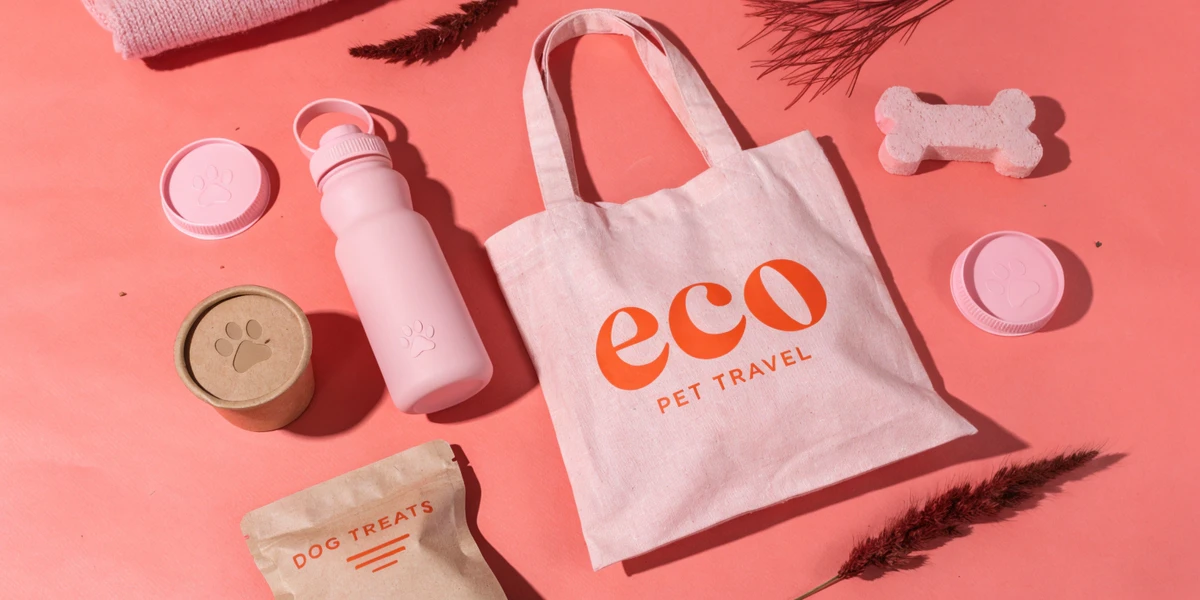
If traditional eco-friendly gear or accommodations are unavailable, consider:
FAQ

What are the best sustainable materials for pet travel gear?
Natural rubber, hemp, recycled nylon, and organic cotton are top sustainable choices due to their durability, biodegradability, and low environmental impact.
How can I minimize pet travel emissions if I must use a car?
Optimize your route to reduce driving distance, carpool when possible, use fuel-efficient vehicles, and combine errands to limit trips.
Are biodegradable poop bags truly better for the environment?
Yes, biodegradable bags made from plant-based materials break down faster in composting or landfill conditions, reducing plastic pollution compared to conventional bags.
Can pets stay in any eco-certified hotel?
Only those hotels that explicitly allow pets and hold eco-certifications can be considered green pet accommodations. Verify pet policies before booking.
How do I manage pet allergies naturally during travel?
Use veterinarian-approved natural supplements like omega-3 fatty acids and herbal remedies, maintain a clean environment, and avoid known allergens.
Traveling sustainably with your pet demands thoughtful preparation and adopting eco-conscious products, grooming, accommodations, and transportation. As environmental awareness grows, these practices will help reduce your pet’s carbon footprint while ensuring enjoyable and safe travel experiences.

Sustainable Pet Travel in 2026: How to Reduce Your Carbon Pawprint
PawVerde.com – Sustainable travel with pets in 2026 integrates environmental responsibility and animal welfare into the expanding trend of pet-inclusive journeys. With rising pet ownership worldwide and increasing demand for travel options that accommodate animals, pet owners face the challenge of reducing their carbon footprint while ensuring their pets’ safety and comfort. This evolution reflects broader shifts in tourism and transportation sectors prioritizing sustainability, regulatory compliance, and ethical treatment of animals during transit.
The adoption of eco-friendly airlines, electric vehicles, and reusable pet travel gear exemplifies how pet owners can balance environmental concerns with practical travel needs. Airlines now emphasize in-cabin pet policies over cargo transport due to welfare considerations, while electric vehicles (EVs) offer reduced emissions and advanced climate controls tailored for animals. Furthermore, supporting local pet services and selecting green accommodations contribute to a comprehensive sustainable travel experience for pets and their owners.
Choosing Eco-Friendly Transportation Options for Pet Travel
The airline industry in 2026 increasingly prioritizes sustainability through modern fleets, carbon offset programs, and transparent environmental commitments. Airlines such as Delta and Alaska Airlines have implemented policies favoring in-cabin transport for small pets, acknowledging that cargo travel poses heightened risks including stress and health complications. Cargo pet transport is now heavily restricted, with airlines and regulatory bodies like the CDC enforcing stricter guidelines to protect animal welfare.
Electric vehicles have emerged as an optimal choice for pet owners who prioritize sustainable ground travel. EVs produce zero tailpipe emissions, significantly reducing the carbon footprint of road trips compared to traditional combustion engines. Advanced climate control systems in EVs enable owners to maintain consistent temperatures tailored to pets’ needs, mitigating risks of heat stress or cold exposure during transit. Additionally, EVs operate with quieter engines, minimizing noise pollution that can distress animals.
Public transportation options, including pet-friendly trains and buses, have expanded in urban and suburban areas, providing accessible alternatives to car travel. Walking remains an eco-conscious choice at destinations, benefiting pet health and reducing dependency on motorized transport. Safe pedestrian infrastructure and pet travel etiquette have become focal points in urban planning to support these modes.
Sustainable Travel Gear and Preparation for Pets
Reusable pet travel gear reduces waste generated during trips and supports sustainability goals. Collapsible water bottles and bowls made from BPA-free, recycled plastics or silicone are widely recommended for maintaining hydration without disposable products. Bedding crafted from organic cotton or bamboo fabrics offers durability and biodegradability, while stainless steel food containers replace single-use packaging.
Selecting pet carriers that comply with airline size and weight restrictions while being made from eco-friendly materials is critical. Brands increasingly offer carriers constructed from recycled fabrics and sustainable polymers, combining durability with environmental responsibility. Lightweight yet sturdy carriers facilitate in-cabin travel, alleviating stress for both pets and owners.
Packing strategies emphasize minimizing single-use items. Owners are encouraged to bring refillable waste bags, natural fiber leashes, and compact grooming kits. Reducing plastic consumption aligns with broader conservation efforts, especially in sensitive natural habitats where pets may accompany their owners.
Navigating Regulations and Documentation for Pet Travel
Compliance with governmental and airline-specific regulations is essential to ensure legal and safe travel with pets. The Centers for Disease Control and Prevention (CDC) mandates a Dog Import Form for dogs entering the United States, verifying vaccination status and health information to prevent disease transmission. This form is a prerequisite for air travel into the U.S. and must be submitted in advance.
Airlines vary in their pet travel policies, with some requiring advance booking for in-cabin pets due to limited capacity. Understanding these policies, including carrier dimensions, weight limits, and prohibited breeds, helps owners secure appropriate arrangements. PetAirways, Animal Air Cargo, and Happy Tails Travel exemplify specialized pet transport companies that manage documentation, compliance, and logistics, often providing veterinary oversight and real-time GPS tracking to ensure animal welfare throughout the journey.
Quarantine compliance remains strict for international travel, with some countries imposing mandatory isolation periods for pets arriving from regions with specific disease risks. Travelers should consult official resources and engage professional pet transport services to navigate these complex requirements effectively.
Supporting Local Communities and Ethical Pet Services
sustainable pet travel extends beyond transportation, encompassing responsible engagement with local pet ecosystems. Travelers are encouraged to utilize veterinary clinics, shelters, and pet service providers that adhere to ethical standards and contribute positively to their communities. Avoiding mass-breeding facilities, puppy mills, and tourist attractions that exploit animals aligns with sustainable tourism principles.
Participation in local conservation initiatives, such as wildlife habitat protection and community education programs, fosters respect for native ecosystems. Pet owners can support these efforts by adhering to leash laws, preventing wildlife disturbance, and choosing eco-conscious pet activities. This approach enhances the overall sustainability of trips and reinforces animal welfare commitments.
Staying in Eco-Friendly, Pet-Friendly Accommodations
Pet-friendly accommodations have increasingly incorporated green initiatives to appeal to eco-conscious travelers. Hotels like Staybridge Suites offer apartment-style accommodations that facilitate pet care routines, reducing the need for disposable products and promoting comfort. These establishments implement energy-efficient systems, water conservation measures, and waste reduction programs, aligning hospitality with sustainability goals.
Amenities such as pet waste stations, designated exercise areas, and partnerships with local pet service providers enhance the travel experience while supporting environmental stewardship. Choosing accommodations certified by recognized green building programs ensures adherence to sustainable practices without compromising pets’ needs.
Ensuring Pet Welfare and Safety During Travel
Managing pet stress and comfort remains paramount in sustainable travel planning. In-cabin travel is preferred due to reduced exposure to extreme temperatures and handling risks associated with cargo transport. Frequent rest stops during road trips allow pets to exercise and hydrate, mitigating anxiety and physical discomfort.
Avoiding heat-related dangers, such as leaving pets unattended in vehicles, is critical. Electric vehicles’ remote climate controls provide additional safeguards by enabling owners to monitor and adjust cabin temperatures via smartphone applications. Selecting calming pet wellness products approved by veterinarians can further ease travel-related stress.
The Future of Sustainable Pet Travel
Emerging technologies promise to refine sustainable pet travel practices. Smart tracking devices integrated with biometric sensors provide real-time health monitoring, enabling prompt intervention during transit. No-sedation policies enforced by airlines and transport companies reflect growing awareness of pet welfare and safety.
Market trends indicate robust growth in eco-conscious pet travel services, driven by increased pet ownership and environmental awareness. Regulatory frameworks continue evolving to balance public health, animal welfare, and sustainability objectives, fostering innovation in pet transportation logistics and infrastructure.
Frequently Asked Questions
What are the current airline policies for traveling with pets in 2026?
Most airlines prioritize in-cabin pet travel for small animals, imposing strict size and weight limits for carriers. Cargo pet transport is highly restricted due to welfare concerns. Advance booking is typically required, and documentation such as vaccination records and health certificates must be provided. Airlines also enforce breed-specific restrictions and may require compliance with CDC import regulations.
How do electric vehicles benefit pet owners during travel?
Electric vehicles reduce carbon emissions and noise pollution, creating a quieter and cleaner environment for pets. Advanced climate control systems allow owners to remotely monitor and adjust the cabin temperature, ensuring consistent comfort. EVs contribute to a lower overall travel carbon footprint compared to combustion-engine vehicles.
What sustainable pet travel gear is recommended for eco-conscious travelers?
Reusable accessories such as collapsible water bottles and bowls made from recycled or silicone materials, organic cotton or bamboo bedding, and stainless steel feeding containers are recommended. Durable carriers constructed from recycled fabrics that meet airline specifications are preferred. Packing refillable waste bags and natural fiber leashes further reduces environmental impact.
How can pet owners ensure compliance with travel regulations when moving pets internationally?
Owners should secure necessary documentation, including the CDC Dog Import Form for U.S. entry, health certificates, and vaccination records. Consulting airline-specific pet policies and engaging professional pet transport companies can streamline compliance. Awareness of quarantine requirements for destination countries is essential to avoid delays or penalties.
What role do local pet services play in sustainable travel?
Ethical local pet services, including veterinary clinics and shelters, contribute to animal welfare and community well-being. Utilizing these services supports local economies and prevents exploitation associated with unethical breeding or animal tourism. Engaging with conservation initiatives and respecting local wildlife further reinforces sustainable travel ethics.
Sustainable pet travel in 2026 demands an integrated approach combining eco-conscious transportation choices, durable and reusable gear, regulatory compliance, engagement with ethical local services, and accommodations that support green initiatives. By adopting these practices, pet owners can significantly reduce the environmental impact of their journeys while ensuring their pets’ health and safety. The ongoing evolution of technology and regulations will continue to shape this dynamic landscape, encouraging further innovation and responsible travel behaviors.