
Regenerative Agriculture in Pet Nutrition: Trends & Truths
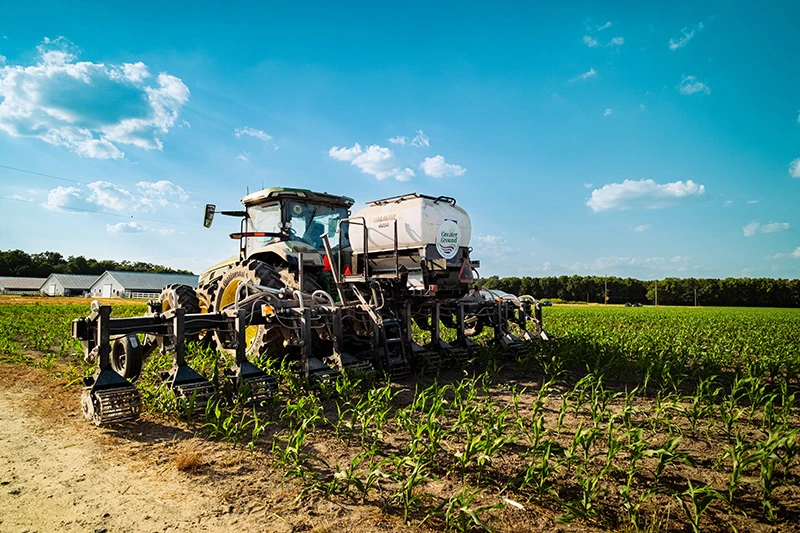
PawVerde.com – Major pet food manufacturers are shifting toward regenerative agriculture to secure supply chains and improve ingredient nutrient density. By prioritizing soil health through practices like cover cropping and reduced tillage, brands like Mars and Purina aim to sequester carbon and meet growing consumer demand for sustainable, high-quality pet nutrition. Mars Pet Nutrition North America has already committed $5 million through 2027 to assist with regenerative farming adoption.
Beyond ‘Sustainable’: Navigating the Regenerative Certification Maze
To distinguish genuine regenerative pet food from greenwashing, look for specific certifications like Regenerative Organic Certified (ROC) rather than vague “sustainable” claims. Legitimate regenerative agriculture focuses on five key pillars: soil health, carbon sequestration, water management, minimizing chemical inputs, and enhancing biodiversity, often verified by third-party measurement partners.
Greenwashing vs. High-Resolution Trust
Verifying environmental claims is a significant challenge for the pet food industry. While many brands use “sustainable” as a marketing label, specialized measurement partners like Regrow and Scoular are working to provide high-resolution data that tracks actual ecological improvements. This data-driven approach provides verifiable proof of carbon sequestration and soil health improvements.
The Role of Third-Party Verification
True regenerative practices require rigorous auditing to ensure they meet strict environmental standards. The industry is seeing a shift toward frameworks that prioritize:
- Soil health and organic matter accumulation
- Carbon sequestration monitoring
- Water management efficiency
- Minimization of synthetic chemical inputs
- Biodiversity enhancement
The Nutrient Density Argument: Soil Health and Ingredient Bioavailability
Regenerative agriculture aims to enhance nutrient density by restoring soil microbial life. Techniques such as diverse crop rotations and integrated livestock grazing can help revive the natural environment, improve biodiversity, and enhance the nutrient density of food, according to Anne Malleau, vice president of Agriculture and animal welfare Programs at Open Farm.
Adam Hardie, climate and sustainable sourcing lead at Mars Pet Nutrition North America, states, “It all starts with healthy soil. Soil is the foundation for growing high-quality ingredients for pet food.” This focus on the soil microbiome is intended to create a direct link between land management and the nutritional profile of the final pet product. Anne Malleau, vice president of Agriculture and Animal Welfare Programs at Open Farm, notes that by focusing on practices that restore ecological function, regenerative farming can help revive the natural environment, improve biodiversity and enhance the nutrient density of food.
This approach addresses the counterintuitive reality that higher yields in conventional farming do not necessarily equate to higher nutrient content. Instead, the focus shifts toward the quality of the soil’s biological activity. For brands like Loyal Saints, this means ensuring that the ingredients used in premium nutrition are grown in ways that support both the planet and the pet’s metabolic needs.
Industry Giants and the Race for Supply Chain Resilience
Major players in the pet nutrition sector are increasingly viewing regenerative agriculture as a tool for long-term supply chain stability. By investing in the land where their ingredients originate, these companies aim to mitigate the risks associated with soil degradation and climate volatility.
Purina has set a specific target to source 50% of its cereals and vegetable proteins from regenerative agriculture by 2030. This move is part of a broader industry trend where large-scale manufacturers are partnering with agribusiness leaders to scale these practices.
| Manufacturer | Strategic Focus | Key Partner/Context |
|---|---|---|
| Mars Pet Nutrition North America | Regenerative adoption funding | $5 million through 2027 |
| Purina | Cereal and vegetable protein sourcing | 50% target by 2030 |
| Open Farm | Regenerative certification focus | Direct sourcing models |
| Canidae | Sustainable ingredient sourcing | Regenerative transitions |
The transition involves complex partnerships across the supply chain. Agribusinesses such as ADM, The Andersons, Riceland Foods, Healthy Food Ingredients, and Anchor Ingredients play critical roles in managing the logistics and verification of these new ingredient streams. These collaborations are essential to move regenerative ingredients from the farm to the manufacturing facility at scale.
The Economic Reality: Price vs. Nutritional ROI
The market for regenerative pet food is experiencing rapid expansion. The market size was valued at 349.3 million USD in 2024 and is projected to reach 3,451.1 million USD by 2034, representing a compound annual growth rate (CAGR) of 25.7% during the forecast period.
Despite this growth, consumers face a significant price premium. The higher cost of regenerative pet food is driven by several economic factors:
- The high cost of transitioning from conventional to regenerative farming.
- Lower initial crop yields during the first years of soil restoration.
- The complexity and expense of third-party verification and auditing.
For many pet owners, the decision involves weighing the higher upfront cost against the potential nutritional ROI. While the premium is notable, proponents argue that the long-term benefits—including improved ingredient bioavailability and greater supply chain resilience—justify the investment in high-quality pet nutrition.
Transition Risks and the Cost of Conventional Farming
Conventional farming models, while highly productive, carry inherent risks that regenerative agriculture seeks to mitigate. Decades of intensive tillage and the heavy use of synthetic inputs have led to significant soil health reduction and nutrient depletion.
The scale of industrial protein production has grown dramatically, which places immense pressure on land and resources. For example, between 1980 and 2018, there was a 128.05% increase in broiler production and a 44.03% increase in turkey production. This rapid expansion has often occurred alongside declining soil organic matter, creating a cycle of dependency on synthetic fertilizers to maintain yields.
Warning: Relying on conventional intensive farming increases vulnerability to supply chain disruptions. Dependency on foreign vitamin imports and port disruptions can create significant instability in the pet food market. Furthermore, the reduction in soil health can lead to a direct decrease in the natural nutrient density of staple ingredients.
The shift toward regenerative practices aims to replace this dependency with a self-sustaining biological system. This transition is a critical component for companies aiming for net-zero emissions by 2050.
FAQ
How does regenerative agriculture affect my pet’s food?
Regenerative farming can help revive the natural environment, improve biodiversity, and enhance the nutrient density of food.
Why is regenerative pet food more expensive?
The premium is driven by higher costs of transition, lower yields during the initial years, and the complex verification required to prove regenerative practices.
What is the difference between ”sustainable’ and ”regenerative’?
While sustainability aims to maintain current levels, regenerative agriculture actively works to restore and improve soil health, biodiversity, and carbon sequestration.
Auditing Sustainable Pet Health and Nutrition Reports
PawVerde.com – Sustainable pet nutrition is a full-lifecycle challenge that balances environmental impact with biological necessity. While pet food accounts for 25-30% of the environmental impact of meat consumption in the US, true sustainability requires optimizing nutrient density and digestibility to ensure that reducing carbon footprints does not compromise pet health or increase waste. The environmental impact of pet food production is equivalent to the annual driving emissions of 13.6 million cars.
The Sustainability Report Auditor’s Checklist: Beyond the ‘Eco-Friendly’ Label
To audit a pet food sustainability report, look for specific metrics on water usage, carbon sequestration, and ingredient traceability rather than vague terms like ‘natural.’ A credible report must detail life-cycle analysis (LCA) data, provide evidence of ingredient sourcing transparency, and demonstrate how they manage nutrient density to minimize fecal waste.
Relying on marketing adjectives often leads to a failure in assessing actual ecological footprints. Industry analysts note that a common failure mode occurs when brands claim “sustainability” based on a single ingredient while ignoring the carbon-intensive logistics of their entire supply chain. To avoid this, consumers should look for data-backed disclosures similar to those provided by leaders such as The Honest Kitchen or Only Natural Pet.
Identifying Greenwashing Red Flags
Many products use the “natural” label to imply environmental stewardship, but this term lacks a strict regulatory definition in many contexts. A significant red flag is the absence of specific numbers regarding resource consumption. If a report does not mention water usage or CO2e (carbon dioxide equivalent) per kilogram of food, the claims remain unsubstantiated. Practitioners suggest checking if a brand provides a clear menu path for transparency, such as navigating through a website’s “Sustainability” > “Sourcing” > “Impact Report” section to find raw data.
Key Metrics for Real Impact
To conduct a rigorous assessment, auditors should prioritize these specific indicators:
- Life-cycle analysis (LCA) data covering production to disposal.
- Specific metrics on water footprint per ton of protein.
- Traceability percentages for primary protein sources.
- Nutrient digestibility rates to ensure minimal waste.
A counterintuitive reality is that simply choosing “eco-friendly” packaging may not yield significant benefits if the food inside is highly processed. Excessive temperature, pressure, or processing time during manufacturing can decrease protein and amino acid digestibility, which actually increases the environmental load by requiring more food to meet nutritional needs.
Nutrient Density vs. Carbon Footprint: A Comparative Protein Matrix
Life-cycle analysis indicates that protein selection is the primary driver of a pet food’s ecological footprint. Plant-origin ingredients tend to have a lower carbon footprint compared with animal-origin ingredients.
| Protein Source | Carbon Footprint Rank | Nutritional Profile Note | Consumer Acceptance |
|---|---|---|---|
| Plant-origin | Lowest | Requires amino acid balancing | Moderate |
| Insect-based | Low | High digestibility/protein | Growing |
| Poultry/Fish | Moderate | High bioavailability | Very High |
| Large Ruminants | Highest | Complete amino acid profiles | High |
The data presented above highlights the necessary trade-offs between environmental footprint and traditional nutritional profiles.
The Rise of Insect-Based Nutrition
Insect and plant-based proteins offer dramatic reductions in land, water, and greenhouse gas footprints compared to conventional animal proteins. Research indicates that 44% of European pet owners would consider feeding their pets insect-based food by 2025. This shift is driven by the ability of insect proteins to provide high nutrient density without the massive land-use requirements of cattle ranching.
The Hybrid Formulation Bridge
A common misconception is that a pet must eat 100% plant-based or 100% meat-based food to be sustainable. In reality, hybrid formulations—combining animal-origin ingredients with insect or plant-based proteins—can optimize both the carbon footprint and the essential amino acid profile. This approach addresses the risk where excluding fiber solely to improve dry matter digestibility could negatively impact overall nutritional sustainability.
The Climate-Pet Health Feedback Loop
According to Royal Canin, environmental shifts directly influence biological risks. Changing precipitation patterns and warmer temperatures have expanded the habitats of disease vectors.
How Warming Habitats Expand Disease Vectors
Warmer temperatures and changing precipitation patterns have expanded the habitats of disease vectors. According to Royal Canin, this increases the potential for problems such as Lyme disease and heartworm. As these vectors move into new geographic regions, veterinarians must adapt to a landscape where climate-driven shifts dictate the prevalence of infectious diseases.
Preventative Care as an Eco-Friendly Habit
Proactive health management serves as a form of environmental conservation. By reducing the need for intensive treatments, emergency travel, and disposable medical supplies, preventative care mitigates the resource-intensive requirements of treating advanced chronic conditions.
Navigating the Regulatory Landscape: Labeling and Compliance
Regulatory bodies like the FDA and AAFCO set the baseline for safety, but sustainability labeling often falls into a complex intersection of international standards. Understanding these rules is essential to distinguish between verified organic products and mere marketing claims.
Warning: Manufacturers must adhere to evolving standards to avoid significant risks. Failure to comply with regulatory updates can lead to costly reprints, distribution delays, or product recalls.
The 95% Rule for EU Organic Certification
In the European Union, specific thresholds dictate the use of official symbols. As of May 1, 2024, new organic labeling rules require 95% organic ingredients to display the EU organic logo. This prevents companies from using the logo on products that contain only trace amounts of organic components, providing a clearer standard for consumers seeking high-integrity products.
Avoiding Compliance Pitfalls
In the United States, the FDA and AAFCO govern much of the labeling landscape. A common pitfall for brands is failing to align their “sustainable” claims with the actual nutrient profiles required by these agencies. If a brand claims a product is “complete and balanced” while using unconventional proteins, they must provide rigorous evidence that the formulation meets the specific nutritional profiles mandated by AAFCO.
The Economic Reality: Value vs. Values in Pet Nutrition
Market adoption faces a tension between consumer values and household budgets. While interest in sustainability is rising, price sensitivity remains a primary driver for many purchasers.
Mintel maintains that the key to growth for sustainable pet food sales is convincing pet owners that sustainable pet food can deliver superior nutrition at an affordable price. Currently, 27% of pet food purchasers say they would like to see more sustainably sourced pet foods, yet price sensitivity remains a primary driver of purchasing decisions.
The Affordability Barrier
Sourcing and life-cycle management often result in a price premium for sustainable products. This creates a conflict for consumers attempting to balance their environmental footprint with monthly expenses.
Market Projections for 2034
Despite current economic hurdles, the trajectory for alternative pet nutrition is upward. The global vegan pet food market, valued at $27 billion in 2024, is projected to reach $57 billion by 2034. This represents a compound growth rate of 7.8%, signaling that as production scales and efficiencies improve, the cost of sustainable nutrition is expected to become more competitive with traditional meat-based diets.
FAQ
Pet food accounts for 25-30% of the environmental impact of meat consumption in the US. This impact is massive, with annual emissions comparable to the driving emissions of 13.6 million cars.