
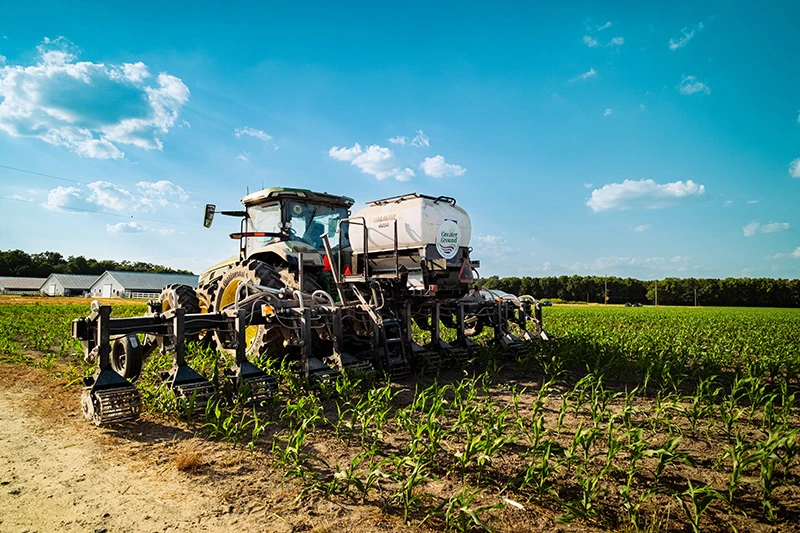
PawVerde.com – Major pet food manufacturers are shifting toward regenerative agriculture to secure supply chains and improve ingredient nutrient density. By prioritizing soil health through practices like cover cropping and reduced tillage, brands like Mars and Purina aim to sequester carbon and meet growing consumer demand for sustainable, high-quality pet nutrition. Mars Pet Nutrition North America has already committed $5 million through 2027 to assist with regenerative farming adoption.
Beyond ‘Sustainable’: Navigating the Regenerative Certification Maze
To distinguish genuine regenerative pet food from greenwashing, look for specific certifications like Regenerative Organic Certified (ROC) rather than vague “sustainable” claims. Legitimate regenerative agriculture focuses on five key pillars: soil health, carbon sequestration, water management, minimizing chemical inputs, and enhancing biodiversity, often verified by third-party measurement partners.
Greenwashing vs. High-Resolution Trust
Verifying environmental claims is a significant challenge for the pet food industry. While many brands use “sustainable” as a marketing label, specialized measurement partners like Regrow and Scoular are working to provide high-resolution data that tracks actual ecological improvements. This data-driven approach provides verifiable proof of carbon sequestration and soil health improvements.
The Role of Third-Party Verification
True regenerative practices require rigorous auditing to ensure they meet strict environmental standards. The industry is seeing a shift toward frameworks that prioritize:
- Soil health and organic matter accumulation
- Carbon sequestration monitoring
- Water management efficiency
- Minimization of synthetic chemical inputs
- Biodiversity enhancement
The Nutrient Density Argument: Soil Health and Ingredient Bioavailability
Regenerative agriculture aims to enhance nutrient density by restoring soil microbial life. Techniques such as diverse crop rotations and integrated livestock grazing can help revive the natural environment, improve biodiversity, and enhance the nutrient density of food, according to Anne Malleau, vice president of Agriculture and animal welfare Programs at Open Farm.
Adam Hardie, climate and sustainable sourcing lead at Mars Pet Nutrition North America, states, “It all starts with healthy soil. Soil is the foundation for growing high-quality ingredients for pet food.” This focus on the soil microbiome is intended to create a direct link between land management and the nutritional profile of the final pet product. Anne Malleau, vice president of Agriculture and Animal Welfare Programs at Open Farm, notes that by focusing on practices that restore ecological function, regenerative farming can help revive the natural environment, improve biodiversity and enhance the nutrient density of food.
This approach addresses the counterintuitive reality that higher yields in conventional farming do not necessarily equate to higher nutrient content. Instead, the focus shifts toward the quality of the soil’s biological activity. For brands like Loyal Saints, this means ensuring that the ingredients used in premium nutrition are grown in ways that support both the planet and the pet’s metabolic needs.
Industry Giants and the Race for Supply Chain Resilience
Major players in the pet nutrition sector are increasingly viewing regenerative agriculture as a tool for long-term supply chain stability. By investing in the land where their ingredients originate, these companies aim to mitigate the risks associated with soil degradation and climate volatility.
Purina has set a specific target to source 50% of its cereals and vegetable proteins from regenerative agriculture by 2030. This move is part of a broader industry trend where large-scale manufacturers are partnering with agribusiness leaders to scale these practices.
| Manufacturer | Strategic Focus | Key Partner/Context |
|---|---|---|
| Mars Pet Nutrition North America | Regenerative adoption funding | $5 million through 2027 |
| Purina | Cereal and vegetable protein sourcing | 50% target by 2030 |
| Open Farm | Regenerative certification focus | Direct sourcing models |
| Canidae | Sustainable ingredient sourcing | Regenerative transitions |
The transition involves complex partnerships across the supply chain. Agribusinesses such as ADM, The Andersons, Riceland Foods, Healthy Food Ingredients, and Anchor Ingredients play critical roles in managing the logistics and verification of these new ingredient streams. These collaborations are essential to move regenerative ingredients from the farm to the manufacturing facility at scale.
The Economic Reality: Price vs. Nutritional ROI
The market for regenerative pet food is experiencing rapid expansion. The market size was valued at 349.3 million USD in 2024 and is projected to reach 3,451.1 million USD by 2034, representing a compound annual growth rate (CAGR) of 25.7% during the forecast period.
Despite this growth, consumers face a significant price premium. The higher cost of regenerative pet food is driven by several economic factors:
- The high cost of transitioning from conventional to regenerative farming.
- Lower initial crop yields during the first years of soil restoration.
- The complexity and expense of third-party verification and auditing.
For many pet owners, the decision involves weighing the higher upfront cost against the potential nutritional ROI. While the premium is notable, proponents argue that the long-term benefits—including improved ingredient bioavailability and greater supply chain resilience—justify the investment in high-quality pet nutrition.
Transition Risks and the Cost of Conventional Farming
Conventional farming models, while highly productive, carry inherent risks that regenerative agriculture seeks to mitigate. Decades of intensive tillage and the heavy use of synthetic inputs have led to significant soil health reduction and nutrient depletion.
The scale of industrial protein production has grown dramatically, which places immense pressure on land and resources. For example, between 1980 and 2018, there was a 128.05% increase in broiler production and a 44.03% increase in turkey production. This rapid expansion has often occurred alongside declining soil organic matter, creating a cycle of dependency on synthetic fertilizers to maintain yields.
Warning: Relying on conventional intensive farming increases vulnerability to supply chain disruptions. Dependency on foreign vitamin imports and port disruptions can create significant instability in the pet food market. Furthermore, the reduction in soil health can lead to a direct decrease in the natural nutrient density of staple ingredients.
The shift toward regenerative practices aims to replace this dependency with a self-sustaining biological system. This transition is a critical component for companies aiming for net-zero emissions by 2050.
FAQ
How does regenerative agriculture affect my pet’s food?
Regenerative farming can help revive the natural environment, improve biodiversity, and enhance the nutrient density of food.
Why is regenerative pet food more expensive?
The premium is driven by higher costs of transition, lower yields during the initial years, and the complex verification required to prove regenerative practices.
What is the difference between ”sustainable’ and ”regenerative’?
While sustainability aims to maintain current levels, regenerative agriculture actively works to restore and improve soil health, biodiversity, and carbon sequestration.