

Why Hemp Collars Are Best for Rescued Pets
PawVerde.com – Hemp collars are a superior choice for rescued pets because they combine high tensile strength (up to 400kg) with hypoallergenic properties that soothe sensitive skin. For dogs transitioning from shelters, hemp’s natural antimicrobial and odor-resistant qualities provide a sensory-friendly experience that synthetic nylon often lacks.
Hemp webbing can handle a staggering 400kg of tensile force, making it as durable as it is sustainable.
The Rescue Readiness Checklist: Selecting Gear for the First 30 Days
When selecting a collar for a new rescue dog, prioritize hypoallergenic materials like hemp to accommodate potential skin sensitivities or trauma-induced tactile defensiveness. Ensure the gear is durable enough for sudden pulling (look for 400kg tensile strength) and choose adjustable sizing to accommodate non-standard rescue body types.
The first month of a rescue dog’s life in a new home is a critical period of sensory acclimation. According to Gracie To The Rescue, hemp is a healthier and more natural alternative to nylon or leather, and is free of many irritating materials that can cause irritation on your beloved pup’s skin.
Managing Tactile Sensitivity in Traumatized Dogs
Dogs from high-stress shelter environments often exhibit tactile defensiveness. To avoid triggering a flight response, owners should look for materials that avoid the heat and moisture trapping common in heavy-duty nylon. Lucky Mfg notes that hemp webbing is specifically designed to handle 400kg of tensile force, providing strength without the bulk of some synthetic alternatives.
Sizing for Non-Standard Rescue Shapes
Rescue populations often include breeds with unique anatomical needs that standard retail sizing overlooks. To ensure a safe transition, follow these requirements:
- Tensile Verification: Confirm the webbing is rated for high-stress scenarios, such as the 400kg capacity noted by Lucky Mfg.
- Adjustability Range: Select collars that allow for significant diameter changes as a dog’s muscle tone improves or weight stabilizes.
- Hardware Weight: Opt for lightweight metal or reinforced hemp loops to prevent neck strain in thin-skinned breeds.
Why Hemp Outperforms Synthetics for Sensitive Rescue Skin
Hemp possesses natural antimicrobial and mold-resistant properties, keeping the gear fresh for significantly longer. According to Lucky Mfg, these natural qualities help maintain the integrity of the collar during regular use.
Synthetics like nylon are often treated with heavy metals or toxic azo dyes, which can cause skin irritation when worn over long periods. Gracie To The Rescue notes that hemp is free of many of these irritating materials. Furthermore, OKEYPETS highlights that while synthetic fabrics can trap moisture, hemp’s breathability allows for better airflow.
| Material | Sustainability | Skin Health | Durability/Resistance | Water Performance |
|---|---|---|---|---|
| Hemp | High (Biodegradable) | Hypoallergenic | High (UV/Mold Resistant) | Moderate (Slow drying) |
| Nylon/Synthetic | Low (Plastic-based) | Potential Irritant | High | Excellent (Hydrophobic) |
| rPET | Medium (Recycled) | Variable | High | Excellent (Quick-drying) |
| Cotton | Medium (High water use) | Good | Moderate | Low (Absorbent) |
While rPET offers superior water performance due to its hydrophobic nature, hemp provides a hypoallergenic profile that is safer for dogs with existing dermatological issues. This makes hemp a more stable choice for sensitive rescues compared to recycled plastics.
The Hypoallergenic Advantage
For dogs with compromised immune systems, finding hypoallergenic gear is vital. Because hemp is a plant-based agricultural product, it avoids the chemical residues found in petroleum-based synthetics. Gracie To The Rescue confirms that hemp is a healthier and more natural alternative that is free of many irritating materials.
Natural Antimicrobial Properties vs. Synthetic Odor Traps
Synthetic fibers can trap sweat and oils, creating persistent odors. Hemp’s natural resistance to mold and odor, as noted by Lucky Mfg, means the gear remains cleaner for longer periods without the need for constant chemical intervention.
The Sustainability Audit: Hemp vs. rPET and Cotton
Evaluating pet gear requires looking at the lifecycle of the fiber. Hemp is a highly renewable resource that grows quickly and requires little water and no pesticides to thrive.
Hemp is a fast-growing, low-impact crop. In contrast, producing cotton requires significant land, water, and chemical intervention. While rPET repurposes plastic waste, it remains a plastic-based product. According to dominisii.com, unlike synthetic fabrics which can take 500 years or more to decompose, hemp’s natural fibers are biodegradable.
Lifecycle Analysis: Biodegradability vs. Plastic Persistence
A hemp collar is designed to return to the earth through natural biodegradation. This stands in stark contrast to synthetic fabrics that contribute to microplastic pollution. Hemp also utilizes phytoextraction, where roots penetrate soil vertically to absorb and break down substances.
Water Usage and Land Impact
The efficiency of hemp is measurable. It is a fast-growing crop that can reach heights of 4 meters. The textile industry in regions like Italy utilizes these advantages to create short supply chains. Compared to cotton, which is resource-intensive, hemp offers a much higher yield per acre with significantly lower water requirements.
Technical Maintenance: The Hemp Material Care Protocol
To protect the natural fibers, owners should follow specific cleaning guidelines. Gracie To The Rescue confirms that hemp products are machine washable, provided they are treated with care.
Gracie To The Rescue recommends machine washing while avoiding aggressive chemical additives. To preserve the natural qualities of the weave, follow these steps:
- Use a gentle, biodegradable detergent.
- Avoid fabric softeners, which can coat the fibers and reduce breathability.
- Wash in cool to lukewarm water to prevent fiber shrinkage.
Machine Washing Without Stripping Antimicrobial Benefits
Washing should focus on removing surface dirt while protecting the plant’s inherent properties. Avoid high-heat settings or harsh alkaline cleaners that can strip the natural benefits of the material.
Drying Hazards: Preventing Mold in the Weave
Because hemp is more absorbent than nylon, it can hold moisture longer. If a collar is left damp in a closed container, it may succumb to mold. Always air-dry hemp gear in a well-ventilated area to ensure the fibers dry completely.
Economic Reality: Cost-Per-Year for Sustainable Gear
Sustainable gear can be viewed as a long-term investment. While initial costs vary, the durability of natural fibers often provides better value over time.
According to Alibaba.com, the price range for hemp collars typically falls between $8 and $20 per unit. A standard hemp collar has a moderate lifespan of approximately 3 to 4 years.
Shortcut: To calculate true value, divide the purchase price by the expected years of use (e.g., $20 / 4 years = $5 per year) and compare this to the replacement frequency of cheaper, less durable synthetics.
Upfront Investment vs. Long-term Durability
Hemp has been used for rope and webbing for hundreds of years. For a rescue owner, choosing a material with a 3 to 4-year lifespan is a strategic move. Additionally, data from Alibaba.com suggests that premium consumers are often willing to pay 20-40% more for hemp and recycled nylon.
Budgeting for Rescue Gear
When budgeting for a new rescue, prioritize spending on items that touch the animal’s skin. A high-quality hemp collar is a foundational piece of equipment that serves both the dog’s physiological needs and the owner’s environmental values.
FAQ
Is hemp safe if my dog chews on their collar?
Yes, hemp is a low-impact, natural crop that is generally considered safe for dogs to chew on, unlike some synthetic collars treated with toxic dyes.
How long does a hemp dog collar typically last?
A standard hemp collar has a moderate lifespan of approximately 3 to 4 years, depending on the quality of the webbing and care routines.
Can I use CBD-infused hemp collars for anxious rescues?
While hemp is used, be aware of the “caregiver placebo effect” and ensure any CBD content is regulated to avoid THC contamination (max 0.3% THC).
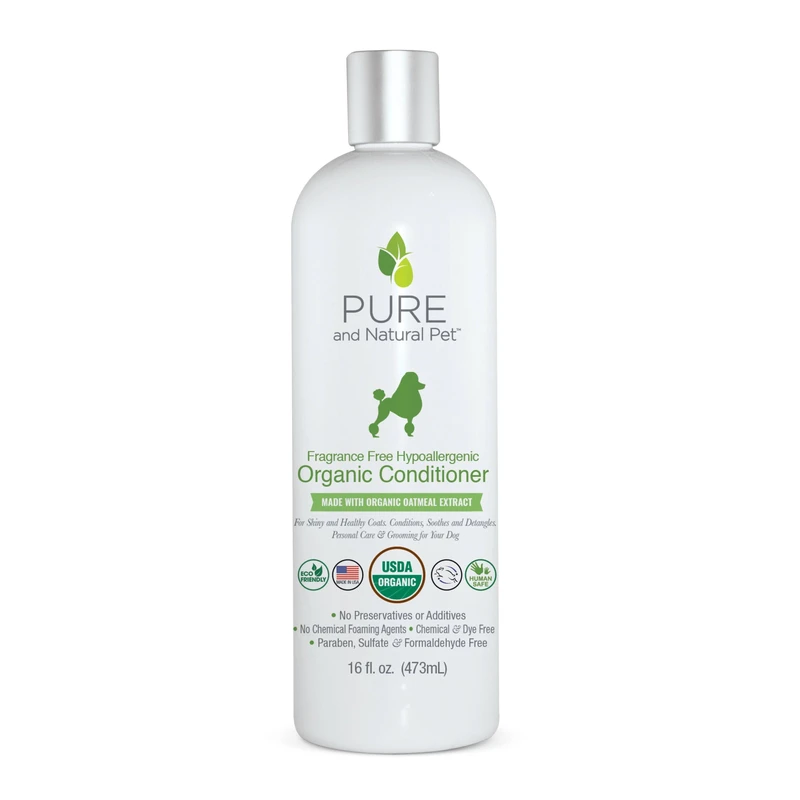
Hypoallergenic Pet Grooming: What Owners Must Know
PawVerde.com – Hypoallergenic pet grooming products are formulated with fewer known allergens to minimize skin irritation, but the term has no legal regulatory definition. To ensure safety, owners should prioritize soap-free, pH-balanced, and organic-certified formulas that avoid harsh sulfates, parabens, and synthetic fragrances.
The term “hypoallergenic” has no legal or regulatory definition in the pet care industry, meaning any manufacturer can use it without meeting specific criteria.
The Terminology Trap: Decoding Organic, Natural, and Hypoallergenic
In pet care, “Organic” and “USDA Certified” imply strict ingredient standards, whereas “Hypoallergenic” is an unregulated marketing term. A truly safe product for sensitive pets should be soap-free, pH-balanced for canine skin, and free from parabens, harsh sulfates, and synthetic fragrances.
Why “Hypoallergenic” isn’t a guarantee
A common failure mode for pet owners is assuming a “hypoallergenic” label provides a safety shield against all reactions. Because no regulatory body governs this specific word, a product could technically claim to be hypoallergenic while still containing high concentrations of irritating botanical extracts. To mitigate this risk, industry analysts suggest looking for specific structural qualities: a quality hypoallergenic dog shampoo should be soap-free and pH-balanced to maintain the integrity of the skin’s acid mantle.
The weight of USDA Organic certification
Unlike the vague “hypoallergenic” claim, “organic” or “USDA certified” terms carry significant regulatory weight. While a brand might use “natural” loosely, organic certification requires adherence to specific farming and processing standards. For example, 4-Legger produces pet grooming products that avoid synthetic ingredients, a notable distinction in an unregulated industry. When selecting products, prioritize those that move beyond marketing adjectives and provide verifiable certification or transparent, non-synthetic ingredient lists.
Species-Specific Safety: Why Dog-Safe Organics Can Harm Cats
Hypoallergenic pet shampoo is formulated to minimize the risk of triggering allergic reactions. However, a product’s safety profile changes drastically depending on the species being groomed due to different metabolic pathways and skin sensitivities.
Metabolic differences in feline vs canine skin
While many organic dog grooming supplies are made with all-natural ingredients and are safe for dogs of all ages, these same ingredients can be hazardous to cats. Cats possess unique liver enzymes that make them significantly more sensitive to certain botanical compounds. A shampoo designed to soothe a dog’s itchy skin might contain essential oils that are safe for canine metabolism but toxic if a cat licks its fur after a bath.
| Ingredient Category | Typical Use in Dogs | Risk Level for Cats | Reasoning |
|---|---|---|---|
| Tea Tree Oil | Antiseptic/Anti-itch | High Risk | Can cause toxicity if ingested or absorbed. |
| Coconut Oil | Moisturizer | Low Risk | Generally safe for both species. |
| Lavender | Calming agent | Moderate Risk | Potential for neurological sensitivity in felines. |
| Aloe Vera | Soothing agent | Low Risk | Safe for topical application in most cases. |
Always verify the specific botanical profile before applying a “natural” product to a feline companion. A product that is excellent for a Golden Retriever may be entirely inappropriate for a Persian cat.
The danger of essential oils in cat grooming
The concentration of essential oils in organic products is a critical variable. While these oils provide the “natural” scent owners desire, they represent a high-risk category for cats. Even if a product is labeled hypoallergenic, the presence of certain concentrated oils can trigger adverse reactions in cats due to their inability to process specific phenols and terpenes efficiently.
How to Spot Greenwashing: The Ingredient Decoder
Greenwashing occurs when a manufacturer uses marketing imagery—such as leaves, earth tones, or the word “natural”—to imply a product is eco-friendly or safe when the chemical composition suggests otherwise. To avoid this, owners must look past the packaging and analyze the actual ingredient deck.
Reading the label: The 50% rule
A fundamental principle of ingredient analysis is that the top half of an ingredient list determines if a product is truly natural. If the top half of the ingredient list doesn’t contain natural ingredients, it’s likely the product isn’t really that natural after all. Manufacturers list ingredients in descending order of concentration; therefore, if synthetic surfactants or petroleum derivatives appear in the first five entries, the “organic” or “natural” claims on the front of the bottle are functionally misleading.
Hidden synthetics to watch for
To effectively decode a label, look for these specific categories that often hide behind “natural” branding:
- Synthetic Fragrances: Often listed simply as “Parfum,” these can contain hundreds of undisclosed chemicals.
- Harsh Sulfates: Ingredients like Sodium Lauryl Sulfate (SLS) provide lather but can strip the skin of essential oils.
- Parabens: Used as preservatives, these are frequently found in products that claim to be “natural” but lack true organic certification.
- Phthalates: Often used to stabilize scents, these are common culprits in skin irritation.
The Grooming Transition Protocol: Preventing Skin Barrier Disruption
To switch to organic products without a flare-up, implement a gradual transition. Avoid over-cleansing which strips natural oils, and allow 4-6 weeks for the pet’s skin cycle to stabilize under the new routine to see true results.
A sudden shift from a high-sulfate conventional shampoo to a highly concentrated organic formula can shock the skin’s microbiome. Because a full skin cycle lasts between 4-6 weeks, you cannot judge the success or failure of a new product after a single bath.
Warning: Over-cleansing the skin by bathing too frequently can strip away natural oils, leading to secondary irritation regardless of how “organic” the product is.
Step 1: The gradual introduction
Do not replace the entire grooming regimen overnight. Instead, introduce the organic product for one specific area or use it every other wash. This allows the skin to adjust to the new pH balance and botanical concentrations without a massive inflammatory response.
Step 2: The Rinse-Audit (Double-Rinse Method)
Organic products often contain more botanical residue than synthetic ones. To ensure no residue remains to cause secondary irritation, use the Double-Rinse Method:
- Perform a standard rinse after the initial shampoo application.
- Perform a second, thorough rinse with lukewarm water to ensure all botanical actives are removed from the coat.
This step is vital for pets with extreme sensitivities where even trace amounts of organic oils could cause discomfort.
Top Rated Organic & Hypoallergenic Brands
Selecting a brand requires matching their specialty to your pet’s specific dermatological needs. The following brands are recognized for their focus on natural and hypoallergenic formulations.
| Brand | Specialty | Key Feature | Starting Price (Est.) |
|---|---|---|---|
| a certified organic brand | USDA Certified Organic | Avoids synthetic ingredients | $15.00+ |
| Earthbath | Natural Pet Care | Natural formulas | $17.99 |
| Only Natural Pet | Itch Relief | Specialized sensitive skin lines | $10.99 |
| Ark Naturals | Dental & Hygiene | Natural dental chews | $7.59 |
| TropiClean | General Grooming | High consumer rating (4.3 stars) | $12.00+ |
The table above provides a comparison of leading pet brands based on their organic and hypoallergenic offerings. Prices are estimated and subject to change based on retailer.
Best for USDA Certified Organic: 4-Legger
For owners who demand the highest level of ingredient purity, 4-Legger is a primary choice. Their products do not use synthetic ingredients, which is a significant advantage in the largely unregulated pet grooming industry. This makes them a top recommendation for pets with severe chemical sensitivities.
Best for Dental Hygiene: TropiClean & Ark Naturals
Grooming extends beyond the coat. TropiClean offers a wide range of dental products, including oral care water additives in 16 oz sizes. For a more chewable approach, Ark Naturals provides Brushless Toothpaste Dental Chews starting at $7.59, offering a natural way to manage oral hygiene.
Best for Itch Relief: Only Natural Pet
When a pet is already experiencing discomfort, Only Natural Pet offers specialized solutions such as their Itch Relief Shampoo, priced at approximately $16.99. These products are designed to soothe existing irritation while adhering to all-natural ingredient standards.
FAQ
How long does it take to see results from organic grooming products?
It typically takes 3-4 weeks of a consistent routine to see visible results, as a full skin cycle lasts between 4-6 weeks. Patience is required to allow the skin barrier to stabilize.
Is ‘natural’ the same as ‘organic’ in pet shampoo?
No. “Organic” often refers to specific certification standards like USDA, while “natural” is an unregulated term that can be used loosely by manufacturers to describe products that may still contain synthetics.
Can I use organic shampoos on a pet with severe dermatitis?
While organic products are gentler, severe conditions may require medical-grade or vet-prescribed medicated shampoos rather than just organic alternatives. Always consult a professional for clinical dermatological issues.