
Eco-Friendly Pet Grooming in Australia: A Green Guide
PawVerde.com – eco-friendly pet grooming in Australia focuses on reducing plastic waste through solid shampoo bars, utilizing sustainable materials like bamboo and hemp, and selecting concentrated formulas that lower shipping emissions. For the 29 million pets in Australia, switching to natural extracts and biodegradable ingredients helps protect both their sensitive skin and local ecosystems.
With 29 million pets in Australia, the market is seeing a rise in specialized brands that offer concentrated botanical formulas to meet growing demand.
The Greenwashing Audit: Spotting Fake ‘Natural’ Claims in Australia
To avoid greenwashing, Australian pet owners must look beyond unregulated terms like ‘natural’ or ‘premium.’ Verify products by checking the ingredient weight order, ensuring animal proteins aren’t outweighed by fillers, and seeking brands that provide specific transparency regarding their botanical extracts and manufacturing processes.
The ‘Natural’ Trap
Marketing in the pet industry often relies on terminology that lacks strict legal oversight. According to Nulo, the pet food industry has very loose standards for its marketing terms. A product can be labeled “natural” even if it contains highly processed ingredients. Similarly, the term “premium” has no legal definition, meaning a brand can use the label to justify a higher price point without meeting specific nutritional or ecological benchmarks.
How to Read an Ingredient Label
To identify genuine eco-friendly products, owners should follow specific technical steps during packaging audits:
- Ingredient Order Verification: Check ingredients listed by weight before processing. This ensures that primary components, such as animal proteins, are not outweighed by grains, plants, or synthetic fillers.
- Concentration Check: Look for specific botanical names rather than generic “plant extracts.”
- Packaging Audit: Identify if “biodegradable” claims refer to the formula or the actual vessel.
Environmental impact is often obscured by packaging; for example, a product may claim to be “natural” while still being housed in non-recyclable multi-layer plastics.
Local vs. Imported: The Carbon Footprint Trade-off
The total environmental footprint depends on logistics. While an imported organic shampoo might use high-quality botanicals, the carbon emissions from transoceanic shipping can offset the benefits of its biodegradable formula.
| Brand | Origin/Focus | Primary Eco-Feature |
|---|---|---|
| Anipal | Australian | Recycled plastic bottle collars/leads |
| Mog & Bone | Australian | Hemp-based harnesses and collars |
| Pawfect Pals | Australian | Cruelty-free vegan leather |
| Essencera | Specialized | Concentrated botanical formulas |
Choosing local manufacturers like Anipal or Mog & Bone reduces the logistics-related carbon footprint. While shipping costs for some Australian retailers may include a flat rate of $14.95 or require a $180 order threshold for free shipping at Farmer Pete’s, the reduction in transit emissions is a significant factor in a holistic sustainability strategy.
Top Sustainable Grooming Solutions for Australian Pets
Effective eco-grooming involves three main pillars: solid shampoo bars (like Ethique) to eliminate plastic, bamboo-based tools (like M Pet wipes) for rapid regrowth, and hemp or recycled plastic accessories (like Anipal or Mog & Bone). These alternatives significantly reduce the environmental load of pet maintenance.
Zero-Waste Washing: The Rise of the Bar
Liquid shampoos are often composed largely of water, which adds weight and increases shipping emissions. In contrast, shampoo bars offer a more compact, concentrated alternative. Brands like Ethique provide solid shampoo and conditioner bars that eliminate the need for plastic bottles entirely. For those seeking soap-based options, Troopets manufactures 100% essential oil and natural extract soap bars, providing a direct alternative to synthetic liquid detergents.
Sustainable Hardware: Bamboo, Hemp, and Recycled Plastic
Beyond washing, the physical tools used in grooming can be transitioned to sustainable materials. Bamboo is a standout candidate for hardware because it grows 30 times faster than trees. Furthermore, bamboo produces 30 times the amount of oxygen and absorbs 35 times the amount of carbon dioxide compared to traditional timber. This makes products like M Pet Cleansing Bamboo Wipes a highly renewable choice.
| Product Type | Eco-Benefit | Primary Material/Feature | Best For |
|---|---|---|---|
| Solid Bars | Zero plastic waste | Concentrated soap/shampoo | Frequent bathers |
| Bamboo Tools | Rapidly renewable | Bamboo fibers | Sensitive skin/Wipes |
| Hemp Gear | Low water usage | Hemp fabric | Durability/Leads |
| Recycled Gear | Waste diversion | Recycled plastic bottles | Active pets |
For coat maintenance, a Biosilk brush offers a long-lasting alternative to disposable plastic brushes.
The Transition Protocol: Moving from Chemicals to Botanicals
Biological systems require time to adjust to new ingredients. When moving to botanical formulas, pet owners should monitor for changes in skin texture or moisture levels.
Managing the Two-Week Adaptation Period: Scalp dryness may occur initially as your skin adapts from conventional products, typically resolving within two weeks. This is a biological response to the removal of harsh synthetic surfactants that previously coated the skin.
Step-by-Step Integration:
Shortcut: Start small with one or two products like biodegradable poop bags or natural soap bars, then gradually expand.
To minimize the risk of skin irritation, do not replace every product in a single day. Introduce one botanical element, such as a Troopets bar, and monitor the pet’s skin condition for seven days before introducing the next eco-friendly item.
Cost-Efficiency: Bars and Concentrates vs. Liquid Shampoos
Concentrated options can be more economical over time. For example, Earthbath concentrated formulas can lead to a 90% reduction in greenhouse gas emissions and water usage compared to standard diluted liquids.
| Metric | Liquid Shampoo | Concentrated/Bar |
|---|---|---|
| Packaging Waste | High (Single-use plastic) | Low (Compostable/Zero) |
| Water Content | High (Mostly water) | Minimal to None |
| Emissions | Higher (Heavy shipping) | Lower (Lightweight) |
| Efficiency | Standard | 90% reduction in emissions/water (Earthbath) |
Earthbath concentrated formulas, for instance, can lead to a 90% reduction in greenhouse gas emissions and water usage compared to standard diluted liquids. Additionally, Earthbath has reduced plastic use by 79% by transitioning to soft-pouch packaging for wipes. While the upfront cost of a bar or concentrate might seem higher, the longevity of the product provides better long-term value.
Critical Safety: Avoiding Common Eco-Grooming Pitfalls
Safety is paramount. Certain botanical-based washes are never safe for cats due to their unique sensitivity to specific essential oils.
Warning: Shield Wash is unsafe for cats due to their unique sensitivity to certain botanical oils. Always verify that any botanical-based wash is explicitly labeled as feline-safe.
Species-Specific Toxicity
Many botanical extracts that are safe for dogs can be toxic to cats. Because cats possess different metabolic pathways for processing certain essential oils, a “natural” product can become a chemical hazard. Always cross-reference ingredients with species-specific safety data before application.
Durability Realities
Another pitfall involves the physical reliability of biodegradable items. For example, compostable poop bags, which are made from plant-based materials such as cornstarch to break down into soil, are often not as durable as traditional plastic-based bags. Users should exercise caution when using these in high-moisture environments or for larger waste volumes to avoid breakage.
FAQ
Is organic shampoo safe for all pets?
Not necessarily. Botanical oils used in dog-specific washes can be toxic to cats. Always verify that ingredients are explicitly labeled as feline-safe to accommodate their specific metabolic needs.
Are compostable poop bags actually better?
They are a zero-waste option because they are made from plant-based materials like cornstarch that break down into soil. However, they may lack the durability of plastic in high-moisture environments.
Why does my pet’s skin feel dry after switching to natural shampoo?
This is often a temporary adaptation phase. Skin typically takes about two weeks to adjust from conventional chemical surfactants to natural botanical formulas as the natural lipid barrier stabilizes.
Eco-Friendly Pet Supplies: How to Spot Greenwashing
PawVerde.com – Eco-friendly pet supplies prioritize materials like bamboo, hemp, and natural rubber that minimize environmental impact. To shop effectively, look beyond ‘natural’ labels by verifying third-party certifications like Ecogea and distinguishing between ‘biodegradable’—which simply means an item gets smaller—and ‘compostable,’ which ensures the product breaks down into nutrient-rich organic matter.
The shift toward sustainability is no longer a niche preference. According to Faunalytics, 84% of companion animal guardians now hold companies responsible for addressing climate change. This expectation has transformed how brands approach product development and ingredient transparency.
The Greenwashing Red Flag Checklist: Spotting Fake Sustainability
To avoid greenwashing, ignore vague terms like ‘natural’ or ‘organic’ unless they are backed by third-party certifications like Ecogea. Always check the full INCI ingredient list for hidden synthetics and ensure plastic packaging is free of residue, as any contaminated plastic is effectively non-recyclable.
The ‘Natural’ Label Trap
Marketing teams often use “botanical” or “natural” to imply safety, but these terms lack strict legal definitions in many jurisdictions. Doglyway notes that greenwashing is frequently used to attract customers through these misleading terms. A common failure mode occurs when a brand highlights a single plant extract while the majority of the formula consists of synthetic fillers. To verify authenticity, consumers should search for the full INCI (International Nomenclature of Cosmetic Ingredients) list. If a product claims to be organic but lacks a recognized certification such as Ecogea, the “natural” claim should be treated with skepticism.
The Packaging Paradox
A product’s contents may be sustainable, but the container can negate those benefits. Doglyway reports that if a product is packaged in plastic, it is almost certainly not recyclable, regardless of the claims made on the front of the box. This is a critical distinction for eco-conscious shoppers. Even if the product inside is biodegradable, a non-recyclable plastic bottle destined for a landfill creates a net-negative environmental impact. Always look for brands that utilize glass, aluminum, or certified compostable packaging to ensure the entire lifecycle of the purchase aligns with sustainability goals.
- Check for third-party seals like Ecogea rather than relying on text-only “natural” claims.
- Inspect the INCI list for hidden synthetics or unsustainable palm oil.
- Evaluate the packaging material; if it is plastic, confirm its specific recyclability in your local municipality.
- Avoid brands that do not provide transparent sourcing information for their “botanical” ingredients.
Compostability Reality Guide: Home vs. Industrial Breakdown
Understanding the difference between degradation types is essential to prevent accidental pollution. Piggyback Treats explains that seeing the phrase “biodegradable” on a package really doesn’t tell us much other than it will break down over time. This is an ambiguous word that, unless paired with the word compostable, simply means “this item will get smaller.”
When shopping for waste management, the distinction between home and industrial composting is a frequent point of failure. Many “compostable” bags require the high-heat environments found in industrial facilities to actually break down. If these bags end up in a backyard compost bin or a standard landfill, they may persist for years. For high-quality waste management, look for products that meet specific thickness standards; for instance, gogostik.com identifies a 15-20 micron minimum thickness as a benchmark for quality eco-friendly pet waste bags.
Furthermore, Sir Waggingtons highlights that pet waste can introduce harmful bacteria and parasites into ecosystems, pollute waterways, and contribute to the spread of diseases if not managed correctly. Using the wrong type of bag can lead to improper decomposition, which fails to mitigate these biological risks.
Lifecycle Cost Calculator: Upfront Investment vs. Long-Term Value
Sustainable pet ownership requires evaluating the total lifespan of a product. While initial costs vary, durable materials often provide better value over time.
The Pet Sustainability Coalition notes that environmental responsibility has shifted from a niche marketing trend to a structural necessity. This shift is reflected in the move toward durable, long-lasting goods. For example, the Ecofurball.com framework suggests that while a stainless steel bowl might cost more than a plastic one, it can last a lifetime, whereas plastic bowls often require frequent replacement due to cracking or bacterial buildup in scratches.
| Material/Product | Eco-Benefit | Longevity/Durability | Cost Profile |
|---|---|---|---|
| Stainless Steel | Highly recyclable; no microplastics | Extreme; lasts a lifetime | Higher upfront; lowest long-term |
| Bamboo | Rapidly renewable; low water use | Moderate; better than single-use | Mid-range |
| Hemp | Biodegradable; pest-resistant | High; resistant to heavy pulling | Mid-to-high |
| Natural Rubber | Non-toxic; biodegradable | High; tough for heavy chewers | Mid-range |
| Traditional Plastic | High environmental footprint | Low; prone to degradation/cracking | Lowest upfront; high replacement cost |
Choosing materials like hemp or stainless steel minimizes the frequency of replacement. This approach reduces cumulative spending and environmental waste.
Material Deep Dive: Bamboo, Hemp, and Natural Rubber
The Pet Sustainability Coalition defines eco-friendly materials as anything that makes a pet’s life better without making the planet’s future worse. Different materials provide unique functional advantages.
Rapidly Regenerating Bamboo
Bamboo is a highly sustainable resource that can help combat climate change. According to the green pet industry, it reduces deforestation because it regenerates much more rapidly than traditional hardwood trees.
The Strength of Hemp Gear
Hemp is a strong, natural choice for high-stress accessories. It is naturally pest-resistant and biodegradable, making it an ideal material for leashes, collars, and toys that must handle heavy pulling.
Natural Rubber vs. Microplastics
natural rubber serves as a non-toxic and biodegradable alternative to synthetic plastics. It provides a tough, flexible option for heavy chewers that avoids the microplastic problem associated with traditional plastic toys.
Practical Implementation: DIY Composting and Eco-Grooming
Caring Hands Vet provides several strategies for integrating sustainability into daily pet care routines.
One method for managing organic waste is the creation of a DIY poop digester.
Shortcut: To start a DIY poop digester, gather a 20-30 gallon container, a drill, a shovel, gravel, and carbon-rich materials like leaves or sawdust.
Follow these steps for effective decomposition:
- Prepare a 20-30 gallon container by drilling aeration holes.
- Layer gravel at the bottom for drainage.
- Add pet waste separately from carbon-rich materials (leaves, straw, or sawdust).
- Monitor moisture levels and turn the pile regularly to ensure aerobic decomposition.
In addition to waste management, grooming routines can be optimized for lower impact. Caring Hands Vet recommends switching to biodegradable, cruelty-free, and non-toxic shampoos. To further reduce your footprint, consider using concentrated formulas; Essencera notes that by prioritizing concentrated paste formulas, you are actively reducing water waste and carbon emissions. You can also implement low-impact habits like using reusable metal combs or bamboo brushes and simply turning off the tap between rinses to conserve water.
FAQ
Is ‘biodegradable’ the same as ‘compostable’ for dog poop bags?
No. Piggyback Treats explains that “biodegradable” is an ambiguous term that simply means an item will get smaller over time. In contrast, compostable items break down into organic matter.
How can I tell if a pet shampoo is actually eco-friendly?
Prioritize concentrated paste formulas to reduce water waste and verify ingredients with Ecogea certifications. This helps avoid products that hide harsh synthetics behind “botanical” claims.
Are eco-friendly pet products more expensive in the long run?
While items like stainless steel bowls may have a higher upfront cost, they are designed to last a lifetime, offering better value than plastic alternatives.
Hypoallergenic Pet Grooming: What Owners Must Know
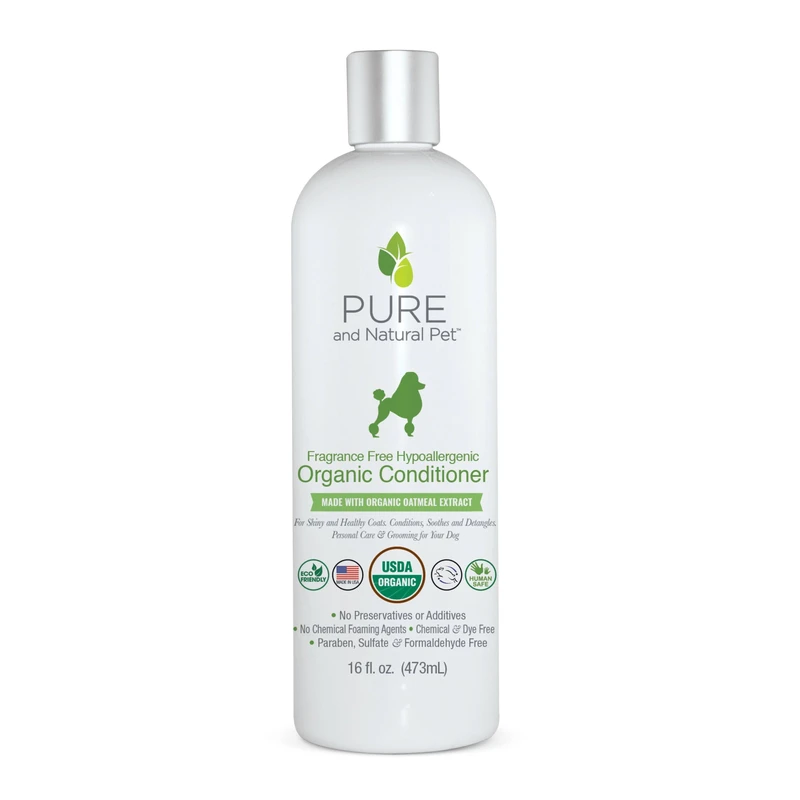
PawVerde.com – Hypoallergenic pet grooming products are formulated with fewer known allergens to minimize skin irritation, but the term has no legal regulatory definition. To ensure safety, owners should prioritize soap-free, pH-balanced, and organic-certified formulas that avoid harsh sulfates, parabens, and synthetic fragrances.
The term “hypoallergenic” has no legal or regulatory definition in the pet care industry, meaning any manufacturer can use it without meeting specific criteria.
The Terminology Trap: Decoding Organic, Natural, and Hypoallergenic
In pet care, “Organic” and “USDA Certified” imply strict ingredient standards, whereas “Hypoallergenic” is an unregulated marketing term. A truly safe product for sensitive pets should be soap-free, pH-balanced for canine skin, and free from parabens, harsh sulfates, and synthetic fragrances.
Why “Hypoallergenic” isn’t a guarantee
A common failure mode for pet owners is assuming a “hypoallergenic” label provides a safety shield against all reactions. Because no regulatory body governs this specific word, a product could technically claim to be hypoallergenic while still containing high concentrations of irritating botanical extracts. To mitigate this risk, industry analysts suggest looking for specific structural qualities: a quality hypoallergenic dog shampoo should be soap-free and pH-balanced to maintain the integrity of the skin’s acid mantle.
The weight of USDA Organic certification
Unlike the vague “hypoallergenic” claim, “organic” or “USDA certified” terms carry significant regulatory weight. While a brand might use “natural” loosely, organic certification requires adherence to specific farming and processing standards. For example, 4-Legger produces pet grooming products that avoid synthetic ingredients, a notable distinction in an unregulated industry. When selecting products, prioritize those that move beyond marketing adjectives and provide verifiable certification or transparent, non-synthetic ingredient lists.
Species-Specific Safety: Why Dog-Safe Organics Can Harm Cats
Hypoallergenic pet shampoo is formulated to minimize the risk of triggering allergic reactions. However, a product’s safety profile changes drastically depending on the species being groomed due to different metabolic pathways and skin sensitivities.
Metabolic differences in feline vs canine skin
While many organic dog grooming supplies are made with all-natural ingredients and are safe for dogs of all ages, these same ingredients can be hazardous to cats. Cats possess unique liver enzymes that make them significantly more sensitive to certain botanical compounds. A shampoo designed to soothe a dog’s itchy skin might contain essential oils that are safe for canine metabolism but toxic if a cat licks its fur after a bath.
| Ingredient Category | Typical Use in Dogs | Risk Level for Cats | Reasoning |
|---|---|---|---|
| Tea Tree Oil | Antiseptic/Anti-itch | High Risk | Can cause toxicity if ingested or absorbed. |
| Coconut Oil | Moisturizer | Low Risk | Generally safe for both species. |
| Lavender | Calming agent | Moderate Risk | Potential for neurological sensitivity in felines. |
| Aloe Vera | Soothing agent | Low Risk | Safe for topical application in most cases. |
Always verify the specific botanical profile before applying a “natural” product to a feline companion. A product that is excellent for a Golden Retriever may be entirely inappropriate for a Persian cat.
The danger of essential oils in cat grooming
The concentration of essential oils in organic products is a critical variable. While these oils provide the “natural” scent owners desire, they represent a high-risk category for cats. Even if a product is labeled hypoallergenic, the presence of certain concentrated oils can trigger adverse reactions in cats due to their inability to process specific phenols and terpenes efficiently.
How to Spot Greenwashing: The Ingredient Decoder
Greenwashing occurs when a manufacturer uses marketing imagery—such as leaves, earth tones, or the word “natural”—to imply a product is eco-friendly or safe when the chemical composition suggests otherwise. To avoid this, owners must look past the packaging and analyze the actual ingredient deck.
Reading the label: The 50% rule
A fundamental principle of ingredient analysis is that the top half of an ingredient list determines if a product is truly natural. If the top half of the ingredient list doesn’t contain natural ingredients, it’s likely the product isn’t really that natural after all. Manufacturers list ingredients in descending order of concentration; therefore, if synthetic surfactants or petroleum derivatives appear in the first five entries, the “organic” or “natural” claims on the front of the bottle are functionally misleading.
Hidden synthetics to watch for
To effectively decode a label, look for these specific categories that often hide behind “natural” branding:
- Synthetic Fragrances: Often listed simply as “Parfum,” these can contain hundreds of undisclosed chemicals.
- Harsh Sulfates: Ingredients like Sodium Lauryl Sulfate (SLS) provide lather but can strip the skin of essential oils.
- Parabens: Used as preservatives, these are frequently found in products that claim to be “natural” but lack true organic certification.
- Phthalates: Often used to stabilize scents, these are common culprits in skin irritation.
The Grooming Transition Protocol: Preventing Skin Barrier Disruption
To switch to organic products without a flare-up, implement a gradual transition. Avoid over-cleansing which strips natural oils, and allow 4-6 weeks for the pet’s skin cycle to stabilize under the new routine to see true results.
A sudden shift from a high-sulfate conventional shampoo to a highly concentrated organic formula can shock the skin’s microbiome. Because a full skin cycle lasts between 4-6 weeks, you cannot judge the success or failure of a new product after a single bath.
Warning: Over-cleansing the skin by bathing too frequently can strip away natural oils, leading to secondary irritation regardless of how “organic” the product is.
Step 1: The gradual introduction
Do not replace the entire grooming regimen overnight. Instead, introduce the organic product for one specific area or use it every other wash. This allows the skin to adjust to the new pH balance and botanical concentrations without a massive inflammatory response.
Step 2: The Rinse-Audit (Double-Rinse Method)
Organic products often contain more botanical residue than synthetic ones. To ensure no residue remains to cause secondary irritation, use the Double-Rinse Method:
- Perform a standard rinse after the initial shampoo application.
- Perform a second, thorough rinse with lukewarm water to ensure all botanical actives are removed from the coat.
This step is vital for pets with extreme sensitivities where even trace amounts of organic oils could cause discomfort.
Top Rated Organic & Hypoallergenic Brands
Selecting a brand requires matching their specialty to your pet’s specific dermatological needs. The following brands are recognized for their focus on natural and hypoallergenic formulations.
| Brand | Specialty | Key Feature | Starting Price (Est.) |
|---|---|---|---|
| a certified organic brand | USDA Certified Organic | Avoids synthetic ingredients | $15.00+ |
| Earthbath | Natural Pet Care | Natural formulas | $17.99 |
| Only Natural Pet | Itch Relief | Specialized sensitive skin lines | $10.99 |
| Ark Naturals | Dental & Hygiene | Natural dental chews | $7.59 |
| TropiClean | General Grooming | High consumer rating (4.3 stars) | $12.00+ |
The table above provides a comparison of leading pet brands based on their organic and hypoallergenic offerings. Prices are estimated and subject to change based on retailer.
Best for USDA Certified Organic: 4-Legger
For owners who demand the highest level of ingredient purity, 4-Legger is a primary choice. Their products do not use synthetic ingredients, which is a significant advantage in the largely unregulated pet grooming industry. This makes them a top recommendation for pets with severe chemical sensitivities.
Best for Dental Hygiene: TropiClean & Ark Naturals
Grooming extends beyond the coat. TropiClean offers a wide range of dental products, including oral care water additives in 16 oz sizes. For a more chewable approach, Ark Naturals provides Brushless Toothpaste Dental Chews starting at $7.59, offering a natural way to manage oral hygiene.
Best for Itch Relief: Only Natural Pet
When a pet is already experiencing discomfort, Only Natural Pet offers specialized solutions such as their Itch Relief Shampoo, priced at approximately $16.99. These products are designed to soothe existing irritation while adhering to all-natural ingredient standards.
FAQ
How long does it take to see results from organic grooming products?
It typically takes 3-4 weeks of a consistent routine to see visible results, as a full skin cycle lasts between 4-6 weeks. Patience is required to allow the skin barrier to stabilize.
Is ‘natural’ the same as ‘organic’ in pet shampoo?
No. “Organic” often refers to specific certification standards like USDA, while “natural” is an unregulated term that can be used loosely by manufacturers to describe products that may still contain synthetics.
Can I use organic shampoos on a pet with severe dermatitis?
While organic products are gentler, severe conditions may require medical-grade or vet-prescribed medicated shampoos rather than just organic alternatives. Always consult a professional for clinical dermatological issues.