
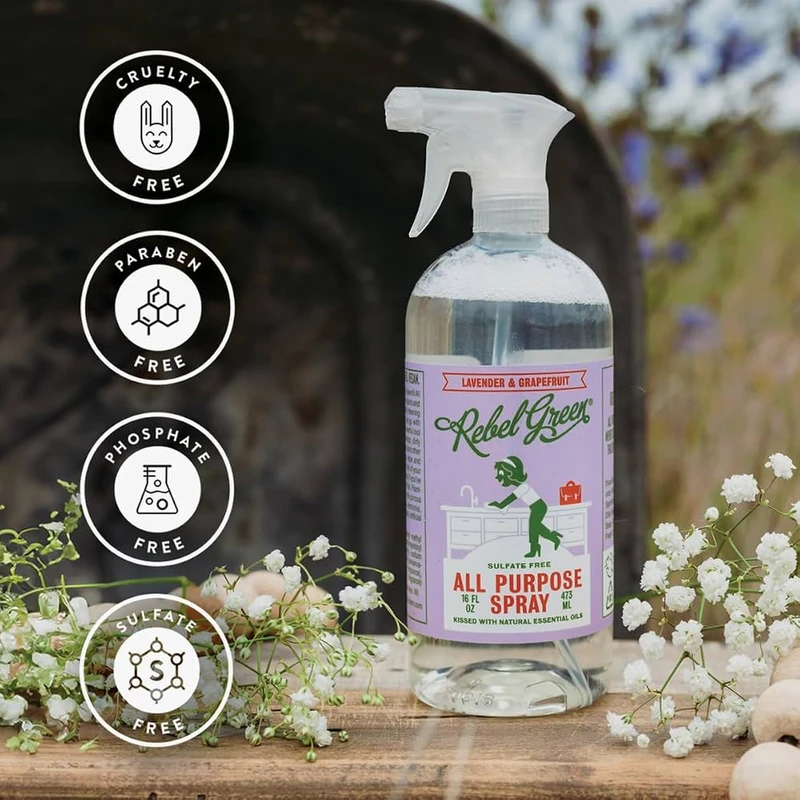
Eco-Friendly Pet-Safe Cleaning: Avoiding Toxic Residues
PawVerde.com – Eco-friendly pet-safe cleaning requires more than just ‘natural’ labels; it demands products free from glycol ethers, ammonia, and bleach. To ensure safety, prioritize brands with third-party certifications (EWG/EPA) and always allow surfaces to dry completely to prevent chemical absorption through a pet’s sensitive paw pads.
The global pet-safe cleaners market is projected to surge from $6,492.1 million in 2025 to $8,310.5 million by 2035. As pet ownership rises, the demand for non-toxic household maintenance grows alongside it.
The Paw-Pad Absorption Guide: Why ‘Natural’ Isn’t Always Safe
Because they walk on cleaned floors, lick their paws, and sleep with their faces on treated surfaces, dogs and cats face higher exposure to cleaning residues than humans. This grooming cycle facilitates the ingestion of substances. Always ensure surfaces are dry to prevent chemical transfer.
The Science of Paw-Pad Absorption
Dogs and cats face higher exposure than humans because of their grooming habits. They walk on cleaned floors, lick their paws, groom themselves, and often sleep with their faces directly on treated surfaces. This creates a continuous cycle of contact and ingestion.
Chemical composition matters immensely. Glycol ethers, such as 2-butoxyethanol and related compounds, are associated with blood disorders, kidney and liver damage, and reproductive toxicity. Even if a product is labeled “natural,” the presence of these specific compounds poses a significant physiological risk.
The ‘Dry-Time’ Checklist for High-Traffic Zones
To mitigate the risk of pets entering freshly treated areas, implement these specific safety protocols:
- Hardwood and Tile: Wait until the surface is completely matte and dry to the touch to prevent residue transfer to paw pads.
- Carpets and Rugs: Ensure deep-seated moisture from enzymatic cleaners has evaporated; residual dampness can facilitate chemical absorption.
- High-Traffic Thresholds: Use physical barriers or baby gates to prevent pets from entering a room during the active drying phase.
Spotting Greenwashing: The Transparency Audit Framework
The term ‘non-toxic’ does not necessarily imply a product is non-irritating to humans. Many products marketed as “green” focus on environmental friendliness but fail to address skin or respiratory irritation. Furthermore, experts note that just because a product says pet-safe or natural doesn’t mean it’s truly pet-safe or poses no risk to pets.
A critical counterintuitive claim is that cleaning products labeled safe for use around infants or children are not automatically safe around pets. Pets have different metabolic pathways and grooming behaviors that can lead to toxicity from substances that might be considered negligible for human toddlers. Always cross-reference ingredients with the Environmental Working Group (EWG) or the EPA to verify safety claims.
Commercial vs. DIY: The Efficacy Battle
While DIY solutions like vinegar and baking soda are excellent for light maintenance, commercial enzymatic cleaners are superior for organic pet messes. Enzymes actively break down urine proteins, whereas natural acids like vinegar may struggle with older, more stubborn stains and odors.
| Cleaning Method | Best Use Case | Efficacy Level | Safety Note |
|---|---|---|---|
| Vinegar & Baking Soda | Light maintenance/Glass | Low to Moderate | Generally safe; avoid mixing in closed containers. |
| Enzymatic Cleaners | Urine and organic stains | High | Ensure full drying to prevent ingestion. |
| Non-Enzymatic Plant-Based | Daily surface wiping | Moderate | Check for essential oil content. |
Use the following comparison to select a cleaning method based on the specific type of organic stain or surface being treated.
When to use Vinegar and Baking Soda
Vinegar and baking soda are highly effective for non-organic messes, such as hard water stains or general surface grime. For example, a mixture of 2 Cups vinegar, 2 Cups lukewarm water, and 4 Tbsp baking soda can serve as a versatile household cleaner. However, these solutions may fail when dealing with the complex proteins found in dried pet urine.
The Power of Plant-Powered Non-Enzymatic Solutions
Some manufacturers have moved away from traditional enzyme-based models. Skout’s Honor, for instance, offers immediate cleanup without the wait or uncertainty of enzymes. These plant-powered solutions target odors through different chemical pathways, providing a faster response for owners who cannot wait for enzymatic breakdown.
Top-Rated Eco-Friendly Pet Cleaners by Market Category
The market is divided among several specialized providers. For instance, The Honest Company, Inc. holds an 18-22% market share, while Seventh Generation, Inc. captures 14-18% of the industry.
| Brand/Company | Primary Specialization | Market Context |
|---|---|---|
| The Honest Company, Inc. | General Pet-Safe Cleaning | 18-22% Market Share |
| Seventh Generation, Inc. | Eco-Conscious Home Care | 14-18% Market Share |
| Puracy | Biodegradable Solutions | 12-16% Market Share |
| ECOS (Earth Friendly Products) | Vegan-Certified Non-Toxic | 10-14% Market Share |
| Nature’s Miracle (Spectrum Brands) | Odor and Stain Removal | 8-12% Market Share |
| Rocco & Roxie Supply Co. | Enzymatic Odor Removal | Specialist |
| Skout’s Honor | Plant-Powered Non-Enzymatic | Specialist |
| Tersano Inc | Stabilized Aqueous Ozone (SAO) | Specialist |
This data highlights a diverse landscape where companies like Puracy (12-16% share) compete alongside specialists like Rocco & Roxie Supply Co.
Market Leaders for General Home Cleaning
For daily household tasks, ECOS (Earth Friendly Products) provides vegan-certified options, with an all-purpose cleaner priced at approximately $7 USD for a 22 oz bottle. Puracy also maintains high standards, with products like their Natural Carpet Spot Remover containing 99.51% natural content. These brands are suitable for routine dusting, floor wiping, and general surface maintenance.
Specialists in Odor and Stain Removal
When dealing with accidents, specialized formulas are required. Nature’s Miracle (Spectrum Brands) is a recognized name in the stain and odor category. For those seeking high-concentration natural ingredients, Puracy offers a Carpet & Upholstery Shampoo with 99.36% natural content. If you require immediate action without the biological delay of enzymes, Skout’s Honor provides a plant-powered alternative.
Safe DIY Recipes for the Eco-Conscious Pet Parent
Homemade solutions can minimize exposure to synthetic fragrances. To maintain efficacy, follow specific ratios, such as using 2 Cups of vinegar and 4 Tbsp of baking soda for general surface cleaning.
The Ultimate Pet Stain Remover Recipe
For targeted stain removal, follow this protocol: Add one tablespoon of hydrogen peroxide to an all-purpose cleaner; spray on the stain; blot with a T-shirt or paper towel. For urine-specific issues, let the solution sit for a few minutes before repeating the process. Once the area is clean, dry it thoroughly and sprinkle with baking soda for 10-20 minutes before vacuuming to absorb any remaining odors.
Another effective combination involves mixing ½ Cup of hydrogen peroxide with ½ Cup of dish soap for heavy-duty spot cleaning.
Scenting Your Home Safely with Citrus
Avoid using concentrated essential oils, which can be problematic for pets. Instead, use a gentle infusion method. Steep orange or lemon peel in vinegar for at least 24 hours, then strain the liquid before adding it to a spray bottle. This provides a natural citrus scent without the risks associated with undiluted essential oils.
- General Surface Mix: 2 Cups vinegar, 2 Cups lukewarm water, and 4 Tbsp baking soda.
- Glass/Mirror Mix: Equal parts water and vinegar or lemon juice.
- Drain Maintenance: Pour ½ Cup baking soda into the drain, follow with 1 Cup vinegar, let sit for 10 minutes, then rinse with boiling water.
FAQ
Are ‘natural’ cleaners always safe for cats?
Not necessarily. Some natural scents like certain essential oils can be neurotoxic to cats, and some ‘natural’ products may still release formaldehyde vapors when combined with ambient air, such as those containing citrus and pine-based ingredients.
How do I know if a cleaner is truly non-toxic?
Look for third-party certifications from the Environmental Working Group (EWG) or the EPA. Avoid products that use “proprietary blends” to hide ingredients like glycol ethers or ammonia, as these can be hazardous to pets.
Can I use hydrogen peroxide on my carpets to clean pet stains?
To avoid fabric damage, always test a small, inconspicuous area first. If you proceed, remember to blot rather than scrub to prevent the stain from spreading deeper into the fibers.
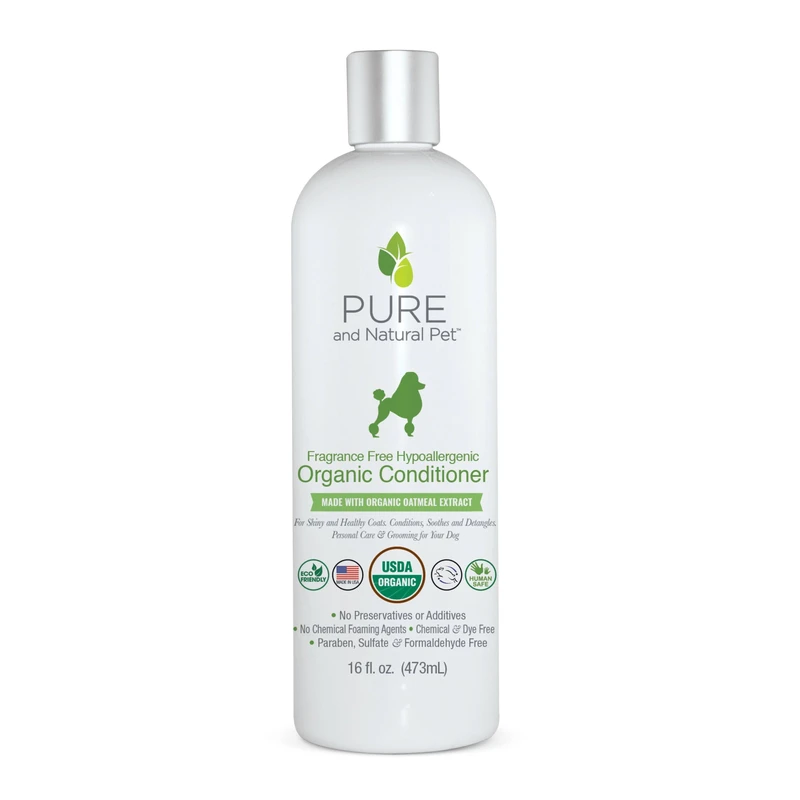
Hypoallergenic Pet Grooming: What Owners Must Know
PawVerde.com – Hypoallergenic pet grooming products are formulated with fewer known allergens to minimize skin irritation, but the term has no legal regulatory definition. To ensure safety, owners should prioritize soap-free, pH-balanced, and organic-certified formulas that avoid harsh sulfates, parabens, and synthetic fragrances.
The term “hypoallergenic” has no legal or regulatory definition in the pet care industry, meaning any manufacturer can use it without meeting specific criteria.
The Terminology Trap: Decoding Organic, Natural, and Hypoallergenic
In pet care, “Organic” and “USDA Certified” imply strict ingredient standards, whereas “Hypoallergenic” is an unregulated marketing term. A truly safe product for sensitive pets should be soap-free, pH-balanced for canine skin, and free from parabens, harsh sulfates, and synthetic fragrances.
Why “Hypoallergenic” isn’t a guarantee
A common failure mode for pet owners is assuming a “hypoallergenic” label provides a safety shield against all reactions. Because no regulatory body governs this specific word, a product could technically claim to be hypoallergenic while still containing high concentrations of irritating botanical extracts. To mitigate this risk, industry analysts suggest looking for specific structural qualities: a quality hypoallergenic dog shampoo should be soap-free and pH-balanced to maintain the integrity of the skin’s acid mantle.
The weight of USDA Organic certification
Unlike the vague “hypoallergenic” claim, “organic” or “USDA certified” terms carry significant regulatory weight. While a brand might use “natural” loosely, organic certification requires adherence to specific farming and processing standards. For example, 4-Legger produces pet grooming products that avoid synthetic ingredients, a notable distinction in an unregulated industry. When selecting products, prioritize those that move beyond marketing adjectives and provide verifiable certification or transparent, non-synthetic ingredient lists.
Species-Specific Safety: Why Dog-Safe Organics Can Harm Cats
Hypoallergenic pet shampoo is formulated to minimize the risk of triggering allergic reactions. However, a product’s safety profile changes drastically depending on the species being groomed due to different metabolic pathways and skin sensitivities.
Metabolic differences in feline vs canine skin
While many organic dog grooming supplies are made with all-natural ingredients and are safe for dogs of all ages, these same ingredients can be hazardous to cats. Cats possess unique liver enzymes that make them significantly more sensitive to certain botanical compounds. A shampoo designed to soothe a dog’s itchy skin might contain essential oils that are safe for canine metabolism but toxic if a cat licks its fur after a bath.
| Ingredient Category | Typical Use in Dogs | Risk Level for Cats | Reasoning |
|---|---|---|---|
| Tea Tree Oil | Antiseptic/Anti-itch | High Risk | Can cause toxicity if ingested or absorbed. |
| Coconut Oil | Moisturizer | Low Risk | Generally safe for both species. |
| Lavender | Calming agent | Moderate Risk | Potential for neurological sensitivity in felines. |
| Aloe Vera | Soothing agent | Low Risk | Safe for topical application in most cases. |
Always verify the specific botanical profile before applying a “natural” product to a feline companion. A product that is excellent for a Golden Retriever may be entirely inappropriate for a Persian cat.
The danger of essential oils in cat grooming
The concentration of essential oils in organic products is a critical variable. While these oils provide the “natural” scent owners desire, they represent a high-risk category for cats. Even if a product is labeled hypoallergenic, the presence of certain concentrated oils can trigger adverse reactions in cats due to their inability to process specific phenols and terpenes efficiently.
How to Spot Greenwashing: The Ingredient Decoder
Greenwashing occurs when a manufacturer uses marketing imagery—such as leaves, earth tones, or the word “natural”—to imply a product is eco-friendly or safe when the chemical composition suggests otherwise. To avoid this, owners must look past the packaging and analyze the actual ingredient deck.
Reading the label: The 50% rule
A fundamental principle of ingredient analysis is that the top half of an ingredient list determines if a product is truly natural. If the top half of the ingredient list doesn’t contain natural ingredients, it’s likely the product isn’t really that natural after all. Manufacturers list ingredients in descending order of concentration; therefore, if synthetic surfactants or petroleum derivatives appear in the first five entries, the “organic” or “natural” claims on the front of the bottle are functionally misleading.
Hidden synthetics to watch for
To effectively decode a label, look for these specific categories that often hide behind “natural” branding:
- Synthetic Fragrances: Often listed simply as “Parfum,” these can contain hundreds of undisclosed chemicals.
- Harsh Sulfates: Ingredients like Sodium Lauryl Sulfate (SLS) provide lather but can strip the skin of essential oils.
- Parabens: Used as preservatives, these are frequently found in products that claim to be “natural” but lack true organic certification.
- Phthalates: Often used to stabilize scents, these are common culprits in skin irritation.
The Grooming Transition Protocol: Preventing Skin Barrier Disruption
To switch to organic products without a flare-up, implement a gradual transition. Avoid over-cleansing which strips natural oils, and allow 4-6 weeks for the pet’s skin cycle to stabilize under the new routine to see true results.
A sudden shift from a high-sulfate conventional shampoo to a highly concentrated organic formula can shock the skin’s microbiome. Because a full skin cycle lasts between 4-6 weeks, you cannot judge the success or failure of a new product after a single bath.
Warning: Over-cleansing the skin by bathing too frequently can strip away natural oils, leading to secondary irritation regardless of how “organic” the product is.
Step 1: The gradual introduction
Do not replace the entire grooming regimen overnight. Instead, introduce the organic product for one specific area or use it every other wash. This allows the skin to adjust to the new pH balance and botanical concentrations without a massive inflammatory response.
Step 2: The Rinse-Audit (Double-Rinse Method)
Organic products often contain more botanical residue than synthetic ones. To ensure no residue remains to cause secondary irritation, use the Double-Rinse Method:
- Perform a standard rinse after the initial shampoo application.
- Perform a second, thorough rinse with lukewarm water to ensure all botanical actives are removed from the coat.
This step is vital for pets with extreme sensitivities where even trace amounts of organic oils could cause discomfort.
Top Rated Organic & Hypoallergenic Brands
Selecting a brand requires matching their specialty to your pet’s specific dermatological needs. The following brands are recognized for their focus on natural and hypoallergenic formulations.
| Brand | Specialty | Key Feature | Starting Price (Est.) |
|---|---|---|---|
| a certified organic brand | USDA Certified Organic | Avoids synthetic ingredients | $15.00+ |
| Earthbath | Natural Pet Care | Natural formulas | $17.99 |
| Only Natural Pet | Itch Relief | Specialized sensitive skin lines | $10.99 |
| Ark Naturals | Dental & Hygiene | Natural dental chews | $7.59 |
| TropiClean | General Grooming | High consumer rating (4.3 stars) | $12.00+ |
The table above provides a comparison of leading pet brands based on their organic and hypoallergenic offerings. Prices are estimated and subject to change based on retailer.
Best for USDA Certified Organic: 4-Legger
For owners who demand the highest level of ingredient purity, 4-Legger is a primary choice. Their products do not use synthetic ingredients, which is a significant advantage in the largely unregulated pet grooming industry. This makes them a top recommendation for pets with severe chemical sensitivities.
Best for Dental Hygiene: TropiClean & Ark Naturals
Grooming extends beyond the coat. TropiClean offers a wide range of dental products, including oral care water additives in 16 oz sizes. For a more chewable approach, Ark Naturals provides Brushless Toothpaste Dental Chews starting at $7.59, offering a natural way to manage oral hygiene.
Best for Itch Relief: Only Natural Pet
When a pet is already experiencing discomfort, Only Natural Pet offers specialized solutions such as their Itch Relief Shampoo, priced at approximately $16.99. These products are designed to soothe existing irritation while adhering to all-natural ingredient standards.
FAQ
How long does it take to see results from organic grooming products?
It typically takes 3-4 weeks of a consistent routine to see visible results, as a full skin cycle lasts between 4-6 weeks. Patience is required to allow the skin barrier to stabilize.
Is ‘natural’ the same as ‘organic’ in pet shampoo?
No. “Organic” often refers to specific certification standards like USDA, while “natural” is an unregulated term that can be used loosely by manufacturers to describe products that may still contain synthetics.
Can I use organic shampoos on a pet with severe dermatitis?
While organic products are gentler, severe conditions may require medical-grade or vet-prescribed medicated shampoos rather than just organic alternatives. Always consult a professional for clinical dermatological issues.