
Are Compostable Dog Poop Bags Truly Eco-Friendly?
PawVerde.com – compostable dog poop bags are plant-derived alternatives to plastic that break down into organic matter under specific conditions. However, their environmental benefit depends entirely on your local waste infrastructure; in a landfill, they may take up to 400 years to decompose and can even release methane.
When disposed of in a landfill, these bags can take between 75 to 400 years to decompose. This process often results in the release of methane.
The Compostability Reality Check: Is Your Bag Truly Eco-Friendly?
To avoid greenwashing, audit your packaging for the exact percentage of plant-based content. Many ‘compostable’ bags are only partially vegetable-based (some as low as 38%), while the remainder may consist of fossil-fuel-based materials that can break down into microplastics.
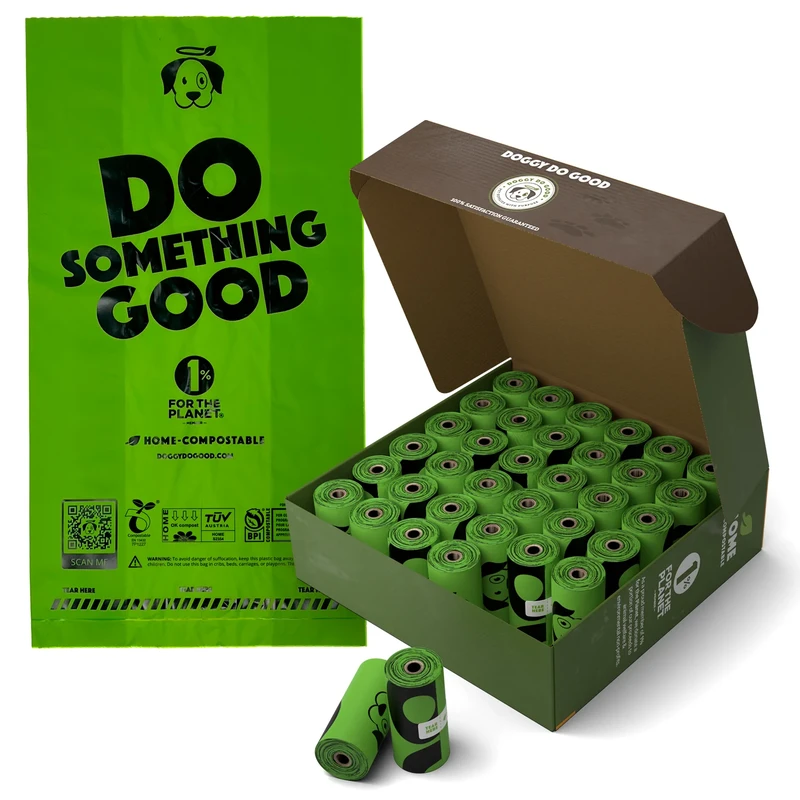
Environmental benefits are often obscured by complex manufacturing processes. For instance, Doggy Do Good bags contain only 38% vegetable-based content. The remaining 62% of the material consists of other components that do not share the same plant-derived properties.
The Microplastic Paradox
The term “compostable” does not always guarantee a return to nature without trace. Many compostable bags are made from fossil fuels treated with chemicals designed to help them biodegrade more quickly—and potentially break down into microplastics. This creates a scenario where the bag disappears from sight but leaves behind microscopic plastic fragments in the soil or water.
Decoding ‘Biodegradable’ vs. ‘Compostable'”
Consumers often confuse these two terms. Compostable dog poop bags are a specific subset of biodegradable bags, typically made from plant-derived materials that can break down completely into natural substances under the right conditions. In contrast, the term “biodegradable” is not tightly regulated, meaning it can be applied to a wide range of products that may not meet strict composting standards. According to the Biodegradable Products Institute (BPI), which sets and certifies composability standards for North America, the distinction is critical for effective waste management.
Infrastructure Compatibility: Should You Buy Compostable or Recycled Plastic?
If your waste is destined for a landfill or incineration, a recycled plastic bag is likely the more sensible choice. This selection minimizes new petroleum use.
In the United States, industrial composting facilities often refuse to accept dog waste. This is because municipal facilities typically reject pet waste due to biohazard concerns and the presence of potential pathogens.
| Disposal Method | Best Bag Type | Environmental Impact |
|---|---|---|
| Landfill | Recycled Plastic | Minimizes new petroleum use; avoids methane release. |
| Industrial Compost | Certified Compostable | Converts waste to organic matter (if permitted). |
| Home Compost | Certified Compostable | Highest efficiency for local nutrient cycling. |
The final destination of your waste dictates the best product. Use compostable bags if you have access to a specialized composting system; otherwise, recycled plastic serves as a practical landfill option.
Top Compostable Bag Brands for 2025
Leading compostable brands for 2025 include Earth Rated, Unni, Moonygreen, Zola Zola, and Greener Walker. When choosing, consider specific needs like Moonygreen’s 9″ x 13″ size or the durability requirements of your specific dog breed.
- Earth Rated: A widely recognized brand in the pet industry.
- Unni Pet Waste Bags: A specialized manufacturer of compostable options.
- Greener Walker: Focuses on eco-friendly waste solutions.
- Zola Zola: Offers compostable alternatives for pet owners.
- Moonygreen: Provides various sizes, including a 9″ x 13″ option.
Durability vs. Degradability: A Stress Test
The trade-off between how fast a bag breaks down and how strong it is can be significant. While degradability is the goal, some users report that the Moonygreen bags tear easily. This physical failure can lead to messy cleanup and unintended environmental exposure if the bag breaks before the waste is properly disposed of.
Size and Utility Comparison
Different breeds require different bag dimensions. While a standard bag might suffice for a small dog, larger breeds may require the 9″ x 13″ size offered by Moonygreen to ensure secure containment. Selecting the wrong size can lead to bag failure, which is a common frustration for owners of large-breed dogs.
How to Compost Dog Waste Safely at Home
To manage pet waste via a DIY Poop Digester, you must establish a controlled environment. This method allows for the decomposition of organic matter in a home setting.
To build a DIY Poop Digester, gather these materials:
- A 20-30 gallon container
- A drill
- A shovel
- Gravel
- Carbon-rich materials
- An enzyme solution
Building a DIY Poop Digester
The process begins by preparing a 20-30 gallon container. You must use a drill to create aeration holes, ensuring the waste does not become an anaerobic mess. This setup allows for a controlled decomposition process that is safer than standard garden composting.
The Importance of Carbon-Rich Materials
Successful composting requires a balance of nitrogen (from the waste) and carbon. You must add carbon-rich materials, such as wood chips or shredded paper, to the container. This prevents the mixture from becoming overly wet or smelling unpleasant, ensuring the decomposition process remains stable.
Common Pitfalls and Storage Protocols
Warning: In landfills, where waste is densely compacted and lacks oxygen, compostable bags decompose anaerobically and release methane.
When waste is densely compacted and lacks oxygen or microorganisms, compostable bags decompose anaerobically. This process releases methane, a potent greenhouse gas.
The Humidity Hazard: Protecting Your Rolls
Compostable materials are sensitive to their environment. If rolls are stored in high-humidity areas, such as a damp garage or a car during summer, the bags can become sticky or lose their structural integrity. This environmental sensitivity can cause the bags to degrade prematurely before they are even used.
Avoiding the Methane Release
To ensure a positive environmental outcome, match your bag choice to your local waste infrastructure. If your waste is destined for a landfill, the “compostable” label may not prevent methane production.
FAQ
Why don’t industrial composters accept dog waste?
Municipal facilities often reject pet waste due to biohazard concerns and the presence of pathogens like E. coli or Salmonella.
Is ‘biodegradable’ the same as ‘compostable’?
No. Compostable bags are a specific subset of biodegradable bags that must break down into non-toxic organic matter under specific conditions.
What happens to compostable bags in a landfill?
In a landfill, they decompose anaerobically (without oxygen), which can lead to the release of methane, a potent greenhouse gas.