
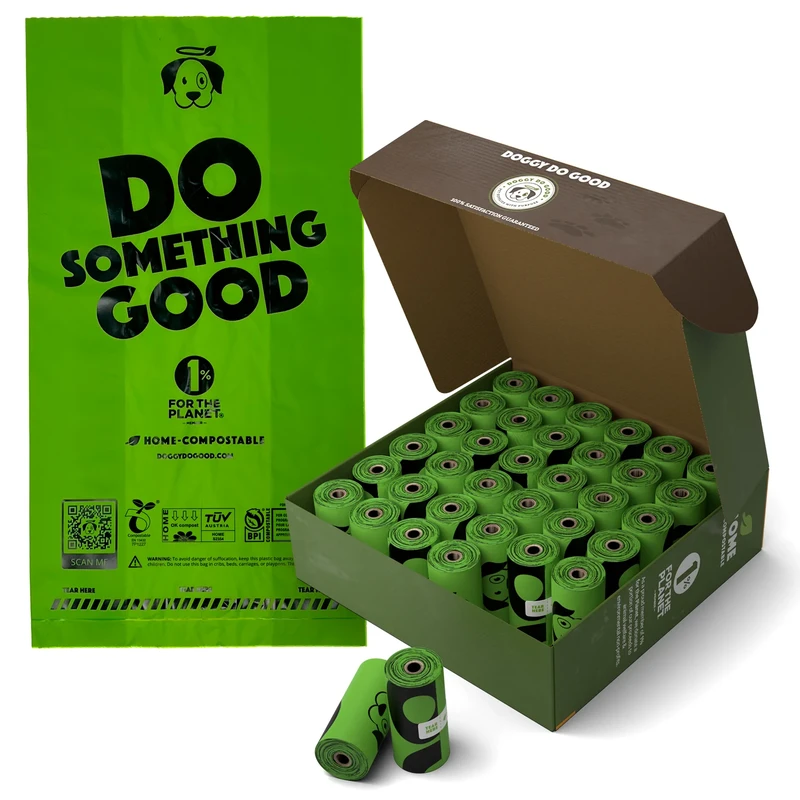
Are Compostable Dog Poop Bags Truly Eco-Friendly?
PawVerde.com – compostable dog poop bags are plant-derived alternatives to plastic that break down into organic matter under specific conditions. However, their environmental benefit depends entirely on your local waste infrastructure; in a landfill, they may take up to 400 years to decompose and can even release methane.
When disposed of in a landfill, these bags can take between 75 to 400 years to decompose. This process often results in the release of methane.
The Compostability Reality Check: Is Your Bag Truly Eco-Friendly?
To avoid greenwashing, audit your packaging for the exact percentage of plant-based content. Many ‘compostable’ bags are only partially vegetable-based (some as low as 38%), while the remainder may consist of fossil-fuel-based materials that can break down into microplastics.
Environmental benefits are often obscured by complex manufacturing processes. For instance, Doggy Do Good bags contain only 38% vegetable-based content. The remaining 62% of the material consists of other components that do not share the same plant-derived properties.
The Microplastic Paradox
The term “compostable” does not always guarantee a return to nature without trace. Many compostable bags are made from fossil fuels treated with chemicals designed to help them biodegrade more quickly—and potentially break down into microplastics. This creates a scenario where the bag disappears from sight but leaves behind microscopic plastic fragments in the soil or water.
Decoding ‘Biodegradable’ vs. ‘Compostable'”
Consumers often confuse these two terms. Compostable dog poop bags are a specific subset of biodegradable bags, typically made from plant-derived materials that can break down completely into natural substances under the right conditions. In contrast, the term “biodegradable” is not tightly regulated, meaning it can be applied to a wide range of products that may not meet strict composting standards. According to the Biodegradable Products Institute (BPI), which sets and certifies composability standards for North America, the distinction is critical for effective waste management.
Infrastructure Compatibility: Should You Buy Compostable or Recycled Plastic?
If your waste is destined for a landfill or incineration, a recycled plastic bag is likely the more sensible choice. This selection minimizes new petroleum use.
In the United States, industrial composting facilities often refuse to accept dog waste. This is because municipal facilities typically reject pet waste due to biohazard concerns and the presence of potential pathogens.
| Disposal Method | Best Bag Type | Environmental Impact |
|---|---|---|
| Landfill | Recycled Plastic | Minimizes new petroleum use; avoids methane release. |
| Industrial Compost | Certified Compostable | Converts waste to organic matter (if permitted). |
| Home Compost | Certified Compostable | Highest efficiency for local nutrient cycling. |
The final destination of your waste dictates the best product. Use compostable bags if you have access to a specialized composting system; otherwise, recycled plastic serves as a practical landfill option.
Top Compostable Bag Brands for 2025
Leading compostable brands for 2025 include Earth Rated, Unni, Moonygreen, Zola Zola, and Greener Walker. When choosing, consider specific needs like Moonygreen’s 9″ x 13″ size or the durability requirements of your specific dog breed.
- Earth Rated: A widely recognized brand in the pet industry.
- Unni Pet Waste Bags: A specialized manufacturer of compostable options.
- Greener Walker: Focuses on eco-friendly waste solutions.
- Zola Zola: Offers compostable alternatives for pet owners.
- Moonygreen: Provides various sizes, including a 9″ x 13″ option.
Durability vs. Degradability: A Stress Test
The trade-off between how fast a bag breaks down and how strong it is can be significant. While degradability is the goal, some users report that the Moonygreen bags tear easily. This physical failure can lead to messy cleanup and unintended environmental exposure if the bag breaks before the waste is properly disposed of.
Size and Utility Comparison
Different breeds require different bag dimensions. While a standard bag might suffice for a small dog, larger breeds may require the 9″ x 13″ size offered by Moonygreen to ensure secure containment. Selecting the wrong size can lead to bag failure, which is a common frustration for owners of large-breed dogs.
How to Compost Dog Waste Safely at Home
To manage pet waste via a DIY Poop Digester, you must establish a controlled environment. This method allows for the decomposition of organic matter in a home setting.
To build a DIY Poop Digester, gather these materials:
- A 20-30 gallon container
- A drill
- A shovel
- Gravel
- Carbon-rich materials
- An enzyme solution
Building a DIY Poop Digester
The process begins by preparing a 20-30 gallon container. You must use a drill to create aeration holes, ensuring the waste does not become an anaerobic mess. This setup allows for a controlled decomposition process that is safer than standard garden composting.
The Importance of Carbon-Rich Materials
Successful composting requires a balance of nitrogen (from the waste) and carbon. You must add carbon-rich materials, such as wood chips or shredded paper, to the container. This prevents the mixture from becoming overly wet or smelling unpleasant, ensuring the decomposition process remains stable.
Common Pitfalls and Storage Protocols
Warning: In landfills, where waste is densely compacted and lacks oxygen, compostable bags decompose anaerobically and release methane.
When waste is densely compacted and lacks oxygen or microorganisms, compostable bags decompose anaerobically. This process releases methane, a potent greenhouse gas.
The Humidity Hazard: Protecting Your Rolls
Compostable materials are sensitive to their environment. If rolls are stored in high-humidity areas, such as a damp garage or a car during summer, the bags can become sticky or lose their structural integrity. This environmental sensitivity can cause the bags to degrade prematurely before they are even used.
Avoiding the Methane Release
To ensure a positive environmental outcome, match your bag choice to your local waste infrastructure. If your waste is destined for a landfill, the “compostable” label may not prevent methane production.
FAQ
Why don’t industrial composters accept dog waste?
Municipal facilities often reject pet waste due to biohazard concerns and the presence of pathogens like E. coli or Salmonella.
Is ‘biodegradable’ the same as ‘compostable’?
No. Compostable bags are a specific subset of biodegradable bags that must break down into non-toxic organic matter under specific conditions.
What happens to compostable bags in a landfill?
In a landfill, they decompose anaerobically (without oxygen), which can lead to the release of methane, a potent greenhouse gas.

Eco-Friendly Cat Litter Disposal: Safe, Sustainable Methods
PawVerde.com – Eco-friendly cat litter disposal requires informed choices about litter materials and disposal methods that reduce environmental harm and address public health concerns. Traditional clay-based litters dominate the market but present significant ecological drawbacks due to strip mining practices that degrade ecosystems and generate high carbon emissions. Moreover, cat feces can contain the parasite Toxoplasma gondii, posing risks to human health and complicating safe disposal options. Selecting biodegradable cat litter composed of plant-based materials such as wood pellets, corn, paper, and walnut shells offers a sustainable alternative that can be composted or disposed of with reduced environmental impact. However, composting pet waste necessitates careful temperature management and adherence to local regulations to ensure pathogen neutralization. municipal composting programs increasingly accommodate pet waste, providing community-level solutions for sustainable disposal. For cat owners without access to such services, sealing waste in biodegradable bags before trash disposal minimizes contamination risks. Flushing cat litter remains discouraged due to sewer system damage and parasite transmission concerns. This article explores the materials, disposal options, health risks, and emerging trends related to eco-friendly cat litter management, integrating expert insights from veterinarians, environmental organizations, and municipal authorities.
Environmental Impact of Traditional Cat Litter Disposal
Clay-based cat litter, primarily composed of bentonite, accounts for the majority of cat litter sales globally. Its production relies heavily on strip mining, an extractive method that removes extensive layers of topsoil, leading to deforestation, habitat loss, and soil erosion. Studies estimate that strip mining for clay litter contributes to CO2 emissions comparable to other non-renewable resource extraction activities, exacerbating climate change concerns. Additionally, clay litter is non-biodegradable, resulting in landfill accumulation where it can take centuries to break down. The disposal of clay litter in landfills also risks leaching contaminants into surrounding soil and groundwater.
The environmental burden extends to the disposal of cat feces, which contain biological hazards including Toxoplasma gondii oocysts. These pathogens survive in soil and water, threatening wildlife and human populations, particularly pregnant women and immunocompromised individuals. Improper disposal methods such as flushing or open dumping increase the risk of environmental contamination. Therefore, sustainable pet waste management must balance ecological preservation with public health safety.
Choosing Eco-Friendly Cat Litter Materials
Biodegradable cat litters derived from renewable plant-based materials have surged in popularity as alternatives to clay. Common materials include wood pellets, corn kernels, wheat, coconut husks, walnut shells, pine pellets, paper fibers, and grass seed. Each offers unique benefits and environmental profiles:
Brands such as Naturally Fresh and Healthy Pet emphasize sustainable sourcing and transparent packaging practices, using recyclable or compostable packaging materials to reduce overall carbon pawprints. Consumers are encouraged to verify brand claims regarding ingredient sourcing and environmental certifications, as greenwashing remains a concern in the pet products industry.
Safe and Sustainable Disposal Methods for Cat Litter
Safe disposal of cat litter balances pathogen control, environmental impact, and compliance with local regulations. Composting biodegradable cat litter is a promising method but requires precise management. To effectively neutralize pathogens such as Toxoplasma gondii, compost piles must maintain temperatures above 145°F (63°C) for several days. This thermophilic phase ensures the destruction of harmful microorganisms, making the compost safe for use away from edible plants. Many municipalities restrict pet waste composting due to these health risks, so cat owners should consult local waste management authorities before initiating composting at home.
Municipal pet waste composting programs have emerged in several regions, providing community-scale solutions. These programs collect pet waste and process it in industrial composting facilities with controlled conditions to eliminate pathogens. Participation typically involves designated bins or drop-off sites. Cat owners should verify program availability and requirements, as not all municipalities accept cat waste due to its distinct pathogen risks compared to dog waste.
For households without composting options, proper trash disposal is essential. Using biodegradable trash bags to contain cat litter waste minimizes plastic use and ensures easier breakdown in landfills. Sealing waste tightly prevents odor emissions and reduces contamination risks. Experts from Colorado Animal Rescue (C.A.R.E.) and veterinarians from Ask A Vet recommend avoiding flushing cat litter, especially clay-based or those containing additives, due to sewer system damage potential and pathogen transmission. Flushing is only considered safe when using specially formulated flushable cat litters and adhering to strict local sewer and septic system guidelines.
Health and Environmental Risks Related to Cat Litter Disposal
Cat feces harbor several zoonotic pathogens, with Toxoplasma gondii posing the most significant concern. This parasite’s oocysts can remain viable in soil and water for extended periods, infecting humans and wildlife. Incomplete pathogen destruction during composting or direct flushing into waterways can propagate environmental contamination. A 2023 study in environmental health journals confirmed that T. gondii is a major contributor to waterborne parasitic infections linked to improper pet waste disposal.
Environmental risks extend to landfill contamination and sewer system blockages. Clay litter clumps can accumulate in pipes, leading to costly repairs and increased maintenance in municipal wastewater systems. Biodegradable litters reduce such impacts but require careful disposal to avoid premature degradation in sewage infrastructure.
Dumping cat litter in natural environments or storm drains is a persistent issue, contributing to soil degradation and aquatic pollution. Pet sustainability organizations advocate for public education campaigns to inform cat owners about responsible disposal practices.
Additional Sustainable Practices in Cat Care
Beyond litter selection and disposal, sustainable cat care practices include choosing durable litter boxes made from recycled materials, which reduce the frequency of replacement and landfill waste. Avoiding disposable liners and using reusable scooping tools further minimize plastic consumption and waste generation. Cleaning routines that employ environmentally friendly detergents and minimal water usage align with broader sustainable household management goals.
Brands like Naturally Fresh also promote ethical practices through supply chain transparency, encouraging consumers to select products with verified environmental and social responsibility credentials. Pet owners can enhance sustainability by opting for multi-cat litter solutions that reduce overall consumption.
Future Trends and Innovations in Eco-Friendly Cat Litter
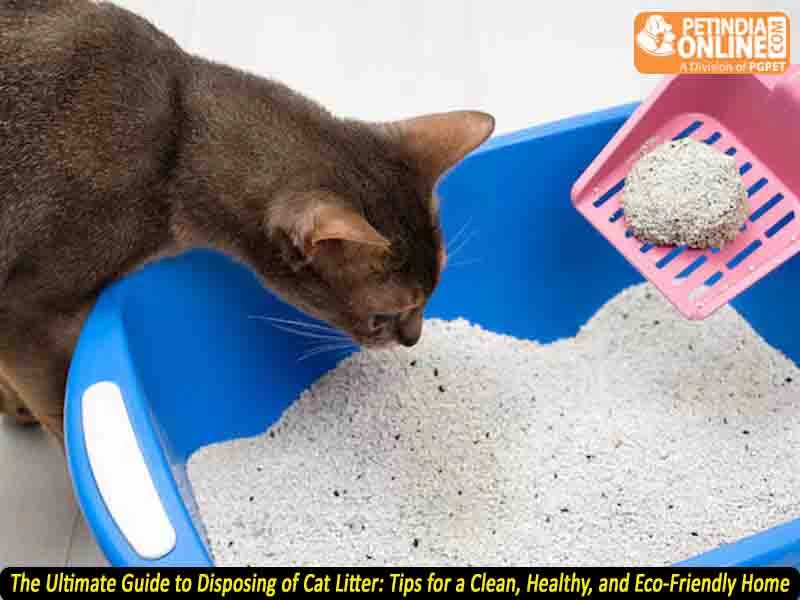
Advances in sustainable pet care are driving innovation in cat litter materials and packaging. Emerging products incorporate novel biomaterials such as mycelium-based litters and algae composites, offering enhanced biodegradability and odor control. Increased pressure from consumers and regulatory bodies is encouraging manufacturers to adopt fully recyclable or compostable packaging, reducing plastic waste.
Digital platforms facilitate better access to municipal composting programs and provide real-time guidance on local regulations, improving compliance and environmental outcomes. Veterinary experts emphasize integrating health risk assessments into pet waste management strategies, underscoring the need for interdisciplinary collaboration between environmental scientists, veterinarians, and waste authorities.
The growth of eco-conscious pet ownership suggests that sustainable cat litter solutions will continue evolving, supported by technological, regulatory, and consumer behavior shifts.
| Cat Litter Material | Biodegradability | Composting Suitability | Environmental Impact | Common Brands |
|---|---|---|---|---|
| Clay-based | No | No | High (strip mining, landfill accumulation) | Traditional mainstream brands |
| Wood Pellets | Yes | Yes (with temperature control) | Low (sustainable forestry byproducts) | Naturally Fresh |
| Corn/Wheat | Yes | Yes (check additives) | Moderate (agricultural resource use) | Healthy Pet |
| Coconut Husk/Walnut Shells | Yes | Yes | Low (renewable agricultural waste) | Various eco-brands |
| Recycled Paper | Yes | Yes | Low (diverts waste from landfill) | Eco-friendly niche brands |
FAQ
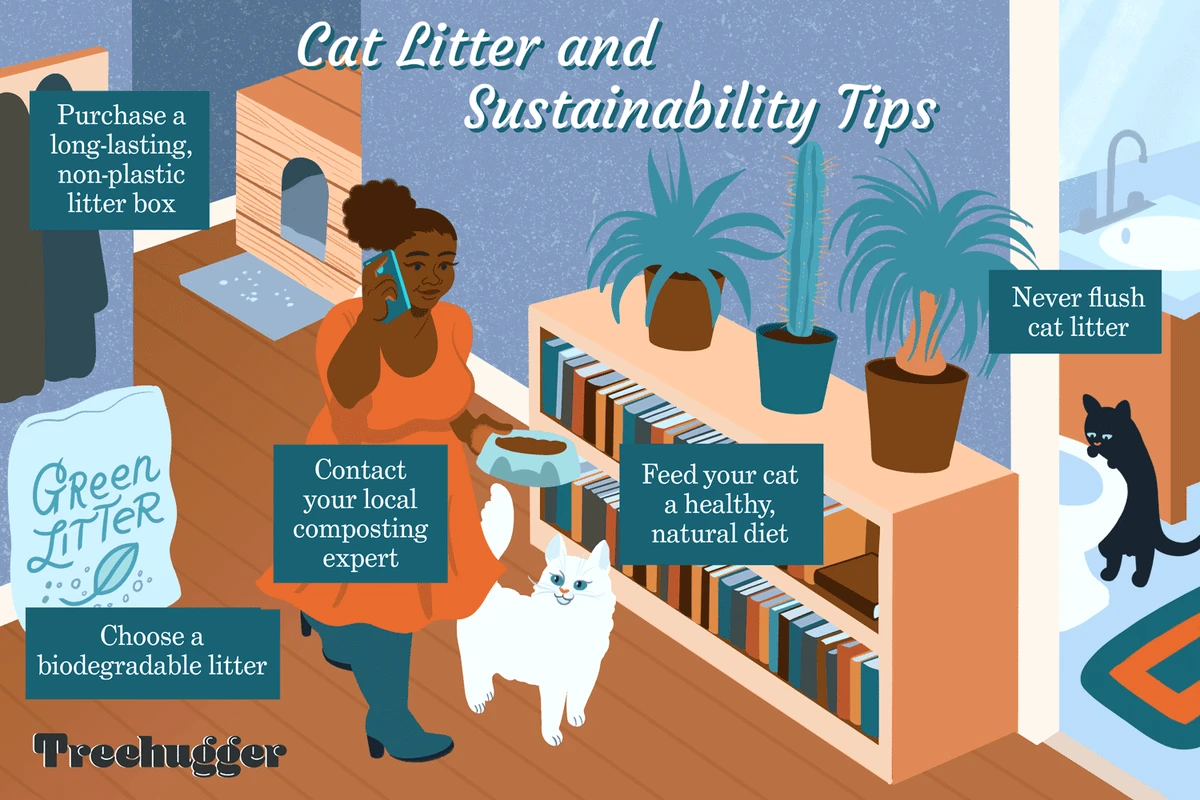
Is it safe to flush biodegradable cat litter down the toilet?
Flushing biodegradable cat litter is generally discouraged due to the presence of pathogens like Toxoplasma gondii and the risk of sewer system damage. Only some flushable litters designed for septic systems may be permitted, and local regulations vary. Consulting local waste authorities and veterinarians is essential before flushing any cat waste.
Can I compost my cat’s used litter at home?
Home composting of cat litter is possible only if strict temperature controls (above 145°F) are maintained to kill pathogens. Without industrial composting equipment, this is difficult to guarantee, and many municipalities prohibit home composting of pet waste. Using municipal composting programs is a safer alternative.
What are the best biodegradable cat litter materials?
Wood pellets, corn, wheat, coconut husks, walnut shells, and recycled paper are among the best biodegradable materials. They offer natural absorbency and odor control while breaking down safely in composts or landfills. Brand transparency and sustainable sourcing further improve environmental outcomes.
How do municipal pet waste composting programs work?
Municipal programs collect pet waste from designated bins or drop-off points and process it in industrial composting facilities that maintain high temperatures to neutralize pathogens. Participation depends on local services, which cat owners should verify with their waste management authorities.
What health risks are associated with cat litter disposal?
The primary health risk is exposure to Toxoplasma gondii, a parasite found in cat feces that can infect humans and animals. Improper disposal methods like flushing or open dumping can spread oocysts into water and soil. Proper disposal and composting methods that kill pathogens mitigate these risks.
—
Sustainable cat litter management demands a multifaceted approach involving the selection of biodegradable materials, adherence to safe disposal protocols, and awareness of health and environmental implications. As awareness grows, innovations and municipal programs are expanding viable options for cat owners committed to reducing their ecological footprint. Continued collaboration among veterinarians, environmental experts, and waste authorities will be pivotal in advancing responsible pet waste practices that protect both public health and the planet.