
Top Organic Pet Foods for Sensitive Stomachs Offer Digestive Relief
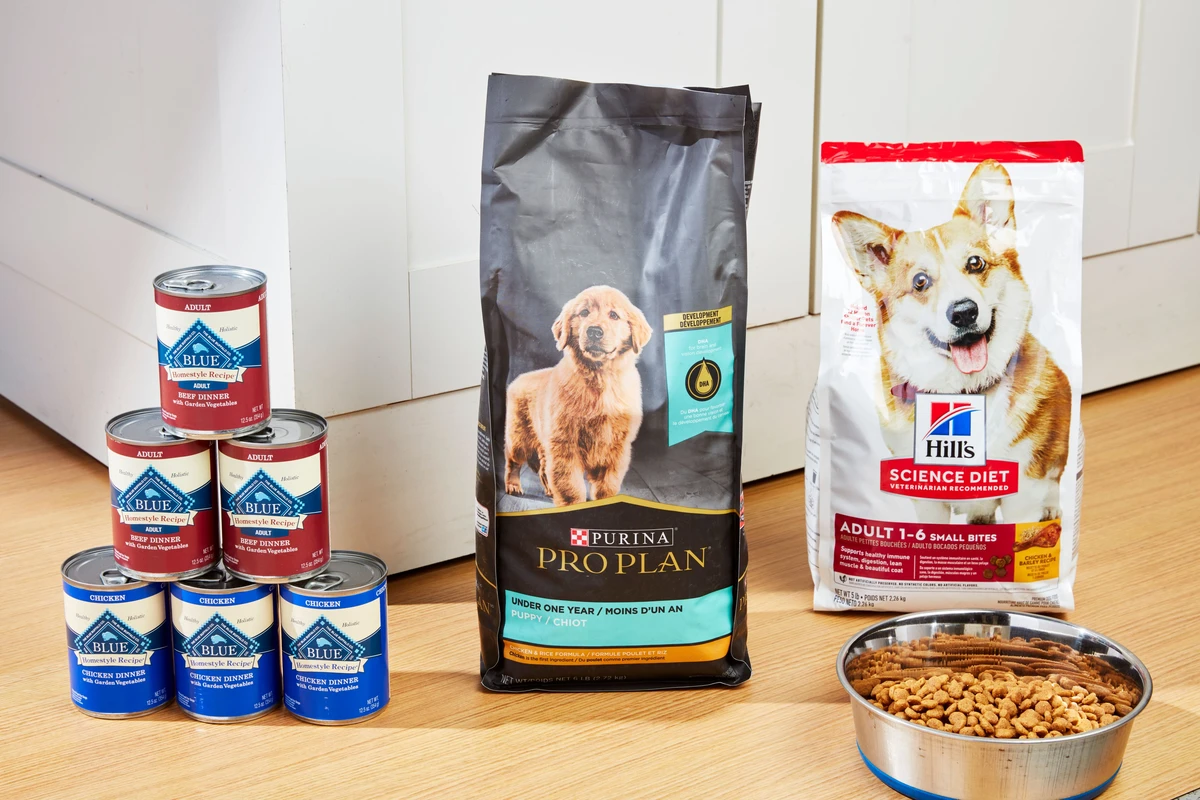
PawVerde.com – Organic pet foods formulated for sensitive stomachs in 2026 prioritize limited ingredient recipes featuring highly digestible proteins such as salmon, turkey, and chicken. These diets exclude common allergens and fillers, instead incorporating gut-supporting fibers like pumpkin and sweet potato. Enhanced with prebiotics and omega-3 fatty acids, these formulas aim to reduce digestive inflammation and promote nutrient absorption. Recognized brands including Nextrition, Dog Child, Weruva, Petcurean Go!, and California Dog Kitchen are leading this trend with vet-formulated, nutrient-retentive options, while established veterinary-recommended lines like Royal Canin and Hill’s Science Diet continue to offer balanced commercial solutions.
The growing prevalence of dietary sensitivities and digestive disorders in pets has driven demand for organic foods free from artificial additives, grains, and excessive fat. Veterinary nutritionists emphasize the importance of nutrient preservation methods such as cold pressing and gentle cooking to protect bioavailability. Novel proteins like deboned salmon and turkey reduce allergic reactions commonly associated with traditional protein sources. Fiber-rich ingredients like pumpkin and sweet potato not only support gut motility but also serve as prebiotics to foster healthy microbiota. This article explores the latest developments in organic pet food for sensitive stomachs, highlights leading products, and offers practical feeding strategies recommended by experts.
Understanding Sensitive Stomachs in Pets
Digestive sensitivity in dogs and cats manifests through symptoms such as chronic diarrhea, vomiting, flatulence, and abdominal discomfort. Common causes include food intolerances, allergies, bacterial imbalances, and underlying gastrointestinal diseases. According to veterinary studies, up to 10-15% of pets suffer from some form of dietary sensitivity, increasing the need for specialized nutrition tailored to reduce allergen exposure and improve gut health.
Diet plays a pivotal role in managing these conditions. Eliminating common allergens such as beef, dairy, and grains while introducing novel or hydrolyzed proteins can significantly reduce immune responses. Furthermore, digestibility is critical; proteins that are easier to break down lessen the digestive burden on compromised systems. veterinary nutritionists advocate for limited ingredient diets that minimize unnecessary additives and fillers, which often exacerbate gastrointestinal distress.
Key Nutritional Components for Sensitive Stomach Pet Foods
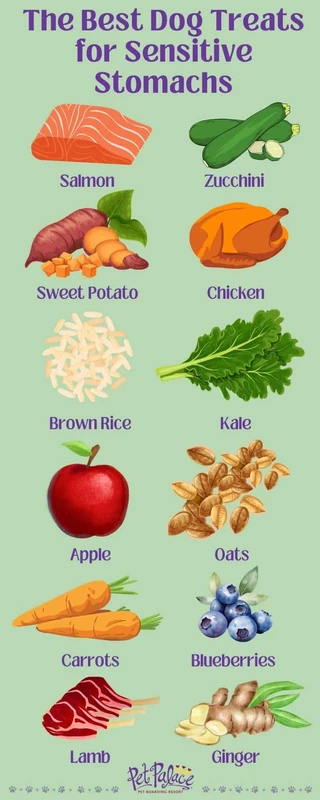
Proteins sourced from salmon, turkey, chicken, and cottage cheese rank highly for sensitive stomach formulas due to their digestibility and low allergenic potential. Deboned salmon is particularly favored for its omega-3 fatty acid content, which has anti-inflammatory properties beneficial for gut lining repair. Turkey and chicken provide lean protein options with minimal fat content, reducing digestive workload.
Fiber inclusion focuses on pumpkin and sweet potato, which not only provide soluble and insoluble fibers to regulate bowel movements but also act as prebiotics that nourish beneficial gut bacteria. Prebiotics such as fructooligosaccharides (FOS) and inulin are increasingly incorporated to promote a balanced microbiome, enhancing digestion and immune function.
Avoiding fillers like corn, wheat, soy, and artificial preservatives remains a priority. High-fat diets can worsen symptoms in sensitive pets by triggering pancreatitis or causing malabsorption. Therefore, formulations emphasize balanced macronutrient profiles with moderate fat levels and the inclusion of digestive enzymes to facilitate nutrient breakdown.
Omega-3 fatty acids from fish oils or flaxseed are standard additions, supporting anti-inflammatory pathways and skin health, which is often compromised in pets with food sensitivities.
Top Organic and Natural Pet Food Brands and Products for Sensitive Stomachs in 2026
Nextrition’s cold-pressed dog food line exemplifies nutrient preservation by using low-heat processing, maintaining the integrity of vitamins, enzymes, and antioxidants. Their formulas center on salmon and pumpkin, ensuring high digestibility and fiber content. Cold pressing reduces Maillard reaction effects, retaining amino acid availability crucial for sensitive pets.
Dog Child offers vet-formulated meal mixes designed for freshness and digestibility, focusing on turkey and chicken proteins with limited ingredient profiles. Their approach includes prebiotic fiber blends and omega-3 enrichment, aligning with veterinary recommendations for digestive health support.
Weruva’s Paw Lickin’ Chicken canned food stands out for minimal ingredients and grain-free composition, using chicken as a novel protein source with added pumpkin for fiber. The brand prioritizes human-grade ingredients and avoids artificial additives, appealing to pet owners seeking transparent sourcing.
Petcurean Go! Limited Ingredient Diet caters to feline sensitivities with turkey-based, grain-free recipes incorporating sweet potato and prebiotics. Veterinary nutritionists involved in formulation ensure balanced amino acid profiles and appropriate nutrient density for cats prone to digestive upset.
California Dog Kitchen emphasizes human-grade, vet-formulated meals that support skin and digestion through lean proteins and fiber-rich vegetables. Their meals often include novel proteins combined with pumpkin and sweet potato, plus digestive enzymes for enhanced nutrient uptake.
Veterinary-recommended commercial diets from Royal Canin and Hill’s Science Diet remain staples for sensitive stomach management. These brands utilize extensive clinical research and veterinary oversight to develop balanced formulas targeting specific digestive issues, including hydrolyzed protein options and fiber blends to reduce gut inflammation.
| Brand | Protein Source | Key Features | Vet Formulated | Digestive Support |
|---|---|---|---|---|
| Nextrition | Deboned Salmon | Cold-pressed, pumpkin fiber, prebiotics | Yes | Omega-3 fatty acids, low-fat |
| Dog Child | Turkey, Chicken | Fresh meal mixes, limited ingredients | Yes | Prebiotic fiber blends, omega-3 |
| Weruva | Chicken | Grain-free, minimal ingredients, canned | No (human-grade) | Pumpkin fiber |
| Petcurean Go! | Turkey | Limited ingredient, grain-free, cat-specific | Yes | Prebiotics, balanced amino acids |
| California Dog Kitchen | Novel Proteins | Human-grade, vet-formulated, skin & digestion focus | Yes | Digestive enzymes, fiber |
| Royal Canin | Hydrolyzed Proteins | Veterinary diets, clinical research | Yes | Fiber blends, gut health formulas |
| Hill’s Science Diet | Chicken, Turkey | Veterinary recommended, balanced nutrition | Yes | Prebiotics, antioxidants |
Homemade Diets for Sensitive Stomachs
Veterinarians recommend homemade diets as an alternative or complement to commercial foods, especially when managing diagnosed food intolerances. Simple recipes often combine lean proteins such as boiled chicken or turkey with easily digestible carbohydrates like white rice or potato, supplemented with fiber sources like pumpkin puree.
A typical vet-prescribed sensitive stomach recipe might include:
veterinary consultation is essential when formulating homemade diets to ensure balanced macronutrients and micronutrients, preventing deficiencies common in unbalanced home cooking. Additionally, elimination diets conducted under vet supervision help identify specific allergens by systematically reintroducing ingredients.
Feeding Tips for Pets with Sensitive Stomachs
Transitioning pets with sensitive digestion to new diets requires a gradual approach over 7-10 days to minimize gastrointestinal upset. Mixing increasing proportions of the new food with the old diet allows adaptation of the gut microbiota.
Low-sodium bone broth is recommended to stimulate appetite and provide hydration without overwhelming sensitive digestive systems. Bone broth also supplies gelatin and amino acids that support gut lining repair.
Close monitoring for changes in stool quality, vomiting frequency, and energy levels guides necessary adjustments. If symptoms persist, veterinary evaluation is critical to rule out underlying illnesses or nutrient absorption issues.
Environmental and Health Benefits of Organic Pet Food

Organic pet foods derive ingredients from farms avoiding synthetic pesticides, herbicides, and genetically modified organisms, reducing environmental toxin load. This approach benefits not only pet health but also promotes sustainable agricultural practices.
Nutrient integrity in organic crops is often higher due to improved soil management, contributing to superior fiber and antioxidant profiles in pet foods. Avoidance of chemical residues aligns with the goal of minimizing immune triggers in sensitive pets.
Moreover, organic pet food production adheres to ethical sourcing standards, supporting animal welfare and biodiversity, which resonates with environmentally conscious consumers.
FAQ
What are the best protein sources for pets with sensitive stomachs?
The most digestible proteins include deboned salmon, turkey, and chicken, which are less likely to trigger allergic reactions. Novel proteins like duck or rabbit may also be recommended by veterinarians to reduce food sensitivities.
How do prebiotics benefit pets with digestive issues?
Prebiotics such as pumpkin fiber and inulin nourish beneficial gut bacteria, improving digestion, enhancing nutrient absorption, and reducing inflammation in the gastrointestinal tract.
Are grain-free diets better for pets with sensitive stomachs?
Grain-free diets can reduce exposure to common allergens but are not universally necessary. The key is limiting ingredients to those the pet tolerates well, whether grain-free or not, under veterinary guidance.
Can homemade diets provide complete nutrition for sensitive pets?
Homemade diets can be balanced if formulated with veterinary input to ensure proper nutrient ratios. Unsupervised homemade feeding risks deficiencies or excesses that can worsen health issues.
What role do omega-3 fatty acids play in sensitive stomach pet foods?
Omega-3 fatty acids have anti-inflammatory effects that support gut lining repair and overall digestive health, making them a valuable addition to sensitive stomach diets.
—
In 2026, owners seeking to optimize digestive health for pets with sensitive stomachs must consider organic, limited ingredient diets emphasizing digestible proteins and gut-friendly fibers. Combining commercial vet-formulated options with tailored feeding practices and, where appropriate, carefully supervised homemade diets, offers the best path to managing food sensitivities and improving quality of life. Continued innovation in nutrient preservation and ingredient transparency further empowers pet owners to make informed, health-promoting choices.