
Top Organic Pet Foods for Sensitive Stomachs Offer Digestive Relief
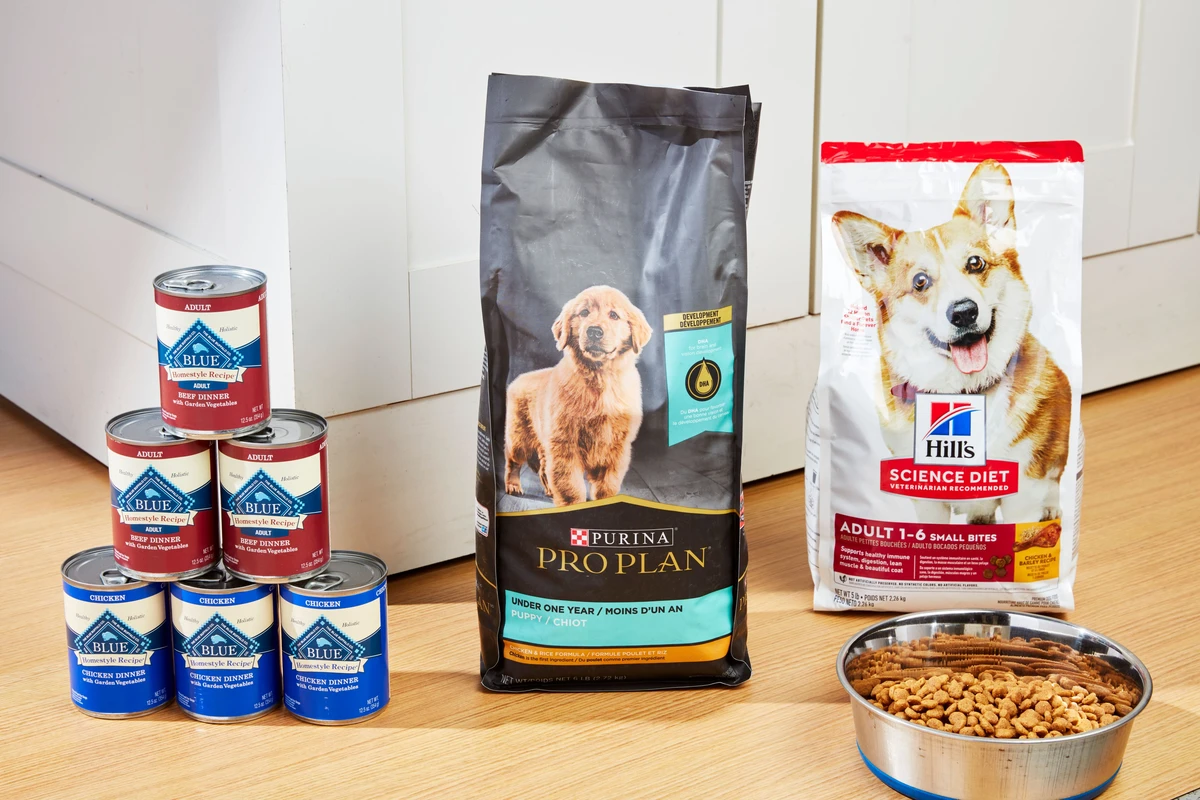
PawVerde.com – Organic pet foods formulated for sensitive stomachs in 2026 prioritize limited ingredient recipes featuring highly digestible proteins such as salmon, turkey, and chicken. These diets exclude common allergens and fillers, instead incorporating gut-supporting fibers like pumpkin and sweet potato. Enhanced with prebiotics and omega-3 fatty acids, these formulas aim to reduce digestive inflammation and promote nutrient absorption. Recognized brands including Nextrition, Dog Child, Weruva, Petcurean Go!, and California Dog Kitchen are leading this trend with vet-formulated, nutrient-retentive options, while established veterinary-recommended lines like Royal Canin and Hill’s Science Diet continue to offer balanced commercial solutions.
The growing prevalence of dietary sensitivities and digestive disorders in pets has driven demand for organic foods free from artificial additives, grains, and excessive fat. Veterinary nutritionists emphasize the importance of nutrient preservation methods such as cold pressing and gentle cooking to protect bioavailability. Novel proteins like deboned salmon and turkey reduce allergic reactions commonly associated with traditional protein sources. Fiber-rich ingredients like pumpkin and sweet potato not only support gut motility but also serve as prebiotics to foster healthy microbiota. This article explores the latest developments in organic pet food for sensitive stomachs, highlights leading products, and offers practical feeding strategies recommended by experts.
Understanding Sensitive Stomachs in Pets
Digestive sensitivity in dogs and cats manifests through symptoms such as chronic diarrhea, vomiting, flatulence, and abdominal discomfort. Common causes include food intolerances, allergies, bacterial imbalances, and underlying gastrointestinal diseases. According to veterinary studies, up to 10-15% of pets suffer from some form of dietary sensitivity, increasing the need for specialized nutrition tailored to reduce allergen exposure and improve gut health.
Diet plays a pivotal role in managing these conditions. Eliminating common allergens such as beef, dairy, and grains while introducing novel or hydrolyzed proteins can significantly reduce immune responses. Furthermore, digestibility is critical; proteins that are easier to break down lessen the digestive burden on compromised systems. veterinary nutritionists advocate for limited ingredient diets that minimize unnecessary additives and fillers, which often exacerbate gastrointestinal distress.
Key Nutritional Components for Sensitive Stomach Pet Foods
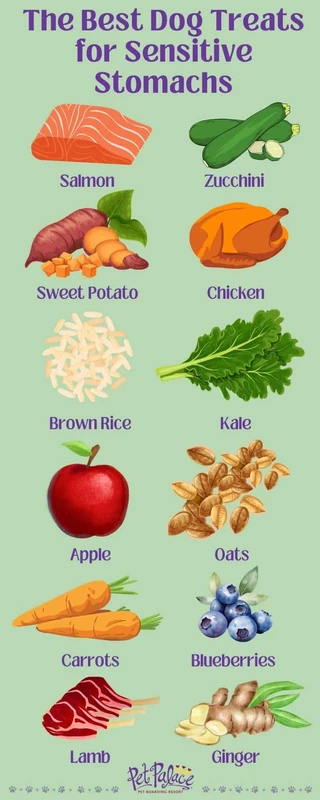
Proteins sourced from salmon, turkey, chicken, and cottage cheese rank highly for sensitive stomach formulas due to their digestibility and low allergenic potential. Deboned salmon is particularly favored for its omega-3 fatty acid content, which has anti-inflammatory properties beneficial for gut lining repair. Turkey and chicken provide lean protein options with minimal fat content, reducing digestive workload.
Fiber inclusion focuses on pumpkin and sweet potato, which not only provide soluble and insoluble fibers to regulate bowel movements but also act as prebiotics that nourish beneficial gut bacteria. Prebiotics such as fructooligosaccharides (FOS) and inulin are increasingly incorporated to promote a balanced microbiome, enhancing digestion and immune function.
Avoiding fillers like corn, wheat, soy, and artificial preservatives remains a priority. High-fat diets can worsen symptoms in sensitive pets by triggering pancreatitis or causing malabsorption. Therefore, formulations emphasize balanced macronutrient profiles with moderate fat levels and the inclusion of digestive enzymes to facilitate nutrient breakdown.
Omega-3 fatty acids from fish oils or flaxseed are standard additions, supporting anti-inflammatory pathways and skin health, which is often compromised in pets with food sensitivities.
Top Organic and Natural Pet Food Brands and Products for Sensitive Stomachs in 2026
Nextrition’s cold-pressed dog food line exemplifies nutrient preservation by using low-heat processing, maintaining the integrity of vitamins, enzymes, and antioxidants. Their formulas center on salmon and pumpkin, ensuring high digestibility and fiber content. Cold pressing reduces Maillard reaction effects, retaining amino acid availability crucial for sensitive pets.
Dog Child offers vet-formulated meal mixes designed for freshness and digestibility, focusing on turkey and chicken proteins with limited ingredient profiles. Their approach includes prebiotic fiber blends and omega-3 enrichment, aligning with veterinary recommendations for digestive health support.
Weruva’s Paw Lickin’ Chicken canned food stands out for minimal ingredients and grain-free composition, using chicken as a novel protein source with added pumpkin for fiber. The brand prioritizes human-grade ingredients and avoids artificial additives, appealing to pet owners seeking transparent sourcing.
Petcurean Go! Limited Ingredient Diet caters to feline sensitivities with turkey-based, grain-free recipes incorporating sweet potato and prebiotics. Veterinary nutritionists involved in formulation ensure balanced amino acid profiles and appropriate nutrient density for cats prone to digestive upset.
California Dog Kitchen emphasizes human-grade, vet-formulated meals that support skin and digestion through lean proteins and fiber-rich vegetables. Their meals often include novel proteins combined with pumpkin and sweet potato, plus digestive enzymes for enhanced nutrient uptake.
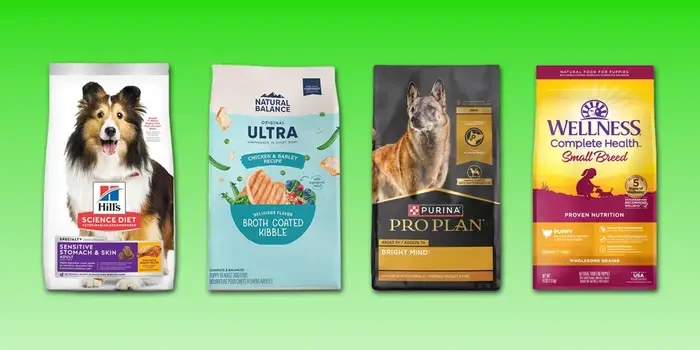
Veterinary-recommended commercial diets from Royal Canin and Hill’s Science Diet remain staples for sensitive stomach management. These brands utilize extensive clinical research and veterinary oversight to develop balanced formulas targeting specific digestive issues, including hydrolyzed protein options and fiber blends to reduce gut inflammation.
| Brand | Protein Source | Key Features | Vet Formulated | Digestive Support |
|---|---|---|---|---|
| Nextrition | Deboned Salmon | Cold-pressed, pumpkin fiber, prebiotics | Yes | Omega-3 fatty acids, low-fat |
| Dog Child | Turkey, Chicken | Fresh meal mixes, limited ingredients | Yes | Prebiotic fiber blends, omega-3 |
| Weruva | Chicken | Grain-free, minimal ingredients, canned | No (human-grade) | Pumpkin fiber |
| Petcurean Go! | Turkey | Limited ingredient, grain-free, cat-specific | Yes | Prebiotics, balanced amino acids |
| California Dog Kitchen | Novel Proteins | Human-grade, vet-formulated, skin & digestion focus | Yes | Digestive enzymes, fiber |
| Royal Canin | Hydrolyzed Proteins | Veterinary diets, clinical research | Yes | Fiber blends, gut health formulas |
| Hill’s Science Diet | Chicken, Turkey | Veterinary recommended, balanced nutrition | Yes | Prebiotics, antioxidants |
Homemade Diets for Sensitive Stomachs
Veterinarians recommend homemade diets as an alternative or complement to commercial foods, especially when managing diagnosed food intolerances. Simple recipes often combine lean proteins such as boiled chicken or turkey with easily digestible carbohydrates like white rice or potato, supplemented with fiber sources like pumpkin puree.
A typical vet-prescribed sensitive stomach recipe might include:
veterinary consultation is essential when formulating homemade diets to ensure balanced macronutrients and micronutrients, preventing deficiencies common in unbalanced home cooking. Additionally, elimination diets conducted under vet supervision help identify specific allergens by systematically reintroducing ingredients.
Feeding Tips for Pets with Sensitive Stomachs
Transitioning pets with sensitive digestion to new diets requires a gradual approach over 7-10 days to minimize gastrointestinal upset. Mixing increasing proportions of the new food with the old diet allows adaptation of the gut microbiota.
Low-sodium bone broth is recommended to stimulate appetite and provide hydration without overwhelming sensitive digestive systems. Bone broth also supplies gelatin and amino acids that support gut lining repair.
Close monitoring for changes in stool quality, vomiting frequency, and energy levels guides necessary adjustments. If symptoms persist, veterinary evaluation is critical to rule out underlying illnesses or nutrient absorption issues.
Environmental and Health Benefits of Organic Pet Food
Organic pet foods derive ingredients from farms avoiding synthetic pesticides, herbicides, and genetically modified organisms, reducing environmental toxin load. This approach benefits not only pet health but also promotes sustainable agricultural practices.
Nutrient integrity in organic crops is often higher due to improved soil management, contributing to superior fiber and antioxidant profiles in pet foods. Avoidance of chemical residues aligns with the goal of minimizing immune triggers in sensitive pets.
Moreover, organic pet food production adheres to ethical sourcing standards, supporting animal welfare and biodiversity, which resonates with environmentally conscious consumers.
FAQ
What are the best protein sources for pets with sensitive stomachs?
The most digestible proteins include deboned salmon, turkey, and chicken, which are less likely to trigger allergic reactions. Novel proteins like duck or rabbit may also be recommended by veterinarians to reduce food sensitivities.
How do prebiotics benefit pets with digestive issues?
Prebiotics such as pumpkin fiber and inulin nourish beneficial gut bacteria, improving digestion, enhancing nutrient absorption, and reducing inflammation in the gastrointestinal tract.
Are grain-free diets better for pets with sensitive stomachs?
Grain-free diets can reduce exposure to common allergens but are not universally necessary. The key is limiting ingredients to those the pet tolerates well, whether grain-free or not, under veterinary guidance.
Can homemade diets provide complete nutrition for sensitive pets?
Homemade diets can be balanced if formulated with veterinary input to ensure proper nutrient ratios. Unsupervised homemade feeding risks deficiencies or excesses that can worsen health issues.
What role do omega-3 fatty acids play in sensitive stomach pet foods?
Omega-3 fatty acids have anti-inflammatory effects that support gut lining repair and overall digestive health, making them a valuable addition to sensitive stomach diets.
—
In 2026, owners seeking to optimize digestive health for pets with sensitive stomachs must consider organic, limited ingredient diets emphasizing digestible proteins and gut-friendly fibers. Combining commercial vet-formulated options with tailored feeding practices and, where appropriate, carefully supervised homemade diets, offers the best path to managing food sensitivities and improving quality of life. Continued innovation in nutrient preservation and ingredient transparency further empowers pet owners to make informed, health-promoting choices.

Probiotics vs Prebiotics in Pet Supplements: Key Gut Health Roles
PawVerde.com – Probiotics and prebiotics have become foundational components in the evolving landscape of pet digestive health supplements, each playing a distinct yet complementary role in supporting the gut microbiome of dogs and cats. As pet owners increasingly seek to optimize their animals’ digestive and immune health, understanding the specific functions, benefits, and limitations of these supplements is critical. Probiotics introduce live beneficial bacteria to restore microbial balance, particularly effective after illness or antibiotic treatment, whereas prebiotics provide indigestible fibers that nourish native beneficial bacteria, promoting sustainable gut flora health. This article examines these entities in depth, highlighting their individual and combined impacts on pet gut health, the emerging importance of postbiotics, and the necessity of veterinary guidance in personalized supplementation strategies.
Understanding the Complexity of the Pet Gut Microbiome
The gastrointestinal tracts of dogs and cats harbor trillions of microorganisms encompassing thousands of bacterial species that collectively form the gut microbiome. This complex ecosystem plays a pivotal role in digestion, nutrient absorption, immune regulation, and protection against pathogens. Scientific studies estimate that the diversity of microbial species in a healthy pet gut exceeds 1,000 distinct types, far surpassing the limited strains typically found in commercial supplements. A balanced gut microbiome supports efficient carbohydrate fermentation, producing beneficial short-chain fatty acids (SCFAs) such as butyrate and propionate, which contribute to intestinal lining integrity and modulate systemic immune responses.
Disruption of this microbiome, whether through illness, antibiotic therapy, or dietary changes, can lead to gastrointestinal symptoms including diarrhea, bloating, and immune dysregulation. Consequently, maintaining microbial balance through targeted supplementation has become an area of interest in veterinary nutrition. However, the inherent complexity and variability of the pet microbiome necessitate precise understanding of supplement roles to avoid adverse effects and maximize benefits.
Probiotics: Live Beneficial Bacteria and Their Role in Pet Health
Probiotics are defined as live microorganisms that, when administered in adequate amounts, confer a health benefit to the host. In pets, the primary probiotic genera include Lactobacillus and Bifidobacterium species, selected for their resilience in the gastrointestinal environment and ability to colonize or transiently persist in the gut. Probiotic supplementation aims to replenish beneficial bacteria populations depleted by infections, antibiotic use, or stress-related dysbiosis.
Clinical evidence supports probiotics’ efficacy in reducing the duration and severity of diarrhea in dogs and cats, particularly following antibiotic treatment or acute gastroenteritis. For example, studies show that Lactobacillus acidophilus supplementation can shorten diarrhea episodes by 1–2 days and improve stool consistency. Probiotics also contribute to immune modulation by enhancing mucosal barrier function and stimulating anti-inflammatory cytokine production.
Despite these benefits, probiotic formulations face limitations. Commercial supplements typically contain between 40 to 50 bacterial strains, a fraction of the natural microbiome’s diversity. Moreover, strain viability and stability can be compromised by manufacturing processes, storage conditions, and gastric acidity. Not all probiotic strains equally colonize or benefit every pet, resulting in variable clinical outcomes. Furthermore, live probiotics may pose risks in immunocompromised animals or those with severe illness, warranting cautious use under veterinary supervision.
Prebiotics: Feeding the Beneficial Bacteria for Long-Term Gut Health
Unlike probiotics, prebiotics are non-digestible dietary fibers that selectively stimulate the growth and activity of beneficial gut bacteria. Common prebiotics used in pet supplements include inulin, fructooligosaccharides (FOS), and xylooligosaccharides (XOS). These fibers resist digestion in the upper gastrointestinal tract and undergo fermentation by colonic bacteria, producing SCFAs that nourish intestinal cells and regulate immune function.
Prebiotic supplementation can improve stool quality, enhance mineral absorption, and reduce inflammation in the gut. For example, inulin supplementation in dogs has been linked to increased populations of Bifidobacterium and Lactobacillus species, which correlate with improved digestive health markers. Additionally, prebiotics assist in maintaining gut flora diversity, supporting resilience against pathogenic colonization.
However, prebiotics are not without challenges. Overdosing can lead to excessive fermentation, resulting in gas, bloating, or diarrhea, particularly in pets with sensitive gastrointestinal systems. Determining optimal dosing requires careful consideration of the pet’s size, diet, and health status. Furthermore, the fiber source and degree of polymerization influence fermentability and tolerance. For instance, longer-chain inulin is fermented more slowly than shorter-chain FOS, affecting the onset and intensity of gastrointestinal symptoms.
Postbiotics: The Emerging Frontier in Pet Digestive Health
Postbiotics refer to the bioactive metabolites produced by probiotic bacteria during fermentation, including SCFAs, enzymes, peptides, and cell wall components. Unlike probiotics, postbiotics are non-living and offer stability advantages, eliminating concerns around bacterial viability and storage.
Recent research highlights postbiotics’ potential to modulate immune responses, enhance gut barrier integrity, and inhibit pathogenic bacteria. In pets, early studies indicate that supplementation with postbiotic-rich formulations can alleviate inflammation and support recovery from gastrointestinal disorders. For example, SCFAs such as butyrate have shown promise in reducing colonic inflammation and promoting epithelial cell repair in canine models.
The adoption of postbiotics in pet supplements remains nascent but growing, with veterinary professionals recognizing their role as adjuncts or alternatives to live probiotics, particularly in situations where live bacteria pose risks or stability challenges.
Synbiotics: Synergistic Combinations for Enhanced Gut Support
Synbiotics combine probiotics and prebiotics within a single formulation to synergistically support the gut microbiome. This approach leverages prebiotics to provide a substrate that enhances the survival and activity of administered probiotic strains, potentially improving colonization and clinical efficacy.
Formulating synbiotics requires precise matching of probiotic strains with compatible prebiotic fibers. For instance, pairing Bifidobacterium species with FOS has demonstrated enhanced growth and SCFA production in vitro. Clinical trials in dogs have observed improved stool quality and reduced gastrointestinal inflammation with synbiotic use compared to probiotics or prebiotics alone.
Phased supplementation strategies may also be employed, initiating probiotics to restore microbiota balance followed by prebiotics to sustain beneficial populations. However, synbiotic formulations must be carefully dosed to minimize gastrointestinal side effects, especially in pets with sensitive digestion.
Veterinary Guidance and Practical Considerations in Pet Supplementation
The sensitivity of pets to prebiotic fibers varies widely, necessitating tailored dosing to avoid adverse gastrointestinal symptoms. Veterinary professionals recommend starting with low doses and gradually increasing to allow microbial adaptation. Assessing pet-specific factors such as breed, age, diet, and underlying health conditions is critical for optimizing supplement choice.
Probiotics require special storage conditions to maintain viability, often needing refrigeration and protection from moisture and heat. In contrast, prebiotics and postbiotics offer greater stability and longer shelf life, making them preferable in some scenarios.
Professional veterinary input ensures that supplementation complements the pet’s overall health management plan, avoiding unnecessary or excessive use. Veterinary-recommended products often undergo rigorous quality control and contain strains or fibers validated in clinical research, enhancing safety and effectiveness.
Selecting Between Probiotics and Prebiotics for Pet Supplements
Probiotics and prebiotics serve distinct yet synergistic roles in maintaining pet gut microbiome balance and digestive health. Probiotics provide live bacteria that can rapidly restore microbial populations depleted by illness or antibiotic treatment, offering acute benefits in digestive upset scenarios. Prebiotics, by contrast, focus on nourishing and sustaining the pet’s endogenous beneficial bacteria, supporting long-term gut ecosystem stability and immune regulation.
Emerging postbiotics add a new dimension by delivering bioactive microbial metabolites without the viability concerns of live organisms. Synbiotic formulations harness the advantages of both probiotics and prebiotics, enhancing efficacy through targeted combinations.
Choosing the appropriate supplement depends on the pet’s health status, gastrointestinal sensitivity, and specific therapeutic goals. Personalized strategies guided by veterinary expertise remain essential to optimize outcomes while minimizing risks.
FAQ: Probiotics and Prebiotics in Pet Supplements
What is the main difference between probiotics and prebiotics for pets?
Probiotics are live beneficial bacteria introduced to replenish the gut microbiome, particularly useful after digestive disturbances. Prebiotics are non-digestible fibers that feed and promote the growth of these beneficial bacteria, supporting sustained gut health.
Can prebiotics cause digestive issues in pets?
Yes. Overconsumption of prebiotic fibers like inulin and FOS can lead to gas, bloating, or diarrhea, especially in pets with sensitive gastrointestinal tracts. Proper dosing and gradual introduction reduce these risks.
Are all probiotic supplements equally effective for dogs and cats?
No. Effectiveness depends on probiotic strain diversity, viability, and the pet’s individual gut microbiome. Some strains have documented benefits in pets, while others may have limited colonization or efficacy.
What role do veterinary professionals play in pet probiotic and prebiotic use?
Veterinarians assess pet health, recommend appropriate supplements, adjust dosing, and monitor responses, ensuring safe and effective use tailored to individual needs.
How do synbiotics improve pet gut health compared to using probiotics or prebiotics alone?
Synbiotics combine probiotics and prebiotics to synergistically enhance beneficial bacterial growth and activity, potentially improving colonization and digestive health outcomes more effectively than either component alone.
As research progresses, the integration of probiotics, prebiotics, postbiotics, and synbiotics in pet health regimens will become increasingly refined. Future developments may include precision formulations tailored to the unique microbiome profiles of individual pets, enhancing therapeutic efficacy and promoting lifelong digestive and immune wellbeing. Veterinary professionals will continue to play a critical role in guiding evidence-based use of these supplements, ensuring the optimal balance between innovation and safety.