

Eco-Friendly Dog Toys: Why Sustainable Materials Are Safer
PawVerde.com – Eco-friendly dog toys prioritize material safety and environmental impact by using renewable resources like natural rubber, hemp, and organic cotton. Unlike traditional plastic toys that can splinter and cause internal injuries, sustainable options often feature fewer chemical additives and higher durability for various chewing styles.
Current market trends indicate that 29% of eco-conscious pet parents now actively prefer biodegradable options for their dogs. This shift reflects a growing awareness of how pet products impact both the household environment and the long-term health of animals.
The hidden dangers of traditional plastic toys
Plastic toys may appear durable, but they present significant physiological risks to pets. When these items are chewed down, they can splinter into sharp fragments. If a dog ingests these shards, they can cause severe internal injuries or life-threatening blockages within the digestive tract.
The splintering risk
The mechanical failure of hard plastics often results in jagged edges. Unlike flexible materials, rigid plastic does not deform under pressure; it fractures. This failure mode is a primary driver behind the move toward more resilient, sustainable alternatives.
Chemical leaching vs. material purity
Beyond physical injury, the composition of the material itself is a concern. It is noted that many dog owners focus on durability or price when choosing toys. However, material safety often matters far more. Traditional plastics may contain additives that are not present in high-quality, renewable materials used in eco-friendly manufacturing.
How to verify eco-friendly claims and avoid greenwashing
To avoid greenwashing, look for specific third-party certifications such as USDA Organic, OEKO-TEX, or BPI Compostable. Ensure the product is truly made from renewable materials like bamboo or hemp rather than being labeled ‘eco-friendly’ while containing toxic dyes or mixed plastics.
Greenwashing occurs when products are marketed as environmentally friendly but are actually composed of mixed plastics or treated with toxic dyes. To ensure you are purchasing a truly sustainable product, follow these verification steps:
- Check for official certification logos on the packaging or product description.
- Verify if the materials are renewable, such as bamboo or hemp.
- Confirm if the product is biodegradable or made from recycled textiles.
- Inquire about the manufacturing process to ensure it avoids harmful chemical additives.
The best sustainable materials for different chewing styles
Selecting the right toy depends on your dog’s chewing category: Light chewers benefit from soft rubber or organic cotton; Moderate chewers need dense rubber or reinforced fibers; Aggressive chewers require thick, heavy-duty natural rubber that bends rather than breaks.
While many assume all “tough” toys are equal, a material mismatch can lead to rapid product failure. For example, a toy that is too soft for an aggressive chewer will be destroyed in minutes, while a toy that is too hard for a light chewer may cause dental discomfort.
| Material | Best For | Eco-Benefit | Safety Profile |
|---|---|---|---|
| Natural Rubber | Aggressive/Teething | Renewable & Biodegradable | High (Bends instead of breaking) |
| Hemp | Moderate | Pest-resistant & Biodegradable | High (Chemical-free) |
| Organic Cotton | Light | No toxic dyes/pesticides | High (Gentle on skin/teeth) |
| Plastic | N/A | Low (Non-renewable) | Low (Risk of splintering) |
The table above illustrates how material selection should align with both the environmental goal and the specific physical needs of the dog.
Natural Rubber: The heavy-duty champion
Natural rubber is the optimal choice for teething puppies and heavy chewers. According to Ecofurball, “Natural rubber, by contrast, tends to be safer for heavy chewers. It bends rather than breaks.” This elasticity prevents the sharp splintering seen in traditional plastic alternatives.
Hemp and Bamboo: Chemical-free alternatives
Hemp serves as a highly sustainable option because it is naturally pest-resistant and grows without the need for pesticides. Because it is biodegradable, it provides a closed-loop lifecycle that traditional synthetics cannot match. Bamboo is similarly recognized as a renewable, chemical-free alternative to plastic.
Organic Cotton: Best for sensitive skin
For dogs with sensitive skin, organic cotton toys offer a soft, non-irritating option. These toys are manufactured without the heavy chemical loads often found in standard textile products, making them a safer choice for gentle play.
Top manufacturers leading the sustainable pet revolution
Several companies have established themselves as leaders in the transition toward sustainable pet supplies. These brands focus on material integrity and, in some cases, circular economy models.
- KONG
- West Paw
- Beco
- Planet Dog
- Zogoflex
- VEKEN
- Rocket & Rex
- USA-K9
- BetterBone
- Cycle Dog
- Multipet
- The Kind Pet Marketplace
Some manufacturers have gone further by implementing recycling programs. For instance, certain products are 100% recyclable through specific recycling programs, ensuring that once a toy reaches the end of its life, it does not contribute to landfill waste.
Maintenance and long-term value
While sustainable products can have higher upfront costs, they often provide better long-term value through durability and safety. A high-quality natural rubber toy may cost more initially than a cheap plastic one, but its resistance to breaking reduces the frequency of replacement.
Cleaning natural rubber
Maintaining the hygiene of eco-friendly toys is straightforward. Most natural rubber items can be cleaned with hot water and a bit of gentle soap. Some specific models are even dishwasher safe, which helps prevent the bacteria buildup that can occur in more porous materials.
Shortcut: To extend the life of rubber toys, avoid leaving them in direct sunlight for prolonged periods, as UV exposure can accelerate material degradation.
The cost-per-use calculation
When evaluating a purchase, consider the cost-per-use rather than the initial price tag. A $15 natural rubber toy that lasts six months is more economical and safer than a $5 plastic toy that must be replaced every two weeks due to splintering or breakage.
FAQ
Are natural rubber toys better than plastic?
Yes, natural rubber is a renewable resource that bends rather than splintering. Unlike porous plastic, rubber resists bacteria buildup and odor, making it more hygienic for long-term use.
How can I tell if a dog toy is actually eco-friendly?
Look for certifications like USDA Organic, OEKO-TEX, or BPI Compostable. Avoid products that use vague “green” marketing without specifying if materials are renewable, biodegradable, or recycled.
Is hemp safe for dogs to chew?
Hemp is a highly sustainable, chemical-free alternative to plastic. It is naturally pest-resistant and biodegradable, making it a smart, safe choice for toys and accessories.

Top Eco-Friendly Cleaning Products for Pet Owners in 2026
PawVerde.com – eco-friendly cleaning products designed specifically for households with pets have surged in relevance due to growing awareness of pet health risks linked to conventional cleaners. In 2026, the market offers a range of safe, biodegradable, and effective products that combine enzymatic action, plant-based ingredients, and sustainable packaging. Leading options such as Biokleen Bac-Out Enzyme Stain & Odor Remover and Puracy Multi-Surface Cleaner exemplify this trend by delivering potent cleaning power without toxic chemicals or harmful essential oils, ensuring pet safety and environmental sustainability.
Pet owners face unique challenges in maintaining hygiene without exposing animals to hazardous substances. Many traditional cleaning agents contain ingredients like chlorine, ammonia, and synthetic fragrances, which can cause respiratory issues, skin irritations, or even toxicity in pets. Additionally, certain essential oils—including tea tree, eucalyptus, and citrus oils—commonly found in natural products pose significant health risks to cats and dogs, even at low concentrations. Recognizing these dangers, eco-conscious consumers increasingly demand products verified by certifications such as EPA registration, cruelty-free testing, and biodegradable claims.
Criteria for Selecting Eco-Friendly Cleaning Products Suitable for Pets
Choosing cleaning products safe for pets requires careful evaluation of formulas and packaging. Non-toxic and biodegradable ingredients must predominate, avoiding harsh chemicals like phenols, chlorine, and synthetic dyes. Enzymatic cleaners have gained prominence for their ability to break down organic stains and odors through natural biological processes, reducing the need for aggressive chemicals.
A critical factor is the exclusion of toxic essential oils. Tea tree oil, for instance, contains terpenes that can cause neurological symptoms in pets, while citrus oils may induce gastrointestinal upset or liver toxicity. Products must explicitly state the absence of these components or use pet-safe natural fragrances, such as lemongrass or green tea extracts.
Certifications from credible bodies bolster consumer trust. EPA-registered disinfectants like Force of Nature ensure antimicrobial efficacy while meeting strict safety standards. Cruelty-free and third-party biodegradable certifications also verify ethical manufacturing and environmental responsibility.
sustainable packaging enhances the overall eco-friendliness by minimizing plastic waste. Brands utilizing reusable or recyclable bottles, biodegradable labels, and minimal packaging materials align with consumer expectations for environmental stewardship.
Top Eco-Friendly Cleaning Products for Pet Owners in 2026
The following products exemplify the cutting edge in pet-safe, eco-friendly cleaning solutions, addressing various household needs from stain removal to disinfection.
Biokleen Bac-Out Enzyme Stain & Odor Remover
Biokleen Bac-Out utilizes a potent enzymatic formula derived from natural plant extracts to target protein-based stains and odors caused by pet accidents. Its lime scent is derived from natural sources, avoiding synthetic fragrances. The product is fully biodegradable, phosphate-free, and contains no chlorine or harsh chemicals, making it safe for carpets, upholstery, and fabric surfaces frequented by pets. Independent lab tests confirm its efficacy in breaking down organic matter within minutes.
Puracy Multi-Surface Cleaner
Developed by doctors, Puracy’s multi-surface cleaner harnesses plant-based surfactants and enzymes to clean a wide variety of household surfaces without leaving harmful residues. Its green tea and lime scent is naturally derived, and the formulation excludes toxic essential oils such as tea tree or citrus. The reusable bottle system reduces plastic waste, contributing to sustainable consumption. Puracy is also cruelty-free and biodegradable, with effectiveness validated by consumer reviews highlighting its stain removal and deodorizing capabilities in pet environments.
Seventh Generation Laundry Detergent
Seventh Generation’s plant-based laundry detergent is formulated without dyes or artificial fragrances, minimizing allergic reactions in pets sensitive to detergents. It effectively removes pet stains and odors, including urine and dander, through botanical cleaning agents and enzymes. The detergent’s packaging emphasizes recycled materials, and it carries certifications from the EPA Safer Choice program, ensuring compliance with strict environmental and safety standards.
Bio-Home Pet Safe Floor and Multi-Purpose Cleaners
Bio-Home offers lemongrass and green tea scented cleaners that are gentle enough for pet paws, fully biodegradable, and free from toxic essential oils. Their formulations avoid synthetic chemicals and prioritize natural, plant-derived ingredients. These cleaners are praised for use on hardwood, tile, and laminate flooring, maintaining cleanliness while protecting pets from chemical exposure.
F10 Super Concentrate Veterinary Disinfectant
F10 is a veterinary-grade disinfectant widely used in animal hospitals. It boasts broad-spectrum antimicrobial efficacy without alcohol or aldehydes, making it non-toxic and safe for use in pet environments. The concentrate is diluted before use and has rapid action against bacteria, viruses, and fungi. Its safety profile is supported by veterinary toxicology studies, confirming zero adverse effects on animals and humans when used as directed.
Method Cleaning Spray
Method’s plant-based cleaning spray is biodegradable and formulated without harsh chemicals or synthetic fragrances. It is certified cat-safe and offers a variety of natural scents, avoiding essential oils known to be toxic to pets. The product’s ingredients include naturally derived surfactants and solvents that effectively remove dirt and grime from multiple surfaces.
Force of Nature Disinfectant
Force of Nature is EPA-registered and kills 99.9% of germs using an active solution generated from water, salt, and vinegar via electrolysis. This technology produces hypochlorous acid, a disinfectant naturally produced by white blood cells, ensuring safety for pets and humans alike. The product avoids synthetic chemicals and toxic fragrances, making it ideal for households with sensitive animals.
Understanding Harmful Ingredients to Avoid in Pet Environments
Pet owners must recognize specific substances that pose health risks when selecting cleaning products. Essential oils such as tea tree, eucalyptus, peppermint, pine, wintergreen, and citrus oils contain compounds that can cause symptoms ranging from skin irritation and respiratory distress to neurological impairment and liver damage in cats and dogs.
Synthetic fragrances, often undisclosed in ingredient labels, can include phthalates and other irritants responsible for allergic reactions and toxicity. Harsh chemicals like ammonia, bleach, and phenols, though effective disinfectants, are linked to respiratory issues and poisoning in pets. Even small residual amounts after cleaning can accumulate in carpets and surfaces, presenting chronic exposure risks.
A study published in veterinary toxicology journals highlights that cats are especially vulnerable due to their unique liver metabolism, which inefficiently processes many plant-based toxins. Dogs, while somewhat more resilient, still exhibit adverse effects from exposure to these substances.
Additional Eco-Friendly Cleaning Practices for Pet Households
Beyond product selection, adopting sustainable cleaning habits enhances safety and environmental impact. Enzymatic cleaners remain the preferred option for organic stains such as urine, feces, and vomit because they biologically break down proteins and organic matter, neutralizing odors effectively without harsh chemicals.
Vinegar-based cleaners serve as an inexpensive, non-toxic option for routine surface cleaning. Diluted vinegar solutions can disinfect and deodorize without leaving harmful residues, but they are less effective against certain pathogens compared to EPA-registered disinfectants.
Using reusable microfiber cloths and compostable wipes minimizes waste generation from disposable cleaning materials. These practices reduce plastic pollution and limit microplastic contamination associated with synthetic sponges and wipes.
Environmental and Health Impacts of Eco-Friendly Pet Cleaning Products
Eco-friendly pet-safe cleaning solutions contribute significantly to reducing chemical exposure risks for both animals and humans within the home. By eliminating toxic ingredients, they lower incidences of respiratory problems, skin allergies, and poisoning in pets.
Environmentally, biodegradable formulas degrade rapidly in wastewater treatment systems, curbing pollution and aquatic toxicity. Sustainable packaging reduces plastic waste and carbon footprint, aligning with global efforts to mitigate environmental degradation.
The adoption of these products supports pet health by maintaining cleaner, safer living spaces without compromising hygiene. This balance improves overall home wellness, reduces vet visits linked to toxin exposure, and fosters responsible consumer behavior aligned with ecological preservation.
| Product | Key Features | Pet Safety | Biodegradability | Packaging |
|---|---|---|---|---|
| Biokleen Bac-Out | Enzymatic stain and odor remover, lime scent | Non-toxic, no harsh chemicals | Biodegradable | Standard plastic bottle |
| Puracy Multi-Surface Cleaner | Plant-based, doctor-developed, green tea and lime scent | Safe, excludes toxic essential oils | Biodegradable | Reusable bottles |
| Seventh Generation Laundry Detergent | Plant-based, dye-free, fragrance-free | Safe for pets, effective on stains | Biodegradable | Recycled materials |
| Bio-Home Floor Cleaner | Lemongrass and green tea scent, gentle on paws | Non-toxic, pet-safe | Biodegradable | Eco-friendly packaging |
| F10 Super Concentrate | Veterinary disinfectant, non-alcoholic | Non-toxic, safe for pets | Biodegradable | Concentrate, dilute before use |
| Method Cleaning Spray | Plant-based, cat-safe, multiple scents | Non-toxic, excludes harmful oils | Biodegradable | Recyclable bottles |
| Force of Nature Disinfectant | EPA-registered, kills 99.9% germs | Safe ingredients, pet-friendly | Biodegradable | Reusable bottles |
FAQ
What makes enzymatic cleaners effective for pet stain removal?
Enzymatic cleaners contain natural enzymes that break down proteins, fats, and organic compounds found in pet stains and odors. This biological action neutralizes the source of the stain, preventing re-soiling and eliminating odors without harsh chemicals, making them safe and efficient for use around pets.
Are all essential oils harmful to pets?
Not all essential oils are equally harmful, but several common ones—including tea tree, eucalyptus, pine, peppermint, and citrus oils—are toxic to cats and dogs. These oils can cause symptoms such as vomiting, lethargy, seizures, and liver damage. Pet-safe products avoid these oils or use safe alternatives like lemongrass or green tea extracts.
How do EPA-registered disinfectants ensure pet safety?
EPA registration requires disinfectants to meet strict efficacy and safety standards. Many EPA-registered products designed for pet environments use non-toxic active ingredients and avoid harsh chemicals like bleach or ammonia, ensuring effective germ control without risking pet health.
Can vinegar-based cleaners be used safely around pets?
Diluted vinegar solutions are generally safe for routine cleaning as they are non-toxic and biodegradable. However, vinegar is acidic and should be used carefully on sensitive surfaces or where pets have wounds. For disinfection, EPA-registered products are recommended.
What role does sustainable packaging play in eco-friendly pet cleaning products?
Sustainable packaging reduces plastic waste and environmental impact through reusable, recyclable, or biodegradable materials. It complements biodegradable formulas by minimizing the overall ecological footprint of cleaning products, supporting circular economy principles and reducing pollution.
The evolution of pet-safe cleaning products in 2026 highlights a balanced approach that prioritizes pet health, environmental responsibility, and cleaning efficacy. Ongoing innovations in enzymatic formulations, sustainable packaging, and non-toxic disinfectants promise to further enhance the safety and sustainability of household cleaning practices. Pet owners are encouraged to adopt these products and practices as integral components of conscientious pet care and environmental stewardship.
Eco-Friendly Cleaning vs Conventional Products: Safer for Pets
PawVerde.com – eco-friendly cleaning solutions have surged in popularity among households with pets, driven by growing awareness of the health risks posed by conventional cleaners and the environmental damage they cause. These modern green products leverage plant-based enzymes and non-toxic formulations to provide effective stain and odor removal while preserving indoor air quality and minimizing chemical exposure risks for pets and children. Their widespread adoption reflects increasing consumer demand for safer, sustainable cleaning alternatives that meet stringent certification standards such as Green Seal and EcoLogo.
Conventional cleaning products often contain harsh chemicals like ammonia, bleach, and synthetic fragrances, which contribute to indoor air pollution and pose significant health hazards. Pets, due to their grooming habits and proximity to floors and surfaces, are particularly vulnerable to chemical residues left by these products. Research from veterinary experts including Dr. Aly Cohen highlights increased incidence of skin irritation, allergic reactions, and respiratory distress in animals exposed to these toxins. Additionally, volatile organic compounds (VOCs) emitted by many traditional cleaners exacerbate indoor air quality problems, increasing risks for asthma and hypersensitivity in both pets and children.
Eco-friendly cleaning technologies have evolved substantially, employing plant-based enzymatic formulations that break down organic pet stains and odors effectively without releasing harmful chemicals. These enzymes catalyze the decomposition of proteins, fats, and carbohydrates found in pet waste, outperforming many conventional cleaners in targeted stain removal. Certifications such as Green Seal and EcoLogo provide independent verification of a product’s environmental impact and safety profile, ensuring absence of toxic VOCs and enhanced biodegradability. Veterinary authorities recommend disinfectants like Accelerated Hydrogen Peroxide, which balances microbial efficacy with lower toxicity, supporting safer post-cleaning environments for pets.
Environmental impact considerations further distinguish green cleaning products from their conventional counterparts. Plant-derived ingredients biodegrade more rapidly, reducing chemical runoff into waterways and limiting soil contamination. Lifecycle assessments show that eco-friendly formulations often have lower carbon footprints due to sustainable sourcing and manufacturing processes. Water conservation benefits also arise from reduced reliance on aggressive chemical rinsing. By contrast, conventional cleaners contribute substantially to environmental pollution through persistent chemical residues and emissions throughout their lifecycle.
From a practical perspective, pet owners must consider both product selection and application methods to safeguard animal health. Avoiding residual chemical deposits is critical, as pets frequently ingest toxins through licking and close contact with treated areas. Experts advise using certified pet-safe products and ensuring thorough rinsing when possible. Veterinary guidance emphasizes selecting disinfectants with minimal toxicity profiles and avoiding synthetic fragrances that can trigger allergic responses. Proper ventilation during and after cleaning further mitigates indoor air pollutant accumulation.
The growing body of scientific research and veterinary experience underscores the multifaceted benefits of adopting eco-friendly cleaning solutions in pet households. These products align with broader sustainability goals while addressing unique health concerns in hypersensitive environments. As green cleaning technologies continue advancing, their integration into routine home maintenance offers a practical pathway to healthier living spaces and reduced environmental burden.
Health Risks of Conventional Cleaning Products for Pets and Children
Conventional household cleaners commonly contain ammonia, chlorine bleach, quaternary ammonium compounds, and synthetic fragrances, which pose acute and chronic health risks. Ammonia and bleach react to form chloramine gases, irritants that exacerbate respiratory conditions such as asthma. Prolonged exposure to these chemicals can cause skin irritation, conjunctivitis, and mucous membrane damage in both humans and animals. Pets’ heightened exposure arises from their behavior patterns—dogs and cats frequently lick paws and groom fur that contacts cleaned surfaces, increasing ingestion of toxic residues.
Volatile organic compounds (VOCs) emitted by many conventional cleaners contribute significantly to indoor air pollution. According to the environmental protection Agency (EPA), indoor VOC concentrations can be up to five times higher than outdoor levels, largely due to household products. Key VOCs like formaldehyde and benzene are linked to increased incidence of respiratory allergies and central nervous system effects. For vulnerable populations such as children and pets, who spend extensive time indoors, these pollutants pose heightened health risks.
Synthetic fragrances, often undisclosed in product ingredient lists, contain phthalates and other endocrine disruptors. Veterinary studies have associated exposure to these compounds with allergic dermatitis and behavioral changes in pets. Moreover, chemical residues persist on carpets and upholstery, creating long-term exposure hazards. The cumulative effect of these toxic chemicals compromises immune function and exacerbates existing sensitivities in both humans and animals.
Advances in Eco-Friendly Cleaning Technology
Eco-friendly cleaning solutions utilize plant-based enzymes such as proteases, lipases, and amylases to target organic stains and odors commonly associated with pets. These enzymes catalyze the breakdown of complex molecules into simpler, water-soluble compounds that can be easily removed without harsh chemicals. This biochemical approach not only enhances cleaning efficacy but also avoids the collateral damage caused by synthetic detergents and solvents.
Certification programs like Green Seal and EcoLogo have established rigorous criteria for product safety, environmental impact, and efficacy. Green Seal-certified products must demonstrate absence of carcinogenic VOCs, minimal aquatic toxicity, and biodegradability of ingredients within specified timeframes. EcoLogo standards similarly assess lifecycle impacts, including raw material sourcing and packaging sustainability. These certifications provide consumers with verified assurance that products meet high environmental and health standards.
Accelerated Hydrogen Peroxide (AHP) has gained traction as a disinfectant that balances potent antimicrobial activity with reduced toxicity. Veterinary experts advocate AHP for pet-safe disinfection because it breaks down into water and oxygen, leaving no harmful residues. This contrasts with traditional disinfectants like quaternary ammonium compounds, which can persist on surfaces and cause irritation. AHP efficacy against a broad spectrum of pathogens combined with a benign safety profile makes it a preferred option for households with animals.
Environmental Benefits of Green Cleaning Solutions
plant-based cleaning formulations typically employ renewable resources such as corn-derived surfactants and enzymes sourced from microbial fermentation, resulting in lower ecological footprints. Their biodegradability ensures rapid breakdown in sewage treatment facilities, reducing the accumulation of persistent pollutants in aquatic ecosystems. Studies demonstrate that eco-friendly cleaners contribute significantly less to water toxicity compared to conventional products containing phosphates and nonylphenol ethoxylates.
Water use efficiency is a pivotal environmental advantage. Green cleaning products often require lower volumes and less rinsing due to their enzymatic action and concentrated formulations. This translates into reduced freshwater consumption and diminished chemical runoff into natural water bodies. Furthermore, packaging innovations including the use of recycled PET fiber and minimal plastic reduce landfill waste and carbon emissions associated with manufacturing and transport.
Comparative lifecycle analyses reveal that plant-based cleaners generate fewer greenhouse gas emissions during production and disposal phases. The avoidance of petrochemical-derived ingredients diminishes reliance on fossil fuels, aligning with global carbon reduction targets. These environmental benefits extend beyond immediate toxicity reduction to encompass broader sustainability metrics essential for responsible consumer choices.
Practical Considerations for Pet Owners Using Eco-Friendly Cleaners
Safe use of cleaning products in homes with pets requires attention to both formulation and application practices. Veterinary specialists recommend selecting products with third-party green certifications to ensure verified absence of harmful substances. Avoiding synthetic fragrances and dyes further reduces allergenic potential. When applying cleaners, pet owners should ensure adequate ventilation and allow treated surfaces to dry completely before allowing pets access.
Proper dilution according to manufacturer instructions is critical to minimize residual chemical buildup. Enzymatic cleaners typically require dwell times to allow biochemical reactions to fully break down stains and odors. Rinsing is advisable for surfaces frequently contacted by pets to eliminate residual compounds. Additionally, storage of cleaning agents out of pets’ reach prevents accidental ingestion of concentrated chemicals, a common cause of poisoning.
Experts emphasize the importance of integrating pet-safe cleaning into a comprehensive hygiene regimen that includes regular grooming and allergen control. Veterinary advice from institutions such as Cornell University underscores the role of non-toxic disinfectants like Accelerated Hydrogen Peroxide in maintaining both environmental and animal health. Pet owners are encouraged to consult with veterinary professionals when selecting new cleaning products, especially for animals with hypersensitivities or respiratory conditions.
Looking Ahead: Trends in Sustainable, Pet-Safe Cleaning
The trajectory of household cleaning in 2026 and beyond reveals increasing alignment between environmental sustainability and pet health considerations. Manufacturers are investing in advanced enzymatic formulations and green chemistry innovations to enhance efficacy while eliminating toxic residues. Emerging certification frameworks are expanding to cover broader sustainability metrics, including carbon footprint labeling and circular economy principles in packaging.
Technological advances such as biodegradable nano-enzymes and bio-based disinfectants promise to further reduce environmental impact and improve safety profiles. Integration of IoT-enabled cleaning devices allows for precise dosing and reduced chemical waste. Consumer education campaigns, supported by veterinary and environmental health organizations, are raising awareness of the long-term benefits of eco-friendly cleaning for families with pets.
Adoption of pet-safe, eco-friendly cleaning products contributes not only to healthier indoor environments but also to global efforts mitigating environmental pollution and climate change. As scientific understanding deepens and regulatory standards evolve, the cleaning industry is poised to deliver solutions that support both human and animal well-being in increasingly sensitive and sustainable ways.
FAQ
Are eco-friendly cleaning products as effective as conventional cleaners on pet stains?
Modern eco-friendly products employ plant-based enzymes specifically designed to break down organic pet stains and odors, often matching or exceeding the efficacy of traditional chemical cleaners without the associated toxicity.
What certifications should I look for to ensure a cleaner is safe for pets?
Look for third-party certifications such as Green Seal and EcoLogo, which verify that products meet strict environmental and health safety standards, including absence of harmful volatile organic compounds and biodegradability.
How do conventional cleaning chemicals affect pet health?
Conventional cleaners often contain toxic substances like ammonia, bleach, and synthetic fragrances that can cause skin irritation, allergic reactions, respiratory problems, and long-term health issues in pets due to their close contact with treated surfaces.
Is Accelerated Hydrogen Peroxide safe to use around pets?
Accelerated Hydrogen Peroxide is recommended by veterinary experts as an effective disinfectant with low toxicity. It decomposes into water and oxygen, leaving no harmful residues, making it safer for use in pet environments compared to traditional disinfectants.
How can I reduce indoor air pollution caused by cleaning products in a home with pets?
Using eco-friendly, VOC-free cleaning products certified by recognized bodies, ensuring proper ventilation during cleaning, and avoiding synthetic fragrances can significantly improve indoor air quality and reduce health risks for pets and humans.
—
This comprehensive analysis underscores the advantages of eco-friendly cleaning solutions for pet households, highlighting their superior safety, environmental benefits, and efficacy compared to conventional products. Pet owners prioritizing health and sustainability in 2026 will find these green alternatives essential for maintaining clean, safe, and environmentally responsible homes.
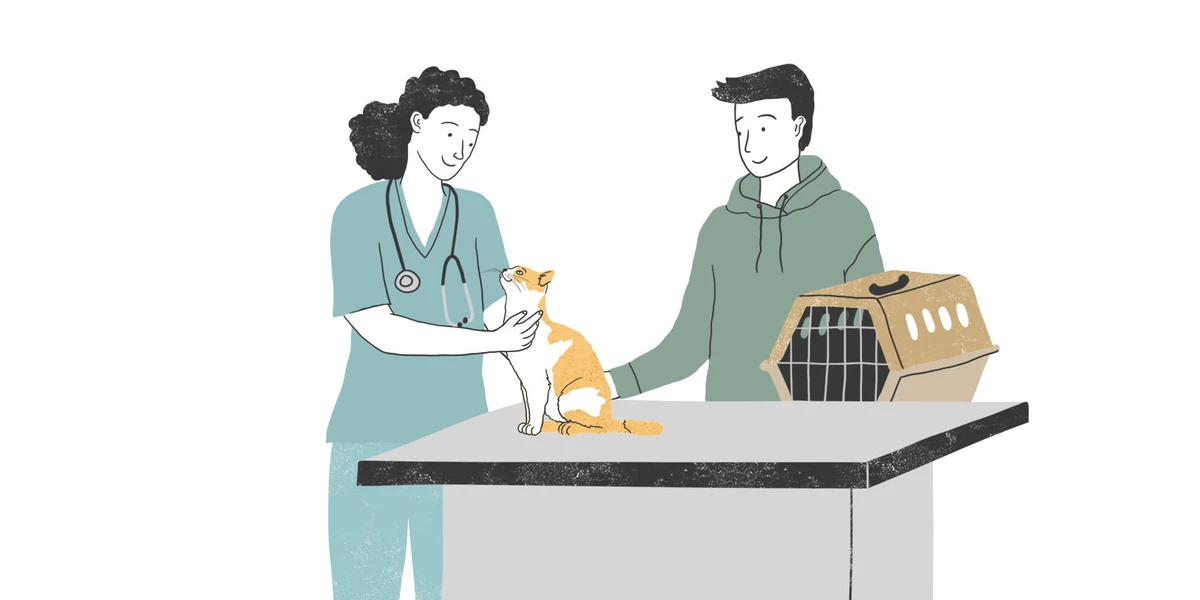
Why Consult a Vet Before Pet Supplementation Matters
PawVerde.com – veterinary consultation is crucial before administering supplements to pets, ensuring safe, effective, and tailored nutritional support that aligns with each animal’s health needs. Unsupervised supplementation can lead to severe toxicity, nutrient imbalances, or adverse interactions with existing medications, undermining pet health. The pet supplement industry’s expanding market, driven by growing pet-owner interest in wellness, often lacks stringent regulatory oversight, resulting in variable product quality and potential safety risks. Veterinarians provide indispensable expertise by assessing individual pet conditions, recommending evidence-based supplements, and monitoring dosage to prevent complications.
Pet supplements, including vitamins like A, D, E, and B-complex, omega-3 fatty acids, glucosamine, and fish oil, are widely used to support various health conditions in dogs and cats. However, the absence of comprehensive regulation allows inconsistent labeling and unverified claims, raising concerns about safety and efficacy. Notably, some human supplements contain ingredients toxic to pets, such as xylitol, which can cause life-threatening hypoglycemia in dogs. Moreover, excessive intake of fat-soluble vitamins, particularly vitamin D and calcium, can induce toxicity manifesting as kidney failure, hypercalcemia, or cardiac complications. These risks underscore the necessity of veterinary guidance to optimize supplementation protocols and safeguard pet health.
Regulatory and Safety Concerns in the Pet Supplement Industry
The pet supplement market operates with significantly less regulatory oversight compared to human pharmaceuticals, leading to inconsistencies in product safety and quality. Regulatory bodies like the National Animal Supplement Council (NASC) work toward voluntary standards and certification programs to enhance product transparency and quality assurance. Despite such efforts, many supplements remain unverified for potency and purity, potentially containing contaminants or inaccurate ingredient concentrations. This regulatory gap complicates vet assessments and increases risks for pet owners relying on over-the-counter supplements without professional consultation.
Pet supplement manufacturers often market products with broad claims of health benefits, lacking robust clinical evidence or peer-reviewed studies to substantiate efficacy. The American Veterinary Medical Association (AVMA) emphasizes the importance of evidence-based usage and discourages supplementation without veterinary evaluation. Moreover, the chemical complexity of some supplements can lead to unpredictable pharmacokinetic interactions, especially when pets are concurrently receiving prescription medications. These factors necessitate discerning veterinary oversight to navigate safety concerns inherent in the industry.
Potential Risks of Giving Supplements Without Veterinary Guidance
Administering supplements without veterinary advice exposes pets to risks including toxicity, adverse drug interactions, and exacerbation of underlying medical conditions. For example, hypervitaminosis D caused by excessive vitamin D supplementation can result in calcium deposits in soft tissues, renal failure, and gastrointestinal distress. Similarly, excessive calcium supplementation may lead to skeletal abnormalities in growing animals or promote urolithiasis in adults.
Human supplements pose additional hazards; xylitol, a common artificial sweetener in human products, induces rapid insulin release in dogs, causing severe hypoglycemia and potential liver failure. Other human-focused formulations may contain ingredients or excipients harmful to pets due to species-specific metabolic differences. Unmonitored supplementation can also interfere with prescribed veterinary treatments, reducing drug efficacy or increasing toxicity risk. Case studies from Saratoga Veterinary Hospital illustrate instances where pets developed severe symptoms following unsupervised supplement use, necessitating emergency intervention and highlighting the critical role of veterinary consultation.
Role of Veterinarians in Safe Pet Supplementation
Veterinarians perform comprehensive health and nutrition assessments before recommending supplements, integrating clinical findings with dietary analysis to identify nutrient deficiencies or condition-specific needs. This individualized approach optimizes therapeutic outcomes and minimizes risks. For example, glucosamine and chondroitin are often prescribed for canine osteoarthritis, but dosing must be carefully calibrated to avoid gastrointestinal side effects. Omega-3 fatty acids sourced from fish oil are recommended for anti-inflammatory benefits in dermatologic and cardiac conditions, with veterinary guidance ensuring appropriate product selection and dosing.
Veterinarians also monitor pets for adverse effects and adjust supplementation protocols accordingly. This dynamic management is essential to avoid cumulative toxicity or nutrient imbalances, especially in older animals or those with comorbidities such as kidney or liver disease. Legally, veterinarians bear responsibility for recommending safe supplements, complying with regulatory standards while prioritizing animal welfare. Veterinary nutritional counseling supports pet owners in understanding supplement roles, integrating them within balanced diets, and recognizing signs of intolerance or overdose.
When Are Supplements Necessary?
Supplementation is generally indicated when pets exhibit diagnosed deficiencies or specific health conditions requiring nutritional support beyond standard diets. Digestive disorders such as exocrine pancreatic insufficiency may necessitate enzyme supplementation, while skin and coat issues often respond to omega-3 fatty acid therapy. Joint health concerns, particularly in aging dogs, commonly benefit from glucosamine and chondroitin to support cartilage repair.
Vitamins A, D, and E are critical antioxidants and metabolic cofactors but are prescribed selectively based on laboratory evaluations or clinical signs. Targeted supplementation differs markedly from routine, indiscriminate use, which can cause nutrient excess or mask underlying illnesses. Veterinary expertise ensures that supplements address validated needs and contribute to holistic pet health management rather than serving as indiscriminate wellness boosters.
Best Practices for Pet Owners Considering Supplements
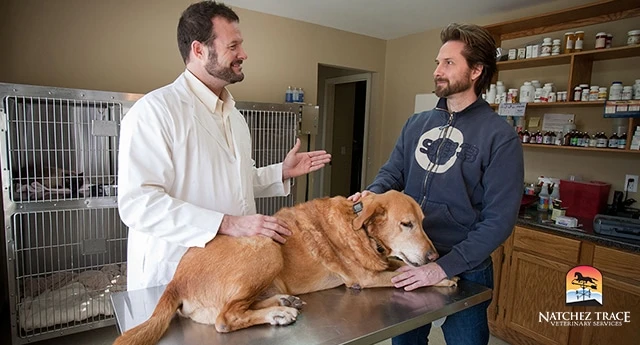
Pet owners should always seek veterinary advice prior to initiating any supplement regimen. Veterinarians provide guidance on safe products, appropriate dosages, and potential interactions with existing medications or health conditions. Self-prescribing human supplements is strongly discouraged due to species-specific toxicity risks and formulation differences.
Routine veterinary visits provide opportunities to discuss dietary changes and assess the necessity of supplementation within a broader nutritional context. Engaging in veterinary nutritional counseling can further enhance understanding of balanced diets and safe supplement integration. Pet owners are encouraged to report any unusual symptoms promptly to veterinarians to facilitate early detection and management of adverse effects related to supplementation.
| Supplement | Common Use in Pets | Potential Risks Without Vet Guidance | Veterinary Role |
|---|---|---|---|
| Glucosamine | Joint support in arthritis | Gastrointestinal upset; inadequate dosing reduces benefits | Assess need; recommend formulation and dosage; monitor response |
| Omega-3 Fatty Acids (Fish Oil) | Anti-inflammatory for skin and heart health | Bleeding risk at high doses; inconsistent product quality | Determine safe dose; select vet-approved products; monitor side effects |
| Vitamin D | Bone metabolism support | Hypercalcemia, renal failure with overdose | Evaluate blood levels; adjust dosage cautiously; monitor calcium |
| Human Supplements Containing Xylitol | Not recommended | Severe hypoglycemia, liver failure in dogs | Educate owners about risks; advise against use |
FAQ
Why should I consult a veterinarian before giving my pet supplements?
Veterinarians assess your pet’s specific health status, prescribe appropriate supplements in safe doses, and monitor for adverse effects or interactions with medications, reducing risks of toxicity or ineffective treatment.
Are human vitamin supplements safe for pets?
No, many human supplements contain ingredients toxic to pets, such as xylitol, artificial sweeteners, or inappropriate vitamin concentrations, which can cause severe health issues or death in animals.
What are common signs of supplement toxicity in pets?
Symptoms vary but may include vomiting, diarrhea, lethargy, seizures, kidney failure, or cardiac abnormalities. Prompt veterinary evaluation is critical if toxicity is suspected.
Can supplements replace a balanced pet diet?
Supplements are meant to complement—not replace—a complete, balanced diet. They address specific deficiencies or health conditions and should only be used under veterinary guidance.
How can I ensure the supplements I buy for my pet are safe?
Purchase vet-approved supplements, preferably those certified by organizations like the NASC, and always discuss new supplements with your veterinarian before use.
Veterinary oversight remains the cornerstone of safe and effective pet supplementation, balancing therapeutic benefits with potential risks. As the pet supplement industry evolves, integration of rigorous regulatory standards and evidence-based veterinary guidance will be paramount in safeguarding pet health. Pet owners are encouraged to prioritize professional consultation to navigate the complex landscape of supplements, ensuring interventions that truly enhance their pets’ quality of life.