
Why Choose Biodegradable Packaging for Pet Food: Key Benefits
PawVerde.com – The pet food industry is undergoing a significant shift as biodegradable packaging emerges as a key solution to the environmental challenges posed by conventional plastic packaging. Pet food brands and pet parents increasingly prioritize sustainability while demanding packaging that preserves product freshness and safety. Biodegradable packaging offers a viable alternative by enabling natural decomposition through microbial activity, reducing plastic pollution and landfill waste. This technology leverages renewable materials such as bioplastics derived from sugarcane and corn starch, aligning product stewardship with circular economy principles. Leading manufacturers including Only Natural Pet, Emmerson Packaging, Mondi Group, Pacific Bag, and Plastek Group are pioneering innovations that enhance biodegradability without compromising the functional requirements of pet food packaging.
Biodegradable packaging for pet food not only addresses environmental concerns but also improves shelf life and food preservation through advanced barrier properties. However, effective deployment requires understanding disposal conditions, potential microplastic risks, and supply chain transparency. This article provides an in-depth analysis of biodegradable packaging’s environmental and functional benefits, current industry innovations, practical considerations for brands and consumers, and evolving market trends driving sustainable packaging adoption.
The Growing Environmental Challenge of Traditional Pet Food Packaging
The global increase in pet ownership has amplified demand for pet food, resulting in escalating volumes of plastic packaging waste. Conventional pet food packaging often relies on multi-layered plastic films and non-recyclable materials that persist in landfills for centuries and contribute to pollution in terrestrial and marine ecosystems. The environmental footprint of single-use plastics is compounded by limited recycling infrastructure and consumer disposal confusion. According to industry reports, packaging accounts for nearly 40% of a pet food product’s environmental impact, emphasizing the urgent need for sustainable alternatives.
Pet parents are also more environmentally conscious, influencing pet food brands to adopt eco-friendly packaging solutions. This shift coincides with regulatory pressures targeting plastic waste reduction and the emergence of circular economy frameworks encouraging renewable and biodegradable materials. As a result, biodegradable packaging is gaining traction as a strategic approach to mitigate plastic pollution while maintaining product integrity.
Defining Biodegradable Packaging and Its Mechanism
Biodegradable packaging refers to materials that decompose through the action of naturally occurring microorganisms such as bacteria, fungi, and algae. This process converts packaging into water, carbon dioxide, and biomass under suitable environmental conditions, typically involving adequate moisture, temperature, and oxygen levels. Unlike conventional plastics that fragment into persistent microplastics, biodegradable materials are designed to break down more completely, thus minimizing long-term environmental harm.
Common biodegradable materials in pet food packaging include bioplastics derived from renewable biomass sources such as sugarcane bagasse and corn starch. These biopolymers are engineered to possess mechanical and barrier properties comparable to traditional plastics. For example, polylactic acid (PLA) and polyhydroxyalkanoates (PHA) are widely used bioplastics that offer biodegradability alongside functional durability.
A critical distinction exists between biodegradable and compostable packaging. Compostable packaging requires industrial composting facilities with controlled conditions (e.g., temperature above 58°C) to achieve complete decomposition within specific timeframes, often 90 to 180 days. Biodegradable packaging may degrade under a broader range of natural conditions but can have variable breakdown rates. Understanding these differences is essential for proper disposal and environmental benefit realization.
Environmental Benefits Specific to Pet Food Packaging
Biodegradable packaging significantly reduces the environmental footprint of pet food by decreasing plastic pollution and diverting waste from landfills. Studies indicate that biodegradable films can reduce landfill persistence by up to 70% compared to conventional polyethylene films. Incorporating renewable feedstocks such as sugarcane and corn starch further lowers dependence on fossil fuels, reducing greenhouse gas emissions associated with packaging production.
These materials support circular economy principles by enabling resource recovery and reintegration into natural cycles. When properly disposed of via soil biodegradation or industrial composting, biodegradable packaging contributes organic matter back to ecosystems, improving soil health. This regenerative cycle contrasts sharply with the linear ‘take-make-dispose’ model of traditional plastics.
However, environmental benefits depend on disposal infrastructure and consumer behavior. Inadequate conditions can result in incomplete degradation, potentially releasing microplastics or chemical additives into the environment. Responsible design and supply chain transparency help mitigate these risks by ensuring that biodegradable packaging is matched with compatible end-of-life solutions.
Functional Advantages: Extending Shelf Life and Maintaining Food Quality
Biodegradable packaging must meet stringent functional requirements to protect pet food from moisture, oxygen, ultraviolet light, and microbial contamination. Advances in biodegradable films have yielded materials with high barrier properties that rival or exceed those of synthetic plastics. For example, multi-layer biodegradable films incorporating nanomaterials have demonstrated oxygen transmission rates below 1 cc/m²/day, which is critical for preserving pet food freshness and preventing spoilage.
These barrier properties reduce the need for synthetic preservatives, aligning with consumer preferences for clean-label pet foods. Flexible biodegradable packaging designs also enhance convenience by offering resealable closures and lightweight form factors that reduce shipping emissions.
Notable innovations include Only Natural Pet’s use of a proprietary biodegradable film that extends shelf life by maintaining low moisture ingress and Emmerson Packaging’s PetPack BDG technology, which combines biodegradable layers with enhanced mechanical strength. Mondi Group’s Sustainex materials incorporate renewable fibers and bio-based coatings, optimizing both durability and environmental performance.
Industry Innovations and Contributions from Key Manufacturers
Industry leaders are investing heavily in R&D to advance biodegradable packaging technologies for pet food. Only Natural Pet has integrated biodegradable films into its packaging portfolio, sourcing materials from sugarcane bioplastics that degrade effectively in soil environments. Emmerson Packaging’s PetPack BDG utilizes patented biodegradable polymers tailored for the pet food sector, balancing sustainability with consumer usability.
Mondi Group’s Sustainex line exemplifies the integration of renewable fibers and biodegradable coatings to create recyclable and compostable packaging solutions. These materials are designed to meet global regulatory standards while providing transparency through QR codes linking consumers to supply chain information.
Academic research complements industry efforts. Purdue University’s packaging innovation center has developed nanomaterial-enhanced biodegradable films that improve oxygen and moisture barriers without compromising compostability. These advances enable longer shelf life and reduced food waste.
Printing and labeling innovations also contribute to sustainability. Eco-friendly inks derived from vegetable oils and water-based formulations minimize volatile organic compound emissions and simplify recycling processes. These technologies reduce the overall environmental impact of pet food packaging throughout its lifecycle.
Practical Considerations for Consumers and Pet Food Brands
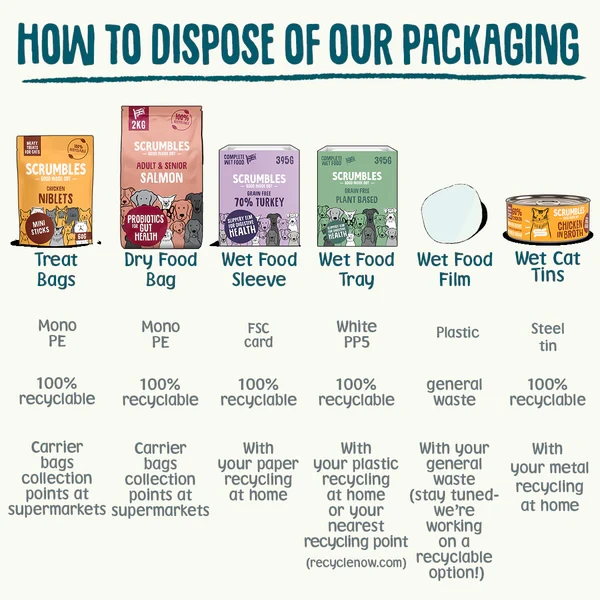
Successful adoption of biodegradable packaging requires clear guidance on disposal methods. biodegradable pet food packaging typically decomposes under soil conditions but may not degrade effectively in standard municipal recycling streams or home composting environments. Industrial composting facilities offer optimal conditions for compostable packaging, but access is limited in many regions.
Consumers must be educated to avoid disposing of biodegradable packaging in conventional recycling bins to prevent contamination. Brands can support this by providing clear labeling and disposal instructions, increasing supply chain transparency regarding packaging materials and end-of-life pathways.
Potential environmental risks include the release of microplastics from additives or partial degradation under unfavorable conditions. To mitigate this, manufacturers are developing biodegradable films formulated without harmful plasticizers or fillers and emphasizing certifications from recognized bodies such as TÜV Austria and Biodegradable Products Institute (BPI).
From a supply chain perspective, sustainable packaging integration involves balancing cost, material availability, and logistical considerations. While biodegradable packaging can have higher upfront costs compared to conventional plastics, long-term savings arise from reduced environmental compliance risks and enhanced brand reputation.
Market Trends: Rising Consumer Demand and Brand Strategies
Consumer demand for eco-friendly pet food packaging is accelerating. Market studies reveal that over 60% of pet parents consider sustainable packaging an important purchasing factor. Millennials and Gen Z consumers, in particular, prioritize products with transparent environmental credentials.
In response, pet food brands are adopting biodegradable packaging as a competitive differentiator. Only Natural Pet’s full line shift to biodegradable packaging has enhanced its market positioning among eco-conscious consumers. Emmerson Packaging reports increased inquiries from pet food companies seeking PetPack BDG solutions, reflecting wider industry momentum.
Cost considerations remain a barrier for some brands, but economies of scale and technological advancements are reducing price gaps. Lifecycle assessments demonstrate that biodegradable packaging can reduce total environmental costs by up to 30% over product lifecycles compared to fossil-based plastics.
Future Directions: Advancing Sustainable Pet Food Packaging
The trajectory of biodegradable packaging in the pet food industry points toward greater integration with circular economy models and digital transparency tools. Innovations such as biodegradable films that activate decomposition primarily under landfill conditions aim to minimize premature degradation during product use.
Emerging nanomaterials and bio-based coatings promise further improvements in barrier performance and biodegradability. Meanwhile, collaboration between packaging manufacturers, pet food brands, and waste management authorities is critical to enhancing infrastructure for industrial composting and soil biodegradation.
Consumer education campaigns and standardized labeling will empower pet parents to participate effectively in sustainable disposal practices. Ultimately, biodegradable packaging represents a responsible solution that aligns environmental stewardship with pet food quality and safety.
FAQ
What is the difference between biodegradable and compostable pet food packaging?
Biodegradable packaging breaks down naturally through microbial activity over time under various environmental conditions, but the rate and completeness of degradation can vary. Compostable packaging must meet specific standards requiring decomposition within a defined timeframe, usually in industrial composting facilities with controlled heat and moisture, ensuring more predictable breakdown.
How does biodegradable packaging help extend the shelf life of pet food?
Modern biodegradable films incorporate nanomaterials and multi-layer structures that provide strong barriers against oxygen, moisture, and light, protecting pet food from spoilage and oxidation. This reduces the need for synthetic preservatives and maintains product freshness over extended periods.
Are there risks of microplastic contamination from biodegradable pet food packaging?
If biodegradable packaging is improperly disposed of or contains non-biodegradable additives, partial degradation may release microplastics. To mitigate this, manufacturers use additive-free formulations and certify products through recognized standards, while educating consumers on correct disposal methods to ensure complete biodegradation.
Can biodegradable pet food packaging be recycled?
Most biodegradable packaging is not compatible with conventional plastic recycling streams and should not be placed in recycling bins to avoid contamination. Instead, it is designed for soil biodegradation or industrial composting. Some newer materials are being developed for recyclability, but these are not yet widespread.
What are the main materials used in biodegradable pet food packaging?
Common materials include bioplastics such as polylactic acid (PLA) and polyhydroxyalkanoates (PHA), which are derived from renewable resources like sugarcane and corn starch. These biopolymers offer biodegradability alongside functional properties required for pet food packaging.
—
Biodegradable packaging for pet food represents a crucial advancement in reducing plastic pollution while ensuring product quality. By leveraging renewable materials and innovative barrier technologies, pet food brands can meet growing consumer demand for sustainability without sacrificing freshness or safety. Ongoing innovation, combined with enhanced disposal infrastructure and consumer education, will determine the long-term success of biodegradable packaging as a responsible solution in the evolving pet food market.