
Plant-Based Dog Food: Is It Worth It for Canine Health?
PawVerde.com – Plant-based dog food has gained significant traction among pet owners motivated by ethical concerns, environmental sustainability, and potential health benefits for their dogs. veterinary nutritionists increasingly recognize that when carefully formulated to meet established nutritional standards such as those from the Association of American Feed Control Officials (AAFCO) and the Pet Food Manufacturers Association (PFMA), plant-based diets can provide complete nutrition for adult dogs. Research from institutions like the University of Winchester and surveys by Knight & Satchell underscore that dogs on well-balanced vegan diets maintain normal clinical health markers, with protein digestibility rates exceeding 90% in quality formulations. This growing acceptance reflects a shift in veterinary and consumer perspectives, challenging the long-held assumption that meat-based diets are inherently superior for canine health.
The nutritional adequacy of plant-based dog food relies heavily on expert formulation by veterinary nutritionists to ensure essential amino acids, vitamins, and minerals are present in bioavailable forms. While dogs are omnivores capable of digesting a variety of plant proteins, achieving balanced amino acid profiles—especially for lysine, methionine, and taurine—is critical. AAFCO and PFMA set minimum nutrient requirements that commercial plant-based dog foods must meet to claim completeness. Supplementation of nutrients such as vitamin B12, iodine, and synthetic taurine is often necessary due to their limited availability in plant sources. Protein digestibility, a key factor in ensuring nutrient absorption, can surpass 90% in veterinary-formulated products, matching or exceeding that of some meat-based diets. This contrasts with unregulated home-cooked vegan diets that risk imbalances leading to deficiencies.
Scientific investigations provide robust evidence supporting the safety and efficacy of plant-based diets for dogs. The University of Winchester conducted a controlled feeding trial demonstrating that dogs maintained stable blood chemistry, normal cardiac function, and adequate vitamin concentrations over a six-month period on a plant-based diet formulated to AAFCO standards. Surveys such as the Knight & Satchell 2021 study found that dogs on vegan diets required fewer veterinary interventions and medications compared to those on conventional meat diets. Independent research by Dr. Rebecca Brociek highlights comparable or improved weight management and inflammatory markers in dogs consuming plant-based canine nutrition. These findings collectively indicate that, when properly formulated and supervised, plant-based dog food supports optimal health outcomes comparable to traditional diets.
Dogs transitioned to plant-based diets often exhibit tangible health benefits including improved digestion, enhanced skin and coat condition, increased energy levels, and reduction in food allergies. Anecdotal evidence from pet owners and clinical observations by veterinary professionals note fewer gastrointestinal disturbances and lower incidence of atopic dermatitis symptoms in dogs fed vegan dog food. The higher fiber content and antioxidant-rich ingredients in plant-based formulations contribute to gut health and immune modulation. Additionally, reduced exposure to common animal protein allergens leads to decreased inflammatory responses in susceptible dogs. Weight management is facilitated by lower fat content and controlled caloric density in many plant-based dog foods, mitigating obesity risks prevalent in canine populations.
Environmental and ethical considerations represent a significant impetus behind the rise of plant-based dog food. Meat production for pet diets contributes disproportionately to greenhouse gas emissions, deforestation, and water use. Studies estimate that plant-based pet foods reduce the carbon footprint of dog diets by up to 70% compared to meat-based options. The British Veterinary Association and Pet Food Manufacturers Association acknowledge these sustainability benefits while also emphasizing responsible pet nutrition. Aligning dog diets with owner values of animal welfare and environmental stewardship fosters a holistic approach to pet care that extends beyond individual health to planetary well-being.
Despite these advantages, potential risks and challenges remain when adopting plant-based diets for dogs. Nutritional deficiencies frequently arise in unbalanced homemade or raw vegan diets lacking veterinary oversight, risking taurine deficiency-related cardiac issues, vitamin B12 insufficiency, and iodine inadequacy affecting thyroid function. Veterinary nutritionists caution that switching diets should be conducted gradually with regular clinical monitoring, including blood panels and cardiac assessments. The risk of protein quality shortfalls underscores the importance of commercially formulated products adhering to established standards. Without veterinary guidance, owners may inadvertently compromise their dogs’ health despite good intentions.
Commercially available plant-based dog food brands, such as Wild Earth and Vegdog, have obtained AAFCO certification, ensuring compliance with nutritional guidelines for adult maintenance. These products undergo rigorous testing for nutrient completeness, digestibility, and palatability. The Pet Food Manufacturers Association recommends consumers seek certified vegan or vegetarian options verified by reputable veterinary bodies to avoid substandard formulations. Quality assurance protocols guarantee that these brands include appropriate supplementation of critical nutrients, maintain consistent ingredient quality, and implement traceability throughout production. This contrasts with unregulated alternatives lacking standardization or scientific validation.
Nutritional Adequacy of Plant-Based Diets for Dogs
The ability of plant-based diets to meet all canine nutritional requirements depends primarily on expert formulation by veterinary nutritionists who balance macronutrients and micronutrients. Dogs require essential amino acids such as lysine, methionine, and arginine, which are less abundant or less bioavailable in plant proteins compared to meat. Plant-based dog foods compensate by combining multiple protein sources like peas, lentils, chickpeas, and quinoa to achieve a complete amino acid profile. AAFCO standards mandate minimum nutrient levels that commercial diets must meet or exceed for maintenance feeding.
protein digestibility is a crucial metric; high-quality plant protein blends in veterinary-formulated diets frequently exceed 90% digestibility, rivaling or surpassing some meat-based foods. Fiber content, typically higher in plant-based products, supports gastrointestinal motility and microbiome health but must be balanced to avoid impairing nutrient absorption. Supplementation with synthetic taurine, vitamin B12, and iodine addresses deficiencies inherent in plant-only ingredients. The PFMA also emphasizes strict quality control and ingredient sourcing to maintain nutritional adequacy, ensuring that dogs receive all necessary nutrients without compromise.
Scientific Research and Clinical Findings
Emerging scientific evidence validates the nutritional sufficiency and health effects of plant-based dog food. A landmark study from the University of Winchester monitored dogs fed a commercial plant-based diet formulated to AAFCO standards over six months. Parameters including blood chemistry, cardiac function via echocardiography, and serum vitamin levels remained within normal limits, indicating maintained health. The Knight & Satchell 2021 survey involving over 2,500 dogs found that those on vegan diets had fewer medical visits and lower medication usage than dogs on meat-based diets, suggesting comparable or superior health outcomes.
Rebecca Brociek’s independent research further supports these findings, reporting improvements in markers of inflammation and body condition scores in dogs transitioned to plant-based diets. These studies collectively demonstrate that properly formulated vegan dog food sustains clinical health markers, heart function, and overall wellbeing, dispelling myths about inherent inadequacy. Nonetheless, these results underscore the necessity of veterinary-formulated diets rather than unregulated homemade alternatives to ensure consistent nutrient delivery.
Health Benefits Observed in Dogs on Plant-Based Diets
Practical experience and survey data indicate several positive health outcomes in dogs consuming plant-based diets. Many owners report improved digestion characterized by more regular bowel movements and reduced flatulence, attributed to higher fiber and prebiotic content. Skin and coat conditions often improve, with reductions in itching and dermatitis linked to elimination of animal protein allergens. Enhanced energy levels and vitality are common, likely reflecting balanced nutrient intake and reduced inflammation.
Food allergies, which affect up to 10% of dogs, are often triggered by animal proteins such as beef, chicken, or dairy. Plant-based dog food minimizes exposure to these allergens, lowering inflammatory responses and improving quality of life. Additionally, the lower fat content in many vegan dog foods supports weight management, reducing risks of obesity-related health issues such as diabetes and joint disorders. These benefits contribute to a holistic approach to canine health beyond mere nutrient provision.
Environmental and Ethical Considerations
Environmental sustainability is a critical factor driving interest in plant-based dog diets. Meat production is a major contributor to climate change, accounting for approximately 14.5% of global greenhouse gas emissions. It also requires extensive land, water, and feed resources. In contrast, plant-based dog foods have a markedly smaller ecological footprint, reducing carbon emissions by up to 70% according to life cycle assessments conducted by independent researchers and endorsed by the British Veterinary Association.
Ethically, plant-based diets align with the values of pet owners concerned about animal welfare and factory farming practices. The Pet Food Manufacturers Association encourages the development of sustainable pet nutrition options to address consumer demand without compromising animal health. This shift reflects a broader trend towards environmental responsibility in pet care, with plant-based dog food representing a practical application of these principles.
Potential Risks and Challenges
Despite promising evidence, risks associated with plant-based diets arise primarily when formulations lack veterinary oversight or when owners attempt unbalanced homemade or raw vegan diets. Deficiencies in taurine, vitamin B12, iodine, and certain fatty acids can lead to cardiomyopathy, anemia, and hypothyroidism if not properly supplemented. The British Veterinary Association advises that diet transitions should be conducted gradually with veterinary supervision, including periodic blood tests and cardiac monitoring.
Protein quality is another concern; inadequate amino acid profiles may impair muscle maintenance and immune function. Veterinary nutritionists stress that only commercially formulated plant-based foods adhering to AAFCO and PFMA standards provide reliable nutrition. Unregulated diets increase risks of nutrient imbalances and associated health complications, emphasizing the importance of expert guidance.
Commercial Plant-Based Dog Food Products and Certifications
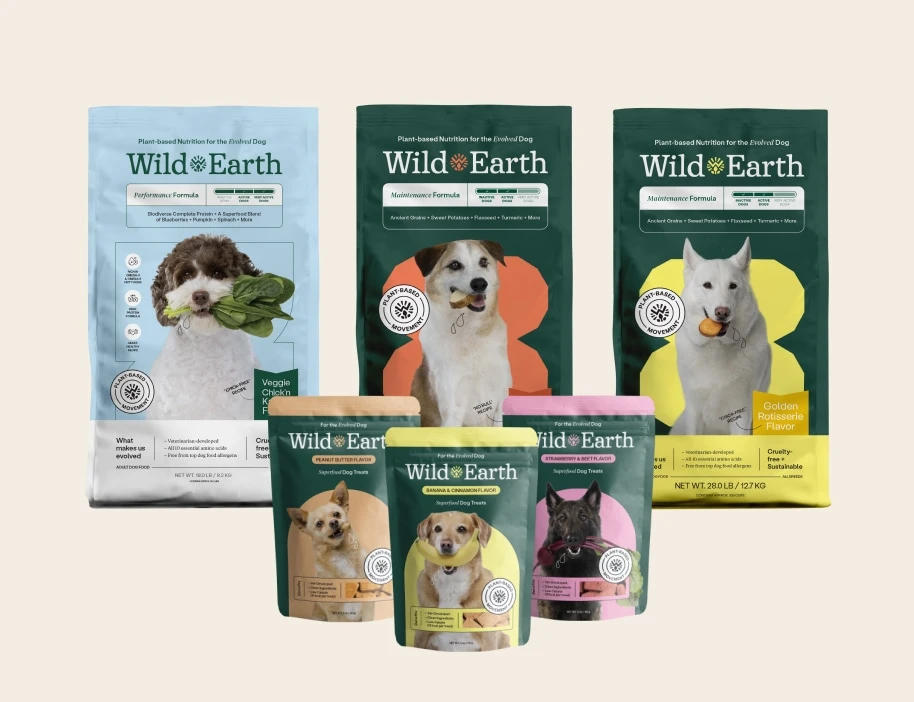
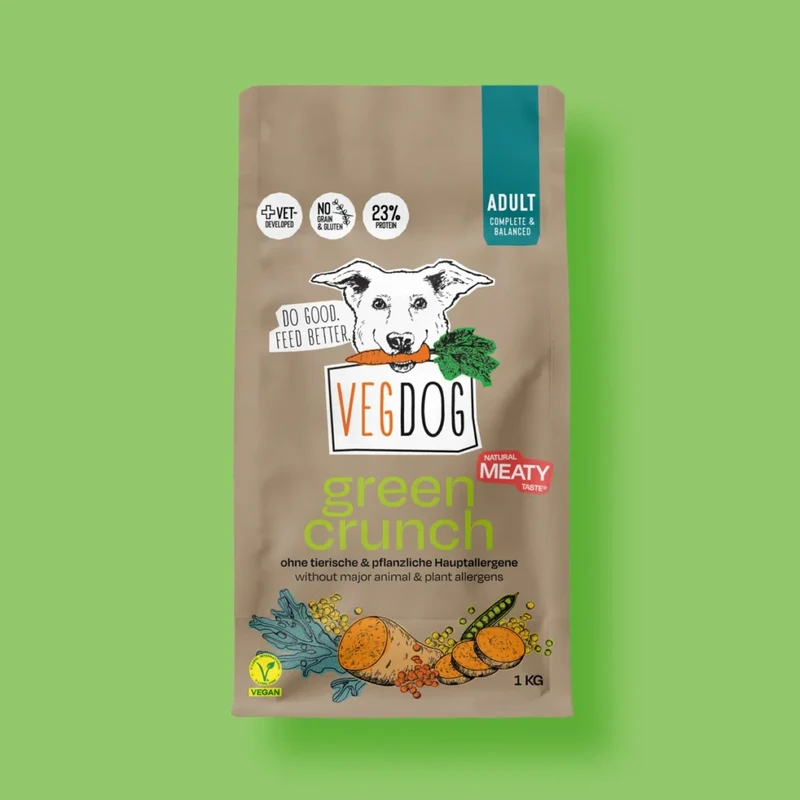
The market offers several AAFCO-approved plant-based dog food brands that meet nutritional completeness standards. Wild Earth, Vegdog, and HungryPaws are prominent examples featuring veterinary-formulated recipes with rigorous quality control. These brands employ ingredient blends designed to optimize protein digestibility and amino acid profiles while incorporating necessary supplementation.
Certifications from AAFCO and endorsement by organizations such as the Pet Food Manufacturers Association provide consumers with assurance of product safety and nutritional adequacy. Quality assurance includes ingredient traceability, batch testing, and compliance with manufacturing best practices. Choosing certified commercial products mitigates the risks associated with unverified homemade diets.
| Brand | AAFCO Certification | Key Ingredients | Supplementation | Notable Features |
|---|---|---|---|---|
| Wild Earth | Yes | Pea protein, yeast, potato starch | Taurine, B12, iodine | High protein digestibility, grain-free |
| Vegdog | Yes | Lentils, chickpeas, quinoa | Taurine, B12, DHA | Antioxidant-rich, balanced amino acids |
| HungryPaws | Yes | Pea protein, brown rice, sweet potato | Taurine, B12, iodine | Low fat, allergen-friendly |
Frequently Asked Questions
Is plant-based dog food nutritionally complete for all life stages?
Plant-based dog food formulated according to AAFCO adult maintenance standards can be nutritionally complete for adult dogs, but formulations for growth, reproduction, or senior life stages require specialized veterinary formulation to meet their distinct nutrient demands.
Can dogs thrive on a vegan diet without supplements?
No, supplementation of critical nutrients such as taurine, vitamin B12, and iodine is essential in vegan diets to prevent deficiencies, as these nutrients are scarce or absent in plant ingredients.
Are there health risks if I prepare homemade plant-based meals for my dog?
Homemade plant-based diets often lack balanced nutrient profiles and pose risks of deficiencies. Veterinary supervision and precise formulation are crucial to avoid health complications.
How does plant-based dog food compare environmentally to meat-based options?
Plant-based dog foods generally have a significantly lower carbon footprint, reducing greenhouse gas emissions by up to 70%, and require fewer natural resources, contributing to environmental sustainability.
Do veterinary associations support feeding dogs plant-based diets?
Organizations such as the British Veterinary Association recognize that plant-based diets can be safe and nutritionally adequate if properly formulated and monitored by veterinary professionals.
—
Increasing scientific evidence and veterinary expertise validate that plant-based dog food, when carefully formulated to meet AAFCO and PFMA standards, can provide complete, balanced nutrition for adult dogs. This dietary approach offers unique health benefits including improved digestion, reduced allergen exposure, and weight management, alongside substantial environmental advantages. Nonetheless, veterinary supervision remains essential to ensure nutrient adequacy and to mitigate risks associated with homemade or unbalanced diets. The trajectory of ongoing research and market innovation suggests that plant-based canine nutrition will continue to evolve, expanding options for health-conscious and environmentally aware pet owners.
Why Choose Biodegradable Packaging for Pet Food: Key Benefits
PawVerde.com – The pet food industry is undergoing a significant shift as biodegradable packaging emerges as a key solution to the environmental challenges posed by conventional plastic packaging. Pet food brands and pet parents increasingly prioritize sustainability while demanding packaging that preserves product freshness and safety. Biodegradable packaging offers a viable alternative by enabling natural decomposition through microbial activity, reducing plastic pollution and landfill waste. This technology leverages renewable materials such as bioplastics derived from sugarcane and corn starch, aligning product stewardship with circular economy principles. Leading manufacturers including Only Natural Pet, Emmerson Packaging, Mondi Group, Pacific Bag, and Plastek Group are pioneering innovations that enhance biodegradability without compromising the functional requirements of pet food packaging.
Biodegradable packaging for pet food not only addresses environmental concerns but also improves shelf life and food preservation through advanced barrier properties. However, effective deployment requires understanding disposal conditions, potential microplastic risks, and supply chain transparency. This article provides an in-depth analysis of biodegradable packaging’s environmental and functional benefits, current industry innovations, practical considerations for brands and consumers, and evolving market trends driving sustainable packaging adoption.
The Growing Environmental Challenge of Traditional Pet Food Packaging
The global increase in pet ownership has amplified demand for pet food, resulting in escalating volumes of plastic packaging waste. Conventional pet food packaging often relies on multi-layered plastic films and non-recyclable materials that persist in landfills for centuries and contribute to pollution in terrestrial and marine ecosystems. The environmental footprint of single-use plastics is compounded by limited recycling infrastructure and consumer disposal confusion. According to industry reports, packaging accounts for nearly 40% of a pet food product’s environmental impact, emphasizing the urgent need for sustainable alternatives.
Pet parents are also more environmentally conscious, influencing pet food brands to adopt eco-friendly packaging solutions. This shift coincides with regulatory pressures targeting plastic waste reduction and the emergence of circular economy frameworks encouraging renewable and biodegradable materials. As a result, biodegradable packaging is gaining traction as a strategic approach to mitigate plastic pollution while maintaining product integrity.
Defining Biodegradable Packaging and Its Mechanism
Biodegradable packaging refers to materials that decompose through the action of naturally occurring microorganisms such as bacteria, fungi, and algae. This process converts packaging into water, carbon dioxide, and biomass under suitable environmental conditions, typically involving adequate moisture, temperature, and oxygen levels. Unlike conventional plastics that fragment into persistent microplastics, biodegradable materials are designed to break down more completely, thus minimizing long-term environmental harm.
Common biodegradable materials in pet food packaging include bioplastics derived from renewable biomass sources such as sugarcane bagasse and corn starch. These biopolymers are engineered to possess mechanical and barrier properties comparable to traditional plastics. For example, polylactic acid (PLA) and polyhydroxyalkanoates (PHA) are widely used bioplastics that offer biodegradability alongside functional durability.
A critical distinction exists between biodegradable and compostable packaging. Compostable packaging requires industrial composting facilities with controlled conditions (e.g., temperature above 58°C) to achieve complete decomposition within specific timeframes, often 90 to 180 days. Biodegradable packaging may degrade under a broader range of natural conditions but can have variable breakdown rates. Understanding these differences is essential for proper disposal and environmental benefit realization.
Environmental Benefits Specific to Pet Food Packaging
Biodegradable packaging significantly reduces the environmental footprint of pet food by decreasing plastic pollution and diverting waste from landfills. Studies indicate that biodegradable films can reduce landfill persistence by up to 70% compared to conventional polyethylene films. Incorporating renewable feedstocks such as sugarcane and corn starch further lowers dependence on fossil fuels, reducing greenhouse gas emissions associated with packaging production.
These materials support circular economy principles by enabling resource recovery and reintegration into natural cycles. When properly disposed of via soil biodegradation or industrial composting, biodegradable packaging contributes organic matter back to ecosystems, improving soil health. This regenerative cycle contrasts sharply with the linear ‘take-make-dispose’ model of traditional plastics.
However, environmental benefits depend on disposal infrastructure and consumer behavior. Inadequate conditions can result in incomplete degradation, potentially releasing microplastics or chemical additives into the environment. Responsible design and supply chain transparency help mitigate these risks by ensuring that biodegradable packaging is matched with compatible end-of-life solutions.
Functional Advantages: Extending Shelf Life and Maintaining Food Quality
Biodegradable packaging must meet stringent functional requirements to protect pet food from moisture, oxygen, ultraviolet light, and microbial contamination. Advances in biodegradable films have yielded materials with high barrier properties that rival or exceed those of synthetic plastics. For example, multi-layer biodegradable films incorporating nanomaterials have demonstrated oxygen transmission rates below 1 cc/m²/day, which is critical for preserving pet food freshness and preventing spoilage.
These barrier properties reduce the need for synthetic preservatives, aligning with consumer preferences for clean-label pet foods. Flexible biodegradable packaging designs also enhance convenience by offering resealable closures and lightweight form factors that reduce shipping emissions.
Notable innovations include Only Natural Pet’s use of a proprietary biodegradable film that extends shelf life by maintaining low moisture ingress and Emmerson Packaging’s PetPack BDG technology, which combines biodegradable layers with enhanced mechanical strength. Mondi Group’s Sustainex materials incorporate renewable fibers and bio-based coatings, optimizing both durability and environmental performance.
Industry Innovations and Contributions from Key Manufacturers
Industry leaders are investing heavily in R&D to advance biodegradable packaging technologies for pet food. Only Natural Pet has integrated biodegradable films into its packaging portfolio, sourcing materials from sugarcane bioplastics that degrade effectively in soil environments. Emmerson Packaging’s PetPack BDG utilizes patented biodegradable polymers tailored for the pet food sector, balancing sustainability with consumer usability.
Mondi Group’s Sustainex line exemplifies the integration of renewable fibers and biodegradable coatings to create recyclable and compostable packaging solutions. These materials are designed to meet global regulatory standards while providing transparency through QR codes linking consumers to supply chain information.
Academic research complements industry efforts. Purdue University’s packaging innovation center has developed nanomaterial-enhanced biodegradable films that improve oxygen and moisture barriers without compromising compostability. These advances enable longer shelf life and reduced food waste.
Printing and labeling innovations also contribute to sustainability. Eco-friendly inks derived from vegetable oils and water-based formulations minimize volatile organic compound emissions and simplify recycling processes. These technologies reduce the overall environmental impact of pet food packaging throughout its lifecycle.
Practical Considerations for Consumers and Pet Food Brands
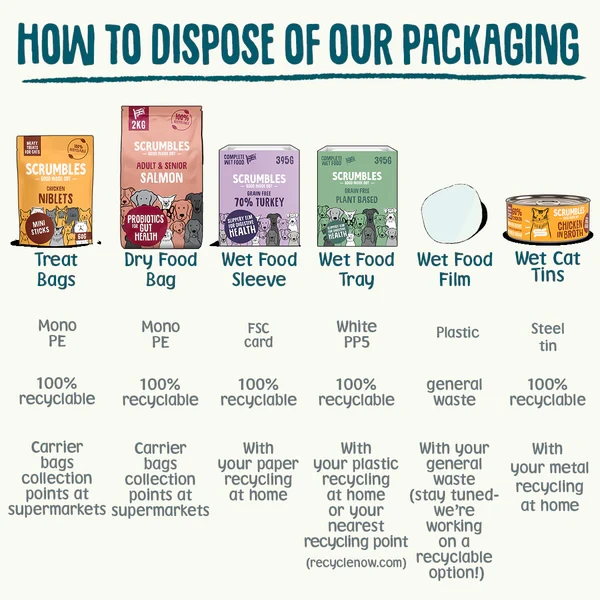
Successful adoption of biodegradable packaging requires clear guidance on disposal methods. biodegradable pet food packaging typically decomposes under soil conditions but may not degrade effectively in standard municipal recycling streams or home composting environments. Industrial composting facilities offer optimal conditions for compostable packaging, but access is limited in many regions.
Consumers must be educated to avoid disposing of biodegradable packaging in conventional recycling bins to prevent contamination. Brands can support this by providing clear labeling and disposal instructions, increasing supply chain transparency regarding packaging materials and end-of-life pathways.
Potential environmental risks include the release of microplastics from additives or partial degradation under unfavorable conditions. To mitigate this, manufacturers are developing biodegradable films formulated without harmful plasticizers or fillers and emphasizing certifications from recognized bodies such as TÜV Austria and Biodegradable Products Institute (BPI).
From a supply chain perspective, sustainable packaging integration involves balancing cost, material availability, and logistical considerations. While biodegradable packaging can have higher upfront costs compared to conventional plastics, long-term savings arise from reduced environmental compliance risks and enhanced brand reputation.
Market Trends: Rising Consumer Demand and Brand Strategies
Consumer demand for eco-friendly pet food packaging is accelerating. Market studies reveal that over 60% of pet parents consider sustainable packaging an important purchasing factor. Millennials and Gen Z consumers, in particular, prioritize products with transparent environmental credentials.
In response, pet food brands are adopting biodegradable packaging as a competitive differentiator. Only Natural Pet’s full line shift to biodegradable packaging has enhanced its market positioning among eco-conscious consumers. Emmerson Packaging reports increased inquiries from pet food companies seeking PetPack BDG solutions, reflecting wider industry momentum.
Cost considerations remain a barrier for some brands, but economies of scale and technological advancements are reducing price gaps. Lifecycle assessments demonstrate that biodegradable packaging can reduce total environmental costs by up to 30% over product lifecycles compared to fossil-based plastics.
Future Directions: Advancing Sustainable Pet Food Packaging
The trajectory of biodegradable packaging in the pet food industry points toward greater integration with circular economy models and digital transparency tools. Innovations such as biodegradable films that activate decomposition primarily under landfill conditions aim to minimize premature degradation during product use.
Emerging nanomaterials and bio-based coatings promise further improvements in barrier performance and biodegradability. Meanwhile, collaboration between packaging manufacturers, pet food brands, and waste management authorities is critical to enhancing infrastructure for industrial composting and soil biodegradation.
Consumer education campaigns and standardized labeling will empower pet parents to participate effectively in sustainable disposal practices. Ultimately, biodegradable packaging represents a responsible solution that aligns environmental stewardship with pet food quality and safety.
FAQ
What is the difference between biodegradable and compostable pet food packaging?
Biodegradable packaging breaks down naturally through microbial activity over time under various environmental conditions, but the rate and completeness of degradation can vary. Compostable packaging must meet specific standards requiring decomposition within a defined timeframe, usually in industrial composting facilities with controlled heat and moisture, ensuring more predictable breakdown.
How does biodegradable packaging help extend the shelf life of pet food?
Modern biodegradable films incorporate nanomaterials and multi-layer structures that provide strong barriers against oxygen, moisture, and light, protecting pet food from spoilage and oxidation. This reduces the need for synthetic preservatives and maintains product freshness over extended periods.
Are there risks of microplastic contamination from biodegradable pet food packaging?
If biodegradable packaging is improperly disposed of or contains non-biodegradable additives, partial degradation may release microplastics. To mitigate this, manufacturers use additive-free formulations and certify products through recognized standards, while educating consumers on correct disposal methods to ensure complete biodegradation.
Can biodegradable pet food packaging be recycled?
Most biodegradable packaging is not compatible with conventional plastic recycling streams and should not be placed in recycling bins to avoid contamination. Instead, it is designed for soil biodegradation or industrial composting. Some newer materials are being developed for recyclability, but these are not yet widespread.
What are the main materials used in biodegradable pet food packaging?
Common materials include bioplastics such as polylactic acid (PLA) and polyhydroxyalkanoates (PHA), which are derived from renewable resources like sugarcane and corn starch. These biopolymers offer biodegradability alongside functional properties required for pet food packaging.
—
Biodegradable packaging for pet food represents a crucial advancement in reducing plastic pollution while ensuring product quality. By leveraging renewable materials and innovative barrier technologies, pet food brands can meet growing consumer demand for sustainability without sacrificing freshness or safety. Ongoing innovation, combined with enhanced disposal infrastructure and consumer education, will determine the long-term success of biodegradable packaging as a responsible solution in the evolving pet food market.