
Eco-Friendly Cleaning vs Conventional Products: Safer for Pets
PawVerde.com – eco-friendly cleaning solutions have surged in popularity among households with pets, driven by growing awareness of the health risks posed by conventional cleaners and the environmental damage they cause. These modern green products leverage plant-based enzymes and non-toxic formulations to provide effective stain and odor removal while preserving indoor air quality and minimizing chemical exposure risks for pets and children. Their widespread adoption reflects increasing consumer demand for safer, sustainable cleaning alternatives that meet stringent certification standards such as Green Seal and EcoLogo.
Conventional cleaning products often contain harsh chemicals like ammonia, bleach, and synthetic fragrances, which contribute to indoor air pollution and pose significant health hazards. Pets, due to their grooming habits and proximity to floors and surfaces, are particularly vulnerable to chemical residues left by these products. Research from veterinary experts including Dr. Aly Cohen highlights increased incidence of skin irritation, allergic reactions, and respiratory distress in animals exposed to these toxins. Additionally, volatile organic compounds (VOCs) emitted by many traditional cleaners exacerbate indoor air quality problems, increasing risks for asthma and hypersensitivity in both pets and children.
Eco-friendly cleaning technologies have evolved substantially, employing plant-based enzymatic formulations that break down organic pet stains and odors effectively without releasing harmful chemicals. These enzymes catalyze the decomposition of proteins, fats, and carbohydrates found in pet waste, outperforming many conventional cleaners in targeted stain removal. Certifications such as Green Seal and EcoLogo provide independent verification of a product’s environmental impact and safety profile, ensuring absence of toxic VOCs and enhanced biodegradability. Veterinary authorities recommend disinfectants like Accelerated Hydrogen Peroxide, which balances microbial efficacy with lower toxicity, supporting safer post-cleaning environments for pets.
Environmental impact considerations further distinguish green cleaning products from their conventional counterparts. Plant-derived ingredients biodegrade more rapidly, reducing chemical runoff into waterways and limiting soil contamination. Lifecycle assessments show that eco-friendly formulations often have lower carbon footprints due to sustainable sourcing and manufacturing processes. Water conservation benefits also arise from reduced reliance on aggressive chemical rinsing. By contrast, conventional cleaners contribute substantially to environmental pollution through persistent chemical residues and emissions throughout their lifecycle.
From a practical perspective, pet owners must consider both product selection and application methods to safeguard animal health. Avoiding residual chemical deposits is critical, as pets frequently ingest toxins through licking and close contact with treated areas. Experts advise using certified pet-safe products and ensuring thorough rinsing when possible. Veterinary guidance emphasizes selecting disinfectants with minimal toxicity profiles and avoiding synthetic fragrances that can trigger allergic responses. Proper ventilation during and after cleaning further mitigates indoor air pollutant accumulation.
The growing body of scientific research and veterinary experience underscores the multifaceted benefits of adopting eco-friendly cleaning solutions in pet households. These products align with broader sustainability goals while addressing unique health concerns in hypersensitive environments. As green cleaning technologies continue advancing, their integration into routine home maintenance offers a practical pathway to healthier living spaces and reduced environmental burden.
Health Risks of Conventional Cleaning Products for Pets and Children
Conventional household cleaners commonly contain ammonia, chlorine bleach, quaternary ammonium compounds, and synthetic fragrances, which pose acute and chronic health risks. Ammonia and bleach react to form chloramine gases, irritants that exacerbate respiratory conditions such as asthma. Prolonged exposure to these chemicals can cause skin irritation, conjunctivitis, and mucous membrane damage in both humans and animals. Pets’ heightened exposure arises from their behavior patterns—dogs and cats frequently lick paws and groom fur that contacts cleaned surfaces, increasing ingestion of toxic residues.
Volatile organic compounds (VOCs) emitted by many conventional cleaners contribute significantly to indoor air pollution. According to the environmental protection Agency (EPA), indoor VOC concentrations can be up to five times higher than outdoor levels, largely due to household products. Key VOCs like formaldehyde and benzene are linked to increased incidence of respiratory allergies and central nervous system effects. For vulnerable populations such as children and pets, who spend extensive time indoors, these pollutants pose heightened health risks.
Synthetic fragrances, often undisclosed in product ingredient lists, contain phthalates and other endocrine disruptors. Veterinary studies have associated exposure to these compounds with allergic dermatitis and behavioral changes in pets. Moreover, chemical residues persist on carpets and upholstery, creating long-term exposure hazards. The cumulative effect of these toxic chemicals compromises immune function and exacerbates existing sensitivities in both humans and animals.
Advances in Eco-Friendly Cleaning Technology
Eco-friendly cleaning solutions utilize plant-based enzymes such as proteases, lipases, and amylases to target organic stains and odors commonly associated with pets. These enzymes catalyze the breakdown of complex molecules into simpler, water-soluble compounds that can be easily removed without harsh chemicals. This biochemical approach not only enhances cleaning efficacy but also avoids the collateral damage caused by synthetic detergents and solvents.
Certification programs like Green Seal and EcoLogo have established rigorous criteria for product safety, environmental impact, and efficacy. Green Seal-certified products must demonstrate absence of carcinogenic VOCs, minimal aquatic toxicity, and biodegradability of ingredients within specified timeframes. EcoLogo standards similarly assess lifecycle impacts, including raw material sourcing and packaging sustainability. These certifications provide consumers with verified assurance that products meet high environmental and health standards.
Accelerated Hydrogen Peroxide (AHP) has gained traction as a disinfectant that balances potent antimicrobial activity with reduced toxicity. Veterinary experts advocate AHP for pet-safe disinfection because it breaks down into water and oxygen, leaving no harmful residues. This contrasts with traditional disinfectants like quaternary ammonium compounds, which can persist on surfaces and cause irritation. AHP efficacy against a broad spectrum of pathogens combined with a benign safety profile makes it a preferred option for households with animals.
Environmental Benefits of Green Cleaning Solutions
plant-based cleaning formulations typically employ renewable resources such as corn-derived surfactants and enzymes sourced from microbial fermentation, resulting in lower ecological footprints. Their biodegradability ensures rapid breakdown in sewage treatment facilities, reducing the accumulation of persistent pollutants in aquatic ecosystems. Studies demonstrate that eco-friendly cleaners contribute significantly less to water toxicity compared to conventional products containing phosphates and nonylphenol ethoxylates.
Water use efficiency is a pivotal environmental advantage. Green cleaning products often require lower volumes and less rinsing due to their enzymatic action and concentrated formulations. This translates into reduced freshwater consumption and diminished chemical runoff into natural water bodies. Furthermore, packaging innovations including the use of recycled PET fiber and minimal plastic reduce landfill waste and carbon emissions associated with manufacturing and transport.
Comparative lifecycle analyses reveal that plant-based cleaners generate fewer greenhouse gas emissions during production and disposal phases. The avoidance of petrochemical-derived ingredients diminishes reliance on fossil fuels, aligning with global carbon reduction targets. These environmental benefits extend beyond immediate toxicity reduction to encompass broader sustainability metrics essential for responsible consumer choices.
Practical Considerations for Pet Owners Using Eco-Friendly Cleaners
Safe use of cleaning products in homes with pets requires attention to both formulation and application practices. Veterinary specialists recommend selecting products with third-party green certifications to ensure verified absence of harmful substances. Avoiding synthetic fragrances and dyes further reduces allergenic potential. When applying cleaners, pet owners should ensure adequate ventilation and allow treated surfaces to dry completely before allowing pets access.
Proper dilution according to manufacturer instructions is critical to minimize residual chemical buildup. Enzymatic cleaners typically require dwell times to allow biochemical reactions to fully break down stains and odors. Rinsing is advisable for surfaces frequently contacted by pets to eliminate residual compounds. Additionally, storage of cleaning agents out of pets’ reach prevents accidental ingestion of concentrated chemicals, a common cause of poisoning.
Experts emphasize the importance of integrating pet-safe cleaning into a comprehensive hygiene regimen that includes regular grooming and allergen control. Veterinary advice from institutions such as Cornell University underscores the role of non-toxic disinfectants like Accelerated Hydrogen Peroxide in maintaining both environmental and animal health. Pet owners are encouraged to consult with veterinary professionals when selecting new cleaning products, especially for animals with hypersensitivities or respiratory conditions.
Looking Ahead: Trends in Sustainable, Pet-Safe Cleaning
The trajectory of household cleaning in 2026 and beyond reveals increasing alignment between environmental sustainability and pet health considerations. Manufacturers are investing in advanced enzymatic formulations and green chemistry innovations to enhance efficacy while eliminating toxic residues. Emerging certification frameworks are expanding to cover broader sustainability metrics, including carbon footprint labeling and circular economy principles in packaging.
Technological advances such as biodegradable nano-enzymes and bio-based disinfectants promise to further reduce environmental impact and improve safety profiles. Integration of IoT-enabled cleaning devices allows for precise dosing and reduced chemical waste. Consumer education campaigns, supported by veterinary and environmental health organizations, are raising awareness of the long-term benefits of eco-friendly cleaning for families with pets.
Adoption of pet-safe, eco-friendly cleaning products contributes not only to healthier indoor environments but also to global efforts mitigating environmental pollution and climate change. As scientific understanding deepens and regulatory standards evolve, the cleaning industry is poised to deliver solutions that support both human and animal well-being in increasingly sensitive and sustainable ways.
FAQ
Are eco-friendly cleaning products as effective as conventional cleaners on pet stains?
Modern eco-friendly products employ plant-based enzymes specifically designed to break down organic pet stains and odors, often matching or exceeding the efficacy of traditional chemical cleaners without the associated toxicity.
What certifications should I look for to ensure a cleaner is safe for pets?
Look for third-party certifications such as Green Seal and EcoLogo, which verify that products meet strict environmental and health safety standards, including absence of harmful volatile organic compounds and biodegradability.
How do conventional cleaning chemicals affect pet health?
Conventional cleaners often contain toxic substances like ammonia, bleach, and synthetic fragrances that can cause skin irritation, allergic reactions, respiratory problems, and long-term health issues in pets due to their close contact with treated surfaces.
Is Accelerated Hydrogen Peroxide safe to use around pets?
Accelerated Hydrogen Peroxide is recommended by veterinary experts as an effective disinfectant with low toxicity. It decomposes into water and oxygen, leaving no harmful residues, making it safer for use in pet environments compared to traditional disinfectants.
How can I reduce indoor air pollution caused by cleaning products in a home with pets?
Using eco-friendly, VOC-free cleaning products certified by recognized bodies, ensuring proper ventilation during cleaning, and avoiding synthetic fragrances can significantly improve indoor air quality and reduce health risks for pets and humans.
—
This comprehensive analysis underscores the advantages of eco-friendly cleaning solutions for pet households, highlighting their superior safety, environmental benefits, and efficacy compared to conventional products. Pet owners prioritizing health and sustainability in 2026 will find these green alternatives essential for maintaining clean, safe, and environmentally responsible homes.
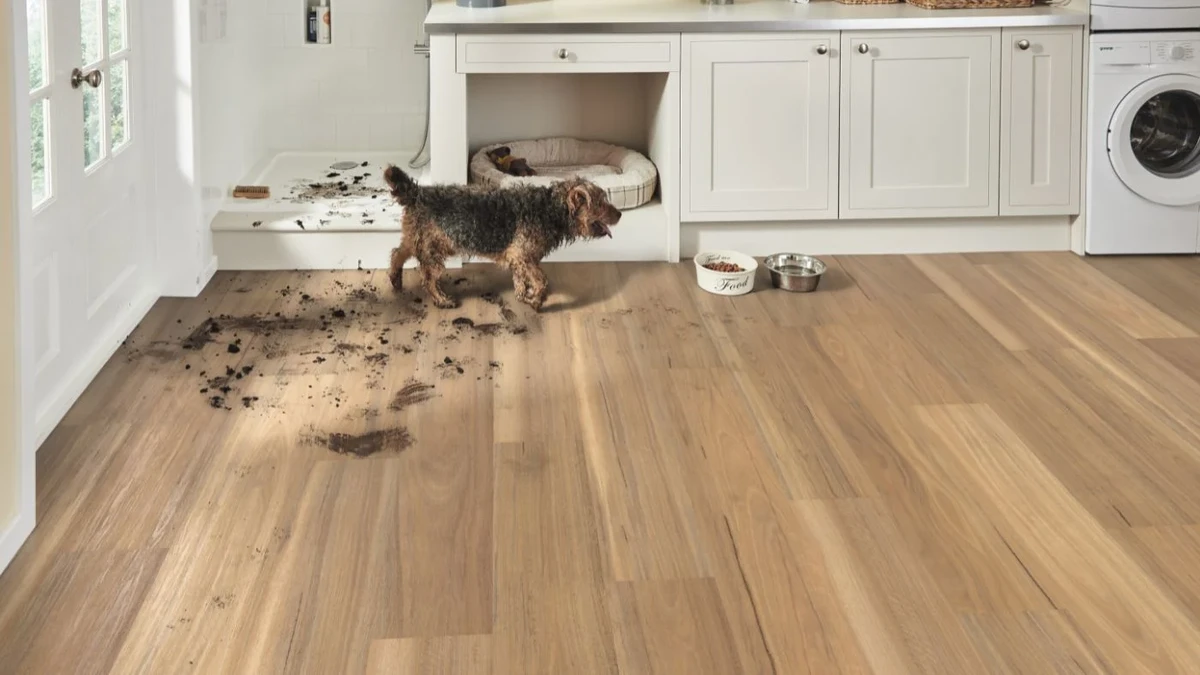
Best Non-Toxic Flooring for Pet Homes Balances Safety & Sustainability
PawVerde.com – Non-toxic flooring options for pet-friendly homes must balance durability, indoor air quality, and pet safety, while also addressing environmental sustainability. Key materials such as bamboo, cork, luxury vinyl plank (LVP), wool carpet, and tile flooring offer a combination of low VOC emissions, scratch and stain resistance, and comfort, aligning with eco-conscious home building standards. Proper installation techniques, including acclimation of bamboo and use of low-VOC adhesives, further enhance the longevity and safety of these floorings in homes with pets.
Bamboo flooring stands out due to its rapid renewability and environmental benefits. It typically matures within 5–7 years, significantly faster than traditional hardwood. Bamboo’s dense fiber structure provides natural stain and odor resistance, which is critical in pet homes where accidents or spills are common. Textured finishes on bamboo reduce slipping risks for pets, while proper acclimation before installation ensures dimensional stability. Using an appropriate underlayment enhances moisture control and sound insulation, improving overall pet comfort and floor durability.
Cork flooring offers a hypoallergenic surface that naturally resists mold and mildew, important factors in maintaining healthy indoor air quality where pets live. Harvested sustainably by removing bark without harming cork oak trees, cork is a renewable resource with a closed-cell structure that prevents allergen buildup. Its soft, cushioned surface reduces joint stress for pets, and cork’s inherent resilience helps absorb impacts from claws. Regular maintenance with gentle cleaning agents preserves its protective finish and mold-resistant properties.
Wool carpet remains a natural flooring choice that combines biodegradability with pet-friendly benefits such as flame retardancy and dust mite resistance. Wool fibers trap fewer allergens compared to synthetic carpets, though it requires more attention to stain removal and cleaning to prevent odor buildup in pet areas. Wool carpets are ideal in spaces where warmth and softness are priorities, but homeowners must weigh the higher maintenance demands and potential for damage from pet claws.
Luxury vinyl plank flooring has gained popularity for pet homes due to its waterproof qualities and high scratch resistance. Many LVP products now feature low- or zero-VOC formulations, contributing to improved indoor air quality. Its versatility in design allows for realistic wood or stone appearances without the vulnerabilities of natural materials. The ease of cleaning and resistance to stains make LVP practical in households with active pets. Hybrid flooring options, such as those combining vinyl cores with laminate surfaces (e.g., Home Depot’s LifeProof and Opti-Wood brands), offer additional durability and chemical sensitivity considerations, requiring evaluation of off-gassing potential.
Laminate and engineered hardwood floors provide a balance of aesthetic appeal and wear resistance, though scratch resistance varies by product quality and finish. Engineered hardwood, constructed with a real wood veneer over plywood layers, offers better moisture resistance than solid hardwood. However, both materials require sealing and finishing with low-VOC products to minimize chemical emissions. For pet owners concerned about allergens and off-gassing, selecting FSC-certified or VOC-free options is advisable.
Tile and porcelain flooring deliver exceptional durability and water resistance, making them well-suited for pet homes prone to moisture and spills. Their hard surfaces resist scratches and stains, but the lack of cushioning can reduce comfort for pets, which can be mitigated by strategically placing pet-safe rugs. Tile’s non-porous nature helps maintain allergen-free environments, and installation with non-toxic grout and sealants is essential to uphold indoor air quality standards.
Indoor air quality is a critical factor when selecting pet-safe flooring materials. Volatile organic compound (VOC) emissions from adhesives, finishes, and paints used in flooring installation can impact both human and pet health. Sustainable flooring materials with verified low or zero VOC profiles, combined with the use of non-toxic adhesives and paints, enhance air quality and reduce chemical exposure. Additionally, the choice of flooring can influence allergen resistance, with natural fibers and closed-cell surfaces limiting dust mite and mold proliferation.
Effective installation practices are fundamental to maximizing the performance and safety of non-toxic flooring materials in pet homes. Subfloor preparation must include moisture barriers to prevent damage and microbial growth, especially under bamboo and engineered hardwood floors. Acclimation periods for wood-based products help adjust materials to indoor humidity and temperature, reducing warping risks. Cleaning protocols that utilize natural agents such as diluted vinegar or lemon juice support stain and odor management without introducing harmful chemicals. Incorporating pet-safe area rugs can protect flooring surfaces while providing traction and comfort for pets.
| Flooring Type | Pet Safety Features | Sustainability | Durability & Maintenance | VOC Emissions |
|---|---|---|---|---|
| Bamboo Flooring | Textured finish for slip resistance; stain & odor resistant | Rapidly renewable; harvested every 5-7 years | Requires acclimation; underlayment recommended; moderate maintenance | Low VOC with proper finishes and adhesives |
| Cork Flooring | Soft, cushioned; mold & allergen resistant | Sustainably harvested bark; highly renewable | Easy cleaning; resistant to moisture and mold | Low VOC natural material |
| Wool Carpet | Dust mite resistant; natural flame retardant | Biodegradable; natural fiber | Higher maintenance; stain and odor control needed | Generally low VOC but depends on backing and treatments |
| Luxury Vinyl Plank (LVP) | Waterproof; scratch resistant; easy cleaning | Varies; some eco-friendly options available | Simple maintenance; durable against pet wear | Low or zero VOC formulations available |
| Laminate & Engineered Hardwood | Scratch resistance varies; sealing important | Engineered hardwood more sustainable than solid | Moderate maintenance; proper finishes needed | VOC content variable; select low-VOC certified products |
| Tile & Porcelain | Scratch and water resistant; non-porous | Long-lasting; low environmental impact if sourced responsibly | Easy cleaning; use pet-safe rugs for comfort | Low VOC if grout and sealants are non-toxic |
Pet owners seeking non-toxic flooring must evaluate the trade-offs between softness, durability, and maintenance complexity. Bamboo and cork provide sustainable, pet-safe alternatives with natural resistance to stains and allergens, while luxury vinyl plank and tile offer superior durability and ease of cleaning. Wool carpet remains an option where comfort is prioritized, albeit with higher upkeep demands. Across all options, installation with low-VOC adhesives and finishes, appropriate subfloor preparation, and maintenance using gentle, natural cleaning agents are essential practices to maintain indoor air quality and prolong flooring lifespan.
FAQ
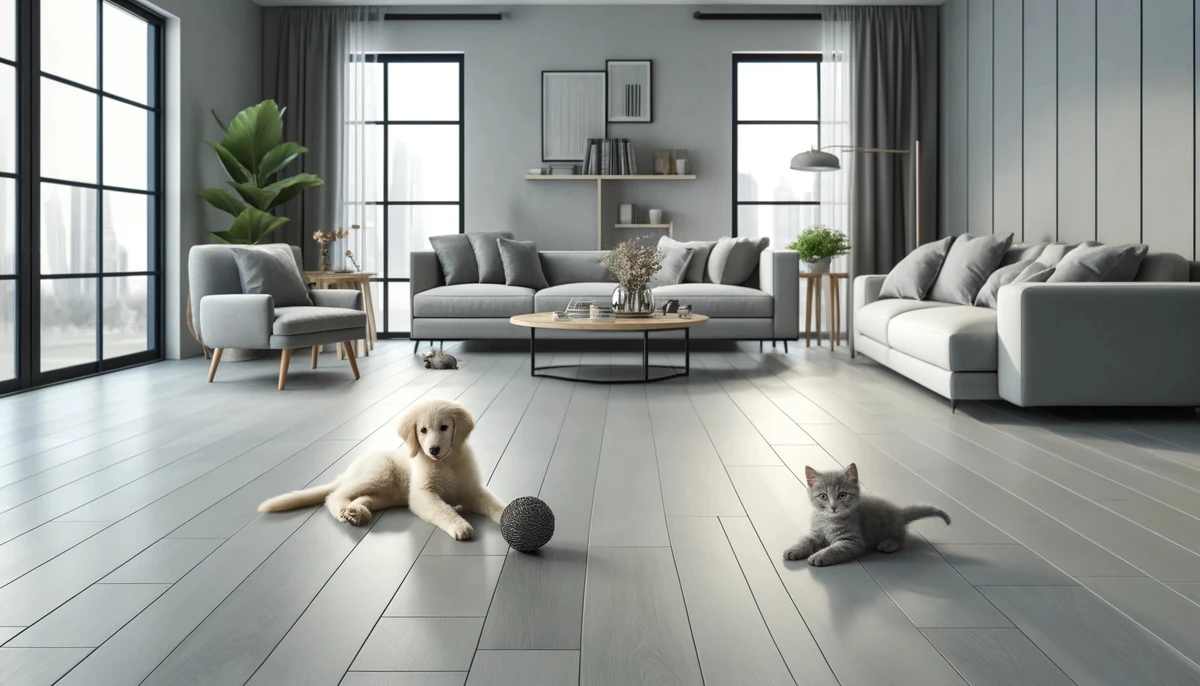
What flooring is best for homes with pets and allergies?
Floors made from cork and bamboo are ideal for pet owners with allergies due to their hypoallergenic, mold-resistant properties and low VOC emissions. Tile flooring is also effective as it is non-porous and easy to clean, limiting allergen accumulation.
How do I ensure my flooring is non-toxic and safe for pets?
Select flooring materials certified for low or zero VOC emissions, use non-toxic adhesives and finishes during installation, and maintain floors with natural cleaning products. Verify certifications such as GREENGUARD or FloorScore for indoor air quality assurance.
Is luxury vinyl plank a good choice for pet owners?
Yes, luxury vinyl plank offers waterproof, scratch-resistant surfaces that are easy to maintain, with many low-VOC options available. Its design versatility and durability make it practical for homes with active pets.
Can bamboo flooring withstand pet scratches and accidents?
bamboo flooring is relatively durable and resistant to stains and odors, but its scratch resistance depends on the finish applied. Textured finishes help prevent slipping, and proper underlayment can improve resilience. Prompt cleaning of accidents is necessary to prevent damage.
What maintenance is required for wool carpets in pet homes?
Wool carpets need regular vacuuming and prompt stain treatment to manage odors and prevent damage. Using natural fiber-safe cleaning agents and professional deep cleaning periodically can maintain their hypoallergenic and flame-retardant properties.
As indoor air quality standards tighten and pet ownership continues to rise, the demand for non-toxic, sustainable flooring options will grow. Future developments may focus on enhanced hybrid materials combining natural fibers with durable, low-emission synthetics, further optimizing pet safety and environmental impact. Homeowners are encouraged to consult green building experts and flooring specialists to tailor selections to their specific pet and environmental needs, ensuring a healthy and resilient living space for both humans and animals.
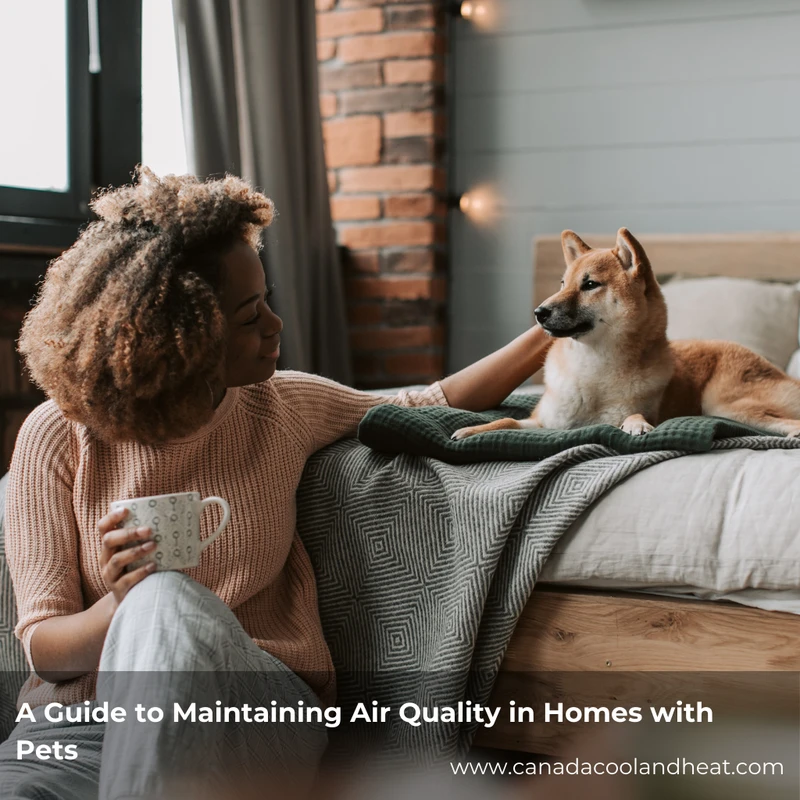
How Air Quality Impacts Pet Health and Home Safety
PawVerde.com – Maintaining optimal indoor air quality is critical for safeguarding the respiratory and immune health of pets, including dogs, cats, and birds. Scientific data links poor air quality in homes to a range of health issues in pets, from chronic respiratory diseases to immune system impairment and even cancer. Airborne pollutants such as particulate matter (PM2.5), volatile organic compounds (VOCs), and pet dander create a hazardous environment in enclosed spaces where pets spend most of their time. Veterinary professionals and environmental health experts emphasize the importance of active air quality management—including the use of HEPA-filter air purifiers, regular HVAC system maintenance, and vigilant monitoring of air pollution levels—to minimize pets’ exposure to harmful contaminants and allergens.
Pets are particularly vulnerable to indoor pollution due to their breathing zones being closer to the floor, where particulate matter and pet dander accumulate. Research from veterinary clinics such as Everhart Veterinary Medicine reveals that pets exposed to elevated levels of PM2.5 and VOCs exhibit higher incidences of respiratory issues like asthma, bronchitis, and chronic obstructive pulmonary disease. Young animals, seniors, and pets with pre-existing conditions such as heart disease or allergies are at heightened risk. The environmental protection Agency (EPA) Air Quality Index (AQI) serves as a valuable reference for pet owners to gauge outdoor air safety and take preventive measures when pollution levels reach hazardous thresholds.
Health Risks of Poor Air Quality for Pets
Scientific studies demonstrate that exposure to indoor pollutants exacerbates respiratory and immune system disorders in pets. Dogs and cats inhaling particulate matter and airborne allergens face increased risks of chronic bronchitis, allergic rhinitis, and even lung cancer. Birds, with their highly sensitive respiratory systems, are susceptible to toxin-induced respiratory distress and immune suppression. Veterinary research highlights that persistent inhalation of VOCs—common in household cleaners, paints, and scented products—can lead to systemic toxicity and chronic inflammation in pets.
Certain populations are especially vulnerable. Puppies and kittens, whose developing immune and respiratory systems cannot efficiently filter pollutants, suffer from increased susceptibility to infections and asthma-like symptoms. Senior pets experience diminished respiratory capacity and weakened immune defenses, compounding the effects of poor air quality. Additionally, pets with pre-existing conditions such as asthma, heart disease, or chronic allergies require heightened vigilance, as air pollutants can trigger severe exacerbations.
Signs indicating poor indoor air quality affecting pets include persistent coughing, sneezing, nasal discharge, lethargy, wheezing, and difficulty breathing. Behavioral changes such as reduced activity or decreased appetite may also signal respiratory distress related to environmental factors. Veterinary professionals recommend prompt evaluation when these symptoms arise, especially in homes with known air quality challenges.
Sources of Indoor Air Pollution in Pet Homes
Indoor air quality degradation in pet homes results from a complex interplay of natural and anthropogenic sources. Pet dander and hair are primary contributors to airborne allergens, often exacerbated by tracked-in dirt, pollen, and dust. These particulate allergens accumulate in carpets, upholstery, and HVAC ducts, circulating continuously in the breathing zones of pets.
Household chemicals including cleaning agents, air fresheners, and paints release VOCs that contribute to indoor pollution. Combustion byproducts from smoking, cooking, and heating appliances add particulate matter and toxic gases to the indoor environment. Wildfire smoke, increasingly frequent in many regions, introduces high concentrations of PM2.5 that infiltrate homes, posing acute risks to pet respiratory health.
HVAC systems, while essential in climate control, can inadvertently circulate pollutants if filters are not properly maintained. Dirty or low-quality HVAC filters fail to capture pet dander, dust mites, and particulate matter, allowing contaminants to recirculate. Furthermore, poorly maintained ductwork harbors allergens and microbial growth, further degrading air quality.
Monitoring and Assessing Air Quality in Homes with Pets
Accurate monitoring of indoor air quality is crucial for timely identification and mitigation of pollution sources affecting pet health. Modern air quality monitoring devices capable of detecting PM2.5 and VOC concentrations provide valuable data within the specific breathing zones of pets. These portable or fixed sensors enable pet owners to assess pollutant levels in real-time and correlate symptoms with environmental factors.
The EPA’s Air Quality Index (AQI) offers standardized metrics to understand outdoor air pollution severity. AQI values above 100 indicate unhealthy air conditions, triggering recommendations to limit outdoor activity for pets. During wildfire events or pollution spikes, adhering to AQI advisories is essential to reduce pets’ exposure to hazardous particulates.
Combining indoor sensors with AQI data empowers pet owners to create safer environments by adjusting ventilation, limiting outdoor exposure, and deploying air purification technologies proactively.
Effective Strategies to Improve Air Quality for Pets
Utilizing air purifiers equipped with High-Efficiency Particulate Air (HEPA) filters is among the most effective interventions to reduce airborne pet allergens and harmful particulates. HEPA filters capture at least 99.97% of particles as small as 0.3 microns, including PM2.5, pet dander, and dust mites. Placement of air purifiers in common pet areas—living rooms, bedrooms, and near sleeping quarters—maximizes pollutant removal within pets’ breathing zones.
Complementing air purifiers, HVAC systems fitted with Minimum Efficiency Reporting Value (MERV) rated filters—preferably MERV 11 or higher—significantly reduce circulating allergens and particulate matter. Veterinary and environmental health guidelines recommend replacing HVAC filters every one to three months in homes with pets to maintain filtration efficacy. Neglecting timely filter changes leads to filter clogging and decreased air circulation, compounding indoor pollution problems.
Regular professional duct cleaning every 12 to 18 months further diminishes allergen buildup within HVAC systems, preventing redistribution of dust, pet hair, and microbial contaminants. Combining these measures creates a layered defense against airborne pollutants in pet environments.
Managing Outdoor Air Quality Risks
During periods of elevated outdoor pollution—such as wildfire smoke events or urban smog episodes—protective measures for pets are imperative. Keeping pets indoors with windows and doors securely closed limits infiltration of hazardous particulates. Using air conditioning in recirculation mode and deploying portable air cleaners indoors further improves air safety.
Limiting outdoor exercise and avoiding high-traffic or industrial areas during high AQI days reduces pets’ exposure to toxic particulates and gases. Veterinary experts advise monitoring AQI reports daily and adjusting pet activity accordingly to prevent respiratory distress and exacerbation of chronic conditions.
In regions prone to wildfire smoke, installing air purification systems capable of filtering ultrafine particles and VOCs becomes a vital component of pet health management.
Veterinary Perspectives and Recommendations
Veterinary professionals increasingly recognize indoor air quality as a critical factor in pet health. Insights from veterinary clinics, including Everhart Veterinary Medicine, highlight that environmental management—alongside nutrition and preventive care—is essential in mitigating respiratory and allergic diseases in pets. Veterinarians recommend routine screening for respiratory symptoms during wellness visits, especially in pets living in high-pollution areas or exposed to smoke events.
Prompt veterinary consultation is advised when pets exhibit persistent coughing, wheezing, nasal discharge, or lethargy that may relate to air pollution exposure. Diagnostic tools such as chest radiographs, bronchial cytology, and allergy testing assist in identifying pollutant-induced conditions. Treatment plans frequently incorporate environmental modifications alongside pharmacological interventions.
Veterinarians also emphasize the importance of educating pet owners on pollutant sources and mitigation strategies to foster healthier indoor environments.
Forward-Looking Analysis: Enhancing Pet Health Through Air Quality Innovation
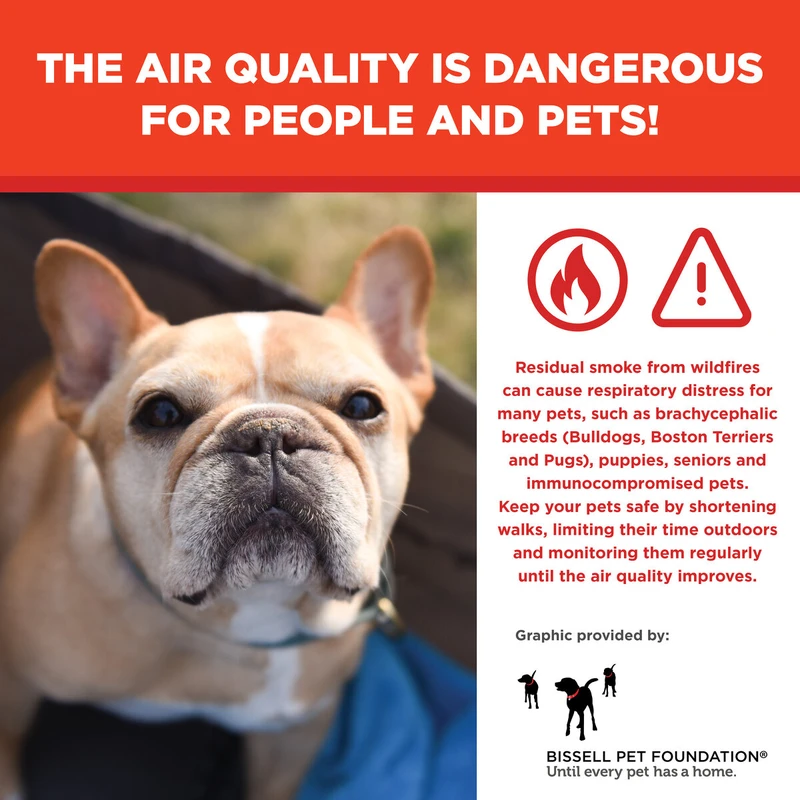
Emerging technologies in air quality monitoring and purification promise to revolutionize pet health management. Integration of smart sensors with HVAC and air purifier systems enables automated pollutant detection and responsive filtration adjustments tailored to pet activity and environmental conditions. Advances in filter media targeting VOCs and ultrafine particles offer enhanced protection against chemical pollutants.
Environmental health research continues to refine AQI guidelines specific to vulnerable populations, including pets, facilitating more precise risk communication. Collaborative efforts across veterinary medicine, environmental science, and technology sectors will drive development of comprehensive air quality solutions for pet owners.
Proactive adoption of these innovations, combined with established best practices, will be instrumental in reducing the burden of air pollution-related diseases in pets, ultimately improving their quality of life and longevity.
| Air Quality Measure | Recommended Action | Relevance to Pets |
|---|---|---|
| HEPA Air Purifiers | Use in main living areas and pet sleeping zones | Removes 99.97% of PM2.5, pet dander, and allergens |
| MERV 11+ HVAC Filters | Replace every 1-3 months in pet homes | Reduces circulating pet hair, dust, and allergens |
| Air Quality Index (AQI) | Monitor daily; restrict outdoor activity when AQI > 100 | Prevents exposure to hazardous outdoor pollutants |
| Air Quality Monitors | Use indoor sensors to track PM2.5 and VOC levels | Enables early detection of poor indoor air quality |
| Ventilation & Duct Cleaning | Professional duct cleaning every 12-18 months | Reduces allergen buildup and microbial contaminants |
FAQ

Why is indoor air quality particularly important for pets?
Indoor air quality directly affects pets’ respiratory and immune health because pets inhale pollutants concentrated near the floor, including pet dander, dust, and particulate matter. Poor air quality increases risks of asthma, allergies, and chronic respiratory diseases in pets.
How often should HVAC filters be replaced in homes with pets?
HVAC filters in pet homes should be replaced every one to three months to ensure effective removal of pet hair, dander, dust, and other airborne allergens, maintaining optimal air circulation and filtration.
What types of air purifiers are most effective for pet homes?
Air purifiers equipped with HEPA filters are the most effective, capturing 99.97% of particles as small as 0.3 microns, including PM2.5, pet dander, and allergens. Selecting units sized appropriately for room dimensions and placing them near pet areas enhances effectiveness.
How can pet owners protect their animals during wildfire smoke events?
Pet owners should keep pets indoors with windows and doors closed, use air conditioning in recirculation mode, deploy portable air purifiers indoors, and limit outdoor exercise during periods of poor outdoor air quality indicated by high AQI values.
When should I consult a veterinarian regarding air quality-related symptoms in my pet?
Consult a veterinarian if your pet exhibits persistent coughing, wheezing, nasal discharge, lethargy, or breathing difficulties, especially if symptoms correlate with exposure to smoke, dust, or household pollutants.
—
Addressing the multifaceted challenge of indoor air pollution in pet environments requires informed, proactive strategies combining technology, veterinary insight, and environmental awareness. As air quality monitoring and filtration technologies evolve, pet owners are better equipped to create safe, healthy living spaces that support the long-term respiratory and immune health of their companion animals.