
Private vs Public Pet Adoption: Key Pros and Cons Explained
PawVerde.com – Private and public pet adoption represent two primary avenues for acquiring companion animals, each with distinct benefits and challenges. Understanding these differences is essential for prospective adopters aiming to make informed, ethical decisions that align with their lifestyle, budget, and values. public animal shelters often operate at larger scales, housing diverse populations of pets ranging from mixed breeds to animals with special needs, typically offering lower adoption fees inclusive of veterinary services such as vaccinations, microchipping, and spay/neuter procedures. In contrast, private rescue organizations tend to work with smaller groups, providing personalized care, in-depth knowledge of each pet’s behavioral and medical history, and more rigorous screening processes for adopters.
Choosing between private and public pet adoption involves weighing cost, health history, and ethical factors: private rescues often provide personalized care, vetting, and return flexibility, while public shelters offer lower fees and help reduce overpopulation but may have less detailed pet backgrounds. These options differ significantly in terms of pet selection, health guarantees, and adoption policies, making it crucial to evaluate individual priorities before committing.
Benefits of Public (Shelter) Pet Adoption
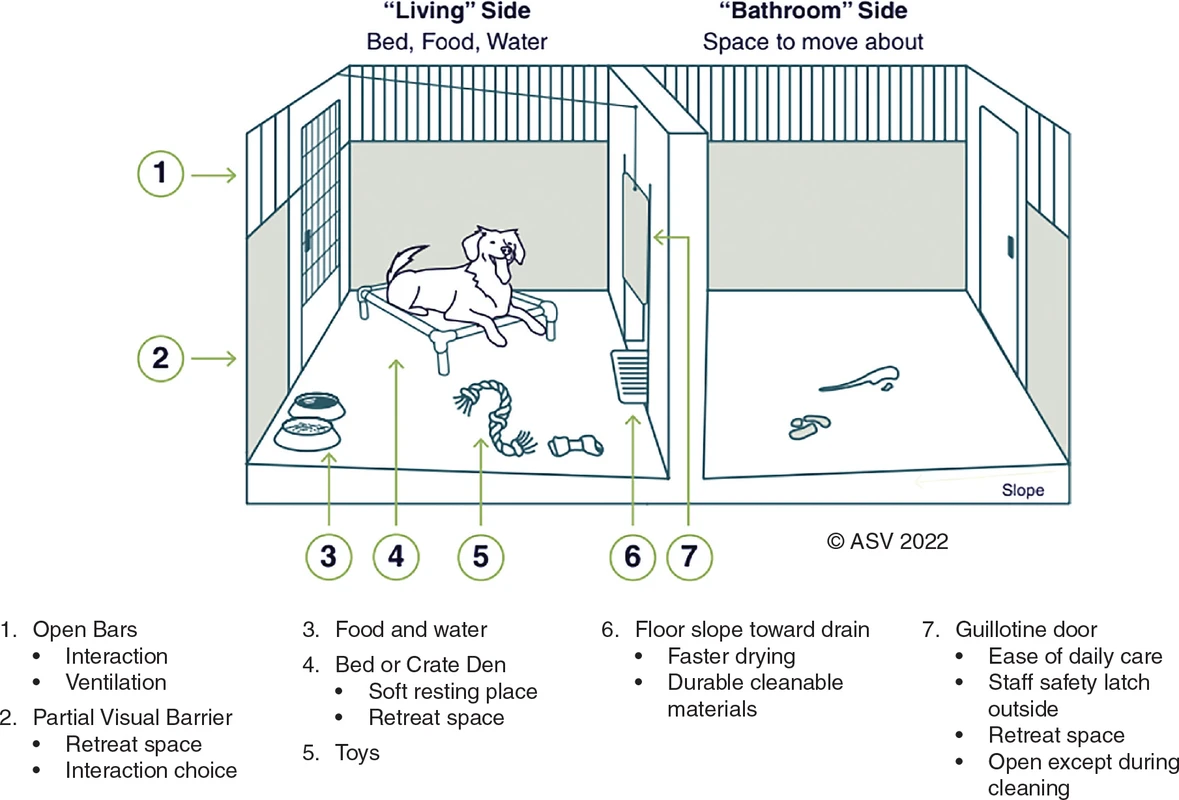
Public shelters and municipal animal control facilities play a critical role in managing pet overpopulation and providing refuge for surrendered, stray, or abused animals. One of the most significant impacts of public shelter adoption is the direct contribution to reducing shelter overcrowding and euthanasia rates. According to national animal welfare statistics, shelters in the United States collectively save millions of animals annually, with adoption fees frequently covering essential veterinary care that lowers upfront costs for adopters.
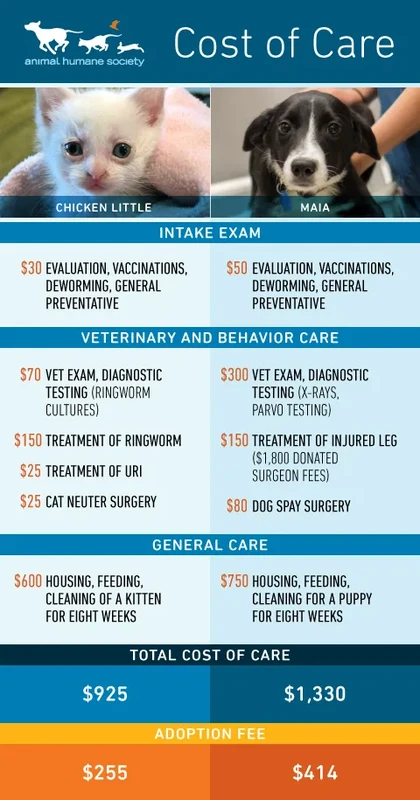
Adoption fees at public shelters typically include vaccinations, spaying or neutering, and microchipping, which are essential for preventing disease spread and unwanted litters. This bundled veterinary care lowers the financial barrier to pet ownership and ensures that adopted animals enter homes with baseline health protections. Moreover, shelters offer pets of all ages and sizes, including adult and senior animals, which often have lower adoption fees than puppies or kittens.
Mixed breed dogs, commonly found in shelters, tend to exhibit greater genetic diversity, which can reduce the likelihood of inherited health problems compared to purebred animals. This genetic advantage often translates into fewer veterinary expenses over the pet’s lifetime. Public shelters also implement community-focused policies that support rehoming efforts and provide ongoing resources to adopters, such as behavioral training referrals and low-cost veterinary clinics, enhancing the long-term success of adoptions.
Benefits of Private Rescue Pet Adoption
Private rescue organizations and breed-specific rescues operate on a smaller scale but offer highly individualized care and attention to each animal. These groups often have fewer pets available at any given time, allowing for thorough medical evaluations and detailed documentation of each animal’s personality, behavioral history, and special needs. This level of detail enables prospective adopters to match with pets that fit their lifestyles more precisely.
Adoption screening processes in private rescues tend to be more rigorous, involving home visits, interviews, and follow-ups, which can improve adoption outcomes by ensuring compatibility and preparedness. Furthermore, many private rescues offer flexible return policies, recognizing that adopter circumstances may change and providing a safety net that protects both the pet and the adopter.
Breed-specific rescues, such as those affiliated with the Bernese Mountain Dog Club of America or the Bulldog Club of America, specialize in purebred animals and often collaborate with certified breeders who adhere to stringent health and ethical standards. These partnerships facilitate access to well-vetted pets with documented pedigrees and health guarantees, appealing to adopters seeking specific breeds without supporting puppy mills.
Challenges and Limitations of Public Shelter Adoption
While public shelters provide critical services, they face challenges that can affect adopters’ experiences. Overcrowding is a persistent issue, with many shelters operating at or beyond capacity. This strain can limit the time and resources available for individualized pet care, leading to less comprehensive behavioral assessments or incomplete medical histories.
Shelters often accept all animals regardless of health or behavior, which means some pets may require significant post-adoption training, socialization, or medical treatment. Limited staff and volunteer resources can result in faster adoption processes, sometimes at the expense of thorough adopter screening or matching.
Additionally, adopters may encounter a narrower selection of purebred pets or pets with specific traits, as shelters predominantly house mixed-breed or stray animals. The lack of detailed behavioral and medical backgrounds can introduce uncertainty, requiring adopters to invest time and effort in ongoing training and veterinary care.
Challenges and Limitations of Private Rescue Adoption
Private rescues, despite their advantages, face distinct operational constraints. Due to smaller intake capacities and reliance on donations and volunteer labor, these organizations may have limited availability of pets, creating longer wait times for prospective adopters. The intensive screening and matching process, while beneficial for adoption success, can be perceived as cumbersome or restrictive.
Resource limitations may impact the extent of veterinary care or rehabilitation provided prior to adoption, particularly for rescues without stable funding. Private rescues may also lack the infrastructural support of larger shelters, making them vulnerable to fluctuations in volunteer engagement or donation levels, which can affect adoption services and follow-up support.
Comparison with Buying from Breeders
Purchasing pets from breeders offers advantages such as breed predictability, controlled genetics, and health guarantees backed by certifications. Certified breeders, adhering to standards set by organizations like the Bernese Mountain Dog Club of America or the Bulldog Club of America, often provide detailed pedigrees and vetting procedures, including genetic testing to minimize hereditary disorders.
However, buying from breeders typically involves significantly higher costs, including purchase prices and ongoing care for breed-specific health issues. Ethical considerations also arise, as some breeders contribute to pet overpopulation or prioritize profit over animal welfare, exacerbating shelter overcrowding.
In contrast, adopting from shelters or rescues supports animal welfare initiatives and reduces the demand for commercial breeding operations. Mixed breed pets from adoption sources tend to have fewer inherited health problems and often display more varied temperaments, which can be advantageous for certain owners.
| Aspect | Public Shelter Adoption | Private Rescue Adoption | Buying from Breeders |
|---|---|---|---|
| Cost | Lower adoption fees, inclusive of basic vet care | Moderate fees, sometimes higher due to specialized care | High purchase price plus additional health costs |
| Pet Selection | Wide variety, mostly mixed breed, all ages | Smaller pool, often breed-specific or special needs | Purebred with pedigree and health guarantees |
| Health & Vetting | Basic vetting included; histories may be incomplete | Comprehensive vetting, detailed medical histories | Extensive health screening, genetic testing |
| Adoption Process | Generally quicker, less rigorous screening | Lengthier, strict screening and matching | Direct sale, minimal screening |
| Ethical Considerations | Supports reducing overpopulation, euthanasia prevention | Supports specialized care and rescue efforts | Risk of contributing to overpopulation if unethical |
| Return Policy | Varies, often limited | More flexible, with adopter support | Usually no returns or exchanges |
Ethical and Practical Considerations in Choosing a Pet
Supporting animal welfare through adoption addresses the critical issue of pet overpopulation, which results in millions of animals being euthanized annually. Choosing adoption over purchasing from commercial breeders reduces demand for unethical breeding practices and promotes responsible pet ownership.
Matching a pet’s temperament, energy level, and care requirements with the adopter’s lifestyle is essential for long-term success. Private rescues’ detailed behavioral profiles facilitate this alignment, while public shelters may require adopters to invest more effort in understanding their new pet’s needs.
Commitment to lifelong care, including veterinary maintenance, training, and socialization, is a non-negotiable aspect of ethical pet acquisition. Adopters must evaluate their capacity to provide stable, loving homes regardless of the source.
FAQ
What are the main differences between private and public pet adoption?
Private pet adoption involves smaller rescue groups with personalized care, detailed pet histories, and stricter adopter screening. Public pet adoption occurs through animal shelters with larger pet populations, generally lower fees, and broader availability but sometimes less detailed information on each animal.
Are adoption fees from shelters cheaper than private rescues?
Yes, public shelter adoption fees are typically lower and often include vaccinations, spay/neuter, and microchipping. Private rescues may charge higher fees reflecting the additional care, medical treatment, and screening they provide.
Do private rescues offer better behavioral matching than shelters?
Generally, yes. Private rescues usually have detailed knowledge of a pet’s personality and conduct thorough screening to match adopters, which can lead to better behavioral outcomes post-adoption.
Is adopting a mixed breed healthier than buying a purebred dog?
Mixed breed pets often benefit from greater genetic diversity, which can reduce the risk of inherited health problems common in some purebred lines. However, health also depends on the individual animal’s history and care.
Can I return a pet if adoption doesn’t work out?
Return policies vary; private rescues tend to offer more flexible return or exchange options to support adopters, whereas public shelters may have more limited or strict return policies.
As the pet adoption landscape continues to evolve, prospective owners are encouraged to assess their priorities critically, considering health, ethical implications, and long-term commitment. Both private rescue and public shelter adoption offer viable pathways to providing loving homes for animals in need, with each option carrying distinct practical and moral considerations. Future trends indicate increasing collaboration between breeders, rescues, and shelters to promote responsible pet acquisition and enhance animal welfare standards nationwide.