
Eco-Friendly Carpet Cleaning for Pet Accidents: Expert Guide
PawVerde.com – To clean pet accidents eco-friendly, prioritize enzymatic cleaners that use biological compounds to break down organic waste at the molecular level. Unlike traditional cleaners that merely mask odors with fragrance, enzymes eliminate the source of the scent, preventing pets from re-marking the same area.
Enzymatic cleaners are capable of removing bodily stains and odors 100 percent by acting as catalysts to accelerate natural decomposition.
The First 5 Minutes: An Eco-Friendly Emergency Response
Immediately soak up urine with a thick layer of paper towels or newspaper, standing on them to extract maximum moisture. Rinse with cool water and blot—never scrub—with a clean, white cloth. This prevents the liquid from penetrating deep into the carpet fibers and subfloor.
Urine that is allowed to sit can migrate through the carpet pile and into the padding. To prevent a permanent odor, use physical pressure by standing on a stack of paper towels to force the liquid upward through capillary action.
The Blotting Rule: Why Scrubbing Fails
A frequent error in pet accident management is the impulse to scrub the area. Scrubbing is a failure mode that pushes organic matter deeper into the carpet weave and can fray the delicate fiber tips. Instead, use a blotting technique. Gently press a clean, white cloth into the spot to lift the moisture. Using a colored rag can cause colors to bleed into the carpet and cause further damage.
Using Black Lights for Hidden Stains
Dried accidents are often invisible to the naked eye but remain chemically active. To identify these hidden areas, use a black light in a darkened room. Once the soiled areas are located, outline them with chalk to ensure you apply your eco-friendly cleaner to the entire affected zone, not just the visible surface.
Shortcut: For immediate moisture extraction, use a thick stack of newspaper and apply body weight to the center of the spill.
- Step 1: Apply heavy pressure with paper towels.
- Step 2: Rinse with cool water (never hot).
- Step 3: Blot with a white cloth until no moisture remains.
Enzyme vs. Oxidizer: Choosing the Right Green Agent
Choose enzyme cleaners for deep, organic odor removal as they are biodegradable and non-toxic, though they require longer dwelling times. Opt for oxidizing cleaners (like 3% hydrogen peroxide) for faster-acting surface stain removal, provided they are safe for your specific carpet fiber type.
Selecting the correct chemistry depends on the age of the stain and the specific biological components involved. Dr. Simons notes that enzymes “act as catalysts to accelerate the natural decomposition process for organic stains caused by pet accidents,” which makes them the gold standard for urine and feces. However, these biological agents require time to work. They are not instant fixes; they need to remain damp on the surface to continue the breakdown process.
| Cleaner Type | Primary Mechanism | Speed | Safety/Eco-Profile |
|---|---|---|---|
| Enzyme Cleaner | Biological decomposition | Slow (requires dwelling) | High (Biodegradable) |
| Oxidizing Cleaner | Chemical oxidation (e.g., 3% H2O2) | Fast | Moderate (Fiber dependent) |
| Traditional Cleaner | Fragrance masking | Instant (Scent only) | Low (Chemical residue) |
While an oxidizer using 3% hydrogen peroxide can lift a surface stain quickly, it lacks the molecular-level breakdown capabilities of a true enzymatic solution.
The Biological Mechanism of Enzymes
Enzymatic cleaning works by utilizing bacteria and enzymes to break down organic waste into smaller components that can be easily digested or lifted. This process is superior to traditional methods because most traditional cleaners rely on covering smells with oils and fragrances, which only work temporarily and leave behind more unwanted residue.
When to Use Oxidizers
Oxidizers are best suited for non-porous surfaces or specific synthetic fibers where a quick reaction is needed. Because they work through chemical reaction rather than biological digestion, they do not provide the same “anti-marking” benefit that enzymes offer by leaving no trace of the original scent.
The Greenwashing Detection Checklist
To ensure a product is truly eco-friendly, consumers must look beyond marketing claims like “natural” or “earth-friendly.” True environmental safety is verified through rigorous data and third-party scoring.
Identifying genuine products requires a skeptical approach to labeling. Many manufacturers use greenwashing tactics to charge a premium for products that contain non-biodegradable surfactants or synthetic fragrances. To avoid this, utilize the following criteria:
- Check SkinSafe Scores: This organization uses medical data to evaluate overall product safety, potential for irritation, and allergenicity.
- Consult the EPA: Look for products that align with the Environmental Protection Agency’s Safe Chemical Ingredients List.
- Verify Allergen Counts: High-quality green products aim to minimize the presence of common irritants.
Reading SkinSafe Scores
SkinSafe provides a metric to help users understand the potential for skin irritation. According to SkinSafe, “the higher the score, the fewer allergens a product contains.” A score approaching 100 indicates a product with minimal risk of triggering sensitivities or allergic reactions.
EPA Safe Chemical Ingredients List
The environmental protection Agency maintains a Safe Chemical Ingredients List that serves as a baseline for non-toxic cleaning. If a product’s ingredient list contains heavy synthetics not found on approved lists, it is likely not a truly green solution for pet owners.
The pH-Scale Guide: Protecting Carpet Fibers
Chemical shifts can cause permanent structural changes in the carpet pile. A solution that is too acidic or too alkaline can lead to fiber swelling or brittleness.
The American Cleaning Institute provides guidance on how ingredients interact with different materials. Understanding the pH scale is essential to avoid mismatching a cleaner with your specific carpet fiber.
| Solution Type | pH Level | Common Ingredient | Fiber Risk |
|---|---|---|---|
| Acidic | 2.0 – 6.0 | Vinegar | Wool (Damage to protein) |
| Neutral | 6.0 – 8.0 | Enzymatic Cleaners | Low (Safe for most) |
| Alkaline | 8.0 – 14.0 | Baking Soda/Ammonia | Nylon (Color bleeding) |
The table above outlines the relationship between pH and fiber safety. For most pet accidents, a neutral pH enzymatic cleaner is the safest choice for a wide variety of carpet types.
Acidic vs. Alkaline Solutions
While many people reach for vinegar (acidic) or baking soda (alkaline) as DIY solutions, these can be problematic. High alkalinity can cause certain synthetic dyes to bleed, while high acidity can strip the natural oils from organic fibers.
Protecting Wool and Silk
natural fibers like wool and silk are particularly vulnerable. Because these are protein-based fibers, they are highly susceptible to damage from both strong acids and strong bases. For these high-end carpets, stick strictly to pH-neutral enzymatic cleaners to avoid permanent texture changes.
Critical Mistakes That Cause Permanent Damage
Avoiding specific errors is the most effective way to protect your carpet investment from becoming a permanent fixture of stains.
WARNING: Avoid using steam cleaners to clean urine odors from carpet or upholstery. The heat will permanently set the stain and the odor by bonding the protein into any man-made fibers.
When proteins from urine are exposed to high temperatures, they undergo a process called denaturation. This effectively “cooks” the stain into the fiber structure, making the odor nearly impossible to remove through standard cleaning.
The Heat Trap: Why Steam is the Enemy
Steam cleaners are often viewed as the ultimate cleaning tool, but for pet accidents, they are a primary cause of failure. As noted by Humane World, the heat bonds the protein into any man-made fibers, ensuring the scent remains even if the surface looks clean. This is a critical distinction between “cleaning” and “setting” a stain.
Color Bleeding and Residue Risks
Users often face two common risks during cleaning:
- Color Bleeding: Using a colored rag or an improperly balanced alkaline solution can cause dyes to migrate.
- Mold Growth: Over-wetting carpets or using excessive chemicals can damage fibers and cause mold growth due to inadequate drying.
Subfloor Rescue: When Surface Cleaning Isn’t Enough
If odors persist despite thorough surface cleaning, the issue has likely migrated to the carpet padding or the subfloor.
When urine penetrates the carpet, it enters the porous padding and can eventually reach the wooden or concrete subfloor. Once it reaches these levels, the organic matter begins to decompose in a dark, moist environment, creating a continuous source of odor. Professionals such as Zerorez or One Clean LLC often deal with cases where the subfloor has become saturated.
CAUTION: If you detect a lingering scent despite a clean surface, the padding is likely saturated. DIY rental machines often have weak suction that leaves moisture behind, which can exacerbate subfloor rot or mold.
Identifying Subfloor Saturation
You can identify subfloor saturation by checking for “soft spots” in the carpet or by using a moisture meter. If the carpet feels spongy or if the odor is stronger in certain sections of the room, the liquid has moved beyond the fibers.
Professional Extraction vs. DIY Rental Machines
While DIY rental machines are convenient, they frequently fail to provide the necessary extraction power. Professional services use high-powered extraction equipment designed to pull liquid from the deep padding and subfloor, whereas rental units often leave significant moisture behind, increasing the risk of mold.
Optimizing Dry Time Without High Heat
Managing the environment is vital to preventing secondary issues like mold and mildew. Since high heat must be avoided to prevent protein bonding, you must rely on airflow and moisture removal.
- Increase Airflow: Position floor fans to blow directly across the cleaned area.
- Dehumidification: Run a dehumidifier in the room to pull moisture out of the air and the carpet fibers.
- Ventilation: Open windows if the external humidity is lower than the internal humidity.
Proper drying prevents the “crunchy” texture that occurs when fibers are left to dry too slowly with chemical residues. Aim for the area to be completely dry within 6 to 12 hours to minimize any risk of microbial growth.
Long-Term Carpet Maintenance Schedule
A proactive routine is necessary to keep fibers clear of dust and allergens that can trap odors.
Follow this schedule to reduce the frequency of deep-cleaning emergencies:
- Once per week: Thorough vacuuming to remove surface-level dirt and prevent debris from being pushed deep into the fibers.
- Every 6 to 8 months: Professional cleaning for high-traffic areas or homes with multiple pets.
- Every 6 to 12 months: A full-home deep clean to address any accumulated organic matter in less visible areas.
Frequently Asked Questions
Why shouldn’t I use vinegar or ammonia for pet urine?
Strong chemical odors like ammonia or vinegar may actually encourage your pet to reinforce the urine scent mark in that area, leading to repeat accidents. It is better to use a neutral, enzymatic cleaner that eliminates the scent entirely.
Can I use a steam cleaner on pet stains?
No. The heat from a steam cleaner can permanently set the stain and odor by bonding the protein into man-made carpet fibers. Always use cool or lukewarm water for spot cleaning.
How do I know if a cleaner is truly eco-friendly?
Look for products with high SkinSafe scores (up to 100) and check the EPA’s Safe Chemical Ingredients List to ensure no hidden synthetics or harmful chemicals are present in the formula.

Eco-Friendly Pet Stain Removers Use Enzymes to Clean Safely
PawVerde.com – Pet owners increasingly demand effective, eco-conscious solutions for managing stains and odors caused by pets. In 2026, the market for eco-friendly pet stain removers reflects substantial growth fueled by advances in enzyme and probiotic cleaning technologies, natural ingredient formulations, and consumer preference for safe, sustainable products. Brands like Hepper Spray, Stain-eez, and Only Natural Pet exemplify this shift, offering biodegradable, pet-safe stain removers that work effectively on multiple surfaces including carpets, upholstery, and hard floors. These products leverage organic enzyme blends and probiotic formulas that break down organic stains at their source, eliminating odors without resorting to harsh chemicals such as bleach or ammonia.
The availability of subscription services further enhances user convenience and environmental sustainability, ensuring timely delivery and reduced packaging waste. Verified user feedback highlights these removers’ efficacy and ease of use, while expert endorsements from pet care and lifestyle authorities reinforce their credibility. This article provides a detailed examination of the science behind eco-friendly pet stain removers, evaluates leading products and brands, explores purchasing options, and assesses environmental and health benefits, offering guidance for consumers seeking safe, effective, and green pet stain solutions online in 2026.
Enzyme and Probiotic Technology: The Science Behind Eco-Friendly Pet Stain Removers
eco-friendly pet stain removers employ organic enzyme blends and probiotic cultures to degrade organic matter responsible for stains and odors. Enzymes such as proteases, amylases, and lipases catalyze the breakdown of proteins, starches, and fats found in pet urine, feces, vomit, and dander residues. Probiotics complement this by introducing beneficial microorganisms that outcompete odor-causing bacteria, ensuring longer-lasting freshness. This bio-enzymatic approach contrasts sharply with traditional chemical stain removers, which often rely on harsh solvents or oxidizers that temporarily mask odors but do not eliminate the source.
Unlike conventional products containing volatile organic compounds (VOCs), chlorine, or synthetic fragrances, enzyme-based removers are biodegradable and non-toxic, significantly reducing environmental impact and health risks. Additionally, these formulas tend to be safe for sensitive individuals and pets, minimizing allergic reactions or respiratory irritation. Multi-surface compatibility is another advantage, allowing use on carpets, upholstery, hardwood, tile, and fabrics without damaging fibers or finishes. This technology’s efficacy is supported by third-party laboratory testing, often cited in product certifications such as EPA Safer Choice and cruelty-free endorsements.
Leading Eco-Friendly Pet Stain Remover Brands and Their Product Profiles
Several brands have emerged as leaders in the eco-friendly pet stain remover space, distinguished by their commitment to natural ingredients, transparency, and proven performance.
Hepper Spray offers a USA-made enzymatic cleaner that boasts a 100% satisfaction guarantee. Its formula is free from synthetic dyes, parabens, and harmful chemicals, utilizing potent enzymes to break down organic stains and odors effectively. Customers praise its mild scent and quick drying time, as well as its versatility on various surfaces. Hepper also emphasizes sustainability by using recyclable packaging and offering subscription options for regular replenishment.
Stain-eez features a bio-enzymatic formula enhanced with probiotic technology, designed for multi-surface application including carpets and upholstery. Stain-eez’s proprietary blend accelerates stain degradation while neutralizing odors, making it suitable for multi-pet households. The product is certified cruelty-free and contains no phosphates or ammonia, aligning with environmentally responsible manufacturing practices.
Only Natural Pet Stain & Odor Remover incorporates organic enzyme blends combined with natural surfactants derived from plant sources. Its biodegradable ingredients ensure pet and child safety while delivering robust stain removal power. This brand highlights ingredient transparency and sources raw materials from sustainable suppliers. User reports indicate effectiveness on older, set-in stains and odor neutralization without overpowering fragrances.
Additional reputable brands include Resolve Pet Expert, featuring enzyme and probiotic formulas tailored for high-traffic areas; Biokleen, known for its plant-based surfactants and eco-certifications; Whip-It Cleaner, which offers concentrated biodegradable solutions; Grove Collaborative, a subscription-based platform that curates green pet cleaning products; and Jeffers Pet, specializing in pet-safe cleaning supplies that comply with veterinary recommendations.
Online Purchasing and Subscription Services: Enhancing Access and Convenience
The shift to online retail platforms has expanded consumer access to eco-friendly pet stain removers, with secure e-commerce sites offering detailed product information, user reviews, and transparent ingredient lists. Most leading brands maintain official websites optimized for mobile and desktop purchasing, ensuring seamless checkout and customer support. Subscription models have become increasingly popular, allowing pet owners to schedule deliveries at regular intervals, reducing the risk of running out and minimizing packaging waste.
Subscription services often provide cost savings compared to one-time purchases, with discounts ranging from 10% to 20% depending on frequency and quantity. For example, Hepper Spray’s subscription includes flexible delivery schedules and free shipping on select plans, while Grove Collaborative bundles multiple pet cleaning products into eco-friendly kits. Consumers can subscribe via brand sites or third-party platforms specializing in green home care products.
Price points for eco-friendly pet stain removers typically range from $12 to $30 per 16-32 ounce bottle, with concentrated formulas offering better value due to dilution options. Comparing cost-effectiveness involves analyzing active ingredient potency, ease of application, and coverage area per bottle. Some products include refill pouches or concentrated refills to enhance sustainability and reduce plastic waste.
Environmental and Health Benefits of Eco-Friendly Pet Stain Removers
Biodegradability is a cornerstone of green pet stain removers, ensuring that ingredients break down rapidly without persisting in waterways or soil. This reduces ecological harm compared to conventional cleaners laden with synthetic chemicals. Many products avoid phosphates, chlorine, and artificial dyes, which can contribute to water pollution and harm aquatic life. Brands also focus on sustainable ingredient sourcing, favoring renewable plant-based materials and organic farming practices.
From a health perspective, these removers minimize exposure to toxic substances for both pets and humans. They are typically free from respiratory irritants and carcinogenic compounds, making them suitable for households with children, elderly members, or allergy sufferers. The absence of synthetic fragrances reduces the risk of chemical sensitivities, while surface-safe formulations prevent damage to flooring and upholstery fibers.
Packaging innovations further reduce environmental footprints. Several brands utilize post-consumer recycled plastics, biodegradable labels, and minimalistic designs to limit waste. Subscription models contribute by optimizing delivery routes and decreasing the frequency of individual shipments. Collectively, these measures represent a comprehensive approach to sustainable pet stain management.
User Experience and Expert Recommendations
Verified consumer reviews consistently emphasize the effectiveness of enzyme-based stain removers in tackling both fresh and aged pet stains. Users report that products like Hepper Spray and Stain-eez outperform traditional chemical cleaners in odor elimination, particularly in multi-pet environments. Ease of use is a common highlight, with many formulations requiring simple spray-and-blot applications and rapid drying times.
Scent profiles are generally mild and naturally derived, avoiding overpowering artificial fragrances. Some users note that while enzyme cleaners excel on organic stains, very stubborn or synthetic dye-based stains may require repeat treatments or complementary cleaning methods. pet safety is strongly affirmed across reviews, with no reports of adverse reactions or toxicity.
Expert endorsements from reputable outlets such as Dogster and Good Housekeeping confirm these products’ efficacy and safety credentials. They recommend selecting cleaners with enzyme and probiotic formulas certified by third parties, and encourage consumers to consider subscription services for both convenience and environmental impact reduction. However, experts advise caution for households with extremely sensitive pets, recommending patch tests before widespread application.
FAQ: Eco-Friendly Pet Stain Removers in 2026
What makes enzyme-based pet stain removers more effective than traditional cleaners?
Enzyme-based removers use natural enzymes to break down the organic compounds causing stains and odors at a molecular level, providing permanent removal rather than masking. Probiotics further inhibit odor-causing bacteria, resulting in longer-lasting freshness.
Are eco-friendly pet stain removers safe for all types of pets?
Most eco-friendly removers are formulated to be non-toxic and safe for common household pets including dogs, cats, and small mammals. However, pet sensitivity can vary, so a patch test and monitoring are recommended, especially for exotic or highly sensitive animals.
Can these removers be used on all household surfaces?
Leading eco-friendly products are designed for multi-surface use, including carpets, upholstery, hardwood floors, tiles, and fabrics. It’s essential to follow manufacturer instructions and test in inconspicuous areas to prevent damage.
How do subscription services benefit pet owners environmentally and financially?
Subscriptions ensure regular supply, reducing last-minute purchases and wasted packaging. They often include discounts, free shipping, and eco-friendly packaging options, contributing to both cost savings and reduced environmental impact.
Do eco-friendly pet stain removers have certifications to verify their safety and sustainability?
Yes, many products carry certifications such as EPA Safer Choice, cruelty-free logos, and organic ingredient endorsements, which validate their environmental and health safety standards.
—
As consumer awareness of environmental and health implications grows, 2026’s eco-friendly pet stain removers represent a significant advancement in pet care. Their natural enzyme and probiotic technologies provide superior stain and odor removal while minimizing ecological footprints. Coupled with convenient online purchasing and subscription models, these products offer an optimal balance of efficacy, safety, and sustainability. Pet owners are encouraged to evaluate ingredient transparency, product certifications, and user feedback to select the most suitable eco-friendly stain remover for their household needs, fostering a cleaner, greener environment for pets and families alike.
Best Eco-Friendly Pet Stain Removers Break Down Odors Safely
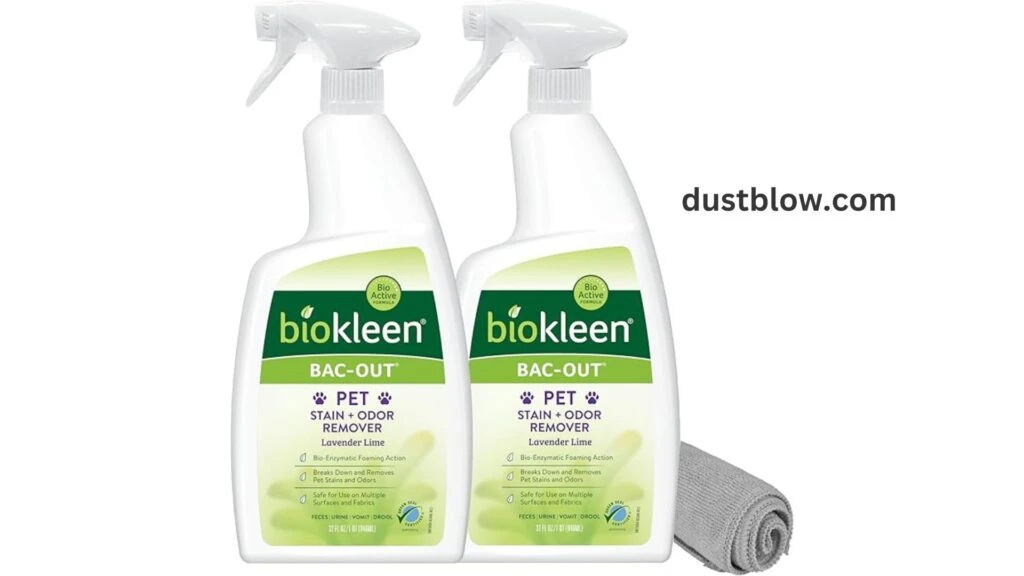
PawVerde.com – eco-friendly pet stain removers have become essential for pet owners seeking effective cleaning solutions that prioritize safety, environmental responsibility, and durability. Enzyme-based, biodegradable products such as Biokleen Bac-Out Enzyme Stain & Odor Remover, Puracy Pet Stain and Odor Eliminator, and Truly Free Home Enzyme Stain Remover lead the market by combining natural ingredients with advanced cleaning technology. These formulations harness live enzyme cultures to break down organic matter, eliminating both visible stains and underlying odors without introducing toxic chemicals harmful to pets or humans.
Pet stains vary in composition and complexity, typically involving urine, feces, vomit, or dirt, each presenting distinct challenges for removal. While conventional cleaners may mask odors with strong fragrances or rely on harsh chemicals like ammonia and bleach, eco-friendly enzyme cleaners target the root cause by digesting the organic compounds. This dual-action approach improves long-term odor control and reduces the risk of repeat soiling, a common issue in households with pets.
Understanding Pet Stains and Odors
Pet stains primarily consist of organic waste materials. Urine contains urea, uric acid crystals, and proteins that penetrate porous surfaces, complicating removal efforts. Feces and vomit introduce complex biological matter including enzymes, fats, and bacteria that contribute to persistent odors and surface discoloration. Dirt and mud, common with outdoor pets, often carry soil-based stains that require different enzymatic and surfactant actions.
A critical distinction exists between stain removal and odor elimination. Stain removal addresses the visible discoloration, but odors often persist due to microscopic residues left behind. Enzyme-based cleaners specifically break down these residues at a molecular level, preventing bacteria growth that causes lingering smells. This mechanism outperforms traditional chemical cleaners that only neutralize odors temporarily or cover them with synthetic scents.
How Eco-Friendly Cleaning Products Work
Enzyme cleaners utilize specialized proteins that catalyze the breakdown of organic molecules into simpler, odorless compounds. Key enzymes include proteases (targeting proteins), amylases (carbohydrates), and lipases (fats). These enzymes actively digest pet waste components, transforming stains and odors into harmless substances that rinse away with water.
Plant-based surfactants complement enzymes by emulsifying oils and loosening dirt without harsh detergents. Ingredients derived from coconut or corn-based compounds reduce environmental impact and improve biodegradability. Essential oils such as tea tree or eucalyptus may be added in trace amounts for natural antimicrobial properties and mild fragrance, while avoiding synthetic perfumes that can irritate pets.
Formulations strictly exclude harmful chemicals like ammonia, bleach, formaldehyde, and phthalates, which pose health risks to animals and humans. Biodegradable compounds ensure that after use, the cleaners break down rapidly, minimizing ecological footprint. Products carrying certification such as the Carpet and Rug Institute (CRI) Seal of Approval confirm their efficacy and safety on carpet fibers and upholstery, critical for pet environments.
Top Recommended Eco-Friendly Pet Stain Removers
Among commercial enzyme cleaners, Biokleen Bac-Out Enzyme Stain & Odor Remover stands out for its use of live enzyme cultures derived from pineapple and grapefruit extracts. This product avoids artificial fragrances and dyes, ensuring suitability for sensitive pets. Puracy Pet Stain and Odor Eliminator combines plant-based surfactants with natural enzymes, offering a hypoallergenic formula endorsed by veterinarians.
Truly Free Home enzyme stain remover emphasizes chemical-free ingredients, using a simple blend of protease enzymes and biodegradable detergents. Its multi-surface compatibility supports cleaning carpets, upholstery, pet bedding, and even car interiors. Other notable brands include Begley’s Household Stain & Odor Remover, Better Life’s Natural Stain & Odor Eliminator, Earth Friendly Product’s Everyday Stain & Odor Eliminator, Sheiner’s Carpet Stain Cleaner & Odor Remover, and Rocco & Roxie Professional Strength Bio-Enzymatic Formula. These products consistently avoid toxic additives, maintain environmental standards, and provide robust stain elimination.
Certification by organizations like the Carpet and Rug Institute adds credibility, with CRI’s Seal indicating rigorous testing for stain removal performance without damaging carpet fibers. This certification is particularly relevant for pet owners aiming to maintain carpet longevity while ensuring thorough odor control.
Homemade Natural Cleaning Recipes for Pet Stains
DIY cleaning solutions offer accessible alternatives using readily available natural ingredients. One effective paste combines vinegar, salt, and borax. Vinegar’s acetic acid acts as a mild disinfectant and odor neutralizer while salt provides abrasive action to lift stains. Borax enhances cleaning power through its alkalinity and antifungal properties. This combination is suitable for heavy-duty stains but requires caution due to borax’s potential toxicity if ingested by pets.
For gentler cleaning, a mixture of Castile soap and warm water creates a mild surfactant solution. Castile soap, derived from vegetable oils, safely emulsifies oils and dirt without harsh chemicals. This solution is ideal for delicate surfaces like upholstery and pet bedding.
When using homemade remedies, it is essential to test on inconspicuous areas to avoid discoloration or damage. Additionally, thorough rinsing is necessary to prevent residue buildup that could attract pets to re-soil treated spots.
Application Tips and Surface Compatibility
Effective use of eco-friendly pet stain removers depends on applying appropriate techniques tailored to surface types. Carpets and rugs benefit from blotting excess moisture immediately, followed by spraying enzyme cleaner generously to saturate affected fibers. Allowing 10–15 minutes of dwell time maximizes enzymatic activity before blotting or light scrubbing. For upholstery and pet beds, spot cleaning with a soft cloth reduces fabric stress.
Car interiors, which often have mixed materials like fabric and leather, require careful selection of stain removers. Products like Truly Free Home Enzyme Stain Remover are formulated for multi-surface use, but always confirm manufacturer guidelines for automotive fabrics.
Testing on a small hidden area first mitigates risks of color fading or fabric damage. Repeated treatments may be necessary for older or set-in stains, but overuse should be avoided to preserve material integrity.
Safety and Environmental Considerations
Non-toxic ingredients in eco-friendly pet stain removers minimize health risks for animals and family members. Avoiding ammonia, chlorine, formaldehyde, and synthetic fragrances reduces respiratory and dermal irritation risks. Biodegradability ensures that residues do not accumulate in wastewater, lowering environmental pollution.
Manufacturers increasingly adopt sustainable sourcing and packaging practices, reflecting growing industry emphasis on eco-responsibility. Consumers are encouraged to verify product certifications and ingredient transparency when selecting cleaning solutions.
While enzyme cleaners are generally safe, some pets may exhibit sensitivities to essential oils or other botanical extracts. Monitoring pet reactions after initial application is advisable, especially for households with multiple animals or individuals prone to allergies.
Forward-Looking Analysis and Practical Next Steps
The trend toward enzyme-based, plant-derived pet stain removers aligns with broader shifts in household cleaning toward sustainability and health consciousness. Emerging innovations in enzyme technology promise enhanced specificity and faster action against diverse organic stains. Integration of biodegradable nanoemulsions and green surfactants could further improve efficacy while maintaining environmental benefits.
Pet owners should adopt a multi-pronged approach combining certified enzyme cleaners, occasional homemade treatments, and proactive stain management techniques such as prompt blotting and regular cleaning schedules. Prioritizing products with verified safety seals and environmental credentials will support healthier home environments and contribute to wider ecological sustainability.
As consumer demand for green cleaning grows, manufacturers are likely to expand offerings with improved formulations and transparent labeling. Staying informed through expert reviews and certification updates will help users make educated choices that balance effectiveness, safety, and environmental stewardship.
Frequently Asked Questions
What makes enzyme-based pet stain removers more effective than traditional cleaners?
Enzyme-based removers contain live enzymes that break down organic compounds in pet stains and odors at a molecular level. This process removes the stain source entirely rather than masking it, leading to more thorough and lasting odor control compared to chemical cleaners that often only neutralize or disguise smells.
Are eco-friendly pet stain removers safe for all pets?
Most eco-friendly enzyme cleaners formulated without toxic chemicals, synthetic fragrances, or harsh solvents are safe for pets. However, some products may include natural essential oils that could cause sensitivities in certain animals. It is advisable to check ingredient lists and observe pets after initial use.
Can homemade natural cleaning solutions effectively replace commercial enzyme stain removers?
Homemade recipes using vinegar, borax, salt, and Castile soap can effectively tackle fresh or light stains but may lack the comprehensive enzymatic action required for deep odor and stain removal. For persistent or set-in pet stains, commercial enzyme-based products generally provide superior results.
How do I know if a pet stain remover is environmentally responsible?
Look for certifications such as the Carpet and Rug Institute (CRI) Seal of Approval, biodegradable labeling, and clear ingredient disclosures indicating plant-based surfactants and absence of harmful chemicals. Products that avoid ammonia, bleach, phthalates, and synthetic fragrances typically have lower environmental impact.
Can eco-friendly pet stain removers be used on all household surfaces?
Many enzyme-based removers are formulated for multi-surface use including carpets, upholstery, pet bedding, and car interiors. However, it is crucial to test products on small, inconspicuous areas before full application to prevent material damage or discoloration.
| Product | Key Ingredients | Certification | Pet Safety | Surface Compatibility |
|---|---|---|---|---|
| Biokleen Bac-Out Enzyme Stain & Odor Remover | Live enzyme cultures (pineapple, grapefruit), plant-based surfactants | CRI Seal of Approval | Non-toxic, fragrance-free | Carpets, upholstery, pet bedding |
| Puracy Pet Stain and Odor Eliminator | Plant-based enzymes, natural surfactants, mild essential oils | Veterinarian endorsed | Hypoallergenic, non-toxic | Carpets, upholstery, multi-surface |
| Truly Free Home Enzyme Stain Remover | Protease enzymes, biodegradable detergents | Third-party tested | Free of synthetic chemicals | Multi-surface including cars |
| Rocco & Roxie Professional Strength Bio-Enzymatic | Multiple enzyme blend, natural surfactants | CRI Seal | Non-toxic | Carpets, upholstery |
| Begley’s Household Stain & Odor Remover | Plant-based enzymes, biodegradable formula | Eco-certified | Pet-safe | Carpets, upholstery |
This comparative table outlines leading eco-friendly enzyme-based pet stain removers, highlighting their natural ingredients, certifications, pet safety profiles, and surface compatibility to assist informed purchasing decisions.
The growing adoption of enzyme cleaners and plant-based formulations represents a significant advancement in pet stain management, balancing cleaning power with health and environmental priorities. Continued innovation and consumer education will drive more widespread use of these sustainable products in pet households worldwide.