

Top Eco-Friendly Cleaning Products for Pet Owners in 2026
PawVerde.com – eco-friendly cleaning products designed specifically for households with pets have surged in relevance due to growing awareness of pet health risks linked to conventional cleaners. In 2026, the market offers a range of safe, biodegradable, and effective products that combine enzymatic action, plant-based ingredients, and sustainable packaging. Leading options such as Biokleen Bac-Out Enzyme Stain & Odor Remover and Puracy Multi-Surface Cleaner exemplify this trend by delivering potent cleaning power without toxic chemicals or harmful essential oils, ensuring pet safety and environmental sustainability.
Pet owners face unique challenges in maintaining hygiene without exposing animals to hazardous substances. Many traditional cleaning agents contain ingredients like chlorine, ammonia, and synthetic fragrances, which can cause respiratory issues, skin irritations, or even toxicity in pets. Additionally, certain essential oils—including tea tree, eucalyptus, and citrus oils—commonly found in natural products pose significant health risks to cats and dogs, even at low concentrations. Recognizing these dangers, eco-conscious consumers increasingly demand products verified by certifications such as EPA registration, cruelty-free testing, and biodegradable claims.
Criteria for Selecting Eco-Friendly Cleaning Products Suitable for Pets
Choosing cleaning products safe for pets requires careful evaluation of formulas and packaging. Non-toxic and biodegradable ingredients must predominate, avoiding harsh chemicals like phenols, chlorine, and synthetic dyes. Enzymatic cleaners have gained prominence for their ability to break down organic stains and odors through natural biological processes, reducing the need for aggressive chemicals.
A critical factor is the exclusion of toxic essential oils. Tea tree oil, for instance, contains terpenes that can cause neurological symptoms in pets, while citrus oils may induce gastrointestinal upset or liver toxicity. Products must explicitly state the absence of these components or use pet-safe natural fragrances, such as lemongrass or green tea extracts.
Certifications from credible bodies bolster consumer trust. EPA-registered disinfectants like Force of Nature ensure antimicrobial efficacy while meeting strict safety standards. Cruelty-free and third-party biodegradable certifications also verify ethical manufacturing and environmental responsibility.
sustainable packaging enhances the overall eco-friendliness by minimizing plastic waste. Brands utilizing reusable or recyclable bottles, biodegradable labels, and minimal packaging materials align with consumer expectations for environmental stewardship.
Top Eco-Friendly Cleaning Products for Pet Owners in 2026
The following products exemplify the cutting edge in pet-safe, eco-friendly cleaning solutions, addressing various household needs from stain removal to disinfection.
Biokleen Bac-Out Enzyme Stain & Odor Remover
Biokleen Bac-Out utilizes a potent enzymatic formula derived from natural plant extracts to target protein-based stains and odors caused by pet accidents. Its lime scent is derived from natural sources, avoiding synthetic fragrances. The product is fully biodegradable, phosphate-free, and contains no chlorine or harsh chemicals, making it safe for carpets, upholstery, and fabric surfaces frequented by pets. Independent lab tests confirm its efficacy in breaking down organic matter within minutes.
Puracy Multi-Surface Cleaner
Developed by doctors, Puracy’s multi-surface cleaner harnesses plant-based surfactants and enzymes to clean a wide variety of household surfaces without leaving harmful residues. Its green tea and lime scent is naturally derived, and the formulation excludes toxic essential oils such as tea tree or citrus. The reusable bottle system reduces plastic waste, contributing to sustainable consumption. Puracy is also cruelty-free and biodegradable, with effectiveness validated by consumer reviews highlighting its stain removal and deodorizing capabilities in pet environments.
Seventh Generation Laundry Detergent
Seventh Generation’s plant-based laundry detergent is formulated without dyes or artificial fragrances, minimizing allergic reactions in pets sensitive to detergents. It effectively removes pet stains and odors, including urine and dander, through botanical cleaning agents and enzymes. The detergent’s packaging emphasizes recycled materials, and it carries certifications from the EPA Safer Choice program, ensuring compliance with strict environmental and safety standards.
Bio-Home Pet Safe Floor and Multi-Purpose Cleaners
Bio-Home offers lemongrass and green tea scented cleaners that are gentle enough for pet paws, fully biodegradable, and free from toxic essential oils. Their formulations avoid synthetic chemicals and prioritize natural, plant-derived ingredients. These cleaners are praised for use on hardwood, tile, and laminate flooring, maintaining cleanliness while protecting pets from chemical exposure.
F10 Super Concentrate Veterinary Disinfectant
F10 is a veterinary-grade disinfectant widely used in animal hospitals. It boasts broad-spectrum antimicrobial efficacy without alcohol or aldehydes, making it non-toxic and safe for use in pet environments. The concentrate is diluted before use and has rapid action against bacteria, viruses, and fungi. Its safety profile is supported by veterinary toxicology studies, confirming zero adverse effects on animals and humans when used as directed.
Method Cleaning Spray
Method’s plant-based cleaning spray is biodegradable and formulated without harsh chemicals or synthetic fragrances. It is certified cat-safe and offers a variety of natural scents, avoiding essential oils known to be toxic to pets. The product’s ingredients include naturally derived surfactants and solvents that effectively remove dirt and grime from multiple surfaces.
Force of Nature Disinfectant
Force of Nature is EPA-registered and kills 99.9% of germs using an active solution generated from water, salt, and vinegar via electrolysis. This technology produces hypochlorous acid, a disinfectant naturally produced by white blood cells, ensuring safety for pets and humans alike. The product avoids synthetic chemicals and toxic fragrances, making it ideal for households with sensitive animals.
Understanding Harmful Ingredients to Avoid in Pet Environments
Pet owners must recognize specific substances that pose health risks when selecting cleaning products. Essential oils such as tea tree, eucalyptus, peppermint, pine, wintergreen, and citrus oils contain compounds that can cause symptoms ranging from skin irritation and respiratory distress to neurological impairment and liver damage in cats and dogs.
Synthetic fragrances, often undisclosed in ingredient labels, can include phthalates and other irritants responsible for allergic reactions and toxicity. Harsh chemicals like ammonia, bleach, and phenols, though effective disinfectants, are linked to respiratory issues and poisoning in pets. Even small residual amounts after cleaning can accumulate in carpets and surfaces, presenting chronic exposure risks.
A study published in veterinary toxicology journals highlights that cats are especially vulnerable due to their unique liver metabolism, which inefficiently processes many plant-based toxins. Dogs, while somewhat more resilient, still exhibit adverse effects from exposure to these substances.
Additional Eco-Friendly Cleaning Practices for Pet Households
Beyond product selection, adopting sustainable cleaning habits enhances safety and environmental impact. Enzymatic cleaners remain the preferred option for organic stains such as urine, feces, and vomit because they biologically break down proteins and organic matter, neutralizing odors effectively without harsh chemicals.
Vinegar-based cleaners serve as an inexpensive, non-toxic option for routine surface cleaning. Diluted vinegar solutions can disinfect and deodorize without leaving harmful residues, but they are less effective against certain pathogens compared to EPA-registered disinfectants.
Using reusable microfiber cloths and compostable wipes minimizes waste generation from disposable cleaning materials. These practices reduce plastic pollution and limit microplastic contamination associated with synthetic sponges and wipes.
Environmental and Health Impacts of Eco-Friendly Pet Cleaning Products
Eco-friendly pet-safe cleaning solutions contribute significantly to reducing chemical exposure risks for both animals and humans within the home. By eliminating toxic ingredients, they lower incidences of respiratory problems, skin allergies, and poisoning in pets.
Environmentally, biodegradable formulas degrade rapidly in wastewater treatment systems, curbing pollution and aquatic toxicity. Sustainable packaging reduces plastic waste and carbon footprint, aligning with global efforts to mitigate environmental degradation.
The adoption of these products supports pet health by maintaining cleaner, safer living spaces without compromising hygiene. This balance improves overall home wellness, reduces vet visits linked to toxin exposure, and fosters responsible consumer behavior aligned with ecological preservation.
| Product | Key Features | Pet Safety | Biodegradability | Packaging |
|---|---|---|---|---|
| Biokleen Bac-Out | Enzymatic stain and odor remover, lime scent | Non-toxic, no harsh chemicals | Biodegradable | Standard plastic bottle |
| Puracy Multi-Surface Cleaner | Plant-based, doctor-developed, green tea and lime scent | Safe, excludes toxic essential oils | Biodegradable | Reusable bottles |
| Seventh Generation Laundry Detergent | Plant-based, dye-free, fragrance-free | Safe for pets, effective on stains | Biodegradable | Recycled materials |
| Bio-Home Floor Cleaner | Lemongrass and green tea scent, gentle on paws | Non-toxic, pet-safe | Biodegradable | Eco-friendly packaging |
| F10 Super Concentrate | Veterinary disinfectant, non-alcoholic | Non-toxic, safe for pets | Biodegradable | Concentrate, dilute before use |
| Method Cleaning Spray | Plant-based, cat-safe, multiple scents | Non-toxic, excludes harmful oils | Biodegradable | Recyclable bottles |
| Force of Nature Disinfectant | EPA-registered, kills 99.9% germs | Safe ingredients, pet-friendly | Biodegradable | Reusable bottles |
FAQ
What makes enzymatic cleaners effective for pet stain removal?
Enzymatic cleaners contain natural enzymes that break down proteins, fats, and organic compounds found in pet stains and odors. This biological action neutralizes the source of the stain, preventing re-soiling and eliminating odors without harsh chemicals, making them safe and efficient for use around pets.
Are all essential oils harmful to pets?
Not all essential oils are equally harmful, but several common ones—including tea tree, eucalyptus, pine, peppermint, and citrus oils—are toxic to cats and dogs. These oils can cause symptoms such as vomiting, lethargy, seizures, and liver damage. Pet-safe products avoid these oils or use safe alternatives like lemongrass or green tea extracts.
How do EPA-registered disinfectants ensure pet safety?
EPA registration requires disinfectants to meet strict efficacy and safety standards. Many EPA-registered products designed for pet environments use non-toxic active ingredients and avoid harsh chemicals like bleach or ammonia, ensuring effective germ control without risking pet health.
Can vinegar-based cleaners be used safely around pets?
Diluted vinegar solutions are generally safe for routine cleaning as they are non-toxic and biodegradable. However, vinegar is acidic and should be used carefully on sensitive surfaces or where pets have wounds. For disinfection, EPA-registered products are recommended.
What role does sustainable packaging play in eco-friendly pet cleaning products?
Sustainable packaging reduces plastic waste and environmental impact through reusable, recyclable, or biodegradable materials. It complements biodegradable formulas by minimizing the overall ecological footprint of cleaning products, supporting circular economy principles and reducing pollution.
The evolution of pet-safe cleaning products in 2026 highlights a balanced approach that prioritizes pet health, environmental responsibility, and cleaning efficacy. Ongoing innovations in enzymatic formulations, sustainable packaging, and non-toxic disinfectants promise to further enhance the safety and sustainability of household cleaning practices. Pet owners are encouraged to adopt these products and practices as integral components of conscientious pet care and environmental stewardship.
Top Eco-Friendly Pet Stain Removers Use Enzymes for Safe Cleaning
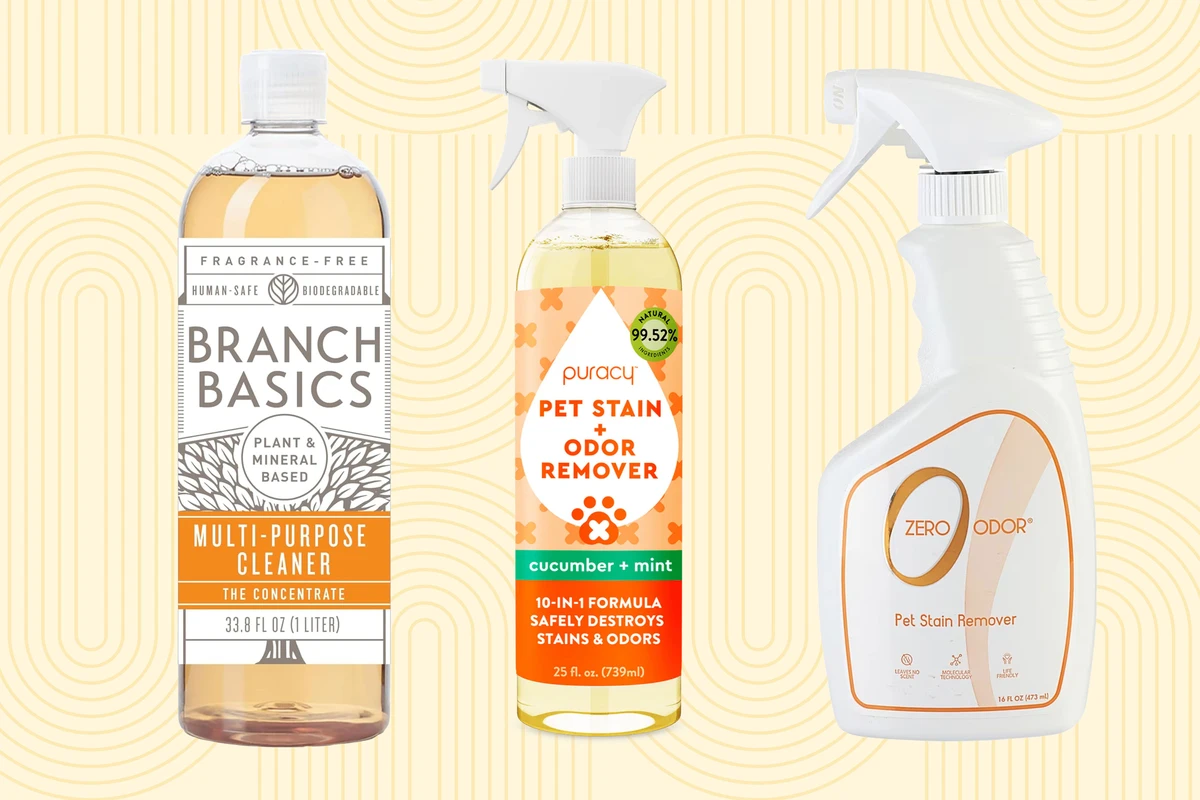
PawVerde.com – Eco-friendly pet stain removers in 2026 have become essential tools for pet owners seeking effective, safe, and environmentally responsible cleaning solutions. As pet ownership continues to rise globally, the demand for products that combine stain and odor elimination with non-toxic, biodegradable formulas has surged. Leading brands such as Biokleen Bac-Out Enzyme Stain & Odor Remover and Puracy Pet Stain and Odor Eliminator exemplify this trend by leveraging natural enzymes and plant-based ingredients to tackle organic stains like urine, feces, and vomit without compromising pet safety or environmental sustainability.
These next-generation stain removers operate primarily through enzymatic action, breaking down complex organic molecules into harmless components. This mechanism not only enhances cleaning efficacy but also prevents the reappearance of odors by neutralizing odor-causing compounds at their source. Coupled with plant-derived surfactants and biodegradable solvents, such products minimize ecological impact while maintaining multi-surface versatility. Emerging sustainable packaging solutions, including refillable bottles and plastic-neutral shipping initiatives by retailers like Grove Collaborative, further underscore the industry’s commitment to reducing plastic waste and carbon footprints.
Eco-Friendly Pet Stain Removal Technologies: Enzymes and Plant-Based Ingredients
Enzyme-based cleaners have revolutionized pet stain removal due to their targeted biochemical processes. Enzymes such as proteases, amylases, and lipases catalyze the breakdown of proteins, starches, and fats commonly found in pet stains. This breakdown facilitates easier removal and odor eradication. Biokleen Bac-Out, for instance, incorporates live enzyme cultures alongside citrus extracts to amplify stain degradation while maintaining a non-toxic profile. Unlike traditional chemical cleaners that rely on harsh solvents or bleaches, enzymatic cleaners maintain fabric integrity and are safe for pets and children.
Plant-based ingredients complement enzymatic action by providing natural surfactants and solvents that lift and dissolve stains without synthetic chemicals. Puracy’s Pet Stain and Odor Eliminator uses a blend of coconut-derived surfactants and natural citrus oils, offering effective multi-surface cleaning. These ingredients also enhance biodegradability, ensuring that residues break down harmlessly in wastewater systems. The absence of parabens, volatile organic compounds (VOCs), ammonia, chlorine, and phthalates in many eco-friendly formulations aligns with growing consumer demand for chemical-free household products.
Environmental considerations extend beyond cleaning efficacy. Biodegradability is a critical factor, as components that persist in ecosystems may disrupt aquatic life and contribute to pollution. Brands such as Earth Friendly Product and Better Life emphasize fully biodegradable formulas verified through third-party testing. These products degrade rapidly under aerobic conditions, minimizing ecological impact.
Leading Eco-Friendly Pet Stain Remover Products in 2026
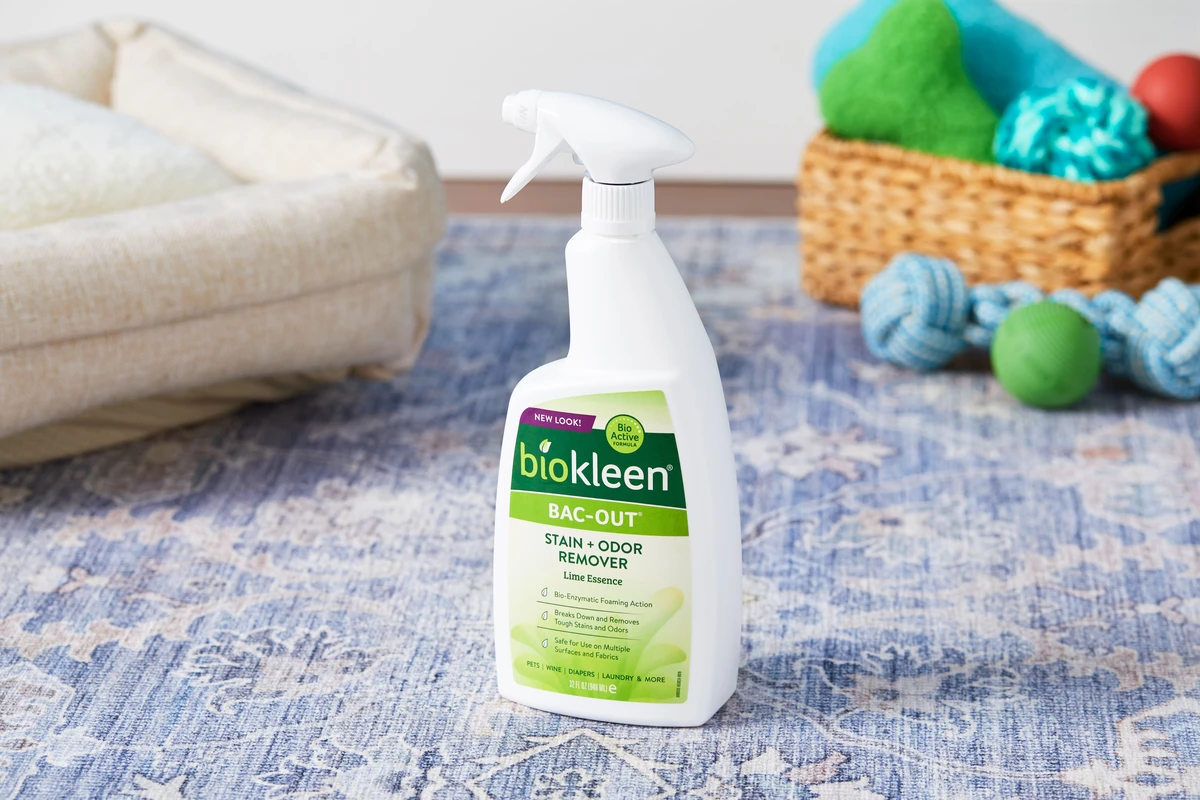
Biokleen Bac-Out Enzyme Stain & Odor Remover remains a top contender due to its potent enzymatic formula combined with citrus oil extracts. Consumer testimonials, including a detailed month-long evaluation by Emily Way, highlight its ability to remove persistent urine and fecal stains on carpets and upholstery without damaging fabrics or leaving chemical residues. Its biodegradable formula and non-toxic certification make it suitable for homes with pets and children.
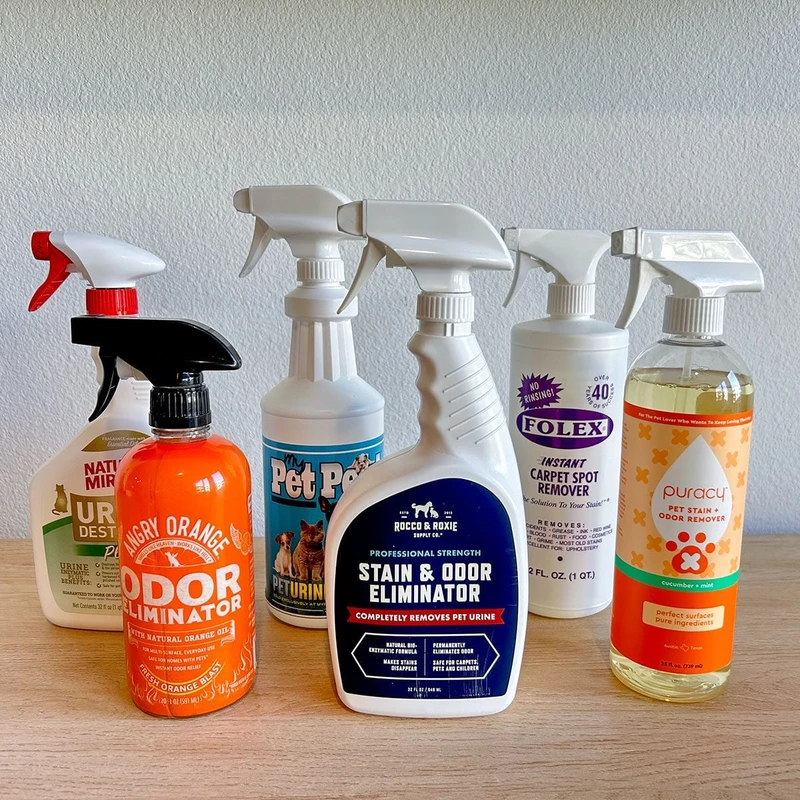
Puracy Pet Stain and Odor Eliminator offers a plant-based alternative with proven effectiveness on a variety of surfaces, from hardwood floors to fabric upholstery. Its formulation eschews synthetic fragrances and dyes, using natural essential oils to neutralize odors. The product’s versatility extends to stain types beyond pet-related messes, including food and drink spills.
Other notable brands include Begley’s Household Stain & Odor Remover and Citra Spot Natural Stain & Odor Remover, each employing natural enzymes and plant-derived solvents. Earth Friendly Product’s Everyday Stain & Odor Eliminator and Better Life’s Natural Stain & Odor Eliminator emphasize cruelty-free production and sustainable sourcing practices.
Emerging products such as Truly Free Home Enzyme Stain Remover and Molly’s Suds Stain Remover are gaining traction for their commitment to zero-waste packaging and transparent ingredient lists. Rocco & Roxie Supply Co. Stain & Odor Eliminator, endorsed by veterinary experts, combines enzymatic action with odor-neutralizing agents proven effective in clinical settings.
Comparative Features of Leading Eco-Friendly Pet Stain Removers
| Product | Key Ingredients | Surface Compatibility | Packaging | Certifications |
|---|---|---|---|---|
| Biokleen Bac-Out | Live Enzymes, Citrus Extracts | Carpet, Upholstery, Hard Surfaces | Recyclable Bottle | Non-toxic, Biodegradable |
| Puracy Pet Stain & Odor Eliminator | Plant-based Surfactants, Essential Oils | Multi-surface (wood, fabric, tile) | Plastic-neutral Bottle | EWG Verified, Cruelty-Free |
| Begley’s Household Stain & Odor Remover | Natural Enzymes, Plant Solvents | Fabric, Carpet | Refillable Bottle | B Corp Certified |
| Citra Spot Natural Remover | Citrus Oils, Enzymes | Carpet, Upholstery | Biodegradable Packaging | EcoLogo Certified |
| Rocco & Roxie Supply Co. | Enzymes, Odor Neutralizers | Carpet, Hard Floors | Recyclable Bottle | Veterinary Recommended |
Product Formats and Effective Usage Techniques
eco-friendly pet stain removers are available in various formats, each suited for different applications and stain types. Sprays are the most common, offering ease of use on carpets and upholstery. Foams provide better adherence to vertical surfaces and porous materials. Powdered formulations, such as Molly’s Suds, excel in absorbing moisture from fresh stains and can be vacuumed post-treatment. Sticks and wipes offer convenience for on-the-go cleaning but may lack the enzymatic potency of liquid products.
Optimal stain removal requires prompt action. For enzymatic sprays like Biokleen Bac-Out, saturating the affected area and allowing the enzymes to work for at least 10-15 minutes enhances breakdown of organic matter. Agitation with a cloth or brush can improve penetration. For dried or set-in stains, multiple applications may be necessary.
Application on different surfaces demands care: upholstery and carpets benefit from blotting rather than rubbing to avoid fabric damage, while hard surfaces can be wiped clean after treatment. Bedding and pet crates require thorough rinsing and drying to prevent enzyme residue buildup that could attract pets to re-soil.
DIY natural stain removal recipes remain popular among eco-conscious consumers. Vinegar combined with salt and borax creates a mild acidic and abrasive solution effective against light pet stains. Castile soap mixed with water and essential oils offers a gentle cleaner with antibacterial properties but lacks the enzymatic action needed for protein-based stains.
Sustainability and Packaging Innovations in Pet Stain Removers
Sustainability extends beyond ingredients to packaging and supply chain practices. Grove Collaborative, a leader in eco-friendly retail, commits to 100% plastic-neutral and carbon-neutral shipping, offsetting its environmental footprint. Blueland’s innovative multi-surface cleaners come in tablet form, reducing single-use plastic by enabling consumers to refill reusable bottles.
Refillable and concentrated products represent another critical trend, allowing consumers to reuse containers and reduce plastic waste. Begley’s and Better Life offer refill stations and concentrate options, encouraging sustainable consumption patterns.
Certifications play a pivotal role in guiding consumers. B Corp certification assures companies meet rigorous social and environmental standards. EWG Verified confirms ingredient safety and transparency. FSC certification guarantees responsible sourcing of paper-based packaging. Cruelty-Free seals ensure no animal testing during product development.
Safety Considerations for Pets and Households
Non-toxic formulations are imperative for pet stain removers to prevent adverse health effects in animals and humans. Exposure to harmful chemicals such as ammonia, bleach, or phthalates can cause respiratory issues, skin irritation, or behavioral problems in pets. Veterinary experts emphasize selecting products free from synthetic fragrances and dyes that may trigger allergies.
Proper ventilation during cleaning and avoiding ingestion are critical safety measures. Products like Rocco & Roxie Supply Co. are formulated under veterinary guidance to balance efficacy with pet safety. Experts also recommend spot testing new products on small fabric areas to detect any adverse reactions.
Educating pet owners on differentiating between stain removal and odor neutralization is important. While many products combine both functions, some focus solely on odor masking rather than enzymatic elimination. Using enzyme-based removers ensures complete degradation of odor-causing molecules, reducing the likelihood of pets re-marking treated areas.
Future Directions in Eco-Friendly Pet Stain Removal
The trajectory of pet stain removers in 2026 points toward increased integration of biotechnology and circular economy principles. Advances in enzyme engineering promise faster and more targeted stain breakdown, reducing application times and water usage. Biodegradable packaging materials derived from agricultural waste are entering the market, further diminishing environmental impact.
Digital platforms and AI-powered apps are emerging to assist pet owners in stain identification and product selection, tailoring recommendations based on stain type, surface, and pet species. Subscription models offering concentrated refills and plastic-neutral shipping are becoming standard to encourage sustainable consumer habits.
Expanding consumer awareness about the health impacts of traditional chemical cleaners is fueling demand for transparency and ingredient traceability. Brands investing in third-party testing and open-label ingredient disclosures are gaining competitive advantage.
FAQ
What makes enzyme-based pet stain removers more effective than traditional cleaners?
Enzyme-based stain removers utilize biological catalysts to break down proteins, fats, and starches in organic stains, enabling thorough removal and odor neutralization. Unlike chemical cleaners that mask odors or rely on harsh solvents, enzymes degrade stain molecules at the source, preventing recurrence and protecting surfaces.
Are eco-friendly pet stain removers safe for all pets?
Most eco-friendly removers formulated with non-toxic, plant-based ingredients and free from synthetic fragrances are safe for dogs, cats, and other common household pets. However, it is advisable to follow product instructions carefully and prevent pets from licking treated areas until fully dry.
How do refillable packaging and plastic-neutral initiatives impact the environment?
Refillable packaging reduces single-use plastic waste by enabling consumers to reuse containers, decreasing production demand. Plastic-neutral initiatives offset plastic use by funding waste collection and recycling programs, resulting in a net-zero plastic footprint and supporting circular economy goals.
Can eco-friendly stain removers be used on all household surfaces?
While most enzyme and plant-based removers are formulated for multi-surface use, including carpets, upholstery, hardwood, and tile, it is important to check product labels and test on inconspicuous areas first to avoid potential damage, especially on delicate fabrics or untreated wood.
What are the best practices for removing pet stains quickly and effectively?
Immediate blotting of fresh stains, applying enzymatic cleaners liberally, allowing sufficient dwell time for enzymes to act, and gentle agitation improve stain removal. For dried stains, repeated treatments and mechanical action may be needed. Consistent cleaning prevents odor buildup and discourages pets from re-soiling.
—
As the pet care market continues evolving in 2026, eco-friendly stain removers that combine enzymatic science with sustainable practices are setting new industry standards. Pet owners prioritizing health, environmental stewardship, and cleaning efficacy will find leading products like Biokleen Bac-Out and Puracy’s Pet Stain and Odor Eliminator offering reliable solutions. Embracing innovations in packaging and biotechnology will further enhance the sustainability and performance of pet stain removal products in the years ahead.
Best Eco-Friendly Pet Stain Removers Break Down Odors Safely
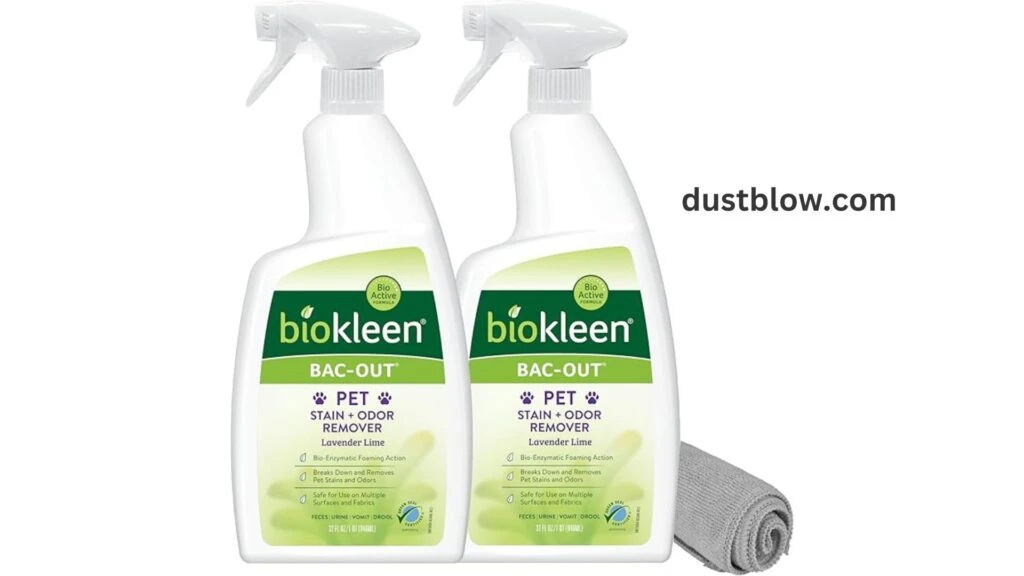
PawVerde.com – eco-friendly pet stain removers have become essential for pet owners seeking effective cleaning solutions that prioritize safety, environmental responsibility, and durability. Enzyme-based, biodegradable products such as Biokleen Bac-Out Enzyme Stain & Odor Remover, Puracy Pet Stain and Odor Eliminator, and Truly Free Home Enzyme Stain Remover lead the market by combining natural ingredients with advanced cleaning technology. These formulations harness live enzyme cultures to break down organic matter, eliminating both visible stains and underlying odors without introducing toxic chemicals harmful to pets or humans.
Pet stains vary in composition and complexity, typically involving urine, feces, vomit, or dirt, each presenting distinct challenges for removal. While conventional cleaners may mask odors with strong fragrances or rely on harsh chemicals like ammonia and bleach, eco-friendly enzyme cleaners target the root cause by digesting the organic compounds. This dual-action approach improves long-term odor control and reduces the risk of repeat soiling, a common issue in households with pets.
Understanding Pet Stains and Odors
Pet stains primarily consist of organic waste materials. Urine contains urea, uric acid crystals, and proteins that penetrate porous surfaces, complicating removal efforts. Feces and vomit introduce complex biological matter including enzymes, fats, and bacteria that contribute to persistent odors and surface discoloration. Dirt and mud, common with outdoor pets, often carry soil-based stains that require different enzymatic and surfactant actions.
A critical distinction exists between stain removal and odor elimination. Stain removal addresses the visible discoloration, but odors often persist due to microscopic residues left behind. Enzyme-based cleaners specifically break down these residues at a molecular level, preventing bacteria growth that causes lingering smells. This mechanism outperforms traditional chemical cleaners that only neutralize odors temporarily or cover them with synthetic scents.
How Eco-Friendly Cleaning Products Work
Enzyme cleaners utilize specialized proteins that catalyze the breakdown of organic molecules into simpler, odorless compounds. Key enzymes include proteases (targeting proteins), amylases (carbohydrates), and lipases (fats). These enzymes actively digest pet waste components, transforming stains and odors into harmless substances that rinse away with water.
Plant-based surfactants complement enzymes by emulsifying oils and loosening dirt without harsh detergents. Ingredients derived from coconut or corn-based compounds reduce environmental impact and improve biodegradability. Essential oils such as tea tree or eucalyptus may be added in trace amounts for natural antimicrobial properties and mild fragrance, while avoiding synthetic perfumes that can irritate pets.
Formulations strictly exclude harmful chemicals like ammonia, bleach, formaldehyde, and phthalates, which pose health risks to animals and humans. Biodegradable compounds ensure that after use, the cleaners break down rapidly, minimizing ecological footprint. Products carrying certification such as the Carpet and Rug Institute (CRI) Seal of Approval confirm their efficacy and safety on carpet fibers and upholstery, critical for pet environments.
Top Recommended Eco-Friendly Pet Stain Removers
Among commercial enzyme cleaners, Biokleen Bac-Out Enzyme Stain & Odor Remover stands out for its use of live enzyme cultures derived from pineapple and grapefruit extracts. This product avoids artificial fragrances and dyes, ensuring suitability for sensitive pets. Puracy Pet Stain and Odor Eliminator combines plant-based surfactants with natural enzymes, offering a hypoallergenic formula endorsed by veterinarians.
Truly Free Home enzyme stain remover emphasizes chemical-free ingredients, using a simple blend of protease enzymes and biodegradable detergents. Its multi-surface compatibility supports cleaning carpets, upholstery, pet bedding, and even car interiors. Other notable brands include Begley’s Household Stain & Odor Remover, Better Life’s Natural Stain & Odor Eliminator, Earth Friendly Product’s Everyday Stain & Odor Eliminator, Sheiner’s Carpet Stain Cleaner & Odor Remover, and Rocco & Roxie Professional Strength Bio-Enzymatic Formula. These products consistently avoid toxic additives, maintain environmental standards, and provide robust stain elimination.
Certification by organizations like the Carpet and Rug Institute adds credibility, with CRI’s Seal indicating rigorous testing for stain removal performance without damaging carpet fibers. This certification is particularly relevant for pet owners aiming to maintain carpet longevity while ensuring thorough odor control.
Homemade Natural Cleaning Recipes for Pet Stains
DIY cleaning solutions offer accessible alternatives using readily available natural ingredients. One effective paste combines vinegar, salt, and borax. Vinegar’s acetic acid acts as a mild disinfectant and odor neutralizer while salt provides abrasive action to lift stains. Borax enhances cleaning power through its alkalinity and antifungal properties. This combination is suitable for heavy-duty stains but requires caution due to borax’s potential toxicity if ingested by pets.
For gentler cleaning, a mixture of Castile soap and warm water creates a mild surfactant solution. Castile soap, derived from vegetable oils, safely emulsifies oils and dirt without harsh chemicals. This solution is ideal for delicate surfaces like upholstery and pet bedding.
When using homemade remedies, it is essential to test on inconspicuous areas to avoid discoloration or damage. Additionally, thorough rinsing is necessary to prevent residue buildup that could attract pets to re-soil treated spots.
Application Tips and Surface Compatibility
Effective use of eco-friendly pet stain removers depends on applying appropriate techniques tailored to surface types. Carpets and rugs benefit from blotting excess moisture immediately, followed by spraying enzyme cleaner generously to saturate affected fibers. Allowing 10–15 minutes of dwell time maximizes enzymatic activity before blotting or light scrubbing. For upholstery and pet beds, spot cleaning with a soft cloth reduces fabric stress.
Car interiors, which often have mixed materials like fabric and leather, require careful selection of stain removers. Products like Truly Free Home Enzyme Stain Remover are formulated for multi-surface use, but always confirm manufacturer guidelines for automotive fabrics.
Testing on a small hidden area first mitigates risks of color fading or fabric damage. Repeated treatments may be necessary for older or set-in stains, but overuse should be avoided to preserve material integrity.
Safety and Environmental Considerations
Non-toxic ingredients in eco-friendly pet stain removers minimize health risks for animals and family members. Avoiding ammonia, chlorine, formaldehyde, and synthetic fragrances reduces respiratory and dermal irritation risks. Biodegradability ensures that residues do not accumulate in wastewater, lowering environmental pollution.
Manufacturers increasingly adopt sustainable sourcing and packaging practices, reflecting growing industry emphasis on eco-responsibility. Consumers are encouraged to verify product certifications and ingredient transparency when selecting cleaning solutions.
While enzyme cleaners are generally safe, some pets may exhibit sensitivities to essential oils or other botanical extracts. Monitoring pet reactions after initial application is advisable, especially for households with multiple animals or individuals prone to allergies.
Forward-Looking Analysis and Practical Next Steps
The trend toward enzyme-based, plant-derived pet stain removers aligns with broader shifts in household cleaning toward sustainability and health consciousness. Emerging innovations in enzyme technology promise enhanced specificity and faster action against diverse organic stains. Integration of biodegradable nanoemulsions and green surfactants could further improve efficacy while maintaining environmental benefits.
Pet owners should adopt a multi-pronged approach combining certified enzyme cleaners, occasional homemade treatments, and proactive stain management techniques such as prompt blotting and regular cleaning schedules. Prioritizing products with verified safety seals and environmental credentials will support healthier home environments and contribute to wider ecological sustainability.
As consumer demand for green cleaning grows, manufacturers are likely to expand offerings with improved formulations and transparent labeling. Staying informed through expert reviews and certification updates will help users make educated choices that balance effectiveness, safety, and environmental stewardship.
Frequently Asked Questions
What makes enzyme-based pet stain removers more effective than traditional cleaners?
Enzyme-based removers contain live enzymes that break down organic compounds in pet stains and odors at a molecular level. This process removes the stain source entirely rather than masking it, leading to more thorough and lasting odor control compared to chemical cleaners that often only neutralize or disguise smells.
Are eco-friendly pet stain removers safe for all pets?
Most eco-friendly enzyme cleaners formulated without toxic chemicals, synthetic fragrances, or harsh solvents are safe for pets. However, some products may include natural essential oils that could cause sensitivities in certain animals. It is advisable to check ingredient lists and observe pets after initial use.
Can homemade natural cleaning solutions effectively replace commercial enzyme stain removers?
Homemade recipes using vinegar, borax, salt, and Castile soap can effectively tackle fresh or light stains but may lack the comprehensive enzymatic action required for deep odor and stain removal. For persistent or set-in pet stains, commercial enzyme-based products generally provide superior results.
How do I know if a pet stain remover is environmentally responsible?
Look for certifications such as the Carpet and Rug Institute (CRI) Seal of Approval, biodegradable labeling, and clear ingredient disclosures indicating plant-based surfactants and absence of harmful chemicals. Products that avoid ammonia, bleach, phthalates, and synthetic fragrances typically have lower environmental impact.
Can eco-friendly pet stain removers be used on all household surfaces?
Many enzyme-based removers are formulated for multi-surface use including carpets, upholstery, pet bedding, and car interiors. However, it is crucial to test products on small, inconspicuous areas before full application to prevent material damage or discoloration.
| Product | Key Ingredients | Certification | Pet Safety | Surface Compatibility |
|---|---|---|---|---|
| Biokleen Bac-Out Enzyme Stain & Odor Remover | Live enzyme cultures (pineapple, grapefruit), plant-based surfactants | CRI Seal of Approval | Non-toxic, fragrance-free | Carpets, upholstery, pet bedding |
| Puracy Pet Stain and Odor Eliminator | Plant-based enzymes, natural surfactants, mild essential oils | Veterinarian endorsed | Hypoallergenic, non-toxic | Carpets, upholstery, multi-surface |
| Truly Free Home Enzyme Stain Remover | Protease enzymes, biodegradable detergents | Third-party tested | Free of synthetic chemicals | Multi-surface including cars |
| Rocco & Roxie Professional Strength Bio-Enzymatic | Multiple enzyme blend, natural surfactants | CRI Seal | Non-toxic | Carpets, upholstery |
| Begley’s Household Stain & Odor Remover | Plant-based enzymes, biodegradable formula | Eco-certified | Pet-safe | Carpets, upholstery |
This comparative table outlines leading eco-friendly enzyme-based pet stain removers, highlighting their natural ingredients, certifications, pet safety profiles, and surface compatibility to assist informed purchasing decisions.
The growing adoption of enzyme cleaners and plant-based formulations represents a significant advancement in pet stain management, balancing cleaning power with health and environmental priorities. Continued innovation and consumer education will drive more widespread use of these sustainable products in pet households worldwide.