
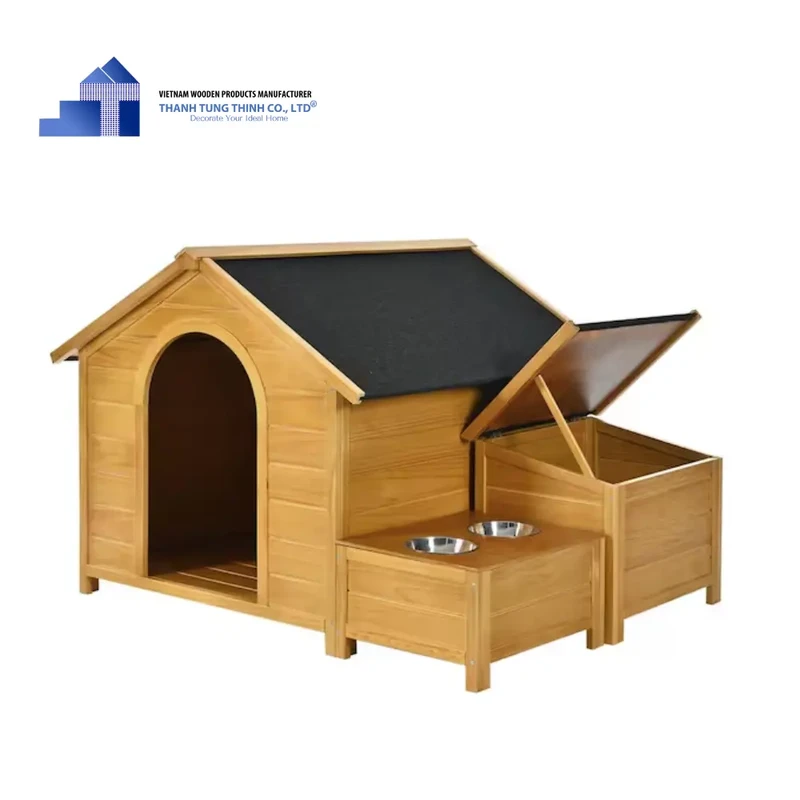
Eco-Friendly Pet Home Design: Sustainable Living Guide
PawVerde.com – Eco-friendly pet home design focuses on creating living spaces using durable, responsibly sourced, and circular materials that minimize environmental impact. This approach prioritizes non-toxic textiles, upcycled bedding, and energy-efficient technology to ensure that a pet’s comfort does not come at the cost of the planet’s future. The online eco-pet product market is projected to reach a massive $7.18 billion in revenue by 2025, with online stores accounting for 42.7% of global eco-pet revenues.
The Circular Pet Home Lifecycle: Beyond Just ‘Green’ Labels
A circular pet home lifecycle involves selecting products that are not only sustainably produced but also designed for end-of-life recovery. This means prioritizing items that are either fully compostable, such as plant-based litters, or infinitely recyclable, like West Paw toys that can be returned to be ground up and recreated.
True sustainability requires moving past the “buy and discard” model. As ecofurball.com notes, “Eco-friendly doesn’t just mean biodegradable. It also means durable, reusable, and responsibly sourced.” If a product is biodegradable but breaks after two weeks of heavy chewing, it fails the circularity test by creating frequent replacement waste.
Upcycling existing textiles
One effective method to reduce landfill contributions is upcycling. For example, the Molly Mutt concept demonstrates how to create high-quality pet bedding by using a 100% cotton duvet cover and stuffing it with old, unwanted pillows, towels, or clothes. This method keeps textiles out of the waste stream while providing a customized, soft environment for pets.
Closing the loop with manufacturer take-back programs
A common failure mode in eco-conscious shopping is purchasing “green” products that eventually become non-recyclable waste. To avoid this, consumers should look for manufacturers that manage the entire lifecycle of their goods. West Paw, a Certified B Corp, facilitates this by offering toys that can be returned to the manufacturer to be sanitized, ground up, and recreated into new products. This ensures that the material remains in a closed loop rather than entering a landfill.
- Prioritize products with take-back instructions in the packaging.
- Select items made from mono-materials (single types of plastic or fabric) to simplify recycling.
- Avoid “hybrid” materials that bond different substances together, as these are often impossible to separate for recycling.
Sustainable Smart-Pet Integration: Low-Energy IoT and Biophilia
Integrating technology into a pet’s habitat requires a balance between convenience and energy consumption. While smart feeders and automated water fountains offer precision, they contribute to the growing issue of e-waste if not selected carefully.
Smart technology from a bio-friendly perspective mimics the functions of nature or promotes natural processes, contributing to improving the quality of the environment and preserving the indigenous ecosystem. This means choosing devices that support natural rhythms rather than disrupting them with constant, high-energy signals.
Mitigating anxiety through biophilic design
Biophilic design—the practice of incorporating natural elements into indoor spaces—can significantly reduce pet stress. Environments that lack natural elements can negatively impact well-being. For instance, biophilia can mitigate health issues caused by a lack of nature, which in humans can manifest as fatigue or hypertension, and similarly, helps pets feel more secure in their domestic territory.
Energy-efficient lighting for pet habitats
Lighting plays a critical role in maintaining a pet’s circadian rhythm. When selecting lighting for pet enclosures or indoor habitats, efficiency is paramount. Switching from fluorescent lights to LED bulbs can result in a 90% energy reduction. This transition not only lowers the carbon footprint of the home but also provides a more stable, flicker-free light source that is easier on sensitive animal eyes.
Shortcut: To find energy-efficient lighting options on major retail sites, use the “Filter” menu > “Technical Specifications” > “Bulb Type” and select “LED”.
Material Durability vs. Toxicity: A Technical Comparison
When designing pet homes, the best materials balance durability with chemical safety. While recycled polyester offers high stain resistance and durability similar to virgin polyester, users must avoid plastics that leach BPA and ensure small animal bedding avoids cedar or pine phenols which cause respiratory and liver issues.
Selecting the wrong material can lead to immediate health risks. For example, Millamore warns that using cedar or pine shavings for small animal bedding is a significant mistake because these materials contain phenols. These chemicals can cause serious respiratory problems and liver damage in small animals. Furthermore, using abrasive bedding like corn cob can lead to skin irritation.
| Material/Product Type | Environmental Impact | Pet Safety/Durability | Best Use Case |
|---|---|---|---|
| Recycled Polyester | Low (Reduces virgin plastic use) | High (Stain resistant & durable) | High-traffic pet furniture |
| Traditional Plastics | High (Non-biodegradable; leaches BPA) | Moderate (Durability vs toxicity risk) | Avoid for food/water contact |
| Aspen Bedding | Low (Natural & compostable) | High (Safe for respiratory health) | Small animal habitats |
| LED Lighting | Low (90% energy reduction) | High (Stable light output) | Indoor pet habitats |
| Silica Gel Litter | High (Mining intensive; non-compostable) | Moderate | Avoid for eco-conscious homes |
The table above illustrates the trade-offs between traditional materials and sustainable alternatives. While traditional plastics may be cheap, their long-term environmental and health costs are significant.
Textiles for high-traffic pet areas
For furniture that undergoes constant contact with claws and fur, Slashop suggests prioritizing sustainable, pet-resistant materials. recycled polyester is a standout option here; it offers the same performance benefits as virgin polyester—such as stain resistance and easy cleaning—but with a significantly reduced carbon footprint. When selecting textiles, look for tightly woven fabrics like bamboo or eucalyptus that are easier to maintain.
Safe bedding for small animals
Small animal owners must be particularly vigilant regarding bedding toxicity. Beyond the dangers of cedar and pine, avoid silica gel (crystal) cat litters, as these are often procured through mining processes with detrimental environmental effects and are not biodegradable. Instead, opt for plant-based litters or natural aspen bedding to ensure a safe, compostable environment.
Navigating the Online Marketplace: Avoiding Greenwashing
As the demand for eco-friendly pet products grows, so does the prevalence of deceptive marketing. Many products on massive platforms like Amazon or Chewy may use vague terms like “natural” or “green” without providing verifiable evidence of their sustainability claims.
Greenwashing occurs when products are labeled as eco-friendly but actually contain toxic dyes or are composed of mixed plastics that cannot be recycled. To avoid this, consumers should look for specific, third-party certifications such as B Corp, OEKO-TEX, or FSC. For instance, Hevea is a B Corp Certified brand that uses natural rubber for its products, providing a verifiable standard of social and environmental performance.
Identifying true B Corp certifications
A B Corp certification is one of the most reliable indicators of a company’s commitment to sustainability. Brands like West Paw and Hevea have undergone rigorous assessments to prove their impact. When browsing online, check the “About Us” or “Sustainability” sections of a brand’s website to verify these credentials.
The hidden waste of online shipping
Even if a product is sustainable, the way it reaches your door matters. The massive scale of online shopping can lead to excessive packaging waste. Look for direct-to-consumer brands like Beco Pets that may offer more streamlined, plastic-free, or carbon-neutral shipping options compared to traditional big-box retailers.
The Economic Reality: The ‘Green Premium’ vs. Long-term Value
There is a common misconception that eco-friendly design is always more expensive. While some products may have a higher upfront cost—often called the “green premium”—the long-term value often outweighs the initial investment.
Current data shows that 54% of buyers in developed markets prioritize eco-conscious products. This shift is driving an 11.8% CAGR for the online eco-pet market. This growth suggests that sustainable options are becoming more accessible and mainstream.
Cost-per-use analysis of durable goods
When evaluating a purchase, consider the cost-per-use. A cheap, non-durable pet bed might need replacing every six months due to wear or staining. In contrast, a high-quality, recycled polyester bed from a brand like Slashop is designed for durability. Over two years, the more expensive, durable bed often costs less than buying multiple low-quality replacements.
The value of refurbished commercial-grade furniture
One of the most effective ways to achieve net-zero is through the use of refurbished, recycled, or “pre-loved” furniture. Companies like Saxen specialize in supplying refurbished commercial-grade furniture. Integrating refurbished pieces into a pet-centric home design is a highly sustainable strategy that provides professional-grade durability at a fraction of the cost of new, high-end furniture.
FAQ
Is recycled polyester as good as regular polyester for pet furniture?
Yes, recycled polyester offers the same performance benefits as virgin polyester, including stain resistance, durability, and easy cleaning, but with a significantly lower carbon footprint, making it an ideal choice for pet-resistant home textiles.
Why should I avoid cedar or pine bedding for small pets?
Cedar and pine shavings contain phenols that can cause serious respiratory problems and liver damage in small animals. For a safer alternative, use natural aspen bedding, which is non-toxic and compostable.
How can I tell if a pet product is actually eco-friendly?
Look for third-party certifications like B Corp, OEKO-TEX, or FSC. Be wary of “greenwashing” where products are labeled eco-friendly but contain toxic dyes or mixed plastics that are difficult to recycle.

Sustainable Materials for DIY Pet Beds That Protect Pets and Planet
PawVerde.com – Sustainable materials for DIY pet beds encompass organic cotton, hemp, wool, recycled polyester fabrics derived from plastic bottles, and natural fillings such as buckwheat hulls and coconut fiber. These materials combine biodegradability, non-toxicity, and durability, supporting environmental responsibility while ensuring pet comfort and safety. Organic cotton and hemp grow without pesticides, reducing chemical runoff, and decompose naturally at the end of their lifecycle. Wool’s lanolin content offers antimicrobial and odor-resistant qualities, enhancing hygiene. Recycled polyester utilizes plastic waste, diverting millions of bottles from landfills, and provides a resilient fabric base. Natural fillings like buckwheat hulls and coconut fiber deliver supportive cushioning with minimal environmental impact, contrasting with synthetic foams that often contain harmful chemicals.
The rising environmental concerns associated with conventional pet bedding, including synthetic microfiber pollution and landfill accumulation, have galvanized Australian pet owners and sustainable living advocates to seek eco-friendly alternatives. This shift aligns with global trends emphasizing zero waste lifestyles and ethical consumption. Veterinarians emphasize the importance of non-toxic, breathable materials that prevent skin irritations and support joint health, reinforcing the suitability of natural fibers and recycled fabrics in pet bedding.
Sustainable Materials for DIY Pet Beds
organic cotton and hemp stand out as top choices for sustainable pet bed fabrics due to their cultivation methods and end-of-life biodegradability. Organic cotton is grown without synthetic pesticides or fertilizers, reducing soil contamination and water usage by up to 91% compared to conventional cotton. Hemp, a rapidly renewable crop, requires minimal irrigation and pesticides, and its fibers are naturally resistant to mold and UV degradation, extending product lifespan. Both fabrics provide softness and breathability essential for pet comfort, particularly for dogs prone to overheating.
Wool, sourced from ethically farmed sheep, contains lanolin, a natural wax with antimicrobial and water-repellent properties. This reduces odor buildup and bacterial growth, crucial for maintaining pet hygiene. Wool’s natural crimp creates insulating air pockets, offering temperature regulation benefits in both cold and warm climates. Australian veterinarians often recommend wool bedding for older dogs with arthritis due to its supportive cushioning and thermal regulation.
Recycled polyester fabrics, produced by reprocessing plastic bottles (PET), present a durable and water-resistant alternative to virgin synthetics. Brands like Yaya & Co and Avocado incorporate OEKO-TEX certified recycled polyester, ensuring the absence of harmful substances. This process diverts millions of plastic bottles annually from oceans and landfills, contributing to circular economy goals. The fabric’s resilience withstands pet wear and tear, maintaining structural integrity over time.
Natural filling materials such as buckwheat hulls and coconut fiber provide sustainable cushioning options. Buckwheat hulls are biodegradable, mold-resistant, and conform to pet body shapes, offering orthopedic support. Coconut fiber, or coir, is a renewable resource extracted from coconut husks, providing firm yet breathable padding. These fillings contrast with conventional polyurethane foams, which often contain fire retardants and volatile organic compounds (VOCs) linked to respiratory issues in pets and humans.
Plant-based memory foam alternatives, such as organic latex derived from rubber tree sap, offer chemical-free cushioning without the environmental drawbacks of petroleum-based foams. These materials are biodegradable and free from synthetic additives, aligning with eco-conscious pet owners’ preferences.
DIY Pet Bed Projects Using Recycled and Upcycled Materials
Practical DIY pet bed projects frequently utilize household recycled items, supporting waste reduction and cost savings. Old towels, for example, can be layered and sewn into plush pet beds, providing softness and durability. Upcycling towels leverages their absorbency and warmth, suitable for pets with sensitive skin.
Repurposed pillows, duvets, and bed spreads serve as cushioning materials when encased in washable, removable covers. This approach diverts bulky textiles from landfill while creating comfortable, insulated bedding. Australian sustainable living advocates highlight these projects as accessible entry points for eco-conscious pet owners.
No-sew fleece beds offer budget-friendly, fast assembly options using recycled fleece blankets. Fleece’s insulating properties and ease of cleaning make it a practical choice, though its synthetic nature warrants consideration of environmental trade-offs.
Household furniture items, such as wooden crates or old drawers, can be repurposed as bed frames, combined with sustainable padding. This method reduces demand for new manufacturing and promotes creative reuse.
Safety, Hygiene, and Comfort Considerations
Washable, removable covers are essential for maintaining hygiene and extending pet bed longevity. Materials like organic cotton and hemp facilitate machine washing without degradation, supporting routine cleaning that minimizes allergens and parasites. Veterinarians advise selecting fabrics free from chemical treatments, dyes, and fire retardants, which can cause skin irritations or respiratory issues in pets.
Avoiding synthetic foams with chemical additives is crucial, as these can off-gas VOCs harmful to animal health. Natural fibers and fillings, by contrast, typically exhibit lower allergenic potential and better breathability, reducing heat stress and dermatitis risks.
Veterinary input underscores the importance of matching bed materials and fillings to pet size, age, and health status. For example, older dogs may benefit from firmer, supportive fillings like buckwheat hulls, while puppies require softer, hypoallergenic fabrics to prevent irritation.
Environmental and Social Impact of Sustainable DIY Pet Beds
DIY sustainable pet beds significantly reduce landfill waste by repurposing textiles and diverting plastic bottles from pollution streams. According to environmental studies, plastic bottle recycling for polyester fabric production cuts greenhouse gas emissions by up to 75% compared to virgin polyester manufacturing.
Supporting brands with Fair Trade certifications ensures ethical labor practices and community development. Australian sustainable pet product consumers increasingly favor companies that source materials from local artisans and farmers, promoting social equity alongside environmental stewardship.
Engaging families and communities in DIY projects fosters environmental awareness and creativity. These initiatives encourage a zero waste mindset and practical skills in resource management.
Market Trends and Certifications in Sustainable Pet Products
Certification standards such as OEKO-TEX, Fair Trade USA, and Better Cotton Initiative (BCI) serve as benchmarks for sustainability and ethical sourcing in pet bedding. OEKO-TEX certification guarantees textiles free from harmful chemicals, while Fair Trade ensures fair wages and safe working conditions.
Consumer demand for eco-friendly pet goods has surged, with market research indicating a 20% annual growth rate in sustainable pet product sales globally. Leading brands like Avocado and Yaya & Co integrate certified organic cotton, recycled fabrics, and biodegradable fillings in their collections, setting industry standards.
Australian retailers are increasingly stocking certified sustainable pet bedding, reflecting growing public consciousness and regulatory pressures on environmental responsibility.
| Material | Source | Environmental Benefit | Pet Comfort Feature | Certification Examples |
|---|---|---|---|---|
| Organic Cotton | Non-GMO cotton grown without pesticides | Reduces water usage; biodegradable | Soft, breathable, hypoallergenic | OEKO-TEX, GOTS |
| Hemp Fabric | Rapidly renewable hemp plant fibers | Minimal irrigation; biodegradable | Durable, mold-resistant, breathable | OEKO-TEX, Fair Trade |
| Wool | Ethically farmed sheep wool | Renewable; natural antimicrobial lanolin | Insulating, odor-resistant | Responsible Wool Standard |
| Recycled Polyester | Plastic bottles (PET) | Diverts plastic waste; reduces emissions | Durable, water-resistant | OEKO-TEX, Global Recycled Standard |
| Buckwheat Hulls | Husk of buckwheat seeds | Biodegradable; renewable | Orthopedic support, mold-resistant | Organic certifications where applicable |
| Coconut Fiber (Coir) | Coconut husks | Renewable, biodegradable | Firm, breathable padding | Fair Trade |
FAQ
What are the safest sustainable materials for DIY pet beds?
Sustainable materials such as organic cotton, hemp, wool, and recycled polyester fabrics certified by OEKO-TEX are considered safe due to their non-toxic, breathable qualities. Natural fillings like buckwheat hulls and coconut fiber also provide safe, supportive cushioning without chemical additives.
Can I use old household textiles for making pet beds?
Yes, repurposing old towels, pillows, and duvets is an effective way to create plush, sustainable pet beds. Ensure these items are clean, free from harsh chemicals, and encased in washable covers for hygiene.
How do natural fillings compare to synthetic foams in pet bedding?
Natural fillings like buckwheat hulls and coconut fiber are biodegradable, mold-resistant, and free from harmful fire retardants found in many synthetic foams. They offer orthopedic support and breathability but may require occasional fluffing to maintain shape.
Are there certifications to look for when purchasing sustainable pet beds?
Relevant certifications include OEKO-TEX for chemical safety, Fair Trade for ethical sourcing, and the Responsible Wool Standard for animal welfare. These ensure the pet bed meets environmental and social responsibility standards.
How can I maintain hygiene and durability in a DIY sustainable pet bed?
Using removable, machine-washable covers made from organic cotton or hemp facilitates regular cleaning. Avoid materials treated with fire retardants or synthetic chemicals to prevent irritation and extend product life.
Sustainable DIY pet beds are reshaping pet care by merging environmental responsibility with comfort and safety. Australian pet owners, supported by veterinary advice and sustainable living advocates, are increasingly adopting these eco-friendly solutions. As market trends continue favoring certified sustainable products, integrating natural fibers, recycled fabrics, and biodegradable fillings will define the future of pet bedding—balancing ecological impact with pets’ well-being.